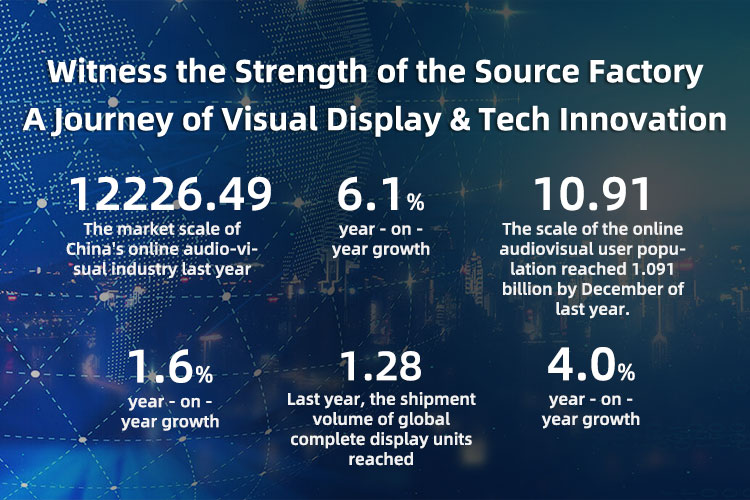
Stonbel R&D Manufacturing Service System and LED Video Wall Selection Guide
In commercial display, LED video wall selection determines final visual performance and long-term maintenance cost. With pixel pitches from P0.7 to P1.8, COB versus conventional packaging, and strict refresh rate and IP protection requirements in medical, broadcast, and dispatch scenarios, integrators and end users often face a maze of parameter comparison. Stonbel's R&D manufacturing service system covers R&D, manufacturing, and localized service, providing quantifiable selection criteria for LED video wall configurations. This article compares core parameters of three mainstream COB fine-pitch displays in a table, with real project cases to clarify configuration logic.
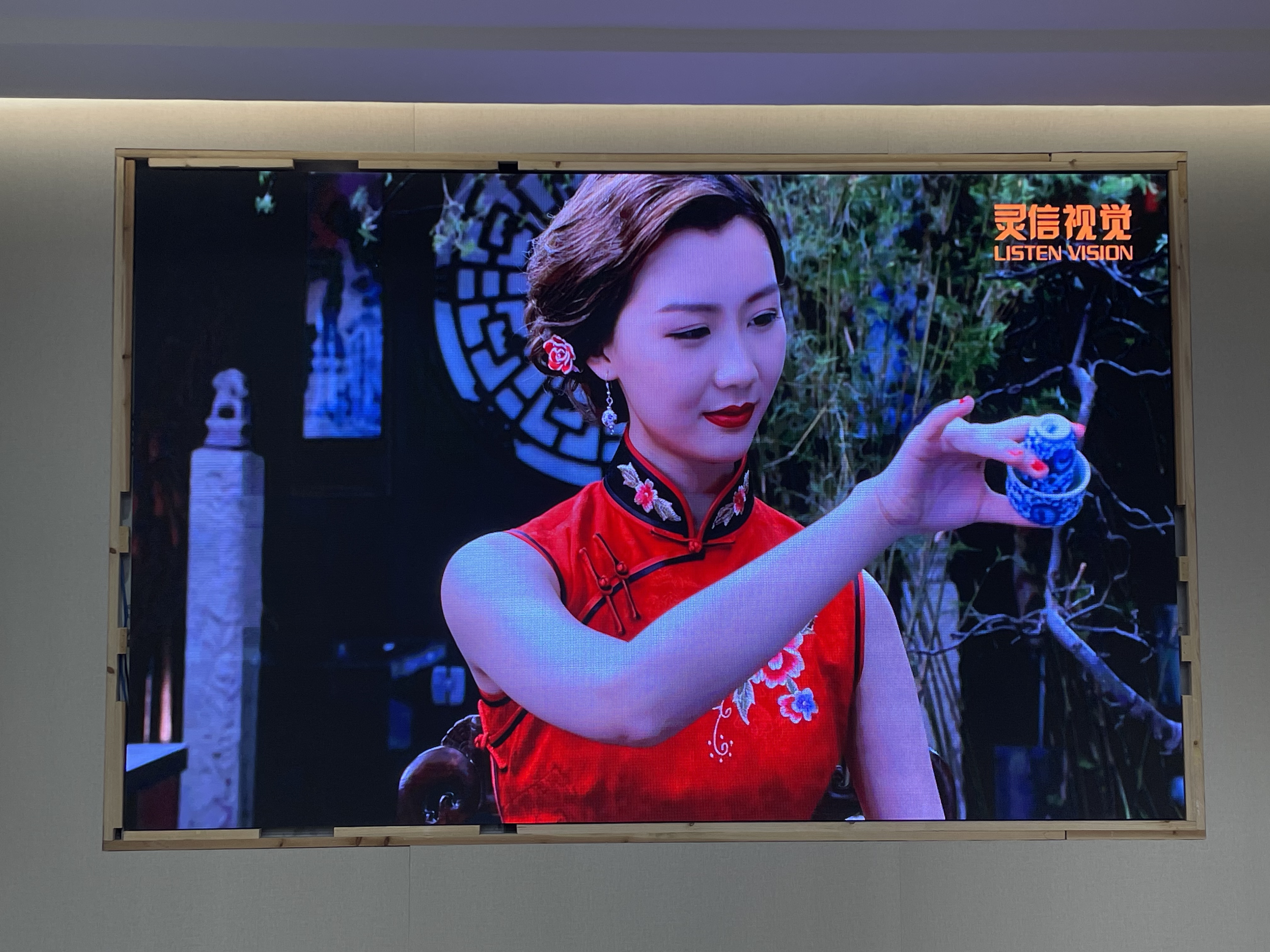
Q1: What are the main differences between COB fine-pitch and regular LED displays when selecting?
A: The core difference is packaging process and scenario adaptability. COB fine-pitch uses chip-level packaging with IP55 protection and ≥100,000-hour lifespan, suited to medical and dispatch scenarios requiring high stability. Regular LED displays can reach 7680Hz refresh rate and NTSC≥130% gamut, better for broadcast studios and virtual production. Stonbel includes both in one product matrix, letting integrators choose based on project priorities for protection, color accuracy, and refresh rate.
Q2: How should LED video walls in medical consultation centers pair with conference all-in-ones?
A: A 'near-end interaction + far-end panorama' combination is recommended. For consultation terminals, use an 86-inch medical-grade smart conference all-in-one with a 4K medical imaging calibration panel meeting DICOM standards for precise CT and MRI detail. For the panorama wall, use P1.2 to P1.5 COB fine-pitch displays with a color system consistent with the all-in-one. Stonbel used this setup in the Xiangya Hospital project, raising multidisciplinary consultation efficiency by 50% and space utilization by 60%.
Q3: For power dispatch centers choosing LED video walls, is refresh rate or protection rating more important?
A: Both should be evaluated together with the environment. Power dispatch centers typically face electromagnetic interference and 7×24 operation, making protection rating and interference resistance the top priority. Stonbel's P1.2 industrial-grade COB fine-pitch display features chip-level interference resistance and intelligent temperature control cooling, achieving zero-fault year-round operation in the Huaneng East China project with O&M costs down 61%. A 3840Hz refresh rate is sufficient for dispatch data display.
Q4: What should be noted when selecting LED displays for university academic exchange centers?
A: University scenarios require focus on color accuracy and detail restoration, as research charts and academic images demand high color consistency. Choose P1.5 to P1.8 COB fine-pitch displays with NTSC≥130% gamut and point-by-point color calibration service. Stonbel provided ultra-HD COB displays and a dedicated academic solution at Zhejiang University, achieving 99% chart detail restoration, smooth international remote meetings, and a 23% per-project profit increase for the integrator.
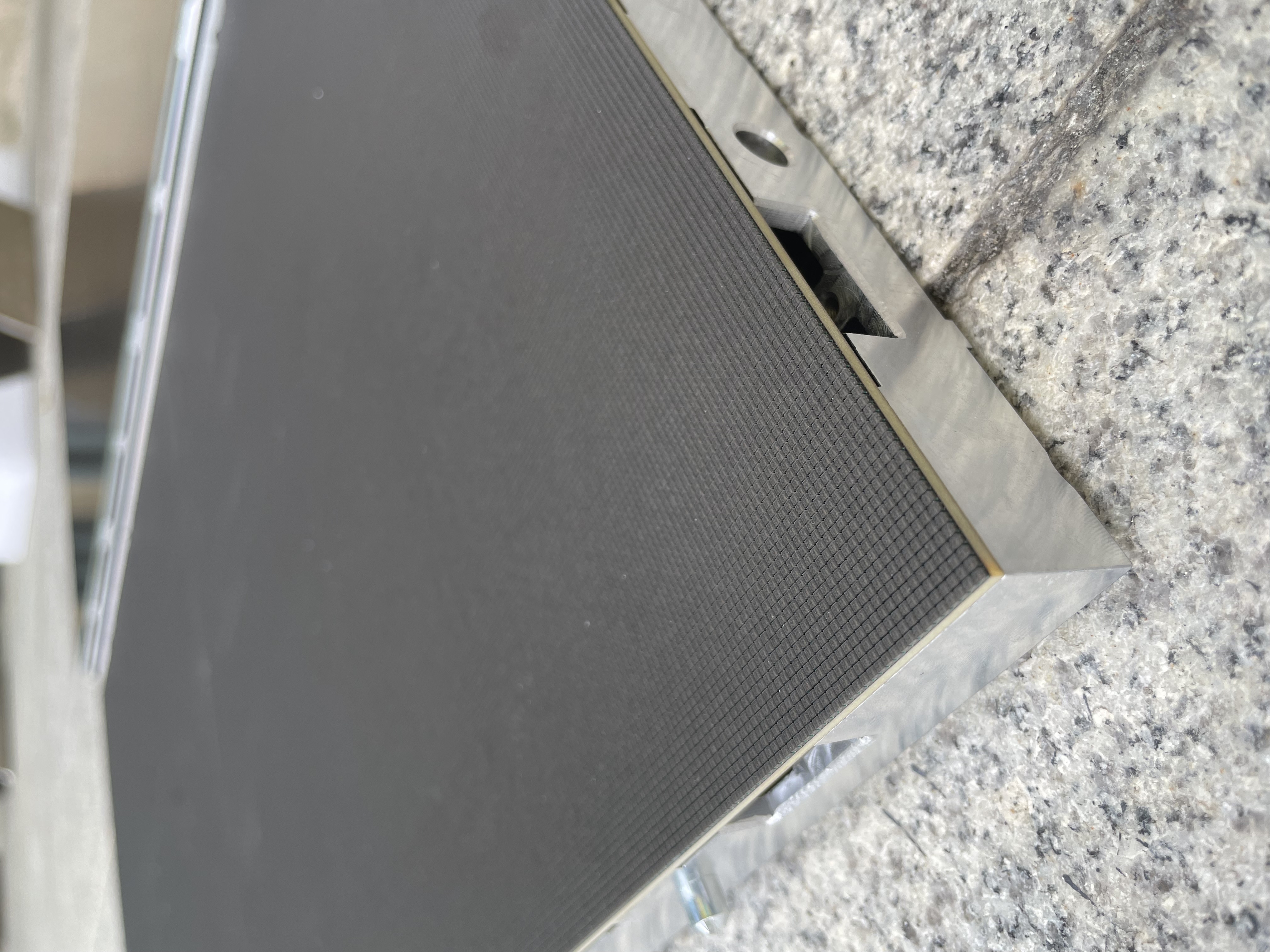
LED video wall selection translates scenario requirements into technical parameters. Stonbel's R&D manufacturing service system offers clear configuration paths through parameter tiers across COB fine-pitch, LED, and LCD product lines, plus medical-grade, broadcast-grade, and industrial-grade versions. From Xiangya Hospital's consultation integration to Huaneng Power dispatch center's COB project, from Zhejiang University academic exchange center to classified meeting room localization, real cases confirm one principle: parameter comparison should find the best match to scenario acceptance standards, not the highest specs. Stonbel's factory-direct supply and 31-province service network make this matching cost-effective.