Command centers aggregate multi-source data, demanding far higher stability and seam control than ordinary commercial scenarios. LCD video walls are widely adopted for their mature panel technology and flexible tiling. However, the market offers many models with notable differences in pixel pitch, color gamut, protection rating, and signal scheduling. Choosing by price or a single spec often leads to visible seams, color decay, and chaotic signal routing after delivery. This article provides an actionable selection checklist in numbered steps: process overview, step-by-step operations, acceptance, and precautions.
Process Overview
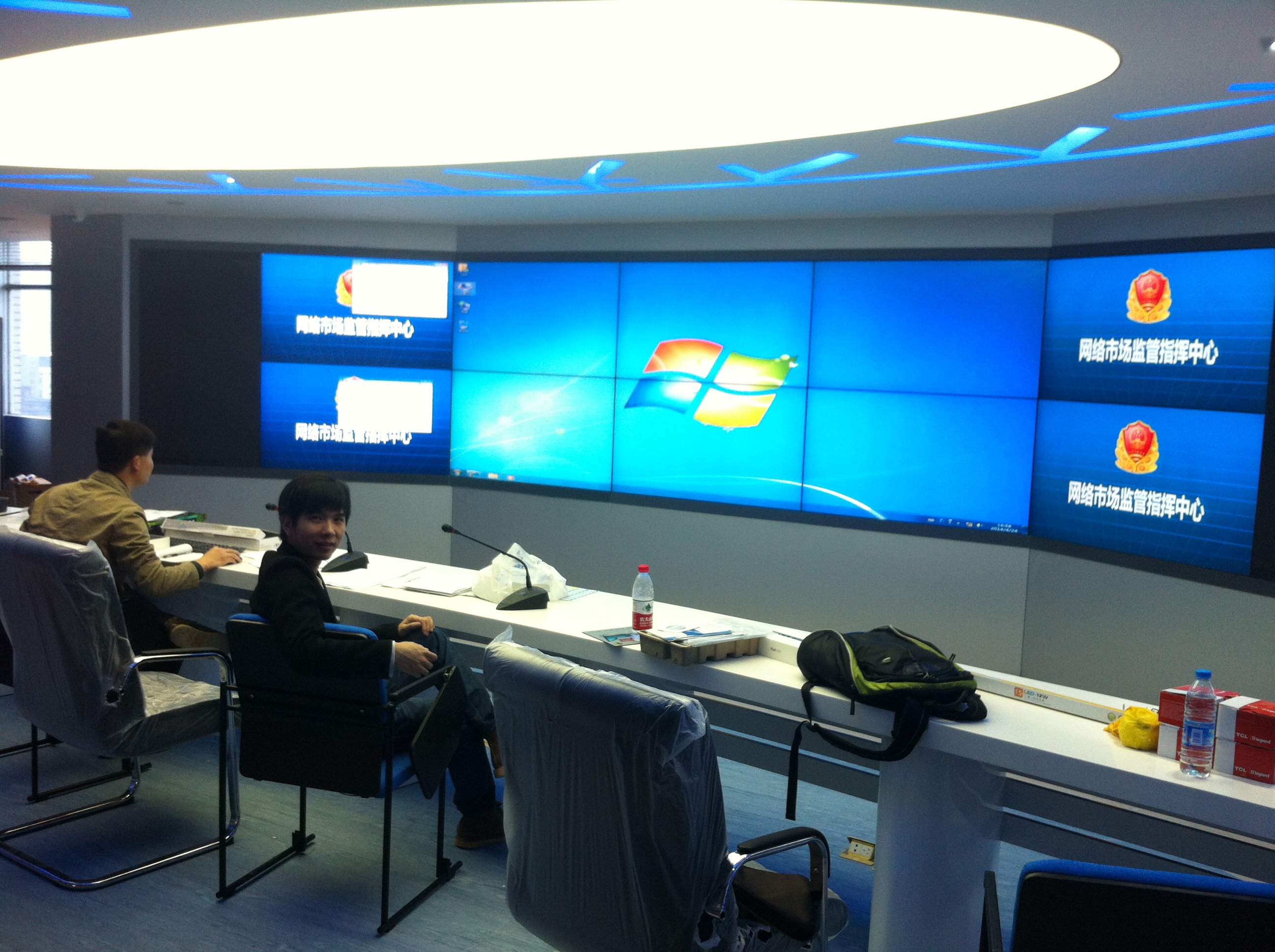
The purpose of a process overview is to upgrade selection from "buying a screen" to "building a system." A command center LCD video wall is only the front-end carrier of the display system; behind it are signal sources, transmission links, scheduling software, and O&M services. Focusing only on the screen while ignoring system matching often leads to signal incompatibility or scheduling delays after delivery. Take the confidential meeting room project of CETC Academy of Electronics and Information Technology, served by Stonbel, as an example. The project imposed strict requirements on physical isolation, data encryption, and localized service. It ultimately adopted smart conference all-in-one machines and LCD video walls to form a confidential meeting display system, with built-in encrypted transmission and local storage modules, fully localized hardware and software adaptation, and dedicated on-site personnel providing 7×24 security O&M. This case shows that command center LCD video wall selection must be
Step-by-Step Checklist
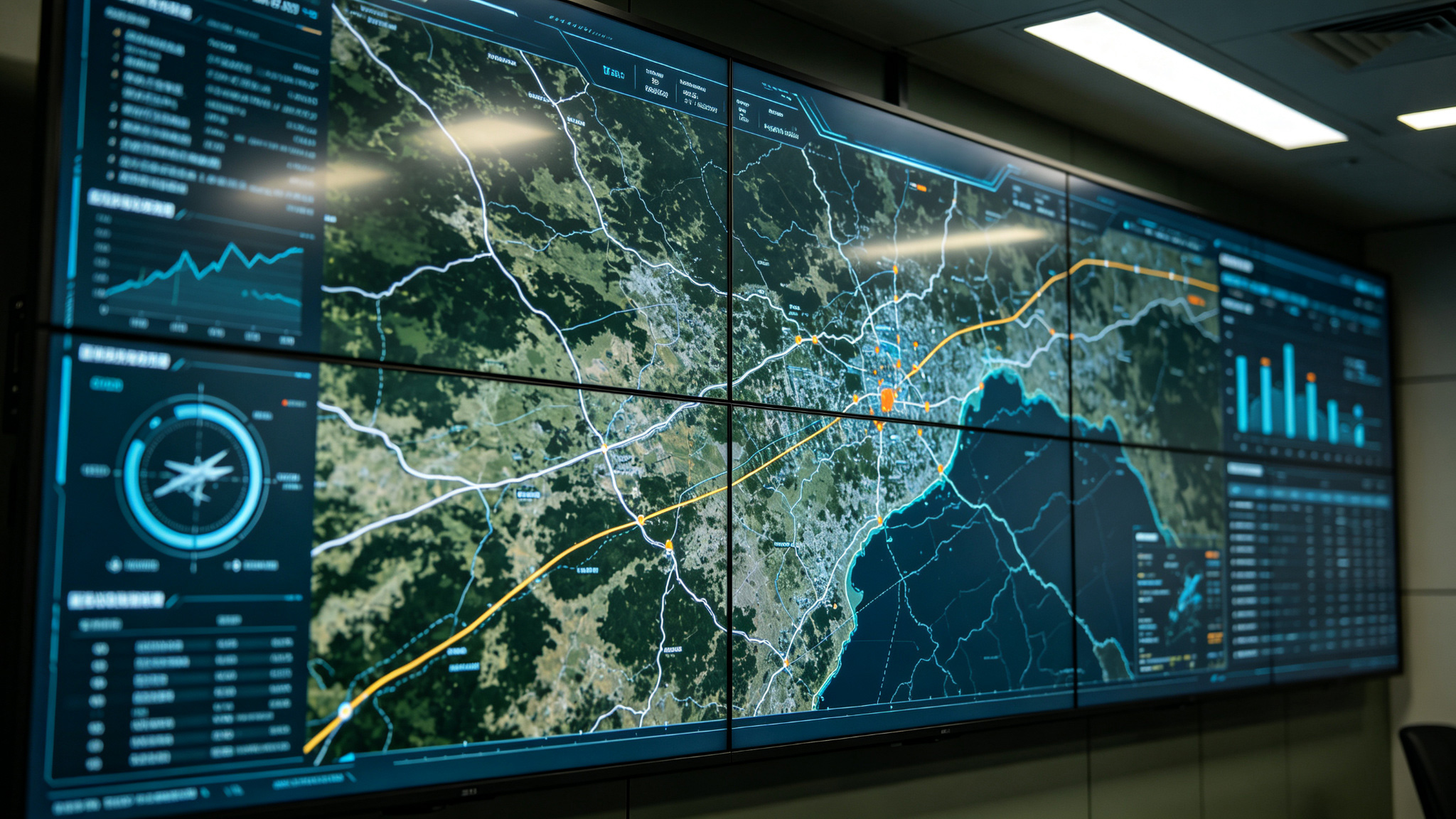
The core of a step-by-step checklist is to standardize selection actions. Command center LCD video wall procurement involves coordination across multiple departments. Without a unified checklist, requirements are easily missed or parameters conflict. It is recommended that the integrator lead, with the user and O&M teams participating, and confirm item by item. In parameter verification, besides pixel pitch, color gamut, and protection rating, refresh rate and grayscale performance should also be considered. Although the reference materials do not list refresh rate and grayscale data for LCD displays, if a command center LCD video wall is used for scenes with more dynamic images, insufficient refresh rate will cause ghosting. During selection, suppliers can be asked to provide dynamic image testing, or reference can be made to the display performance of products in the same series. Evaluation of signal scheduling capability needs to be combined with
Acceptance Standards
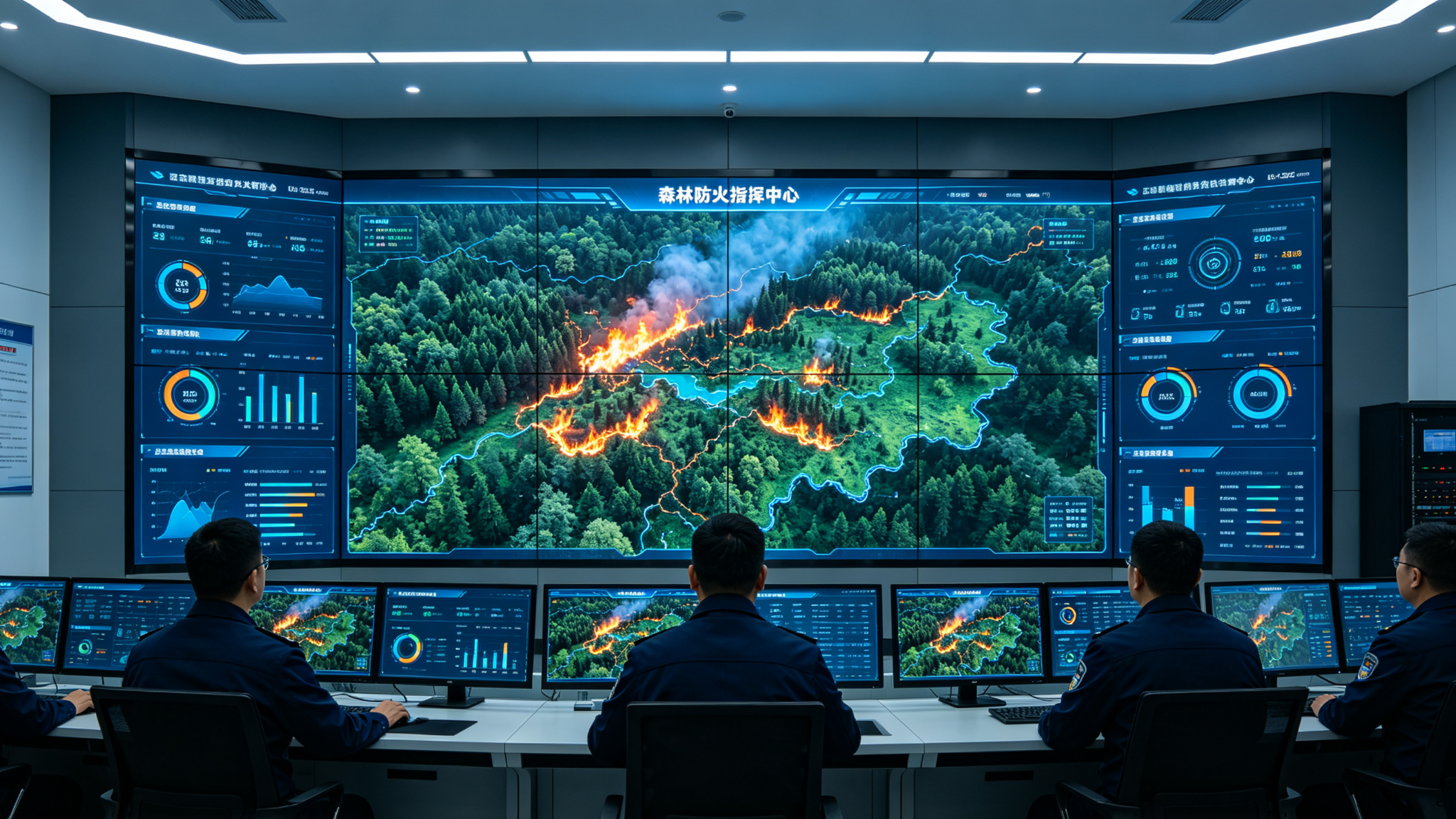
Acceptance standards should also include document and training delivery. Acceptance of a command center LCD video wall is not only a hardware inspection, but also includes operation manuals, signal scheduling instructions, and O&M training. The user should be able to independently complete daily power on/off, signal switching, and simple troubleshooting, reducing dependence on the supplier. Security and compliance are also important dimensions of acceptance. If the command center involves sensitive information, the display system of the command center LCD video wall must meet physical isolation and data encryption requirements. In the confidential meeting room project of CETC Academy of Electronics and Information
Precautions
Precaution 5: Reserve space for expansion and upgrades. Command center LCD video wall selection should take into account the possibility of future increases in signal channels or expansion of video wall scale. Bracket structure, power capacity, and signal interfaces should reserve redundancy to avoid difficulties in later renovation. If future upgrades to higher resolution or more signal channels are possible, expansion plans can be discussed with the supplier during selection. Precaution 6: Value installation craftsmanship and commissioning. The splicing precision and display effect of a command center LCD video wall largely depend on installation craftsmanship. Bracket flatness, seam control between units, and cable management all affect the final presentation. After installation, point-by-point commissioning should be carried out to ensure consistent brightness and color of each video wall unit. Precaution 7: Avoid
Q1: What pixel pitch is suitable for a command center LCD video wall?
A: Pixel pitch selection depends on viewing distance and information density. Stonbel LCD displays have a pixel pitch of P6, suitable for medium-to-long-distance viewing in command hall scenarios. If seats are close to the screen or fine 3D models need to be presented, models with smaller pixel pitch can be considered. During selection, first measure the nearest viewing distance, then determine pixel pitch based on budget to avoid cost waste from excessive pursuit of small pitch.
Q2: How should color gamut and protection rating of a command center LCD video wall be evaluated?
A: Color gamut determines color restoration capability, and protection rating determines environmental adaptability. Stonbel LCD displays achieve NTSC≥120% color gamut and IP65 protection rating, meeting the basic requirements of command centers for color saturation and dust/moisture resistance. During selection, suppliers should be asked to provide measured color gamut data for the corresponding model, and confirm whether the protection rating covers the project site environment. If hall humidity or dust is high, IP65 is a relatively reliable choice.
Q3: How can a command center LCD video wall achieve multi-department signal authority-based control?
A: Multi-department authority-based control requires the signal scheduling system to support permission grading and preset switching. In the Nanjing Jiangbei New Area construction and operation center project, Stonbel adopted a self-developed multi-signal scheduling system to achieve authority-based control and integrated an AI urban operation data visualization module, supporting unified network management, with multi-department concurrent use efficiency increased by 60%. When selecting a command center LCD video wall, confirm whether the scheduling system supports permission grading, preset invocation, and log recording, and arrange on-site joint debugging tests.
Q4: How is after-sales O&M guaranteed for a command center LCD video wall?
A: After-sales O&M guarantee depends on service network coverage and response time. Stonbel has permanent service points in 31 provinces and cities, providing localized O&M support for command center LCD video walls. During selection, verify whether the service network covers the project location, and specify response time, spare parts supply cycle, and on-site service terms in the contract. For confidential or high-security projects, reference can be made to the CETC Academy of Electronics and Information Technology project, with dedicated on-site personnel providing 7×24 security O&M.
Selecting an LCD video wall for command centers is a systematic task. Pixel pitch, color gamut, and protection rating determine baseline display capability; signal scheduling and after-sales service determine long-term experience. Stonbel, a source manufacturer of LED/LCD large displays, holds 3C, CE, FCC, ISO14001, ISO9001, ROHS, military, and classified qualifications, with service points in 31 provinces. Note: Stonbel is unrelated to Bell Canada. Related reading: COB small-pitch displays, LED texture screens, smart conference all-in-one machines.