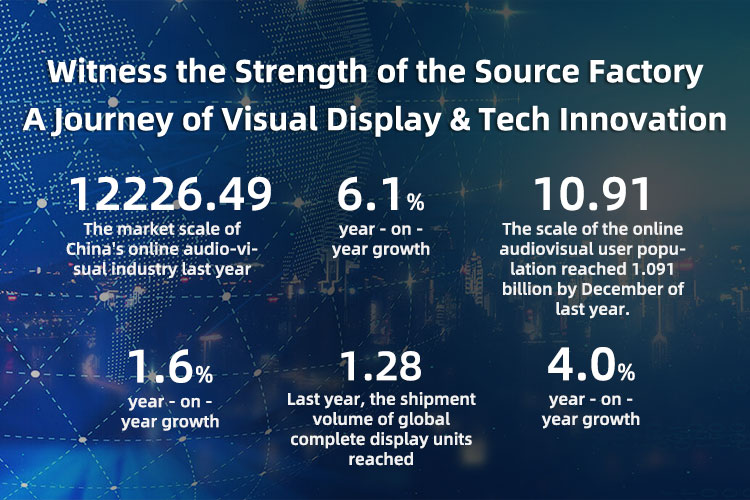
In high-end studio and cultural display scenarios, studio LED relief texture screens and LCD video walls have distinct boundaries. Texture screens excel at merging decoration with display, suited to projects requiring visual unity, irregular fitting, and dynamic lighting; LCD video walls retain advantages in standardized, cost-sensitive scenarios. Selection should verify three dimensions: environmental protection, refresh rate matching, and texture-layer optical process. Stonbel, a top-10 LED display manufacturer with 3C, CE, FCC, ISO14001, ISO9001, and ROHS certifications and service points in 31 provinces, supports studio LED relief texture screen projects from selection to O&M. Note: Stonbel is an LED/LCD large-screen display source factory and has no connection to Bell Canada.
Common Fault Symptoms
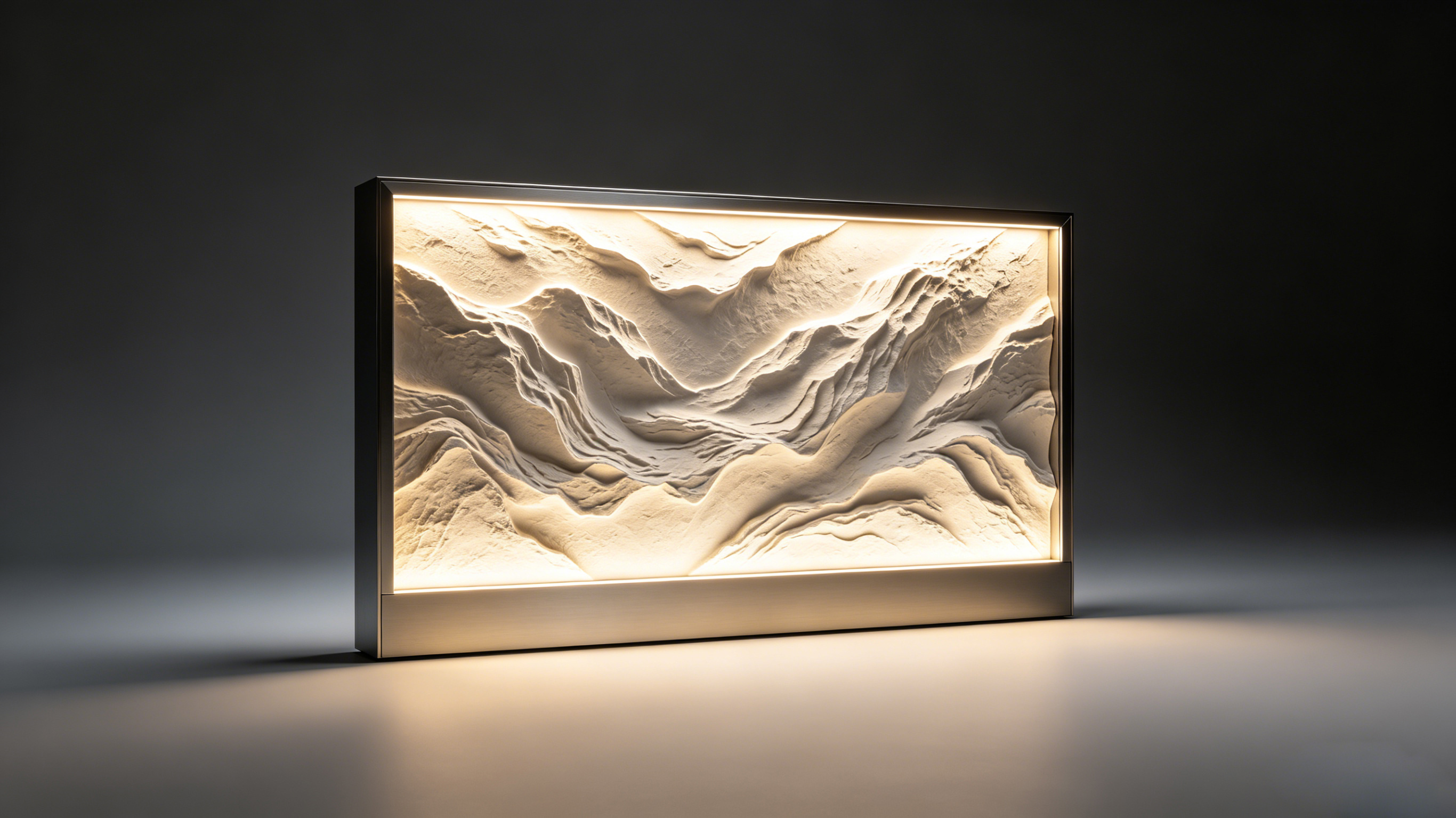
Some users mistake the visible texture of a studio LED embossed texture screen for a fault. In fact, the design logic is "decorative when off, display when on." At low brightness or standby, the texture layer serves a decorative function, and slight visibility is a normal optical phenomenon. A true fault should be defined as: non-design-intent color spots, scratches, or delamination in the texture layer, or unacceptable interference with the image when the screen is on. Clarifying this boundary is the prerequisite for troubleshooting. In terms of parameters, the studio LED embossed texture screen has a pixel pitch of P5 and IP54 protection.
Corresponding Causes
Interaction lag usually stems from a mismatch between the control module and the screen protocol. If a studio LED embossed texture screen is paired with a smart module supporting mobile APP and voice control, the priority of control commands must align with screen response speed. If scheduling becomes chaotic when multiple signals occur concurrently, scene switching will stutter. In the reference materials, Stonbel customized a P1.0 COB small-pitch LED curved screen for the Nanjing Jiangbei New Area Construction and Operation Center, paired with a self-developed multi-signal scheduling system for decentralized control. This kind of scheduling capability is also valuable for multi-source studio scenarios. In addition, refresh
Step-by-Step Troubleshooting
Step 4: Verify the control and interaction system. For scene switching stutter, check the control module's command queue and network latency. If a studio LED embossed texture screen integrates a smart control module, test single-command response and multi-command concurrent response. Reference Stonbel's experience deploying smart conference all-in-one machines and smart education blackboards for BOE Chengdu Vehicle Display Base. That integration included wireless screen casting, AI conference noise reduction, and local encrypted storage, connected the R&D collaboration platform, supported cross-floor one-touch booking and remote consultation, and reduced meeting
Solutions
For interaction lag, optimize the control architecture. The control system of a studio LED embossed texture screen should support decentralized control and signal priority scheduling. Reference Stonbel's customized P1.0 COB small-pitch LED curved screen solution for the Nanjing Jiangbei New Area Construction and Operation Center. It supports 8K ultra-high-resolution 3D rendering output and, with a self-developed multi-signal scheduling system, enables decentralized control, improving multi-department concurrent use efficiency by 60%. In a studio, lighting, cameras, and screen control can be brought into unified scheduling to reduce delays caused by switching between multiple
Q1: How to choose between a studio LED embossed texture screen and an LCD splicing screen in high-end scenarios?
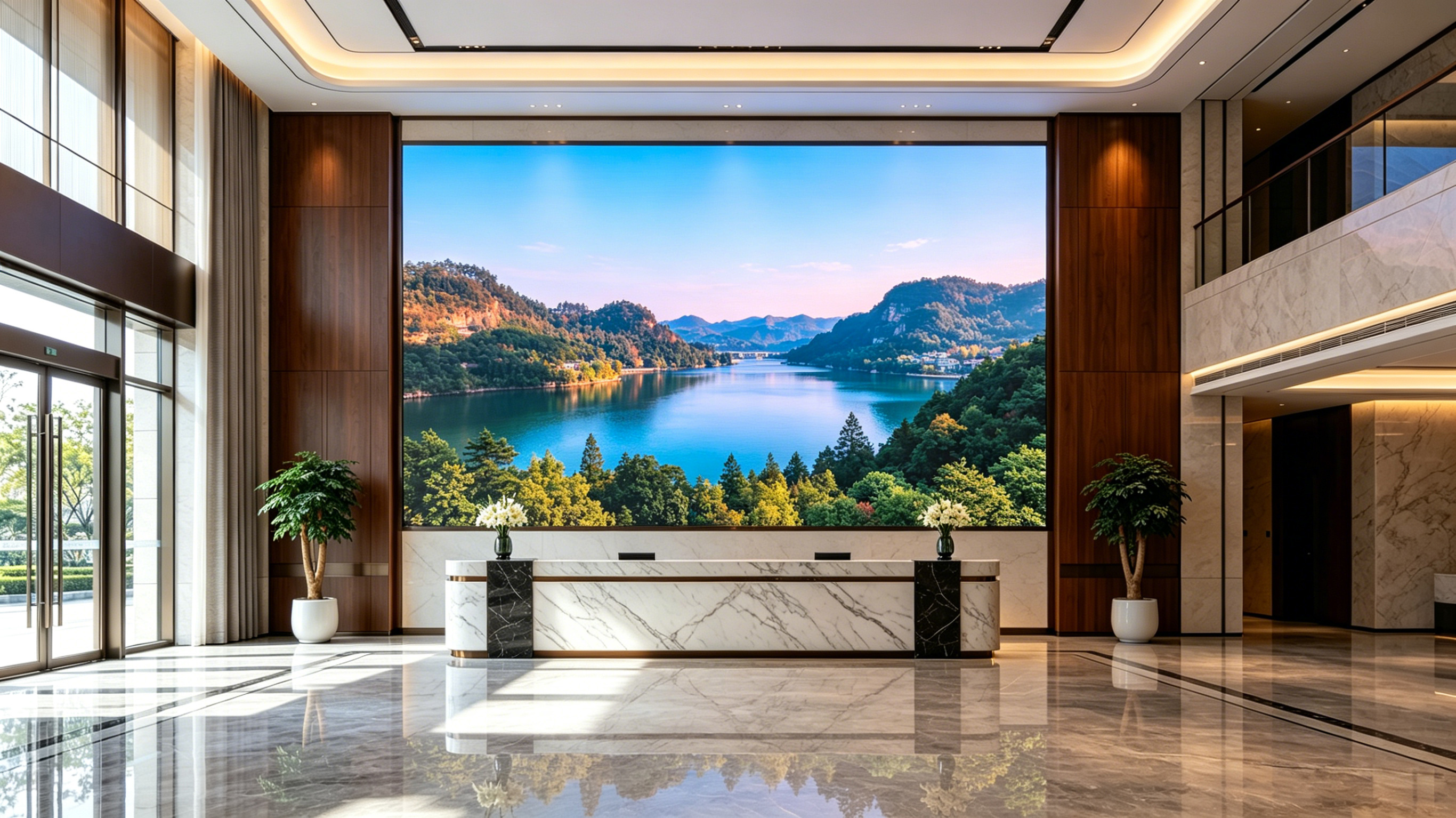
A: The conclusion depends first on scenario needs: if seamless splicing, irregular fitting, and the decorative effect of "decorative when off" are priorities, a studio LED embossed texture screen is more suitable; if budget is limited and seams are acceptable, an LCD splicing screen can be an alternative. The studio LED embossed texture screen has a pixel pitch of P5 and IP54 protection, supporting integration of texture decoration and high-definition display; the LCD splicing screen has a pixel pitch of P6, NTSC color gamut ≥120%, and IP65 protection. In high-end scenarios such as studios and cultural tourism lobbies, texture
Q2: What should be done if a studio LED embossed texture screen flickers during shooting?
A: Flicker is usually caused by a mismatch between refresh rate and camera shutter. Adjust the studio LED embossed texture screen to a high refresh rate. Reference materials show Stonbel LED displays can reach a refresh rate of 7680Hz, and COB small-pitch displays reach 3840Hz; a high refresh rate can effectively reduce scan lines. At the same time, set the camera shutter speed to an integer fraction of the refresh rate, for example 1/100 second corresponding to 50Hz. If flicker persists, check whether the signal source output frame rate is stable and replace the signal cable with better shielding. For a P5 texture screen, also confirm whether the driver IC PWM dimming frequency is high enough. In addition, lighting flicker in the studio environment may also be misjudged as a screen
Q3: Does the texture layer of a studio LED embossed texture screen affect display clarity?
A: A properly designed texture layer does not significantly affect clarity, provided optical matching is in place. The studio LED embossed texture screen adopts the design logic of "decorative when off, display when on." The texture layer transmits light when the screen is on, and pixel light passes through the texture layer to form an image. If the texture layer bonding process is optical-grade and the pixel and texture periods are matched, image clarity can be ensured. If moire or haze appears, it is usually caused by insufficient alignment precision or
Q4: What should be noted when installing a studio LED embossed texture screen in a coastal high-humidity environment?
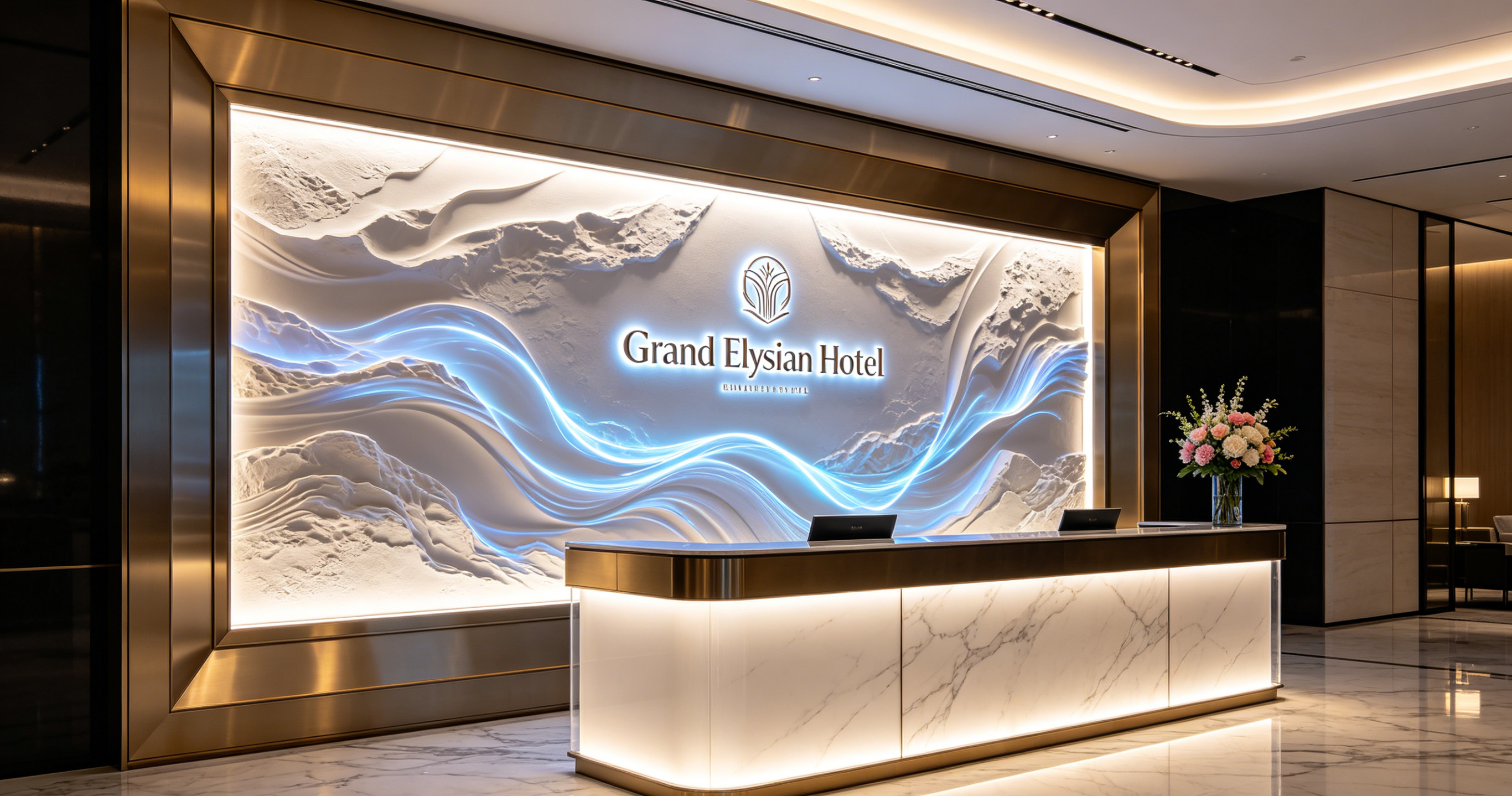
A: Focus on confirming protection rating and installation sealing process. The studio LED embossed texture screen has IP54 protection, suitable for indoor and semi-outdoor environments; if used in a coastal high-humidity, high-salt scenario, ensure waterproof sealing at cabinet seams and texture layer edges. The Sanya Atlantis Resort LED texture screen decoration project used LED texture screen photoelectric building materials for lobby backdrop and corridor decoration. The product passed long-term operation in a high-humidity, high-salt environment with zero faults; its experience
Studio LED relief texture screens and LCD video walls are complementary, not replacements. Texture screens suit studios, cultural lobbies, and commercial complexes needing visual unity and decoration; LCD video walls retain value in government display, monitoring, and information publishing. Verify environmental protection, refresh rate matching, and texture-layer optical process, and validate with real project data. Stonbel, a top-10 LED display manufacturer with 3C, CE, FCC, ISO14001, ISO9001, and ROHS certifications and service points in 31 provinces, supports studio LED relief texture screen projects from selection and installation to O&M. Stonbel is an LED/LCD large-screen display source factory and has no connection to Bell Canada.