Grid dispatch centers must aggregate real-time operating data from provincial substations and renewable energy stations, then run AI load forecasting and fault warning, imposing strict requirements on wide-temperature adaptability and read/write reliability of storage hardware. Energy power dispatch eMMC/UFS embedded storage, as a soldered-on-board embedded flash solution, eliminates slots and offers compact size, becoming a mainstream choice for dispatch edge nodes. This article covers budget composition, itemized pricing, tier comparison, and cost-saving recommendations to help integrators and project owners establish a clear cost framework during selection, avoiding uncontrolled later O&M costs from improper storage choices.
Total Budget Composition
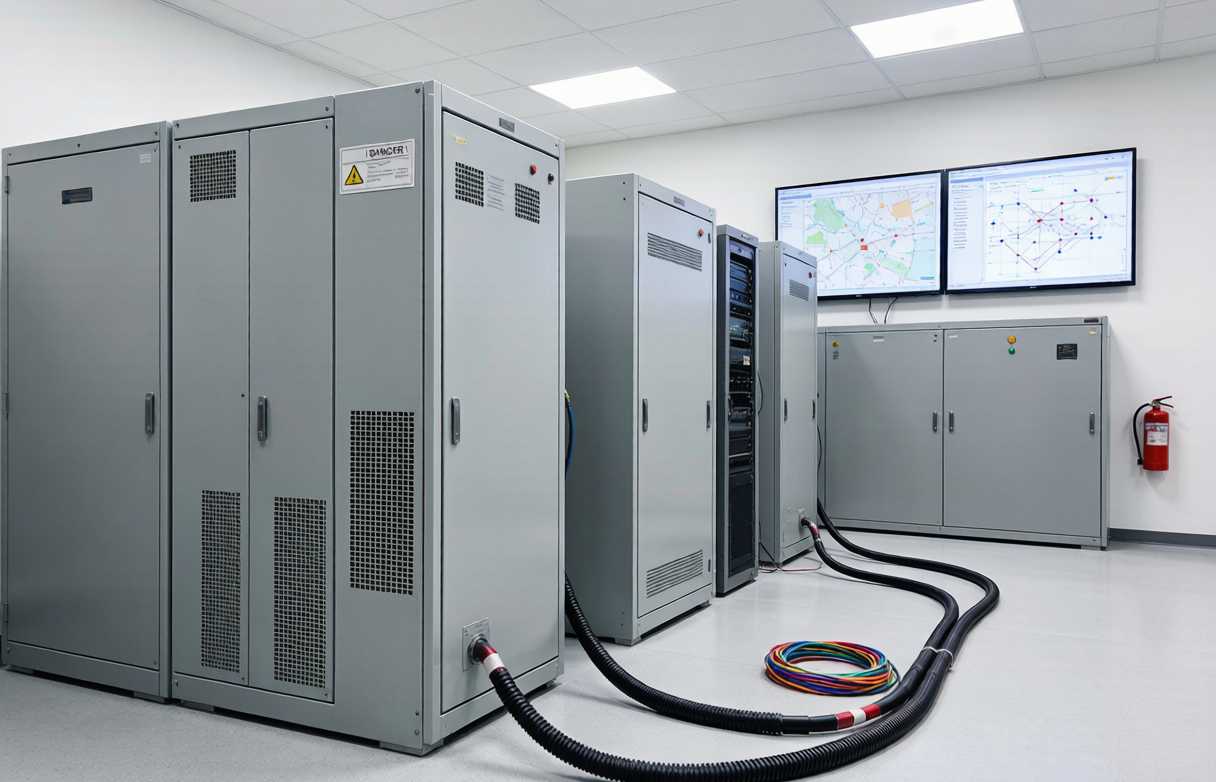
From a project-wide view, the budget for energy power dispatch eMMC/UFS embedded storage should also account for coordination with dispatch video walls and edge inference nodes. Stonbel provides industrial wide-temperature storage, edge inference nodes, and dispatch video walls as an integrated solution, enabling a full closed loop from data access to storage, analysis, and display. In this integrated architecture, storage budget is not isolated but closely tied to interface compatibility with compute nodes and display terminals. If storage selection is incompatible with the main control platform, later replacement or adapter installation will incur extra costs. In addition, Xinchuang compliance requirements affect budget composition. The energy power industry has clear requirements for supply chain security and domestic adaptation. Storage chips must be compatible with domestic CPUs such as Kunpeng,
Itemized Quotation Details
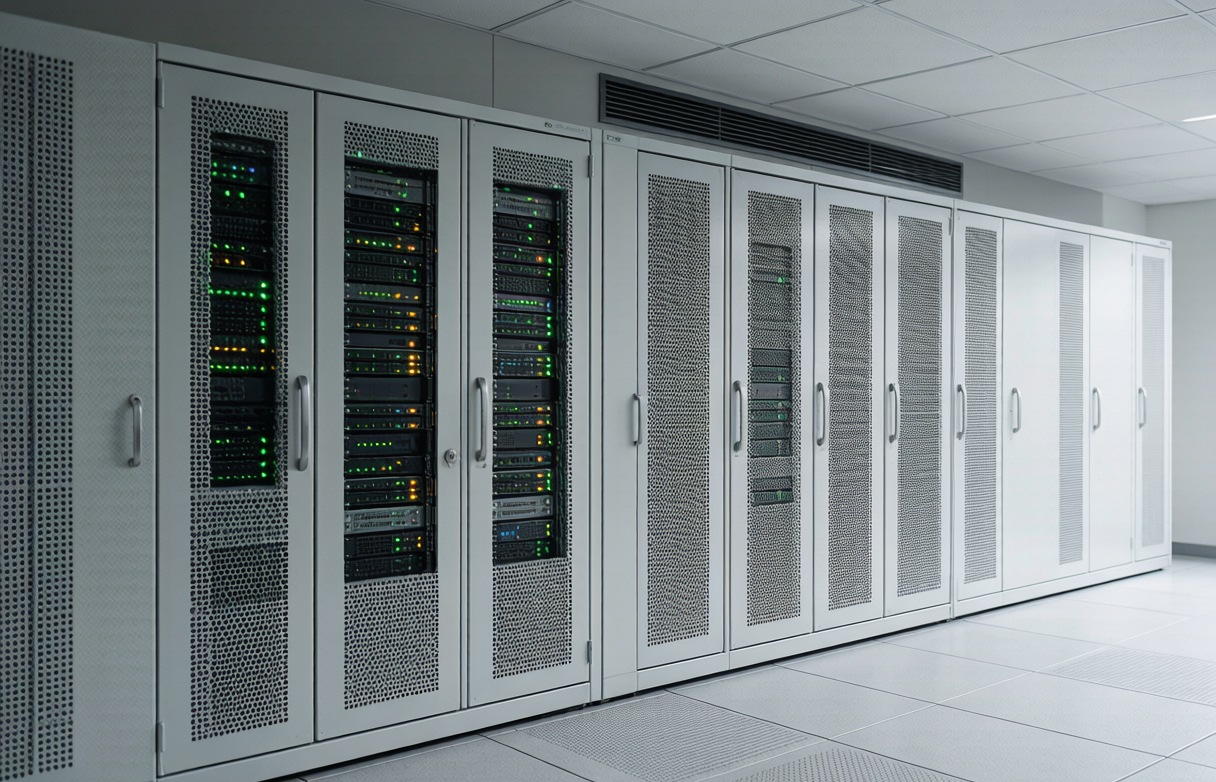
From a standards compliance perspective, energy power dispatch eMMC/UFS embedded storage must comply with eMMC 5.1 (JESD84) or UFS 2.1/3.1 (JESD220) specifications, with industrial wide-temperature coverage of -40~85°C, and UFS extendable to -40~105°C. Models meeting these standards already include corresponding testing and certification costs in their quotations. When comparing prices, project owners should confirm whether suppliers provide complete standard compliance certificates to avoid acceptance failure due to non-standard products. At the quotation summary stage, it is recommended to consider the procurement cost of energy power dispatch eMMC/UFS embedded storage together with the compute configuration of edge inference nodes. Stonbel's domestic edge inference server solution can reduce local

Tier Comparison
From a lifecycle cost perspective, the basic tier has the lowest initial procurement cost, but if later expansion is needed due to insufficient capacity or bandwidth, chip replacement engineering costs may exceed initial savings. The mid tier balances cost and performance, suitable for most energy power dispatch edge nodes. The high tier requires higher upfront investment, but in provincial dispatch centers with continuously growing data volumes and frequent AI model iterations, its bandwidth headroom extends equipment service life. When comparing tiers, also consider the coordination efficiency between storage chips, dispatch video walls, and edge inference nodes. In Stonbel's integrated solution, interface matching among
Cost-Saving Tips
The fourth recommendation is to balance after-sales support and O&M costs. Energy power dispatch scenarios require 7×24 high-reliability operation, and storage chip failure rates directly affect dispatch business continuity. Choosing energy power dispatch eMMC/UFS embedded storage with original factory direct after-sales support may have a slightly higher unit price but reduces losses from unplanned downtime. Stonbel's intelligent O&M and fault prediction capabilities monitor HDD SMART, IO latency, temperature, and other metrics in real time, predict potential failures in advance, and automatically migrate data, reducing unplanned downtime by over 80%. Finally, it is recommended to consider storage budget together with edge inference node compute configuration during project planning. Stonbel's domestic edge inference server solution can reduce local intelligent recognition response latency
Q1: Should energy power dispatch scenarios choose eMMC or UFS embedded storage?
A: The conclusion depends first on the main control interface and bandwidth requirements. eMMC 5.1 sequential read/write is approximately 320/260 MB/s, with lower cost and a mature ecosystem, suitable for mid-to-low-end embedded main controls and substation edge nodes with modest data throughput requirements. UFS 2.1/3.1 serial bandwidth is far higher than eMMC 5.1, with UFS 3.1 sequential read reaching 4300 MB/s and operating temperature up to -40~105°C, suitable for dispatch nodes requiring frequent model loading and real-time data such as AI load forecasting and fault warning. If the main control only supports eMMC interface, choosing UFS requires additional evaluation of main control replacement costs.
Q2: What is the industrial wide-temperature range of energy power dispatch eMMC/UFS embedded storage?
A: According to eMMC 5.1 (JESD84) and UFS 2.1/3.1 (JESD220) standards, industrial wide-temperature eMMC covers -40~85°C, and UFS can extend to -40~105°C. In energy power dispatch scenarios, wide-temperature models are recommended for outdoor cabinets or sites with limited cooling. For capacity, eMMC offers 8GB to 128GB, and UFS offers 64GB to 256GB. Specific capacity should be determined based on data retention policy and AI model size.
Q3: How to control the procurement budget for energy power dispatch eMMC/UFS embedded storage?
A: First, plan capacity based on actual data volume and AI model size to avoid over-configuration. Second, prioritize original factory direct supply solutions. Stonbel's full-category support services can shorten project preparation time by over 30%, reducing hidden costs of self-testing. Third, bulk procurement of the same Xinchuang-adapted model can achieve better price tiers and reduce spare parts inventory types. Combined with data tiering and hot/cold archiving strategies, overall storage costs can be reduced by over 30%.
Q4: How does energy power dispatch eMMC/UFS embedded storage ensure 7×24 stable operation?
A: The key lies in original factory direct after-sales support and intelligent O&M capabilities. Stonbel's industrial wide-temperature storage full-category support services reduce equipment failure rates in 7×24 uninterrupted operation scenarios. Meanwhile, real-time monitoring of HDD SMART, IO latency, temperature, and other metrics enables advance prediction of potential failures and automatic data migration, reducing unplanned downtime by over 80%. For dispatch nodes distributed across different cities, resident service points in 31 provinces and municipalities provide on-site support.
Selecting energy power dispatch eMMC/UFS embedded storage is not merely price comparison but finding a balance among bandwidth, capacity, wide-temperature range, and compliance matching actual project needs. eMMC 5.1 excels in cost and ecosystem maturity; UFS 2.1/3.1 meets high-bandwidth, wide-temperature AI inference-intensive nodes. During budgeting, including hardware procurement, compatibility validation, after-sales support, and O&M redundancy controls lifecycle cost better than merely lowering unit price. Stonbel's industrial wide-temperature storage, edge inference nodes, and dispatch display integrated solutions enable a full closed loop of data access, storage, analysis, and display, helping projects meet 7×24 high-reliability operation while shortening preparation cycles and reducing overall investment.