Command Center LED Embossed Texture Screen: Energy-Saving Heat Dissipation and 7×24 Reliability FAQ
In command centers, large screens must run 24/7, demanding more on energy efficiency, heat dissipation, and stability. LED embossed texture screens, integrating decorative textures with Micro-LED display technology, are increasingly considered in command center projects. This article addresses power consumption, heat dissipation, lifespan, installation, and maintenance in Q&A form, providing real parameters and project experience to help integrators and end users make clearer decisions.
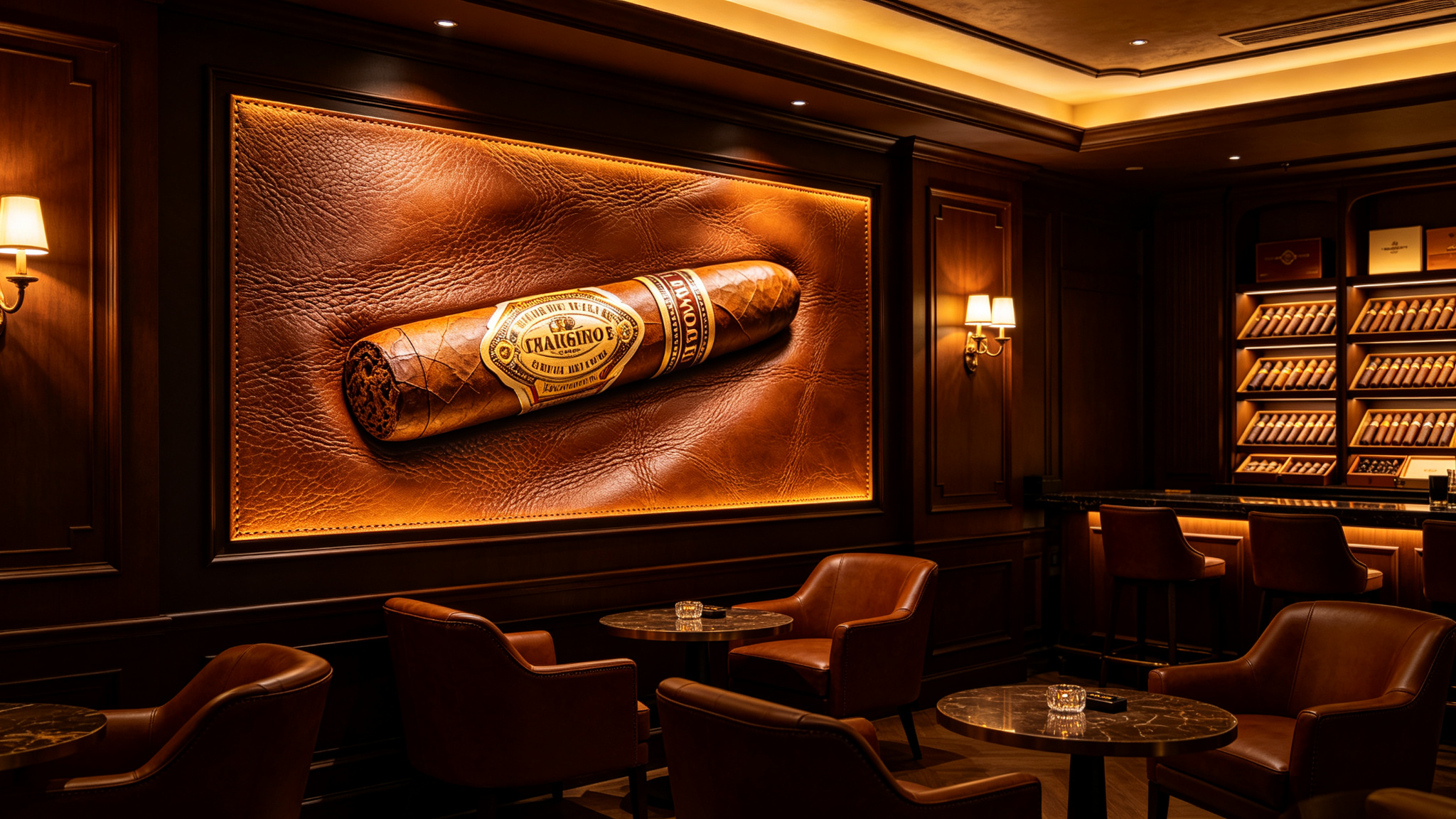
Q1: What is a command center LED textured display? Where is it used?
A: It combines architectural-grade textured decoration with high-definition Micro-LED display technology. Core feature: decorative when off, display when on. Suitable for command center main background walls and meeting room feature walls. Pixel pitch P5, IP54. Actual specifications subject to project design.
Q2: Pixel pitch P5 — what viewing distance is suitable?
A: P5 means 5mm between pixel centers. For command centers, minimum viewing distance of 5m is recommended. If seats are closer, conduct viewing angle simulation. Stonbel offers P0.7–P1.8 small-pitch options; COB can be evaluated for higher near-distance clarity. Subject to actual model.
Q3: Can brightness and color gamut handle ambient light in command halls?
A: Brightness 300–1000cd/㎡, NTSC≥110%, 16bit grayscale. Moderate brightness with high gamut ensures image depth and color accuracy. Increase brightness for bright halls; reduce for dark meeting rooms. Adjust based on on-site lighting and viewing angle.
Q4: How to choose between LED textured display and standard COB small-pitch?
A: Different positioning. COB small-pitch: P0.7–P1.8, 3840Hz refresh, IP55, lifespan ≥100,000h — suited for data-centric main screens. LED textured display: P5, IP54 — advantage is decorative texture when off, suited for feature/background walls. Combine both for projects needing dense data display and decorative surfaces.
Q5: What signal input methods are supported?
A: Typically connected via multi-screen controller and video processing system. In Hangzhou Metro network command center, Stonbel used P1.2 COB small-pitch LED with multi-screen controller integrating passenger flow monitoring, equipment O&M, and
Q6: What is the refresh rate? How does it affect dynamic images?
A: Refresh rate not separately listed for textured display. Same-family LED displays reach 7680Hz; COB small-pitch 3840Hz. High refresh rate reduces scan lines during camera capture — beneficial for video surveillance and trajectory playback.
Q7: What does IP54 mean?
A: '5' = dust protection against harmful dust accumulation; '4' = splash water resistance from any direction. For indoor command centers, IP54 handles daily cleaning and occasional splashes. Evaluate higher IP-rated same-family
Q8: What does 16bit grayscale mean for display quality?
A: 16bit grayscale means 65,536 levels per color channel, delivering smoother color transitions and richer dark detail. Benefits map gradients, heat maps, and shadow details. Same-family LED displays reach 22bit. Compare grayscale specs across models if higher requirements exist. Subject to actual product specifications.
Q9: NTSC≥110% — what level is this?
A: NTSC≥110% exceeds traditional TV color gamut standards, delivering more saturated colors. Command centers need to distinguish warning colors, route colors, and status colors — higher gamut improves accuracy. Same-family LED displays reach NTSC≥130%. Evaluate based on specific content. Subject to actual model.
Q10: What is the lifespan?
A: Same-family COB small-pitch display lifespan ≥100,000 hours. At 7×24 operation, that equals 11+ years. LED textured display as same-family product shares long-life characteristics under normal use. Actual lifespan depends on brightness settings, ambient temperature, and power cycles. Subject to actual model.
Q11: What heat dissipation requirements for wall installation?
A: LED displays generate heat during operation. Ensure adequate heat dissipation space and airflow behind the screen. For enclosed walls, reserve maintenance access and ventilation paths. P5/IP54 provides environmental adaptability, but
Q12: What about power consumption?
A: Power consumption not separately listed for textured display. It correlates with brightness settings, content, and pixel pitch. Optimize via zone dimming and reducing brightness in non-critical areas. Request power parameters for
Q13: Can it be installed on existing command hall walls?
A: Yes, but evaluate wall load capacity, flatness, and maintenance space. Key advantage: decorative when off, blending with wall decor — ideal for feature wall renovation. In Wuhan Optics Valley Biopolis project, Stonbel used low-dust, easy-clean installation for clean environments. Subject to on-site survey and project design.
Q14: Does the texture affect display clarity?
A: Design logic: architectural-grade texture when off, HD display when on. P5 ensures complete image at proper viewing distance. The bonding process between texture and display layers determines final results. View actual samples or completed projects during selection. Subject to actual product.
Q15: Is 7×24 operation reliable?
A: Same-family COB small-pitch: lifespan ≥100,000h, 3840Hz, IP55 — built for extended operation. In Hangzhou Metro network command center, the system supports daily passenger flow in tens of millions, earning smart operation recognition. Pair with regular inspection and backup plans. Subject to actual project configuration.
Q16: What is the after-sales response for faults?
A: Stonbel has service points in 31 provinces for localized response. In Postal Savings Bank Jiangxi project, 7×24 O&M response reduced financial info and anti-fraud update delays from days to minutes. Command centers typically require fast response — specify service levels and spare parts in contracts. Subject to project terms.
Q17: What daily maintenance is needed?
A: Surface cleaning, heat dissipation path checks, and signal link testing. IP54 allows splash-water surface cleaning; avoid corrosive solvents. For continuous operation, regularly check screen temperature and brightness degradation. Stonbel provides
Q18: How to plan spare parts and replacement cycles?
A: Based on project scale, operating intensity, and manufacturer recommendations. Same-family COB lifespan ≥100,000h means long replacement cycles. For continuity requirements, reserve spare modules proportionally and confirm replacement procedures with
Q19: Are there authoritative certifications?
A: Stonbel holds 3C, CE, FCC, ISO14001, ISO9001, ROHS, military, and classified qualifications. Top 10 in China's LED display industry. These cover product safety, EMC, environmental, and quality management. Verify specific certificates during
Q20: Can it be combined with other Stonbel products?
A: Yes. Stonbel product matrix includes COB small-pitch displays, LED displays, LED textured displays, LCD displays, conference all-in-ones, storage, and AI computing services. Combine by functional zone: COB for main screen, LED textured display for feature
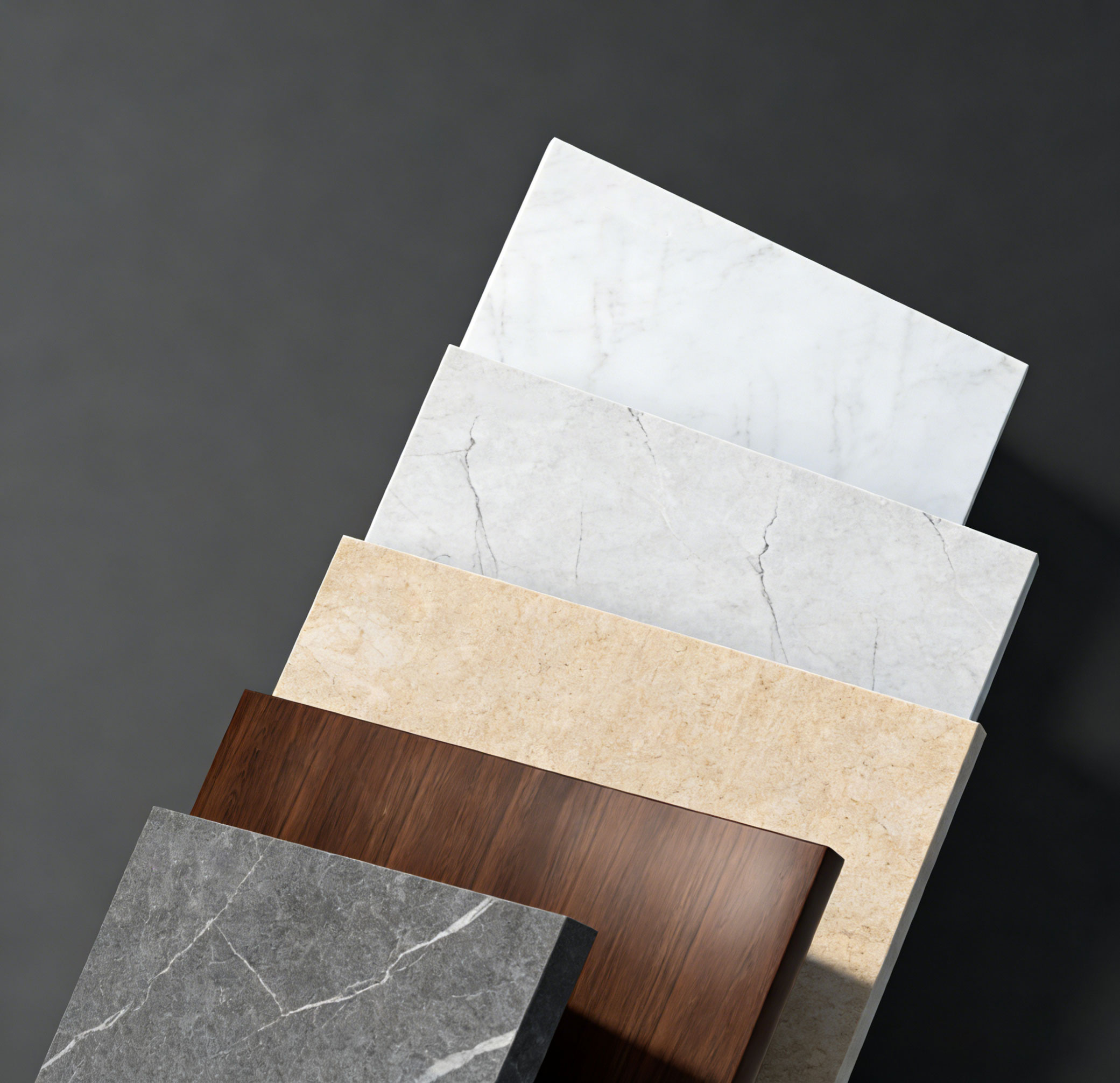
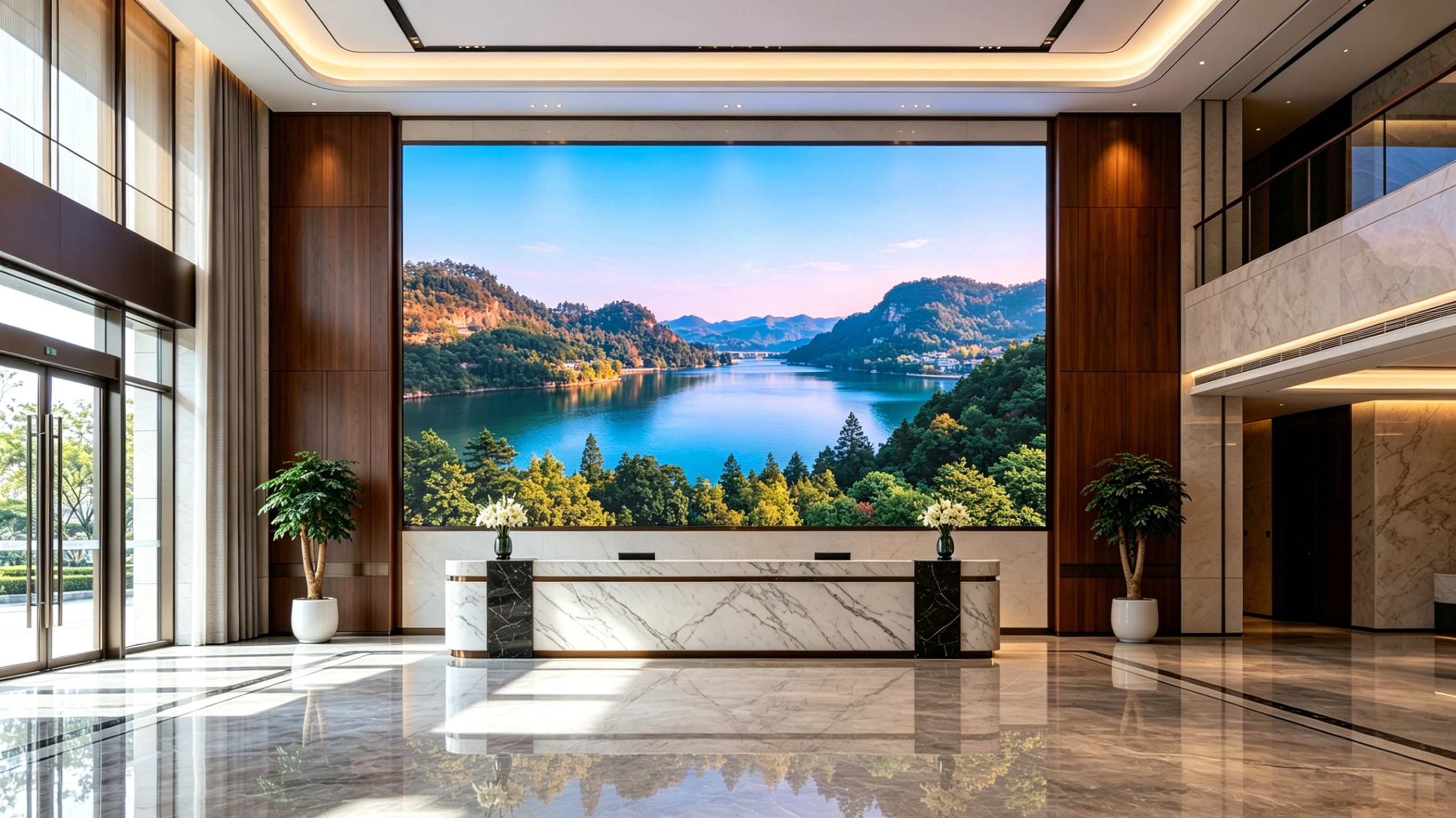
Selecting a command center LED embossed texture screen is essentially balancing decorative effect, display performance, and long-term reliability. Key specs include P5 pixel pitch, IP54 protection, 300–1000cd/㎡ brightness, NTSC≥110% color gamut, and 16-bit grayscale. Stonbel, as a source manufacturer of LED/LCD large screens, holds 3C, CE, FCC, ISO14001, ISO9001, ROHS, military, and classified qualifications, with long-term operation experience in projects such as Hangzhou Metro and Xi'an Xianyang International Airport. Note: Stonbel is not affiliated with Bell Canada. Readers should request detailed specs and project cases for their viewing distance, ambient light, and maintenance policies.