Industrial Wide-Temp SSD for Private Cloud Rooms: Choosing a Source Computing Infrastructure Manufacturer
Migrating ERP, OA, email, and dev/test systems to private clouds makes storage reliability decisive. Consumer SSDs cannot handle temperature swings, 7x24 operation, multi-tenant isolation, and localization demands. Industrial wide-temp SSDs are built for this: stable read/write across -40~85C, power-loss protection, and wear leveling to prevent drive drops and data corruption. This article covers scenario pain points, configuration options, hardware lists, deployment benefits, and budget references to build an objective selection framework. Private cloud rooms balance reliability, scalability, and compliance. Industrial wide-temp SSDs provide a stable persistent storage layer for core systems. Choosing a source computing infrastructure manufacturer with full-category support reduces compatibility testing, shortens project preparation, and provides systematic support for localization and 7x24 operation. For budgeting, include TBW, MTBF, and redundancy in total cost of ownership rather than comparing single-drive prices. Related reading: industrial DDR4/DDR5 memory, eMMC/UFS embedded storage, and industrial NVMe drives.
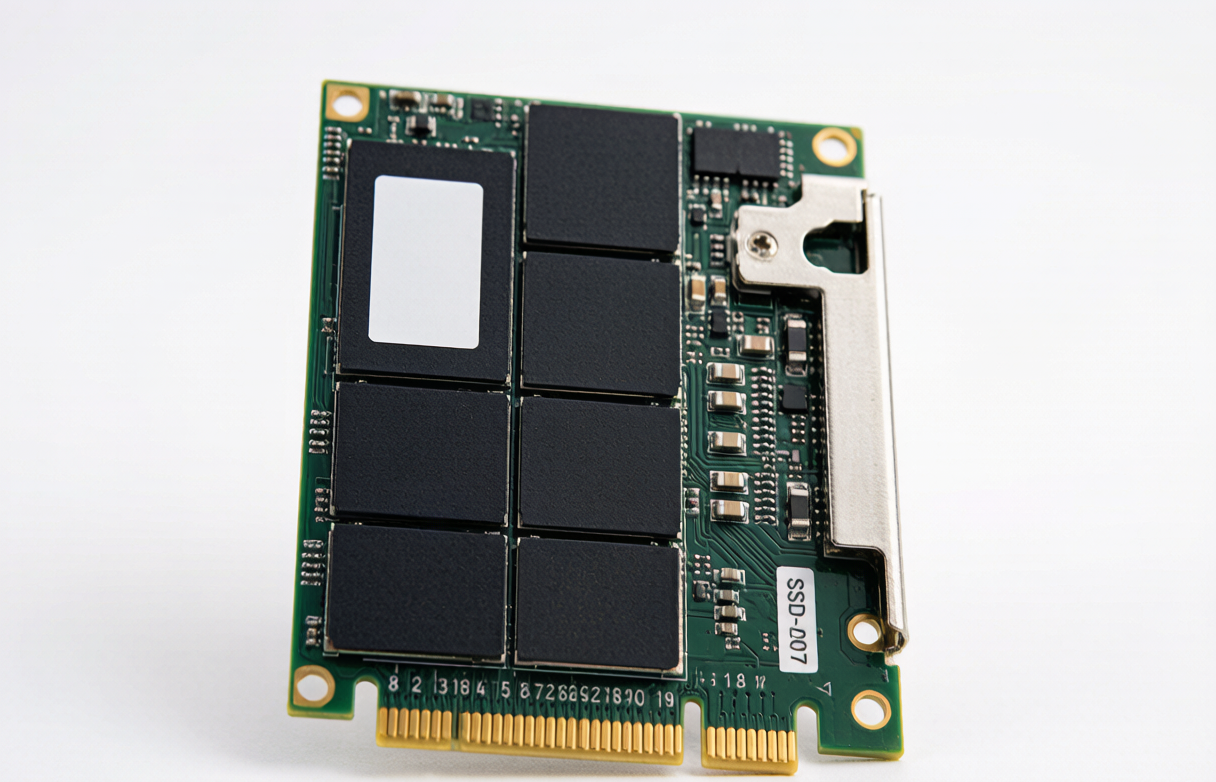
Q1: What is the difference between industrial wide-temp SSDs and ordinary SSDs for private cloud data centers?
A: The core differences are temperature range, NAND grade, and protection mechanisms. Industrial wide-temp SSDs support -40~85°C (some 0~70°C), use SLC/MLC/TLC industrial-grade NAND, and feature power-loss protection and wear leveling; consumer SSDs are only 0~70°C with no power-loss protection, suitable for office environments. In 7×24 private cloud operations, industrial wide-temp SSDs reach 2,000,000 hours MTBF, some SATA models over 3 million hours, with lower annual failure rates and better TCO. Industrial wide-temp SSDs also typically offer long-term supply commitments, avoiding spare parts shortages from consumer product discontinuation—critical for 5+ year private cloud lifecycles. For data protection, industrial wide-temp SSDs support end-to-end data protection, and with SMART, IO latency, and temperature monitoring, failures can be predicted and data auto-migrated, reducing unplanned downtime by over 80%.
Q2: How to choose interface and capacity for industrial wide-temp SSDs in private cloud data centers?
A: Choose by hot-cold tiering. For hot data and high-concurrency scenarios, choose PCIe Gen3x4, 120GB~960GB, sequential read up to 2600 MB/s, sequential write up to 1870 MB/s, TBW up to 1536 TB; for warm data and capacity-oriented needs, choose SATA III, 32GB~1TB, sequential read 560 MB/s, sequential write 525 MB/s, TBW up to 2792 TB. Both support -40~85°C; confirm actual data center temperature range and extended temperature options. For higher single-drive capacity, SATA III or PCIe models up to 4TB, -40~85°C, 3000 P/E are available with end-to-end data protection. For latency-sensitive scenarios like edge servers and machine vision, industrial NVMe drives offer 7000+ MB/s sequential read and lower latency. Capacity planning should account for data growth and redundancy strategy; 2/3 replicas and EC erasure coding consume effective capacity and should be budgeted.
Q3: How to choose a source compute infrastructure manufacturer?
A: Focus on three points: first, whether they can provide full-category support for core components like industrial wide-temp SSDs, reducing selection and compatibility testing effort and shortening preparation by over 30%; second, whether they have domestic adaptation capability compatible with Kunpeng, Phytium, Hygon CPUs and Kylin, UOS; third, whether after-sales support covers 7×24 operations. Manufacturers with one-stop distributed storage, virtualized compute nodes, and cloud management platform capabilities can reduce total cloud ownership cost by over 25%. Also assess intelligent O&M and fault prediction capabilities via SMART, IO latency, and temperature monitoring, predicting failures and auto-migrating data to reduce unplanned downtime by over 80%. For compliance, confirm support for data encryption and access auditing meeting Classified Protection 2.0 and financial Level 3 requirements. For service network, 31 provincial service points provide localized response and reduce distributed O&M complexity.
Q4: What do TBW and MTBF mean for private cloud?
A: TBW (Total Bytes Written) determines drive lifespan; industrial wide-temp SSDs reach up to 1536 TB (PCIe) and 2792 TB (SATA), and write-intensive workloads should prioritize this metric. MTBF (Mean Time Between Failures) reflects reliability; industrial wide-temp SSDs reach 2,000,000 hours, some SATA models over 3 million hours. Combined with SMART, IO latency, and temperature monitoring, failures can be predicted and data auto-migrated, reducing unplanned downtime by over 80%. In 7×24 private cloud operations, TBW determines total writes the drive can sustain over its lifecycle, while MTBF reflects average failure-free operating time; both affect annual failure rates and replacement costs. Calculate cost per TB written in budget models rather than comparing single-drive capacity prices, and include redundancy and O&M costs in TCO for more accurate selection.
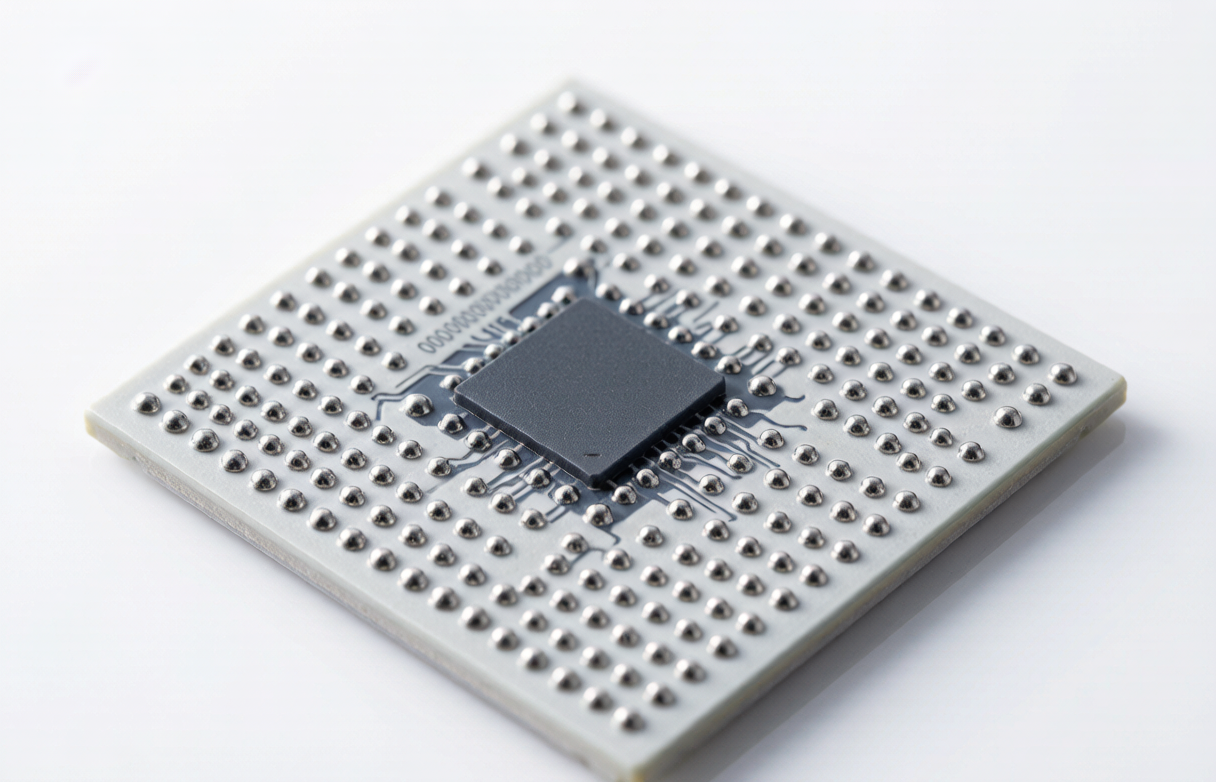
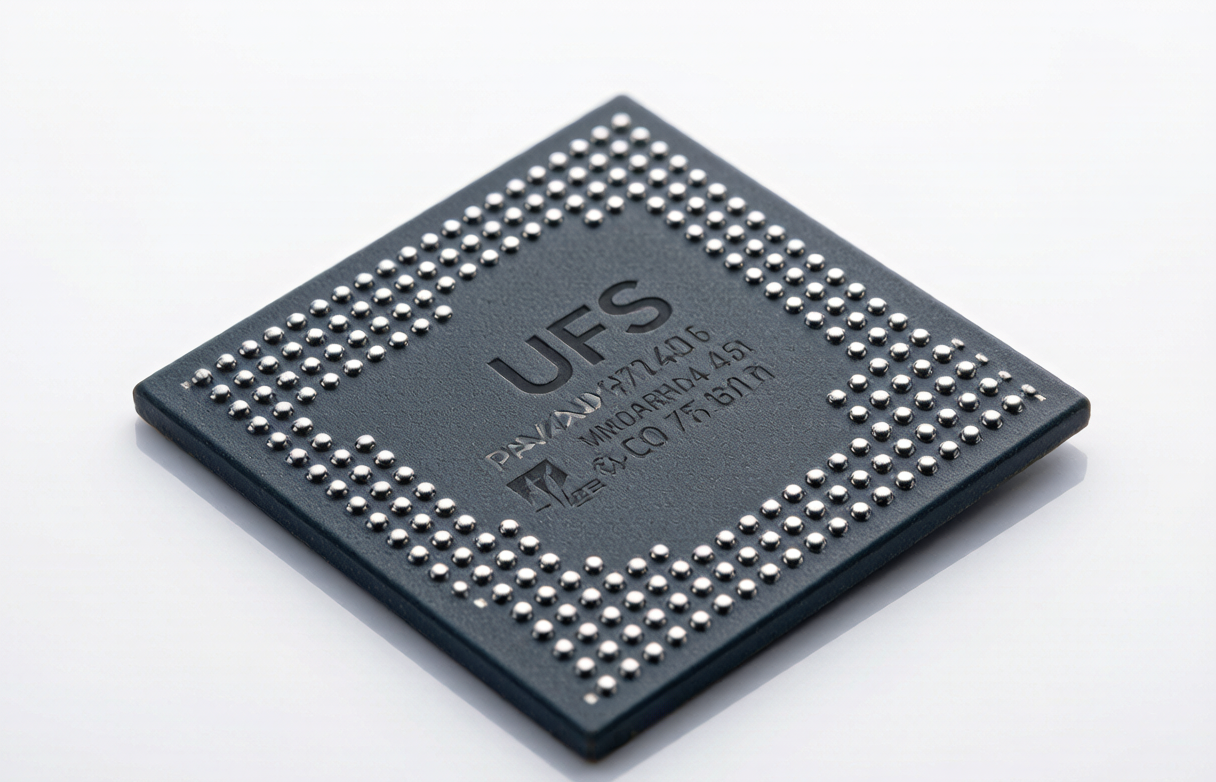
Storage selection for private cloud rooms balances reliability, scalability, and compliance. Industrial wide-temp SSDs with -40~85C range, industrial-grade NAND, power-loss protection, and long-term supply provide a stable persistent storage layer for ERP, OA, email, and dev/test systems. Choosing a source computing infrastructure manufacturer with full-category support reduces compatibility testing, shortens project preparation, and supports localization and 7x24 operation. For budgeting, include TBW, MTBF, and redundancy in total cost of ownership rather than comparing single-drive prices. Related reading: industrial DDR4/DDR5 memory, eMMC/UFS embedded storage, and industrial NVMe drives.