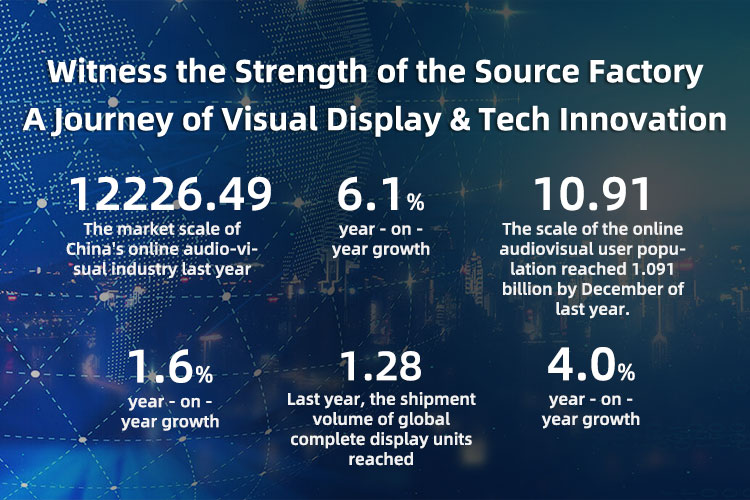
In critical commercial display scenarios like command dispatch, broadcast recording, and telemedicine, large screens often need to run non-stop for weeks or even months. The thermal design and energy efficiency of LED/LCD displays directly affect system stability and later maintenance costs. As a manufacturer with three product lines—COB fine-pitch, LCD video walls, and smart conference all-in-one units—Stonbel's delivery capability certification system covers full-process validation from component selection and thermal structure design to burn-in testing, ensuring consistent image quality and low failure rates under 7×24 high-load conditions. This article uses real project cases to explain how to select commercial display solutions suitable for long-term operation based on this certification system.
Pain Points
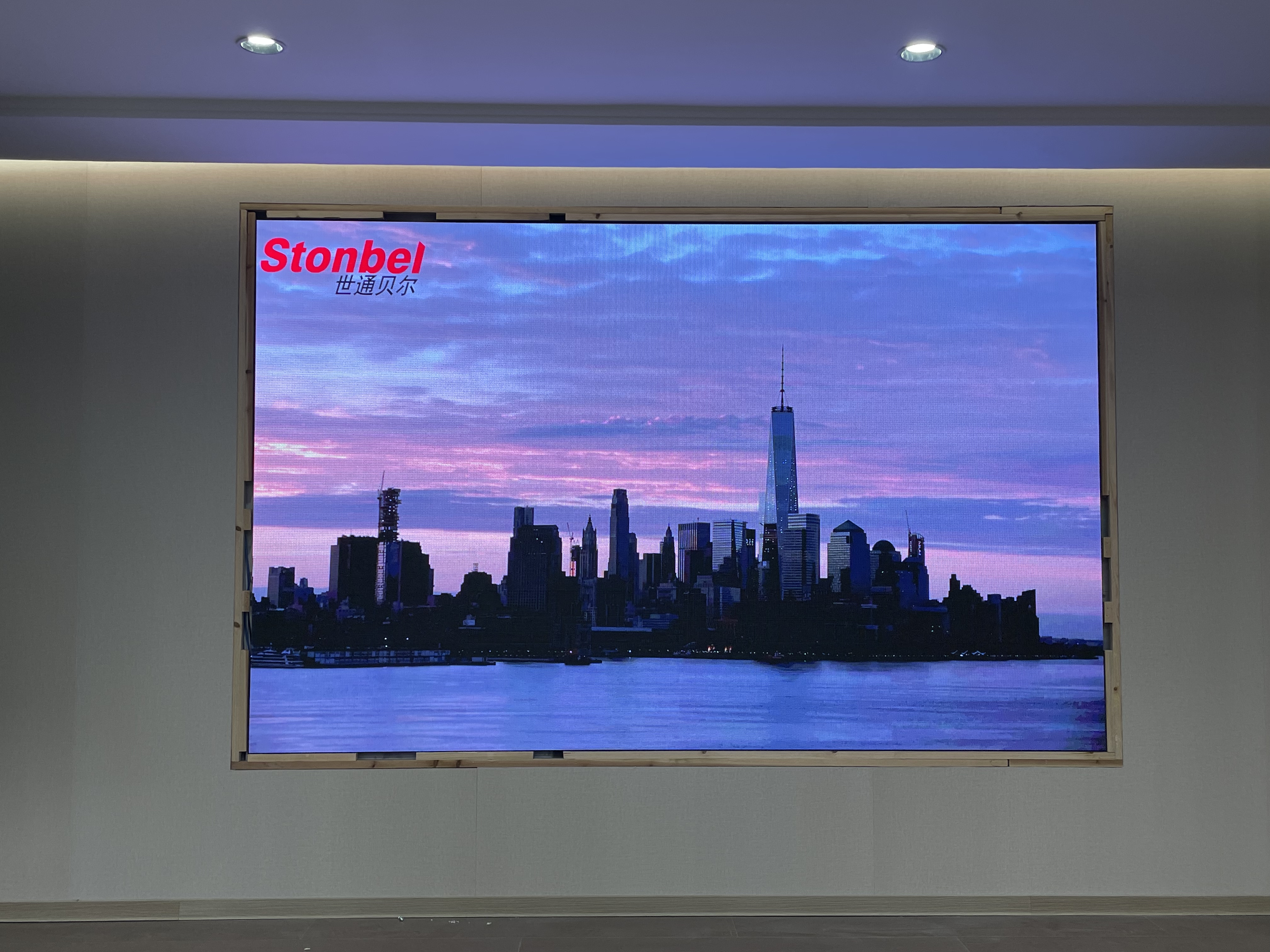
Field feedback shows inadequate heat dissipation is a primary cause of color shift, uneven brightness, or even failure in commercial displays after prolonged operation. For conventional LCD video walls, insufficient internal thermal control can lead to noticeable brightness decay and color gamut drift beyond acceptable ranges after hours of continuous use. In LED displays, COB packaging directly mounts light-emitting chips onto the substrate, shortening the heat dissipation path. Compared to traditional SMD, COB
Configuration Solutions
During project deployment, the Stonbel Delivery Capability Certification System provides full technical support, from site survey and solution design to installation, commissioning, and maintenance training, all following standardized procedures. For 7×24 operation scenarios, the system mandates that all products undergo 72-hour continuous burn-in testing before shipment to eliminate early failures. It also includes energy-saving strategy validation: intelligent brightness adjustment and standby sleep modes automatically reduce power draw during off-peak hours, minimizing heat buildup. In the Gree Electric Zhuhai base project, a visualization matrix comprising P1.5 COB displays and

Hardware Components
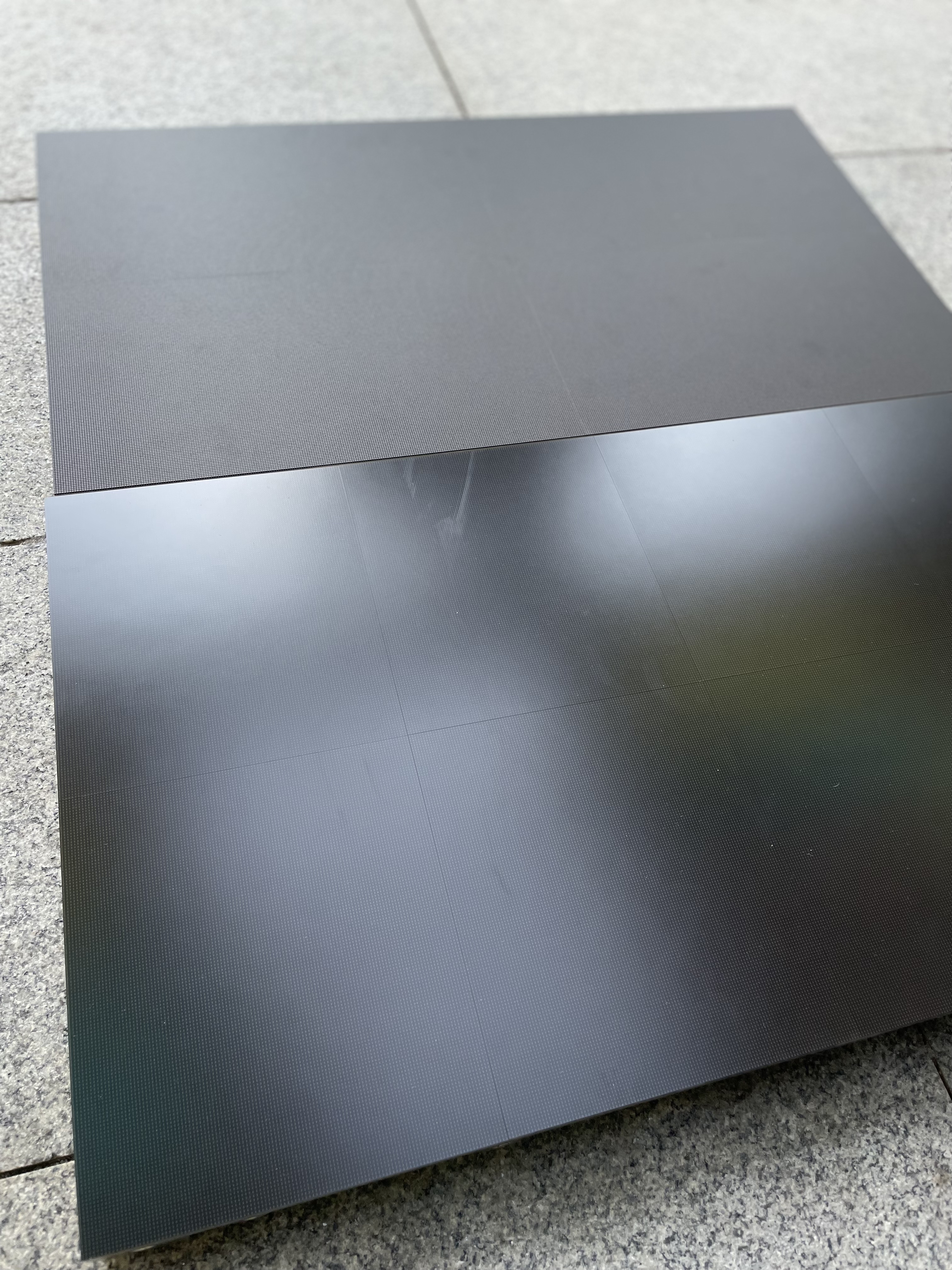
Within thermal and energy-saving components, the Stonbel Delivery Capability Certification System emphasizes intelligent thermal control configuration. LCD video walls incorporate temperature sensors that activate fans or reduce backlight brightness when internal temperatures exceed thresholds, preventing heat damage. COB displays leverage their naturally high thermal conductivity substrate with aluminum alloy frames for fanless passive cooling, reducing noise and energy use. For 7×24 operation, UPS and surge protection modules are recommended to safeguard equipment during power fluctuations. For local storage of video surveillance data, Stonbel offers industrial-grade SSDs and edge AI
Deployment Advantages
The Stonbel Delivery Capability Certification System also enhances operational efficiency. In the Wuhan University People's Hospital project, deployed smart conference all-in-one units and smart education boards support remote device management, enabling real-time status monitoring and early fault alerts via network. In the Shanghai Hongqiao business district smart building group control project, display devices across 12 office towers are managed through a unified central control
Budget Considerations
For projects with limited budgets requiring 7×24 operation, a phased deployment strategy is viable. Start with LCD video walls as an initial solution, then expand with COB fine-pitch areas as business grows, enabling smooth upgrades. The Stonbel Delivery Capability Certification System supports hybrid networking, allowing different product lines to integrate into a single control platform for future expansion. All certified products include standard warranty, with optional extended warranty plans for additional risk control. In typical industry ranges, for projects exceeding 100㎡, reserving 10%-15% of the total budget as contingency is recommended to
Q1: What specific guarantees does the Stonbel Delivery Capability Certification System provide for 7×24 operation?
A: The system mandates 72-hour continuous burn-in testing for all products before shipment to eliminate early failures. For heat dissipation, COB displays use chip-level packaging with a short heat path and IP55 protection for stable operation in harsh environments; LCD video walls feature industrial-grade dual power redundancy and intelligent thermal control with hot-swappable maintenance. These designs significantly reduce failure rates under 7×24 conditions—for example, equipment failure rates dropped by 91% in the Yellow River Basin project. Specific measures depend on product model and project plan.
Q2: Are COB fine-pitch LED displays more suitable for prolonged operation than LCD video walls?
A: For control rooms requiring seamless displays and high refresh rates, COB fine-pitch LEDs (pixel pitch P0.7-P1.8, refresh rate 3840Hz) offer advantages with a lifespan of ≥100,000 hours, IP55 protection, and superior heat dissipation over traditional SMD. LCD video walls (e.g., 0.88mm bezel) excel in color reproduction and cost, making them ideal for broadcast or information display. Both support 7×24 operation, but COB leads in seamlessness and durability, while LCD excels in color consistency. Selection should balance specific needs.
Q3: How can long-term operation reduce energy consumption and heat dissipation pressure for commercial displays?
A: The Stonbel Delivery Capability Certification System optimizes driver IC and power supply design, reducing COB display power consumption by about 20%. Intelligent brightness adjustment automatically adapts to ambient light, cutting unnecessary energy use. For cooling, COB technology uses high thermal conductivity substrates for passive dissipation, while LCD screens feature smart thermal fans that activate only when temperatures exceed thresholds, saving energy and reducing noise. For example, the Gree project achieved a 9% reduction in energy consumption per unit of output through efficiency management.
Q4: How is long-term color stability ensured in 7×24 operation scenarios?
A: Stonbel products use high-grade panels and per-unit calibration, such as LCD video walls with full-screen brightness/chromaticity consistency of ≥99.5% and 120% NTSC color gamut coverage, ensuring stable color over time. COB displays' chip-level packaging minimizes lumen depreciation, and intelligent thermal control prevents overheating-induced color shift. In the Zhejiang Radio and TV project, color reproduction improved by 45% with a 92% reduction in failure rates after a full year of operation. Annual calibration services are recommended to maintain display quality.
Reliable 7×24 operation of commercial displays is not achieved through a single hardware parameter alone, but requires full-process control from thermal structure, energy-saving strategy, component selection, to factory testing. Stonbel's delivery capability certification system is built on this principle, using rigorous burn-in testing and industrial-grade design to ensure stable image quality and low failure rates under continuous high-load conditions. Whether for emergency command, broadcast production, or medical consultation, this certification provides quantifiable reliability assurance. For integrators and end users, choosing certified products means lower maintenance costs, longer equipment lifespan, and greater peace of mind. For specific solutions and budgets, it is recommended to consult Stonbel's official team based on project needs.