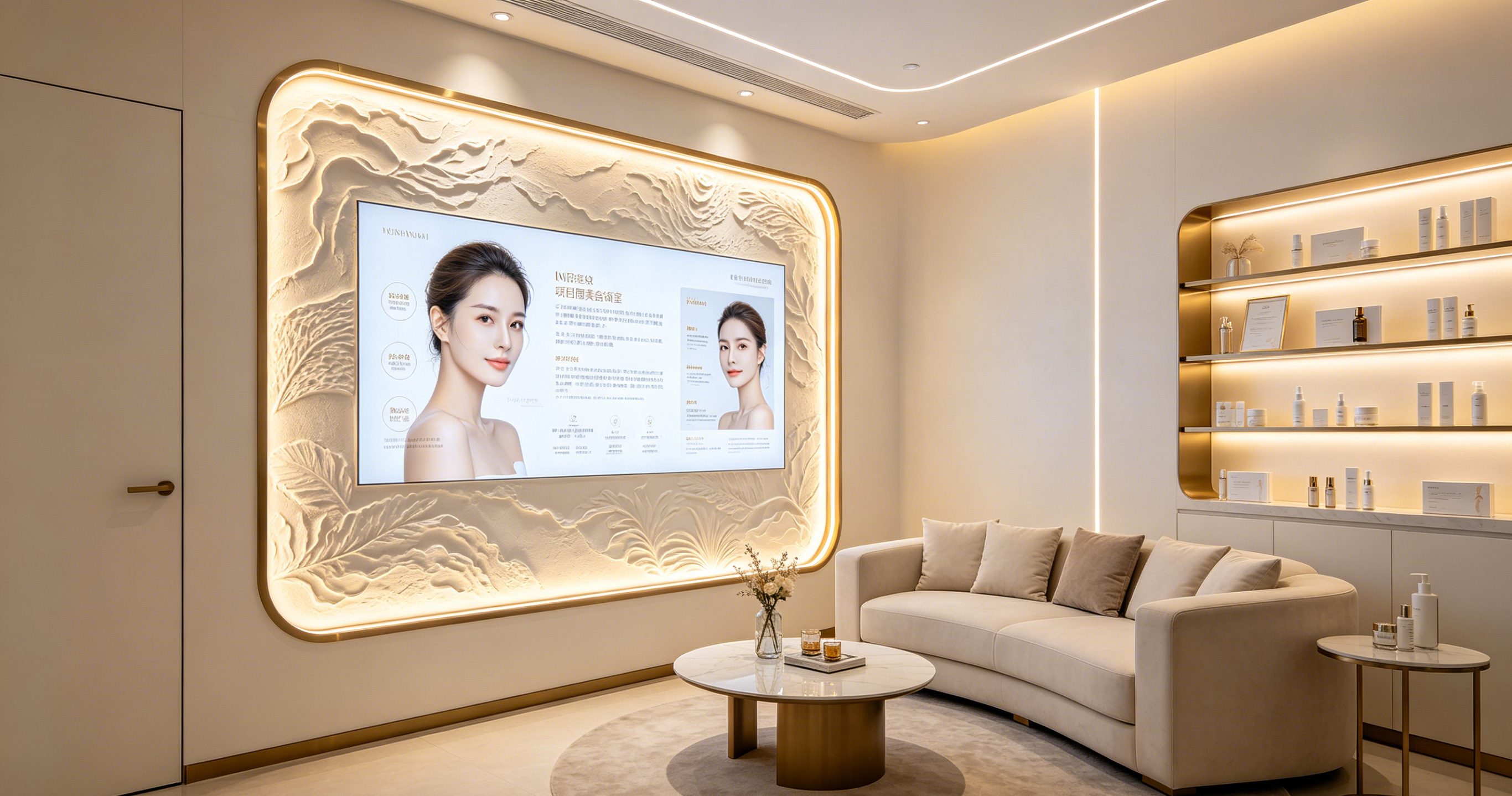
Hospital public spaces are transitioning from single-function to healing environments, with dual needs for decoration and information display. Traditional building materials cannot show dynamic content, while conventional displays struggle to match the warm, clean language of hospitals. LED relief texture screens, merging material textures with high-definition Micro-LED, are becoming preferred for outpatient lobbies, waiting corridors, and inpatient elevator halls. However, strict cleanliness, long operating hours, and infection control norms introduce hidden risks. Based on Stonbel's project reviews in medical and similar high-standard environments (e.g., Wuhan Optics Valley BioCity GMP clean areas, Peking Union Medical College Hospital), this article systematically outlines decision points from pitfalls to quotations for hospital infrastructure, IT, and design teams.
Common Pitfalls in Hospital LED Relief Texture Screen Procurement
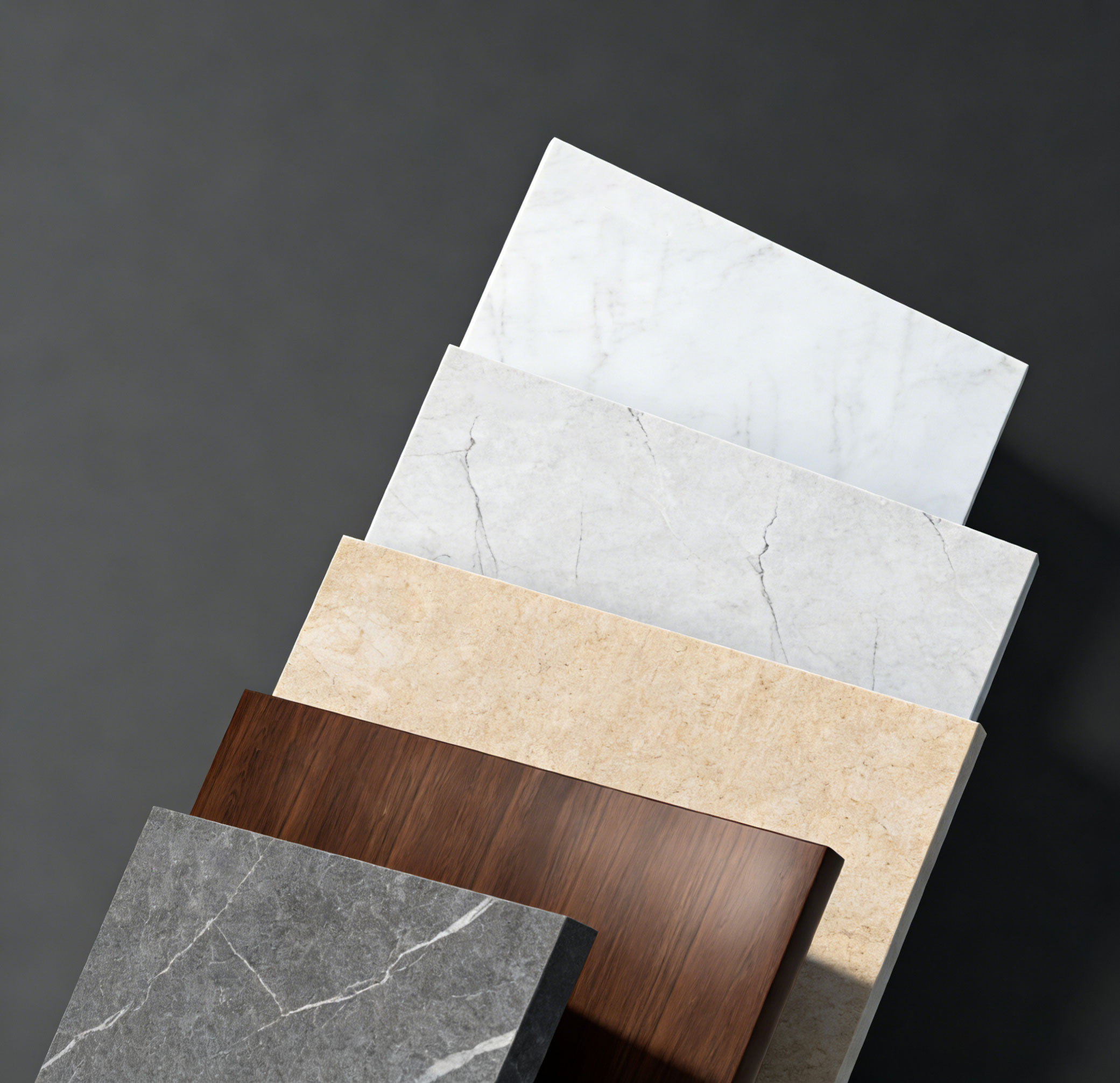
The first pitfall is prioritizing display performance over decorative integration. Buyers often focus on brightness and resolution, neglecting the texture quality and color consistency of the screen surface when powered off. Hospital lobbies and corridors demand visual softness and psychological comfort. Poor texture layering can cause visible color differences or seams, disrupting the overall design. Stonbel's project reviews show that P5 LED texture screens with IP54 protection, featuring a building-material-grade surface, blend seamlessly with natural stone or wood finishes when off.
Root Causes of Procurement Issues
The root cause is information asymmetry. LED texture screens are a new category; hospital infrastructure and IT departments often lack systematic knowledge of the technology, applications, and costs, leading to selection errors based on standard LED screen experience. For instance, standard LED screens emphasize high refresh rates and grayscale, while hospital texture screens require attention to the texture layer's transmittance, anti-glare properties, and off-state
Strategies to Avoid Procurement Pitfalls
A systematic approach across four dimensions—requirements definition, technical specifications, installation acceptance, and maintenance support—is essential. First, involve clinical, infection control, IT, and infrastructure departments to define the primary use case: information display, health education, wayfinding, or ambiance. For example, lobby screens need high brightness (≥1500 cd/m²) to combat ambient light, while corridor screens may prioritize low-brightness, soft display and off-state aesthetics. Clarify needs for touch interaction, remote publishing, or HIS integration.
Pricing Reference and Selection Advice
Project pricing depends on screen area, pixel pitch, control system complexity, installation environment (e.g., clean zones), steel structure and framing, and maintenance service terms. Stonbel's LED texture screen, with P5 pitch and IP54 rating, suits viewing distances over 5 meters. For closer viewing, smaller pitches like P2.5 or P1.8 are available at higher costs. Quotes should itemize: screen (per m²), video processor and multi-screen controller, steel structure and installation materials, transport and rigging, commissioning and training, and first-year maintenance. Require itemized quotes
Q1: What is the difference between a hospital LED relief texture screen and a standard LED display?
A: The core difference lies in product definition and application. A standard LED display is a display tool emphasizing brightness, refresh rate, and grayscale, typically appearing as a dark box when off, clashing with a hospital's clean aesthetic. A hospital LED relief texture screen integrates a building-material-grade surface (e.g., stone, wood grain, fabric) with high-definition Micro-LED technology, achieving a dual state: decorative when off, display when on. Stonbel's texture screen, with P5 pitch and IP54 rating, shows realistic material texture when off and clear images when on,
Q2: Will installing a hospital LED relief texture screen affect clean areas?
A: The impact depends on the installation process and product design. Traditional LED screens with cooling fans can disturb airflow and introduce particles, making them unsuitable for operating rooms, ICUs, or GMP corridors. Dust accumulation behind screens also creates hygiene issues. In the Wuhan Optics Valley project, Stonbel successfully deployed equipment in a GMP clean area using a low-dust, easy-to-clean installation process, achieving zero-pollution acceptance. Key practices
Q3: What is the approximate price of a hospital LED relief texture screen?
A: Pricing varies significantly based on several factors, so a single unit price is not possible, but a cost framework and reference range can be provided. The quote includes: screen (per m²), video processor and multi-screen controller, steel structure and decorative framing, transport and rigging, installation and commissioning, training, and maintenance services. For Stonbel's LED texture screen with P5 pitch and IP54 rating, suitable for hospital lobbies and corridors, and for a 10-30 m² area used for information display and decoration, the total cost (screen,
Q4: How durable is a hospital LED relief texture screen?
A: Durability can be assessed across display performance decay, structural protection, and environmental adaptability. Stonbel's LED texture screen uses Micro-LED technology with P5 pitch, IP54 protection, and a lifespan of over 100,000 hours. At 12-16 hours of daily operation, this translates to over 17 years of stable use, exceeding typical hospital renovation cycles (8-12 years). Regarding brightness decay, LED lamps naturally degrade, but quality components and
Q5: Can the hospital LED relief texture screen integrate with existing hospital information systems (e.g., HIS, queue management)?
A: Yes, the screen can integrate with hospital systems, but interface planning and design are required early in the project. Stonbel's multi-screen controllers support standard inputs (HDMI, DP, DVI, SDI) and network protocols (TCP/IP, HTTP) for data exchange. Integration methods include: First, HIS integration for real-time display of waiting counts, doctor availability, or report status. In the Wuhan Optics Valley project, Stonbel integrated with a booking platform for smart meeting scheduling, increasing utilization by 55%.
Hospital LED relief texture screens offer an innovative display solution balancing aesthetics and function, but procurement should not be treated as merely buying a screen. Cleanliness, continuous operation, system integration, and budget control demand systematic planning. Avoiding common pitfalls, understanding differences from standard displays, prioritizing clean-area installation and system compatibility, and selecting a manufacturer with certifications, real medical cases, and nationwide service are key. Stonbel, with experience in GMP clean areas, high-humidity coastal sites, and metro command centers, and serving clients like Peking Union Medical College Hospital, provides full-process support. Before deciding, visit completed medical or similar projects, communicate with clinical, infection control, and IT departments, and request itemized quotes and quantitative acceptance metrics. Only then can the screen enhance space quality while ensuring long-term stability, becoming a reliable partner in healing environments.