Migrating ERP, OA, email, and dev/test systems to private cloud data centers makes storage reliability and expansion efficiency critical to business continuity. In summer heat or uneven cooling, consumer SSDs often drop offline or corrupt data, forcing extended expansion windows. Industrial wide-temp SSDs with -40~85°C tolerance, industrial-grade components, and power-loss protection are key to 7×24 stability. This fault-tree analysis starts from common symptoms to systematically examine causes, troubleshooting steps, and solutions that shorten business handover time.
Common Fault Symptoms
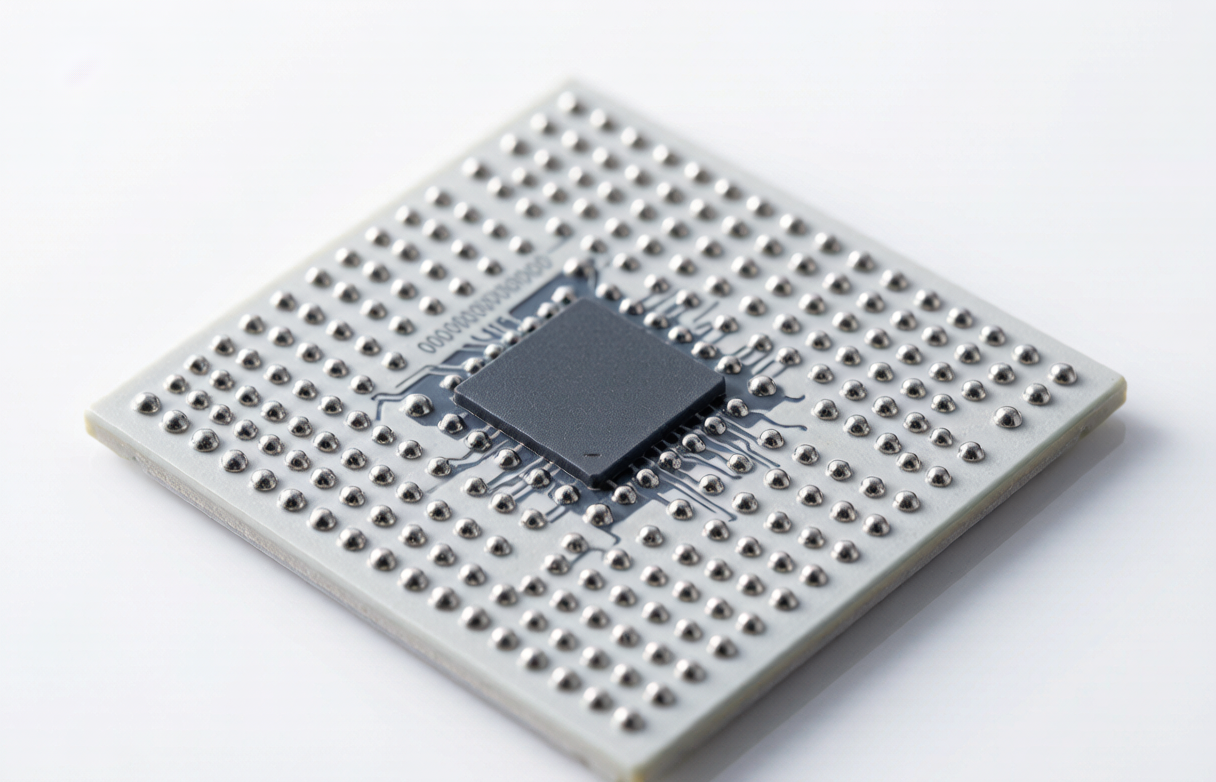
When expanding capacity with industrial wide-temp SSDs in a private cloud data center, common faults include: new drives not recognized by the system, read/write performance far below rated specs, drive dropouts during expansion, or data rebuild failures. A prolonged expansion period may also manifest as a stalled data migration progress bar. In private cloud environments using multi-replica or erasure coding, adding a new drive triggers full data rebalancing. If the new drive's performance differs greatly from existing drives, overall progress slows. For example, a SATA drive with 560 MB/s sequential read and 525 MB/s sequential write, mixed with a PCIe drive reaching 1870 MB/s sequential write, forces the system
Root Causes
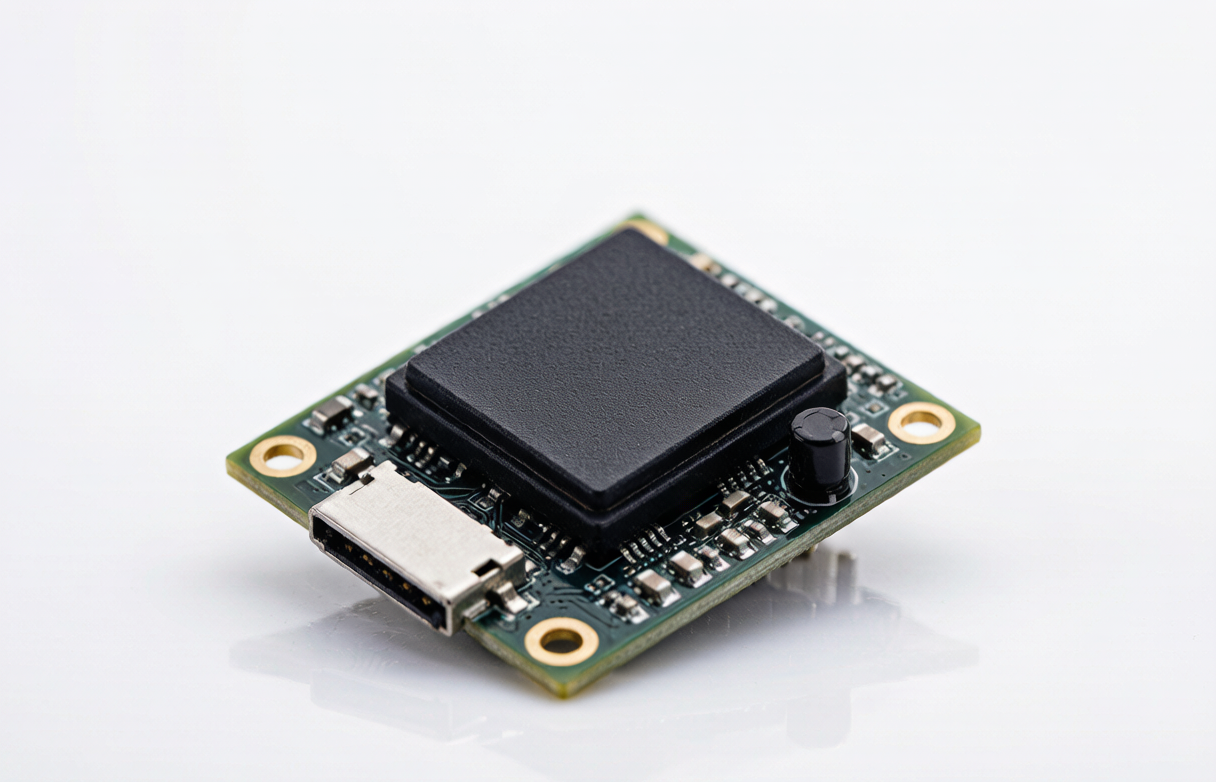
The causes of prolonged expansion can be analyzed from both hardware and software perspectives. On the hardware side, if the actual data center temperature exceeds the 0~70°C operating range of consumer SSDs, the controller triggers frequency throttling, dropping write speed to below 20% of normal. Industrial wide-temp SSDs support -40~85°C and maintain full write speed even in 50°C environments, avoiding thermal performance degradation. On the software side, improper replica policies and data tiering configurations slow expansion. With a 3-replica strategy, writing 1 GB of data requires
Step-by-Step Troubleshooting
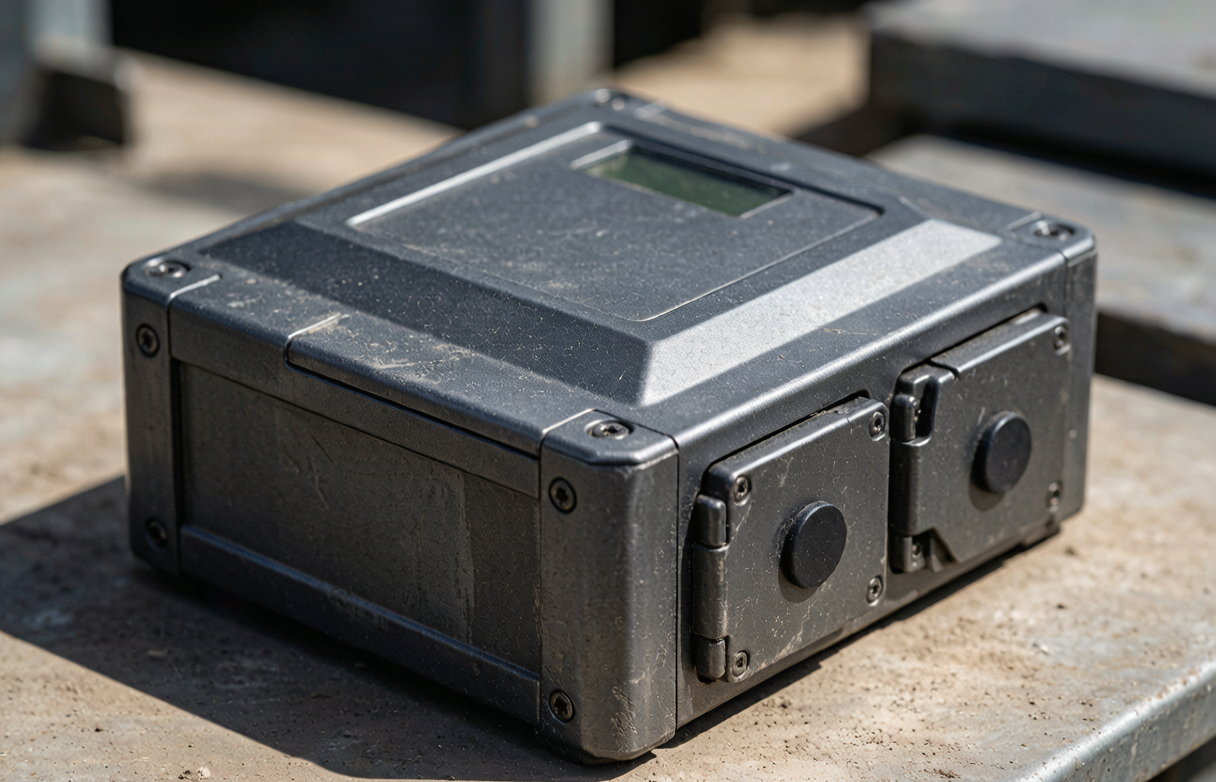
Step 1: Check ambient temperature in the data center. Deploy thermometers at rack air intakes and exhausts, recording a 24-hour temperature curve. If peaks exceed 45°C, check if air conditioning capacity is sufficient, or consider relocating storage nodes to cooler areas. Step 2: Check SSD operating temperature. Read drive temperature via SMART attributes. Industrial wide-temp SSDs operate normally across -40~85°C. If drive temperature exceeds 70°C but remains within rated range, continue monitoring; if it exceeds 85°C, stop immediately and check
Solutions
First, prioritize industrial wide-temp SSDs. For 7×24 operations like private cloud data centers, choose products covering -40~85°C with MTBF above 2 million hours. Stonbel industrial wide-temp SSDs use SLC/MLC/TLC industrial-grade NAND with endurance up to 3000 P/E cycles and end-to-end data protection, preventing data errors from NAND wear during expansion. Second, plan batch procurement. Estimate capacity needs for the next 12 months and purchase drives of identical interface and capacity in one batch to avoid mixed-drive performance bottlenecks. Third, enable intelligent data tiering. Place hot data on PCIe drives, warm data on SATA drives, and archive cold data to high-capacity HDDs or object storage—reducing overall storage costs by over 30%. Fourth, deploy an
Q1: How can data rebuild time be minimized when expanding capacity with industrial wide-temp SSDs in a private cloud data center?
A: Rebuild time directly correlates with replica policy, network bandwidth, and SSD performance. We recommend 2-replica or 3-replica configurations with storage software's rebalancing rate limit enabled to avoid impacting online services. Choose industrial wide-temp SSDs with high sequential read/write speeds—PCIe interfaces delivering 2600 MB/s sequential read and 1870 MB/s sequential write significantly shorten rebuild windows. For SATA interfaces, 560 MB/s sequential read and 525 MB/s sequential write suffice for small-to-medium clusters. Also verify the
Q2: What are the main differences between industrial wide-temp SSDs and consumer SSDs in a private cloud data center?
A: Core differences lie in operating temperature, NAND quality, and power-loss protection. Industrial wide-temp SSDs support -40~85°C, while consumer drives only handle 0~70°C. Industrial drives use SLC/MLC/TLC NAND with endurance up to 3000 P/E cycles and include power-loss protection to prevent data corruption from unexpected power failures. Consumer drives lack this design and are prone to dropouts under high temperatures or voltage fluctuations. Stonbel's industrial wide-temp SSDs achieve MTBF above 2 million hours, with some models exceeding 3 million hours—suitable for 7×24 high-load operation.
Q3: How should SATA versus PCIe industrial wide-temp SSDs be selected for a private cloud data center?
A: Selection depends on workload performance requirements. For traditional applications like ERP or OA, SATA III's 560 MB/s sequential read is sufficient and cost-effective. For development/testing or high-concurrency databases, choose PCIe Gen3x4 interfaces with up to 2600 MB/s sequential read and lower latency. Stonbel offers both interface types with capacities from 32GB to 4TB, supporting mixed deployment with data tiering via storage software—hot data on PCIe drives, warm data on SATA drives—balancing performance and cost. When selecting,
Q4: How can stability be ensured when expanding capacity with industrial wide-temp SSDs in a high-temperature data center?
A: First, confirm the new drive's operating temperature range covers the actual peak temperature of the data center. Stonbel industrial wide-temp SSDs support -40~85°C, operating stably even if air conditioning fails. Second, verify firmware includes thermal throttling protection to prevent overheating damage. Third, use monitoring software to read SMART temperature data in real time, automatically migrating data when temperatures exceed 70°C. Stonbel's intelligent O&M system predicts potential failures in advance, reducing unplanned downtime by 80% and ensuring business continuity during expansion. Operationally, schedule expansion during cooler periods (e.g., nighttime) to reduce heat load. For critical scenarios like power dispatch centers, Stonbel's
Expansion cycles for private cloud industrial wide-temp SSDs are controllable. Fault-tree analysis across temperature, interface, firmware, and software configuration significantly reduces business handover time. Stonbel, a storage and AI computing provider, offers industrial SSDs with -40~85°C rating, SATA III/PCIe Gen3x4 interfaces, up to 4TB capacity, plus distributed storage, multi-replica and erasure coding, and intelligent O&M. In real deployments, a State Grid provincial dispatch center cut annual storage failure rates below 0.5% and expansion cycles to 4 months; China Telecom's 5G edge node project achieved 35% lower per-node power and 60% shorter deployment time. Choosing proven industrial wide-temp SSDs is a long-term guarantee of business continuity, with Stonbel's full-stack capabilities supporting compliant, localized deployments from planning to delivery.