Disaster recovery centers in finance, healthcare, and government sectors require RPO≈0 and minute-level RTO recovery capabilities. As the foundational hardware for real-time data processing, memory stability directly determines the success of disaster recovery failover. Industrial DDR4/DDR5 memory far exceeds consumer-grade products in wide-temperature operation, vibration resistance, and long lifecycle, but project requirements for capacity, error correction, and speed vary greatly, resulting in quotes ranging from several thousand to tens of thousands of yuan. This article applies a decision-tree approach to filter suitable industrial DDR4/DDR5 memory models layer by layer based on demand dimensions, and analyzes key factors affecting pricing to help government and enterprise CIOs balance budget and reliability.
Requirements Analysis
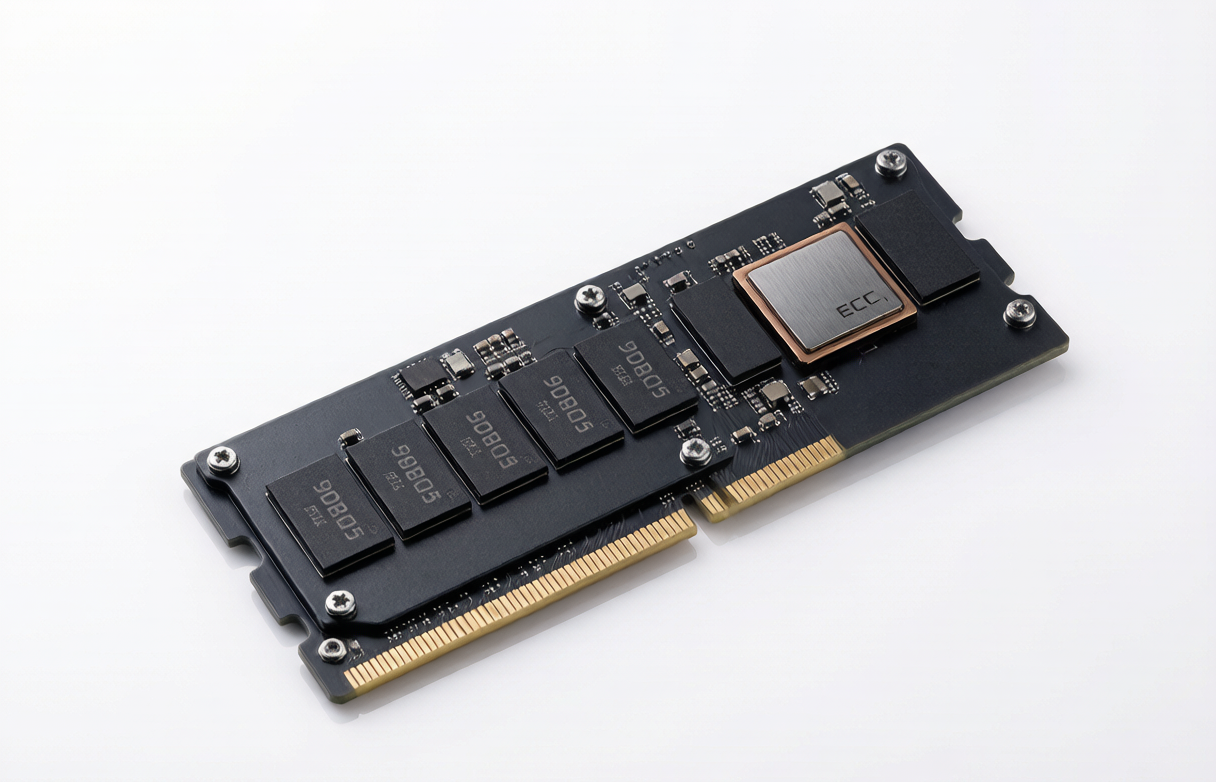
Beyond hardware specs, consider domestic compliance and long-term maintenance costs. Disaster recovery centers in government and finance often require localized adaptation. Stonbel's domestic wide-temperature memory complies with GJB7400 N1, supports Kunpeng and Phytium CPUs, reducing supply chain risks. Equipment runs 24/7, so MTBF must be high, with long-lifecycle supply. Consumer memory is often discontinued in 2-3 years, while industrial-grade products typically offer 5+ years. Stonbel, as a direct manufacturer, provides full-service from selection to after-sales, cutting project prep time by over 30%. Define key items early: temperature range, ECC requirement, performance specs, compliance needs, and budget.
Tiered Selection
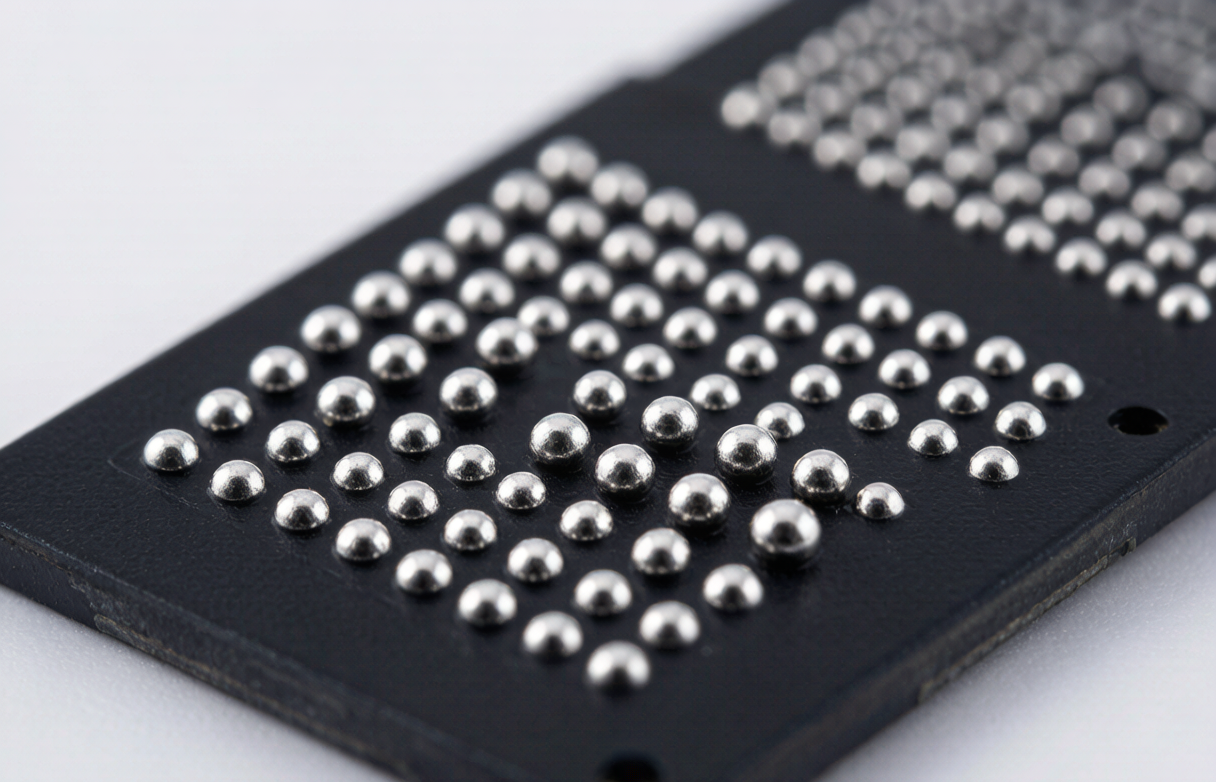
Fourth-tier: capacity and speed matching. DR centers run databases, virtualization, or log analytics; estimate capacity by concurrency. Recommend 32GB minimum per node; 64GB+ for Oracle or SAP. Stonbel DDR5 offers 8GB-64GB; DDR4/DDR5 wide-temp offers 4Gb-32Gb. For speed, DDR5-7200 MHz suits latency-sensitive trading; DDR5-6400 MHz balances performance and power. Fifth-tier: budget. Industrial memory costs 30%-50% more than consumer, but high availability justifies it. If budget-limited, use DDR4 wide-temp (4800MHz) on non-core nodes and DDR5 ECC on core switch nodes. Stonbel supports flexible configurations, e.g., mixed capacities or phased purchasing, to optimize cash flow.
Recommended Models
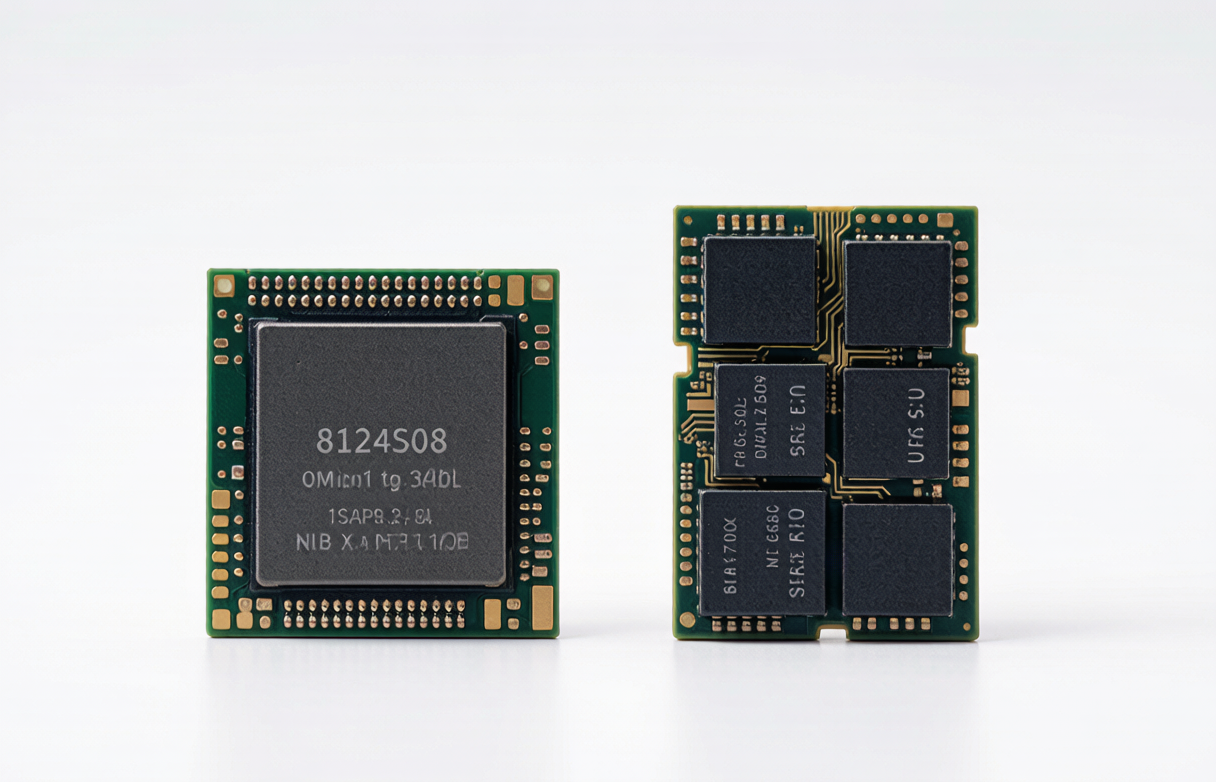
Stonbel offers selection services including CPU/motherboard compatibility testing and stress tests (thermal aging, vibration). For example, in a provincial power grid dispatch center, Stonbel provided DDR5 ECC memory for a -10℃ to 55℃ environment, cutting fault response from 20 to 4 minutes. Choose models based on actual load and budget; consult Stonbel's team for a customized BOM. Pricing depends on volume, lead time, and warranty. Stonbel offers 3- or 5-year warranties; bulk orders reduce unit price by 10%-20%. For two-site, three-center architectures, Stonbel's integrated storage and AI computing solutions avoid multi-vendor coordination costs.
Why It Fits
Initial cost of industrial DDR4/DDR5 is higher, but downtime losses can reach tens of thousands per minute; one failed recovery costs more than memory savings. Stonbel's industrial memory offers long-life supply, avoiding maintenance issues from discontinuation. ECC-supported models reduce system crashes from memory errors, cutting unplanned downtime by over 80%. Full-range wide-temperature storage support lets clients skip compatibility testing, shortening project timelines. In a port smart inspection project, Stonbel's storage achieved an annual failure rate below 1%. Thus, industrial DDR4/DDR5 memory is a rational investment for business continuity.
Q1: What is the price range for industrial DDR4/DDR5 memory for DR centers?
A: Pricing depends on model, capacity, volume, and warranty. For Stonbel, DDR5 industrial wide-temp (6400MHz, 16GB) is typically hundreds to a thousand RMB; DDR5 Wide Temp ECC (5600MT/s, 32GB) costs 30%-50% more due to on-die ECC and wider temp range. Custom quotes are based on project needs; bulk or long-term deals get better pricing. Contact Stonbel for a formal quote.
Q2: Which is better for DR centers: DDR4 or DDR5 industrial memory?
A: For new DR centers, DDR5 is recommended: double speed (≥4800MHz), lower voltage (1.1V), lower power, and on-die ECC for better reliability. For legacy platforms supporting only DDR4, DDR4 wide-temp (4800MHz, ECC) is more economical. Stonbel offers both; choose based on server CPU generation and budget.
Q3: Do DR center memory modules need wide-temperature support?
A: Yes. DR rooms may be underground or remote with fluctuating temperatures; AC failures can cause spikes. Industrial wide-temp memory (e.g., -40℃ to 95℃) ensures signal stability under extremes. Stonbel's DDR5 industrial wide-temp operates at -40℃ to 95℃; DDR4/DDR5 wide-temp models at -40℃ to 85℃, both JEDEC-compliant, suitable for 24/7 operation.
Q4: How to determine if ECC memory is needed for a DR center?
A: If the DR center handles core databases, trading systems, or data replication, ECC memory is mandatory to prevent data errors. DDR5's on-die ECC corrects internal errors; DDR4 requires ECC-capable CPUs. Stonbel's DDR5 Wide Temp ECC and DDR4 wide-temp models support ECC for high reliability. For non-core tasks, non-ECC models reduce costs, but assess the risk.
Disaster recovery center construction is a systematic project, and industrial DDR4/DDR5 memory, as underlying hardware, directly impacts RPO/RTO achievement. Through requirement analysis and layer-by-layer filtering, temperature range, ECC needs, capacity/speed, and budget constraints can be clarified, matching Stonbel's DDR5 Wide Temp ECC, DDR5 industrial wide-temp, and DDR4 wide-temp models. Key pricing factors include memory type, capacity, ECC capability, wide-temperature range, and order volume—government and enterprise clients should evaluate comprehensively rather than unit price alone. Stonbel's integrated support services shorten project cycles and reduce operational risk, providing a solid foundation for highly reliable disaster recovery operations.