Studio LED embossed texture screens, combining decorative texture with high-definition display, are increasingly chosen for broadcast and government/enterprise studios. However, misconceptions persist regarding their lifespan, after-sales support, and reliability. This article clarifies common misunderstandings using real cases and manufacturing parameters, aiding decision-makers in objective evaluation.
Common Industry Misconceptions
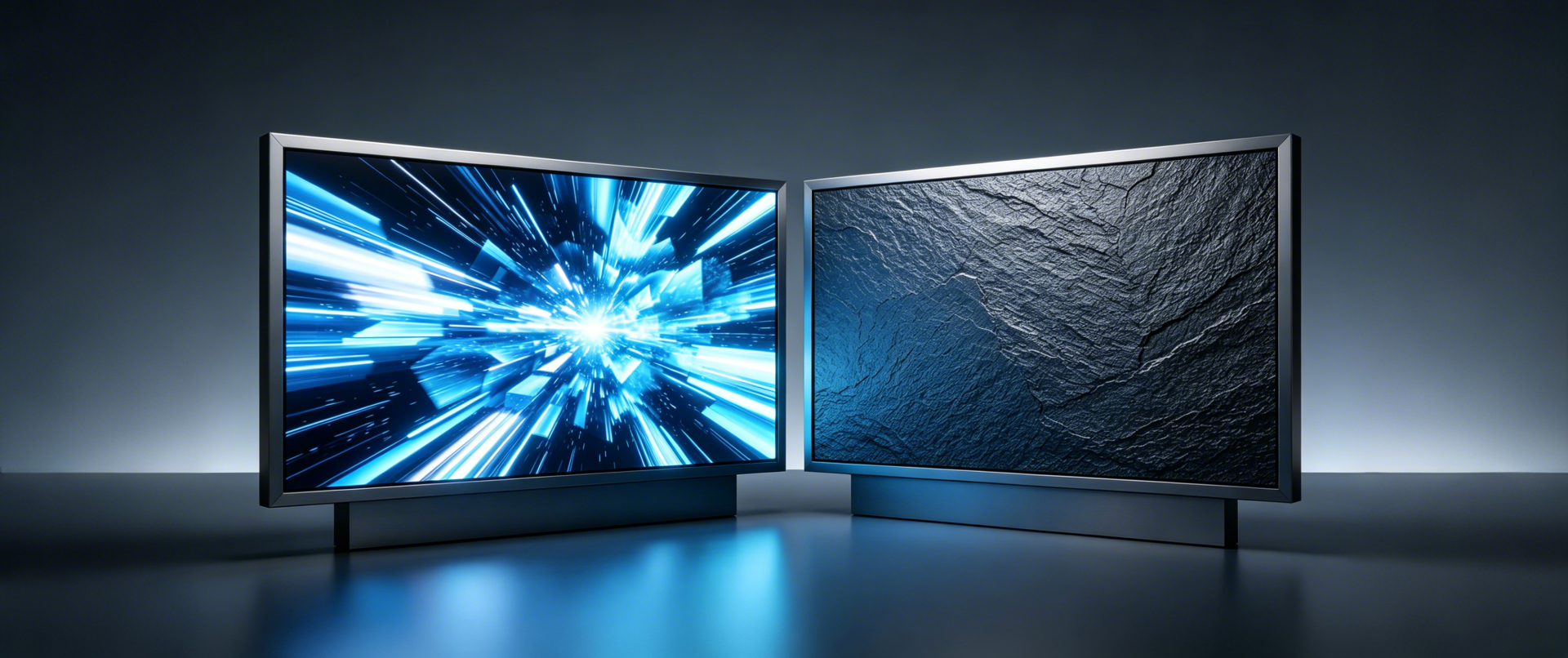
In procurement discussions for studio display equipment, conversations about studio LED relief texture screens often center on a few key areas. Many users assume texture screens are purely decorative, compromising display quality. Others worry that as a new type of optoelectronic building material, their lifespan under prolonged studio operation is far shorter than traditional LED displays. Some even view after-sales support as homogeneous across manufacturers, seeing little difference in response speed and service quality. These views repeatedly surface in project bidding and technical exchanges, hindering sound selection decisions. Another widespread misconception is equating studio LED relief texture screens with conventional decorative panels or standard LED display units, overlooking their special requirements in structural strength, fire resistance, and optical treatment. Some users confuse the
Clearing Up Each Misconception
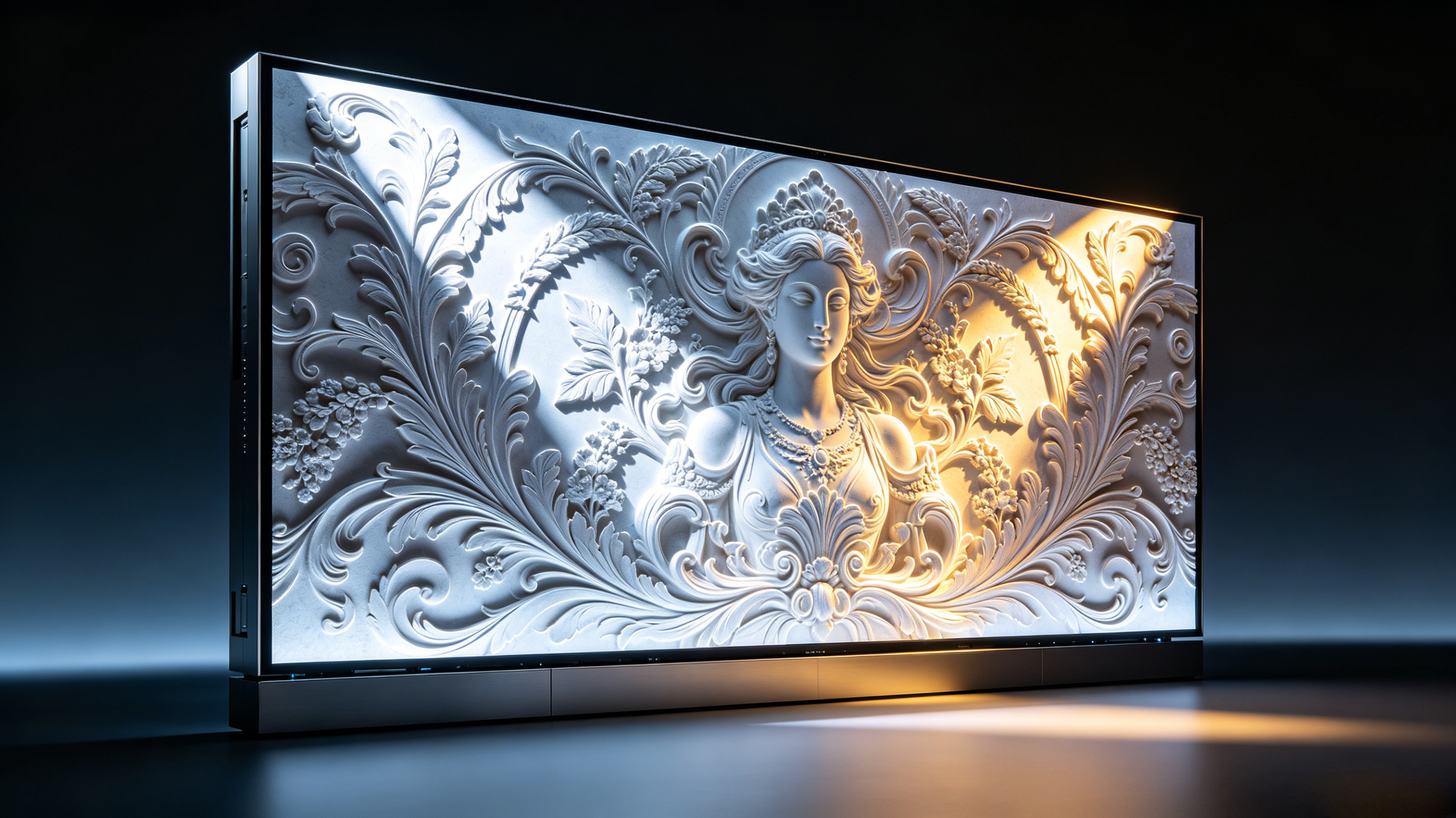
Addressing these misconceptions requires correction from both product essence and technical specifications. First, studio LED relief texture screens are not decorative items that sacrifice display performance. Take Stonbel's LED texture screen as an example: its core specifications include a pixel pitch down to P5 and an IP54 protection rating. This means it delivers building-material-grade textures like stone or wood grain while maintaining the fine image quality and high refresh rates of HD Micro-LED display technology. Under studio lighting, its brightness and color gamut meet professional camera requirements, achieving the dual value of "texture when off, display when on"—not a simple visual compromise. Second, concerns about lifespan and reliability should be answered through manufacturing standards and real-world cases. As one of
Building Correct Understanding
To build correct understanding, one must first clarify the positioning of studio LED relief texture screens. They are optoelectronic building materials that deeply integrate premium building-material-grade textured decoration with HD Micro-LED display technology. In studio applications, they serve not only as display terminals but also as key components of scene aesthetics. Their core value lies in combining dynamic light and shadow with static textures to provide more immersive visual backdrops for program production. Therefore, evaluating lifespan should not only consider the theoretical illumination time of LED chips but also the color fastness and physical stability of the texture layer under prolonged light exposure and temperature variations. Stonbel's manufacturing process for LED texture screens ensures coordinated aging between the texture layer and display module, avoiding
Selection Recommendations
For studio scenario selection, users are advised to shift focus from single-point price comparison to total cost of ownership evaluation. First, rigorously review the manufacturer's production qualifications and project track record. As an original manufacturer with ISO9001 quality management and ISO14001 environmental management certifications, Stonbel subjects its products to strict aging tests before shipment. Users can request operational data reports from major projects like Sanya Atlantis or Xi'an Xianyang International Airport to substantiate reliability in complex environments. For studio LED relief texture screens specifically, confirm the protection rating and specific model pixel pitch (e.g., P5) to ensure the desired balance between texture effect and clarity. Second, detailing after-sales service terms is crucial. It is recommended to clearly stipulate response times, spare parts supply cycles, and on-site service content in procurement contracts. Leveraging resident service points across 31 provinces, Stonbel can provide rapid localized support for studios. Users should verify whether the manufacturer offers 7×24-hour
Q1: What is the theoretical lifespan of a studio LED relief texture screen?
A: The lifespan of a studio LED relief texture screen primarily depends on its core display module. For LED displays manufactured by Stonbel, the rated lifespan is ≥100,000 hours. This is based on industrial-grade LED chips and rigorous thermal design. In actual studio environments with good temperature and humidity control, this theoretical value is typically met or even exceeded. Note that the visual lifespan of the texture layer relates to ambient light intensity and cleaning maintenance habits; regular professional upkeep is recommended.
Q2: How fast is Stonbel's after-sales response for studio LED relief texture screens?
A: Stonbel has resident service points in all 31 provinces and municipalities across China, enabling rapid localized on-site support. For example, in the Chengdu Tianfu International Airport Cargo Area Monitoring Center project, Stonbel provided 7×24-hour O&M response, improving anomaly handling speed by 50%. For venues like studios requiring high continuity, this extensive offline service network minimizes fault downtime and safeguards production schedules.
Q3: How can the quality reliability of a studio LED relief texture screen be assessed?
A: Assess from two angles: certifications and real-world projects. Stonbel holds international and domestic certifications including 3C, CE, FCC, ROHS, as well as ISO14001 and ISO9001 system certifications, plus military and classified project qualifications. Its products endured prolonged high-humidity, high-salt conditions with zero failures in the Sanya Atlantis Resort project. For studio scenarios, reference its installation in the clean area of Wuhan Optics Valley Biolake to verify stability in special environments.
Q4: Will a studio LED relief texture screen experience brightness degradation under prolonged operation?
A: All LED display products experience some brightness degradation, but the rate is strongly tied to manufacturing processes and thermal design. Stonbel's LED texture screens use high-quality Micro-LED chips with rational driver circuit design to effectively slow degradation. Its COB fine-pitch products achieve refresh rates up to 3840Hz, ensuring display consistency. Under standard studio brightness levels, the degradation curve is gradual and controllable, typically meeting shooting brightness requirements throughout the design lifespan.
Studio LED embossed texture screens, merging decorative aesthetics with display technology, have proven their value in studio applications. Their lifespan is determined by core components, structural design, and operating environment, while after-sales support encompasses response speed, spare parts inventory, and technical depth. Stonbel, with its manufacturing expertise, rigorous certifications, and nationwide service network, provides solid backing for studio users. When selecting, avoid blind fear or hype over new concepts; instead, scrutinize specific parameters, real cases, and service terms to achieve both visual upgrades and long-term stable operation.