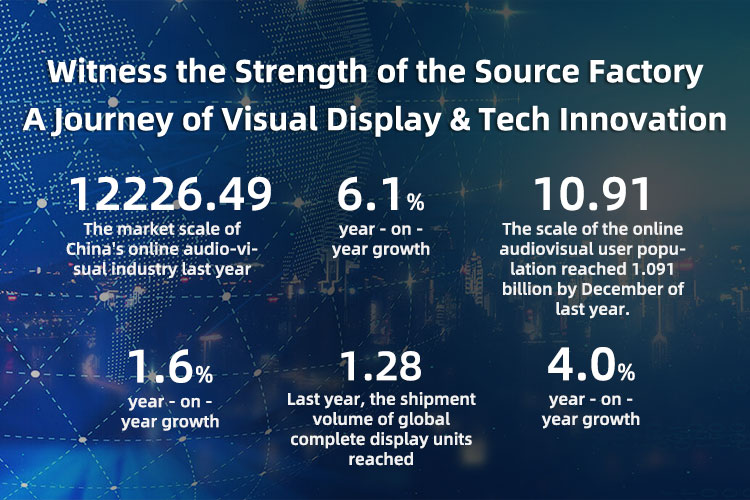
Conference rooms are core venues for corporate decisions and information sharing, where display quality, stability, and lifespan directly affect meeting efficiency and professional image. In recent years, COB fine-pitch displays, offering seamless splicing, high protection, and ultra-HD visuals, have gradually replaced traditional SMD fine-pitch products, becoming the mainstream choice for high-end conference rooms. However, with many brands and models available, low-voltage integrators and AV engineers must assess both technical parameters and factory strength to find a partner with genuine source supply and full-process service. This article provides an objective, practical reference covering technical principles, industry standards, and selection criteria.
Definition
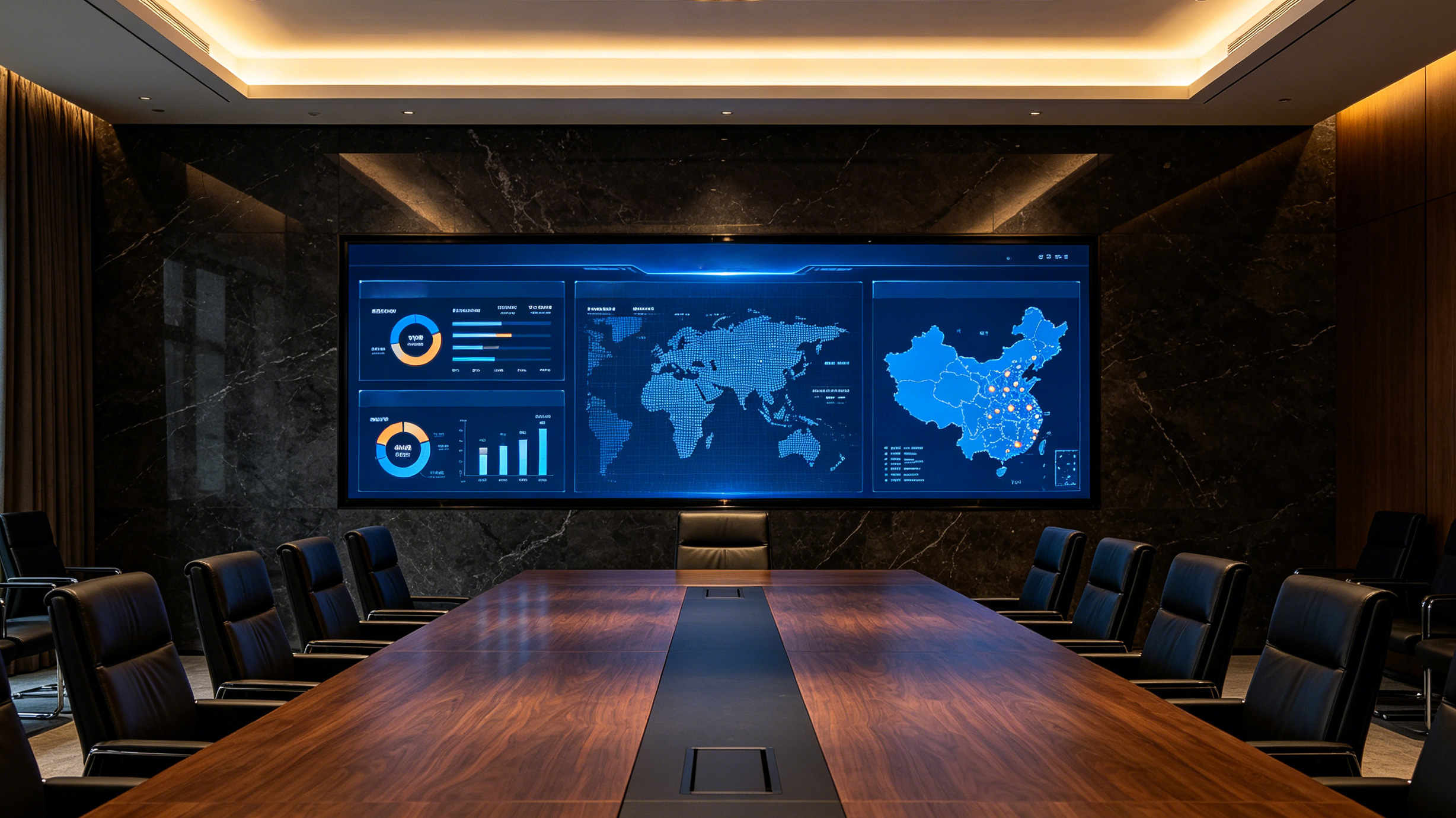
A conference room COB fine-pitch LED display uses COB (Chip on Board) technology, where LED chips are directly mounted on a PCB and then modularly tiled into a large screen. Its pixel pitch typically ranges from P0.7 to P1.8 mm, placing it in the high-end category of fine-pitch LED displays. Unlike traditional SMD (Surface Mount Device) processes, COB eliminates brackets and solder feet; the chips are fully encapsulated in epoxy resin, creating a flat, matte display surface. This structure provides higher impact resistance, dust and water protection, and fundamentally eliminates dead or detached lamps caused by exposed solder joints in SMD modules. In conference rooms, COB fine-pitch displays serve as the primary display terminal for high-definition video conferencing, data charts, and design drawings. The ultra-fine pitch ensures a grain-free, detailed image even at close viewing distances, meeting strict requirements for detail. The fully sealed surface is easy to clean and resistant to dust and static interference, offering
Technical Principles
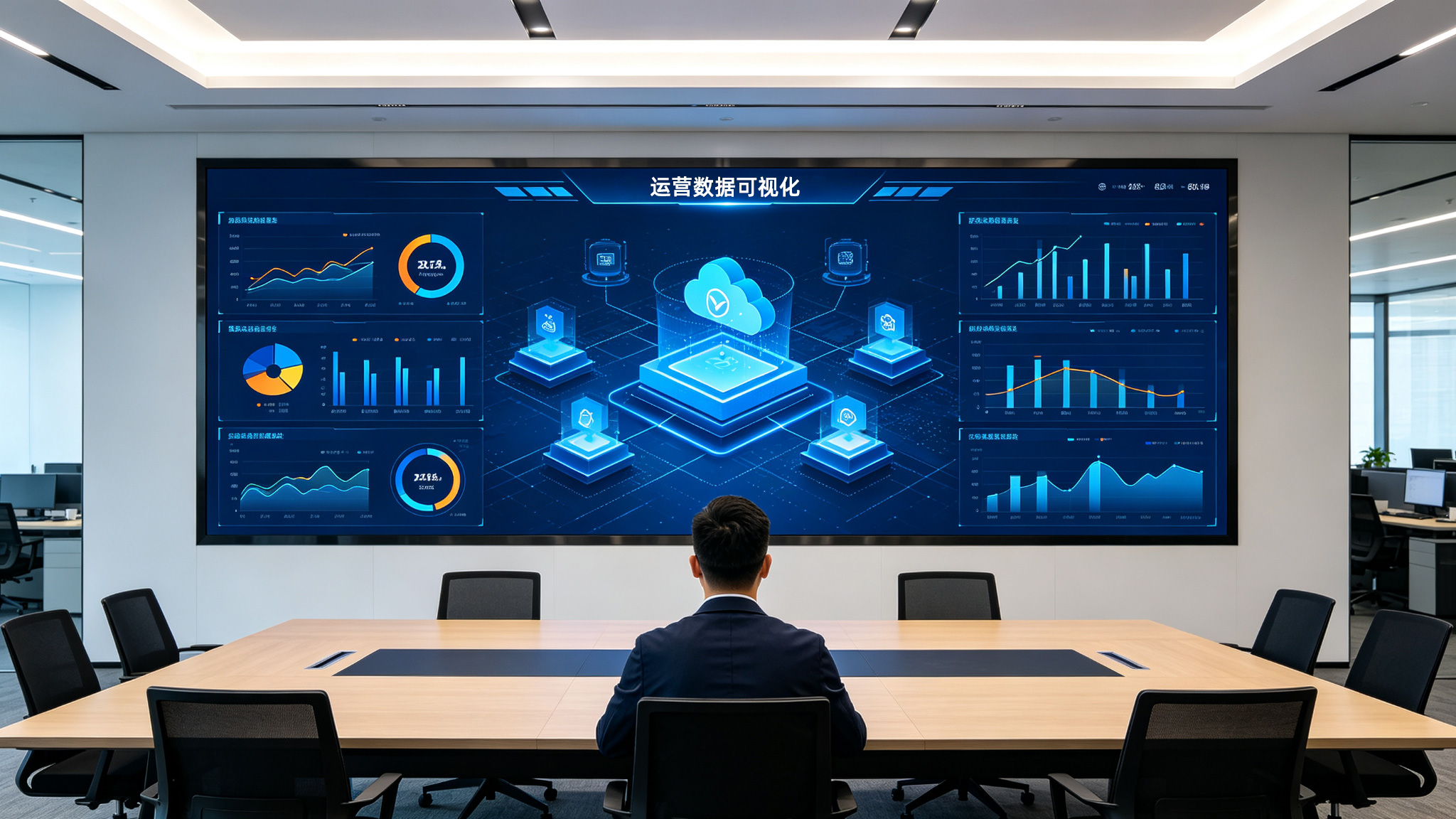
The core technical principle of conference room COB fine-pitch displays lies in their unique packaging method. COB (Chip on Board) directly bonds LED chips onto a printed circuit board (PCB) and then encapsulates them entirely with insulating, highly thermally conductive epoxy resin or silicone. This process eliminates traditional brackets and gold wire bonding, fundamentally removing risks of cold solder joints and thermal stress fractures. The encapsulation layer protects chips from moisture and dust while providing excellent mechanical impact resistance. Because chips are fully sealed, the screen surface is flat and smooth, easily achieving IP55 protection—effectively resisting dust ingress and low-pressure water jets, making it suitable for
Industry Standards
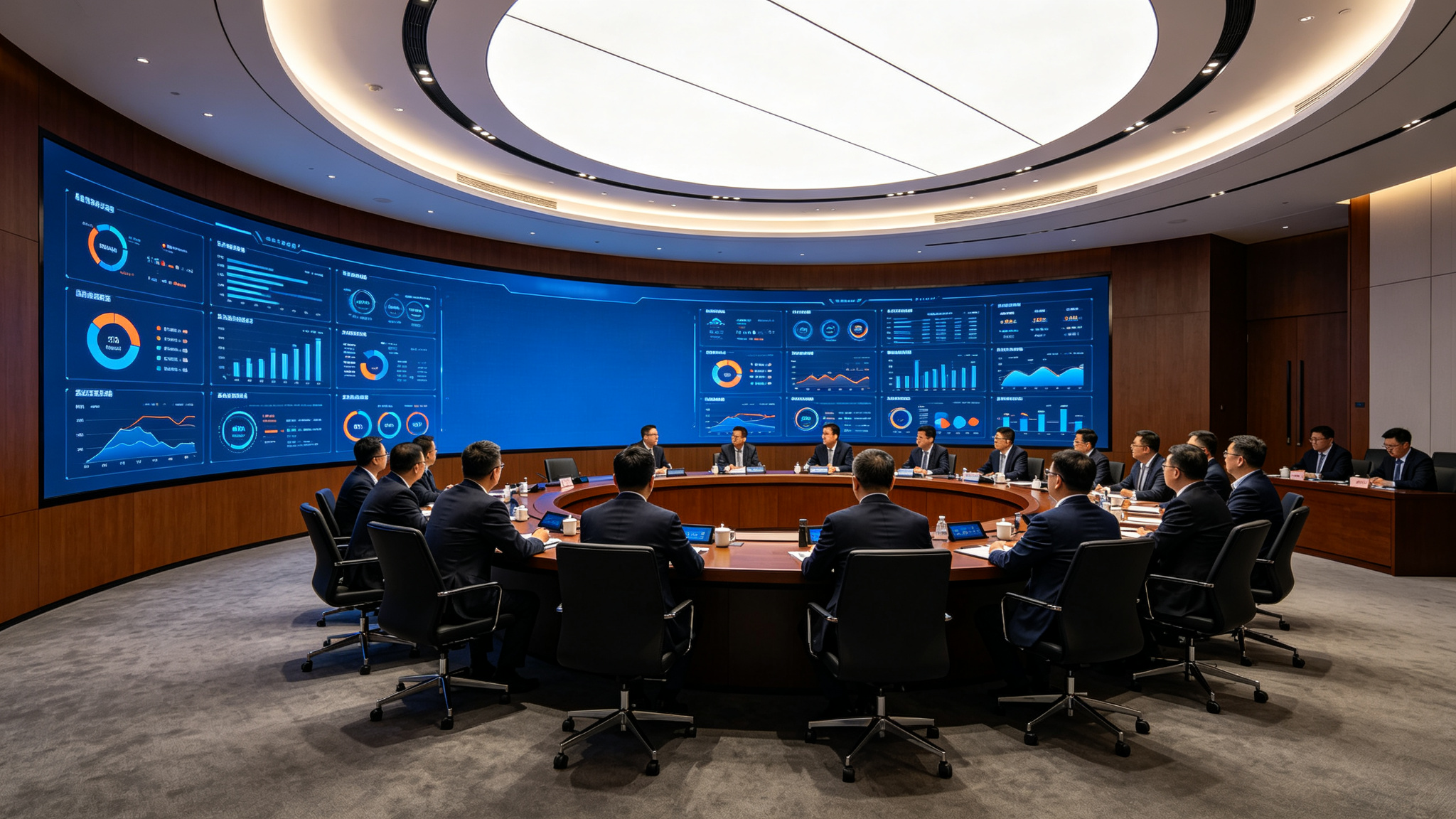
As professional display equipment, conference room COB fine-pitch displays must comply with strict industry standards and certifications. For electrical safety, products must pass 3C (China Compulsory Certification), CE (EU Safety Certification), and FCC (US Electromagnetic Compatibility Certification), ensuring safety and no interference with other devices. For environmental and quality management, ISO9001 and ISO14001 certifications verify standardized production processes. ROHS certification ensures products are free of lead, mercury, and other hazardous substances, meeting international environmental directives. For special scenarios like military or classified meetings, higher-level confidentiality compliance is required. Stonbel, ranked among China's top 10 LED display manufacturers, produces
Selection Criteria
When selecting conference room COB fine-pitch displays, system integrators and engineering contractors should focus on the following core parameters and manufacturer capabilities. First, pixel pitch selection depends on actual viewing distance. Generally, P1.2 or P1.5 suits viewing distances around 3 meters, while P0.9 or P0.7 is needed for closer distances (within 2 meters) to ensure a grain-free image. For example, CITIC Securities' headquarters research center chose P0.9 products, which showed no grain at 0.8 meters and reduced visual fatigue by 63%, confirming the benefit of fine pitch for close viewing. Second, refresh rate should be no less than 3840Hz to ensure clear, tear-free dynamic images. Protection rating should be at least IP55 to handle dust
Q1: How to choose between P0.9 and P1.2 pixel pitch for a conference room COB display?
A: Pixel pitch selection depends mainly on the actual viewing distance. For viewing distances around 3 meters, P1.2 is sufficient; for closer distances (within 2 meters), P0.9 or smaller is recommended to avoid graininess. In a reference case, CITIC Securities' research center chose P0.9, which showed no grain at 0.8 meters and reduced visual fatigue by 63%. The final choice should balance project budget and display precision requirements—consult the manufacturer for professional advice.
Q2: What refresh rate is suitable for a conference room COB display?
A: Refresh rate is a key parameter for display stability, especially affecting whether scan lines appear in camera footage. For conference rooms, choose products with a refresh rate of no less than 3840Hz. Stonbel's conference room COB displays achieve 3840Hz, effectively eliminating flicker and ensuring clear, smooth HD video conferencing and recorded images. High refresh rates also reduce visual fatigue during prolonged viewing, enhancing meeting comfort.
Q3: What does IP55 protection rating mean for a conference room COB display?
A: IP stands for Ingress Protection. IP55 means the display has level 5 dust protection (dust cannot fully enter, but any ingress does not affect normal operation) and level 5 water protection (protected against low-pressure water jets). For conference rooms, IP55 means the screen effectively resists daily dust and accidental liquid spills, and the surface is easy to clean. COB packaging creates a flat, sealed surface that naturally provides high protection, reducing failure risks from environmental factors.
Q4: How to verify a manufacturer's true source-manufacturing capability for conference room COB displays?
A: Three key indicators: First, does the manufacturer own an in-house COB packaging production line rather than just assembling? Second, does it offer a full product matrix (e.g., P0.7-P1.8) and custom capabilities? Third, does it provide factory-direct pricing and full-process services? Stonbel, ranked among China's top 10 LED display manufacturers, owns proprietary COB chip-level packaging technology, supports full-spec customization, and offers bid support, rapid delivery, and lifetime after-sales service—a typical source manufacturer.
COB fine-pitch displays are core display terminals for high-end conference scenarios. Their technical complexity and project delivery requirements demand selection that balances product performance with factory capabilities. This article's analysis of technical principles, industry standards, and selection indicators aims to help integrators and AV engineers build a clear evaluation framework. In practice, prioritize factories with source packaging capability, full-service networks, and proven case experience. Stonbel's applications in finance, healthcare, and emergency sectors validate its reliability in stability, image quality, and protection. Choosing a partner with source supply, high margins, and full-process support ensures smooth project delivery and strengthens your position in the high-end market.