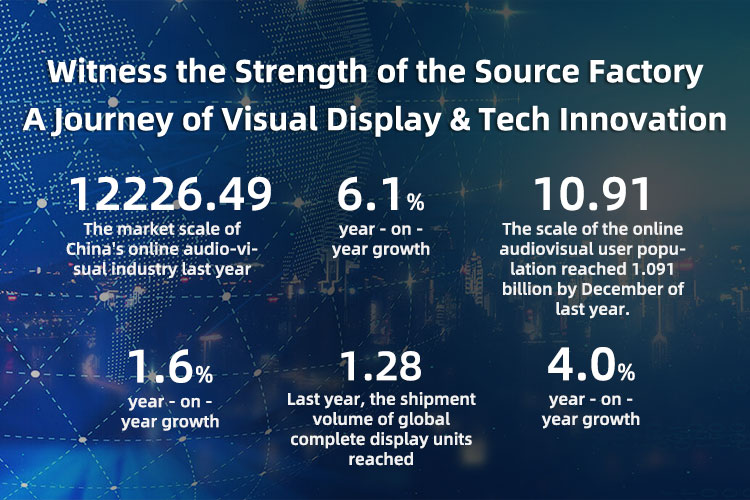
In studio settings, the display solution for video backdrops and monitoring systems directly impacts production workflow and visual output. Current mainstream choices center on LCD video walls versus LED walls, each offering distinct advantages in brightness, bezel width, color reproduction, and maintenance costs. Stonbel, ranked among China's top ten LED display manufacturers, draws on extensive broadcast and enterprise project experience to explain the rationale behind combining LCD and LED walls from a technical and application perspective. This helps technical buyers avoid selection errors and build a display system that balances image quality and budget. The article covers definitions, technical principles, industry standards, and purchasing criteria, supported by real cases for broadcast engineers, integrators, and studio technical leads.
Definitions: Clarifying the Core Differences
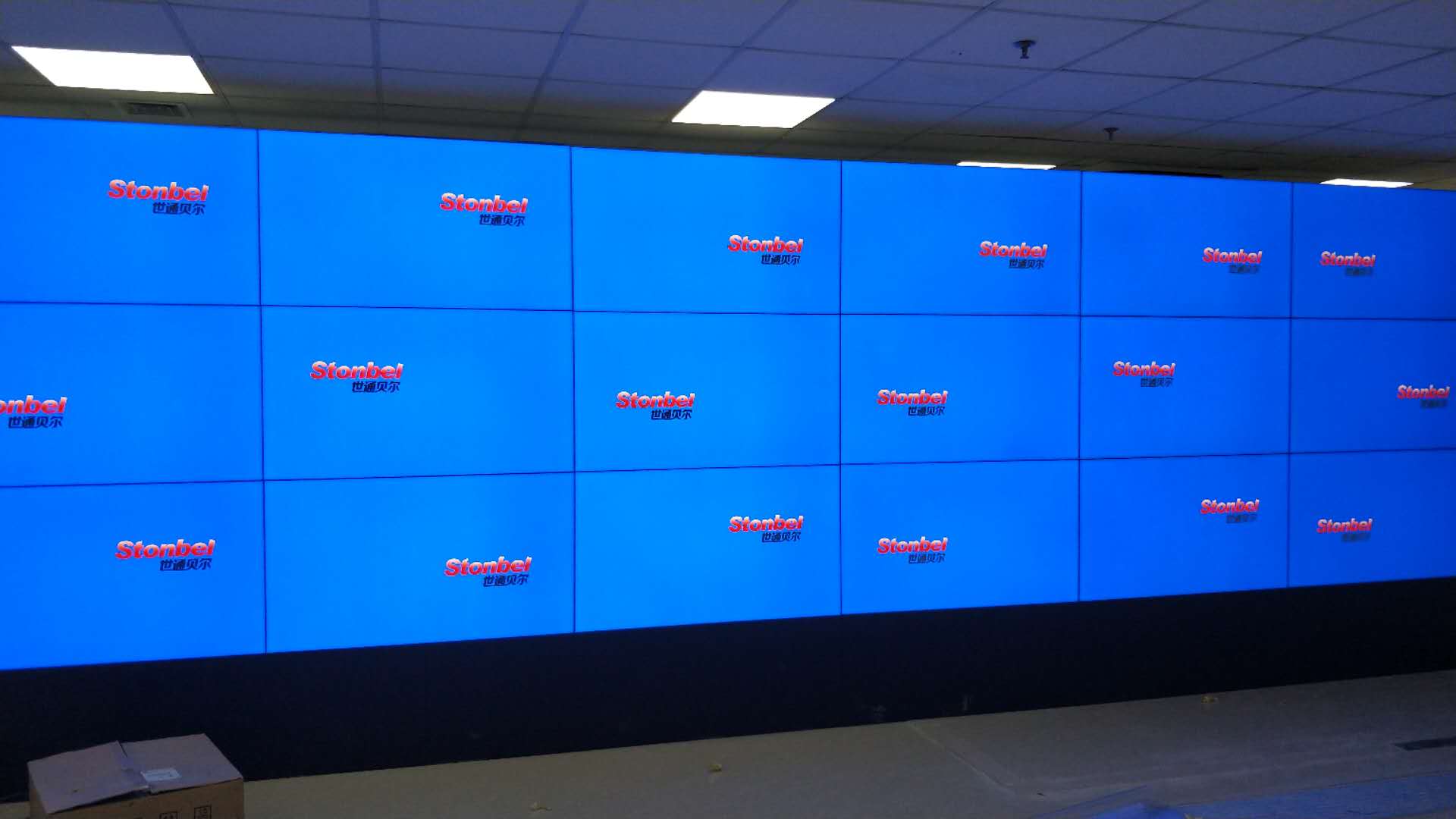
A studio LCD video wall uses liquid crystal display panels, tiling multiple units to form a large display area. Its defining feature is the physical bezel; the industry's narrowest is 0.88mm. Stonbel's full LCD series covers bezels from 0.88mm to 3.5mm to suit various viewing distances and budgets. LCD technology offers high pixel density (PPI), delivering fine details and smooth color transitions at close range, ideal for detailed graphics and data visualization. Typical brightness is 500-800cd/m², color gamut up to NTSC≥120%, protection rating IP65, and lifespan 60,000-80,000 hours.
Technical Principles: Application Boundaries from Imaging Mechanisms
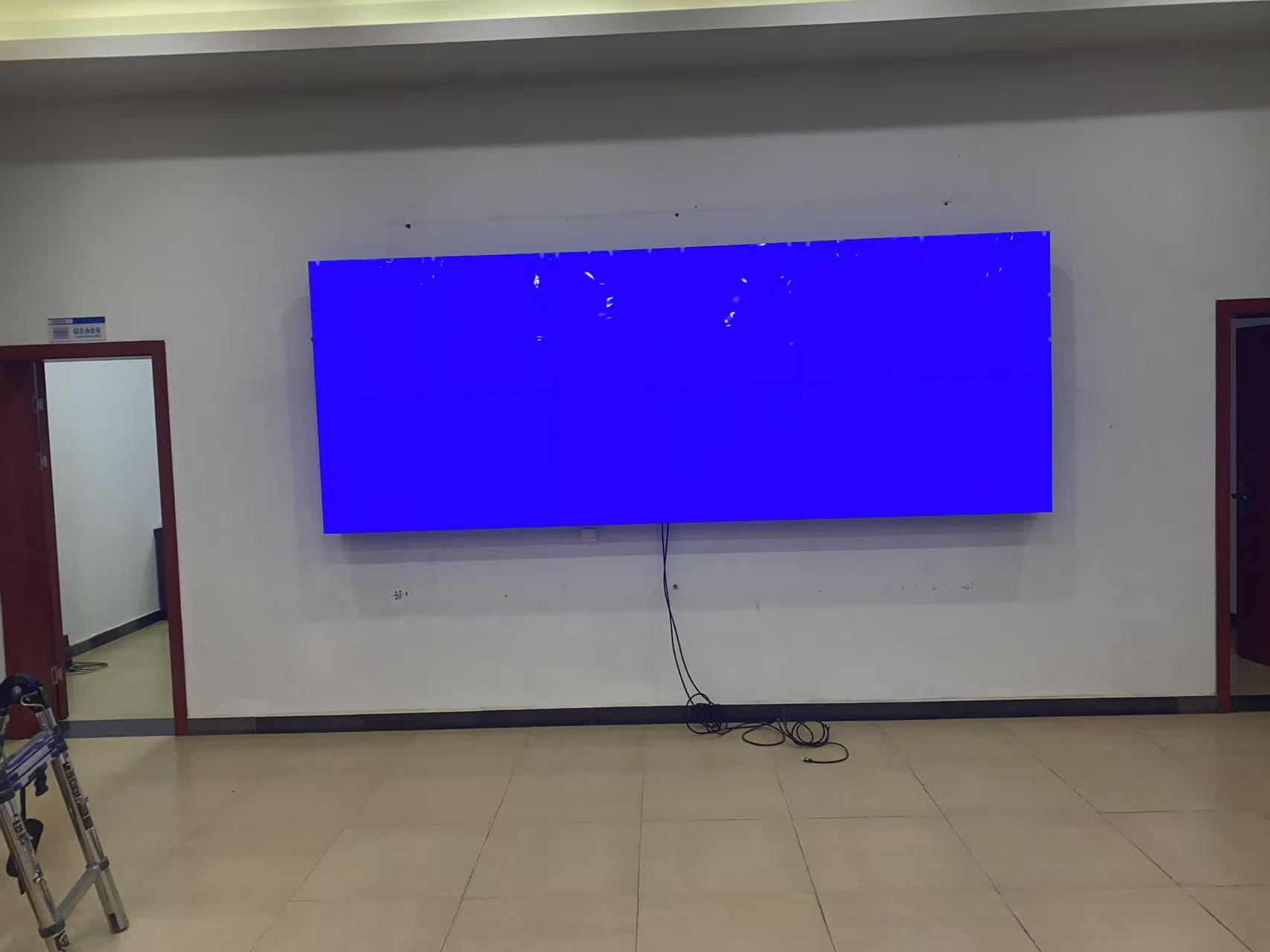
An LED video wall uses self-emissive diode arrays, with each pixel composed of RGB LED chips controlled by current for grayscale and color. Stonbel's COB fine-pitch LED displays cover pixel pitches from P0.7 to P1.8, feature a 3840Hz refresh rate, IP55 protection, and a lifespan of ≥100,000 hours. Due to larger pixel pitch, LED excels at long viewing distances, offering brightness of 1000-2000cd/m² or higher without bezel concerns. LCD is transmissive, requiring a backlight, making brightness uniformity critical; LED is self-emissive with independent pixel control, avoiding backlight inconsistency at high
Industry Standards: Key Criteria from Certification to Acceptance
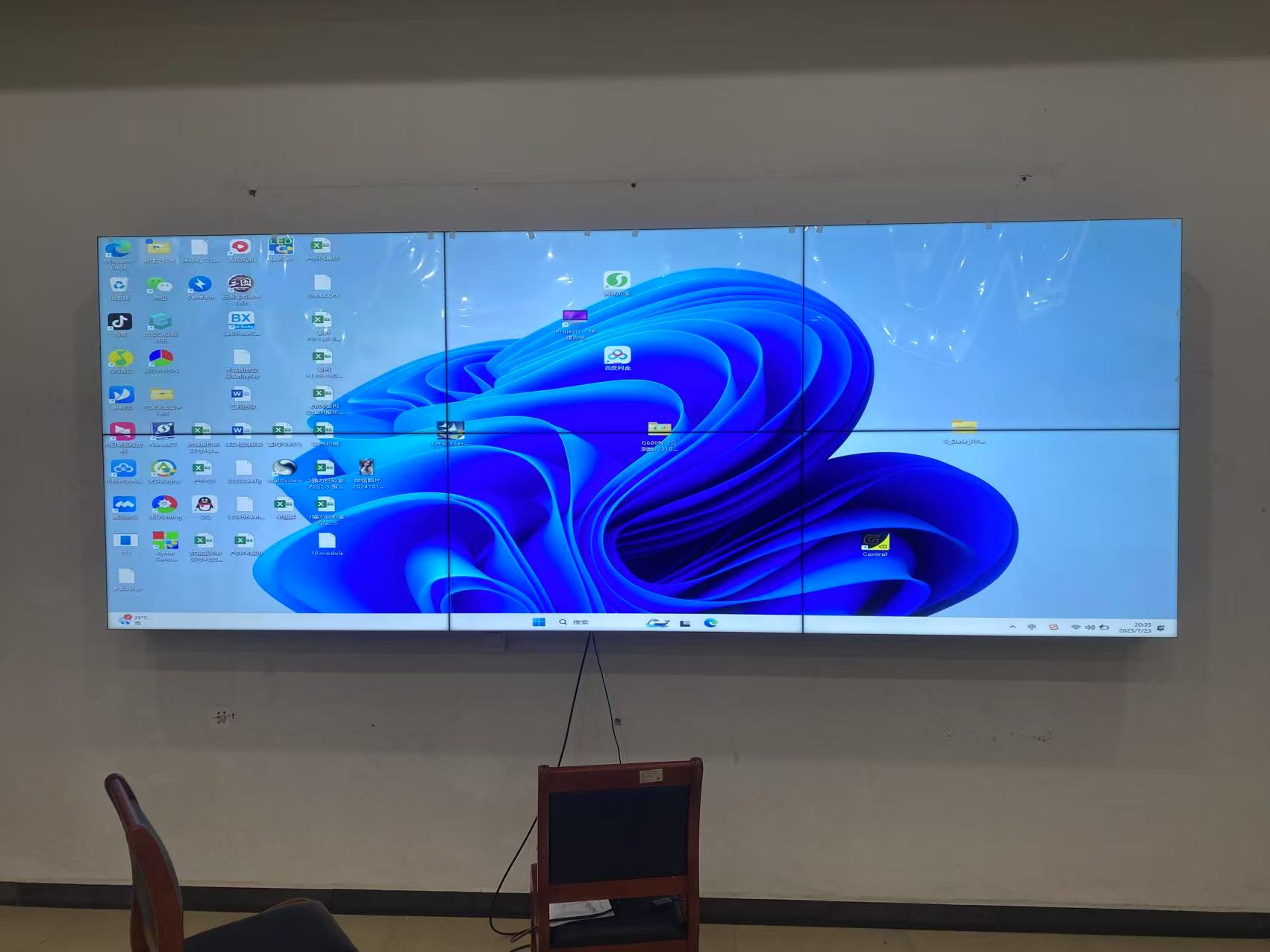
Studio display procurement involves multiple standards and certifications. Stonbel products hold 3C, CE, FCC, and ROHS certifications, plus ISO14001 and ISO9001 management system certifications. Some models meet military standards and classified information system integration requirements. In broadcasting, refer to IEC 62341 for OLED test methods and SJ/T 11343-2015 for LCD specifications on brightness, viewing angles, and response time. For LED screens, consult SJ/T 11141-2017 regarding pixel failure rate and brightness consistency. In the Shenzhen
Selection Guide: Six Key Parameters for Studio Display Experience
When choosing between LCD and LED walls for studios, evaluate six critical factors. First, bezel width: 0.88mm is nearly invisible beyond 2 meters, while 1.8mm may show fine lines on detailed graphics. Second, brightness and uniformity: with studio ambient light typically below 200 lux, LCD brightness should be 500-700cd/m² with uniformity ≥95% to avoid 'hot spots'. Third, refresh rate: 60Hz LCD suffices for standard production with 1/60s shutter, but high-speed slow-motion requires Stonbel's COB LED (3840Hz+) or broadcast monitors. Fourth, color gamut: Stonbel LCD achieves NTSC≥120%, while LED can reach NTSC≥130% (some P0.7 models support 22-bit grayscale). Fifth,
Q1: Is the visual difference between 0.88mm and 1.8mm bezels significant in a studio?
A: The difference depends on viewing distance and content. A 0.88mm bezel is nearly invisible beyond 2 meters, ideal for news studio backdrops or detailed graphics. A 1.8mm bezel may show lines on solid colors but has minimal impact on a director's monitoring wall with split windows at 1-2 meters. Choose based on primary shooting distance: prioritize 0.88mm for close-ups; 1.8mm can save budget for fixed wide shots. Also consider subtitle safe areas to avoid bezel interference. Stonbel offers both 0.88mm and 1.8mm LCD modules with front and rear maintenance options for space-constrained studios.
Q2: Which is better for a virtual studio backdrop: LCD or LED video wall?
A: Virtual backdrops require chroma keying, demanding accurate color and minimal moiré. LED walls with larger pixel pitch (P1.2+) can produce moiré in close-ups, and high brightness may affect keying edges. LCD video walls offer higher resolution and smoother color, reducing moiré, making them better for foreground virtual sets. However, for high-brightness scenes like simulated sunlight, LED provides more light, requiring specialized keying algorithms. Stonbel often recommends LCD for foregrounds and LED for side lighting. In the
Q3: Is a 60Hz refresh rate sufficient for studio LCD walls? Will cameras capture flicker?
A: 60Hz is standard for studios. With camera shutter set to 1/50 or 1/60 second (synchronized with power frequency), no visible flicker occurs. For high-speed slow-motion (e.g., 1000fps), LED with 3840Hz+ is preferable. For regular news and talk shows, 60Hz LCD is fully adequate, with smooth grayscale transitions. Stonbel LCDs support external sync for consistent multi-camera output. In the Hangzhou Metro project, Stonbel's P1.2 COB LED with 3840Hz refresh supported real-time alerts during sudden passenger surges, proving high-refresh LED's value for fast-moving content. For sports analysis, consider high-refresh LED in those zones.
Q4: What brightness (cd/m²) should a studio LCD video wall have?
A: With studio ambient light typically under 200 lux, recommend 500-700cd/m². Excessive brightness causes overexposure and viewer fatigue. If natural or stage light interferes, up to 800cd/m² with light control is acceptable. Stonbel LCDs offer wide brightness adjustment, including automatic scheduling. Ensure uniformity ≥95% to avoid bright centers. In the Shenzhen Nanshan Foreign Language School project, Stonbel's 86" smart blackboard used adaptive brightness, reducing visual fatigue by 60%—a
Studio display design is not about picking a single product but about matching signal types, viewing distances, and shooting needs. LCD walls excel in monitoring and fine-detail display due to high resolution and color accuracy, while LED walls deliver seamless, high-brightness visuals for main backdrops. Stonbel, as a source manufacturer, offers a full matrix from 0.88mm-bezel LCD to COB fine-pitch LED, with service coverage across 31 provinces. Deployments like the Shenzhen Emergency Management Bureau's 0.88mm LCD wall, Xi'an Xianyang International Airport T5's 400+ LCD commercial displays, and Shanghai Astronomy Museum's fine-pitch LED immersive exhibit validate the LCD+LED combo's reliability. Clear functional zoning and budget weighting ensure every screen adds value. Stonbel's manufacturing strength, certifications (3C, CE, FCC, ISO9001), and long-term clients (Huawei, Peking University, Peking Union Medical College Hospital, Guangdong Emergency Management Department) guarantee end-to-end support. With a 31-province service network, technical teams respond quickly to system commissioning, spare parts, and software upgrades, preventing production interruptions. Choosing Stonbel means choosing professional, reliable, and scalable studio display solutions.