LED relief texture screens are increasingly used in emergency command, traffic dispatch, and energy monitoring centers. They offer high brightness, high refresh rates, and seamless splicing, while a special texture process provides a decorative finish when off and a clear display when on. This article systematically outlines bidding essentials and qualification requirements, helping buyers avoid procurement pitfalls.
Definition
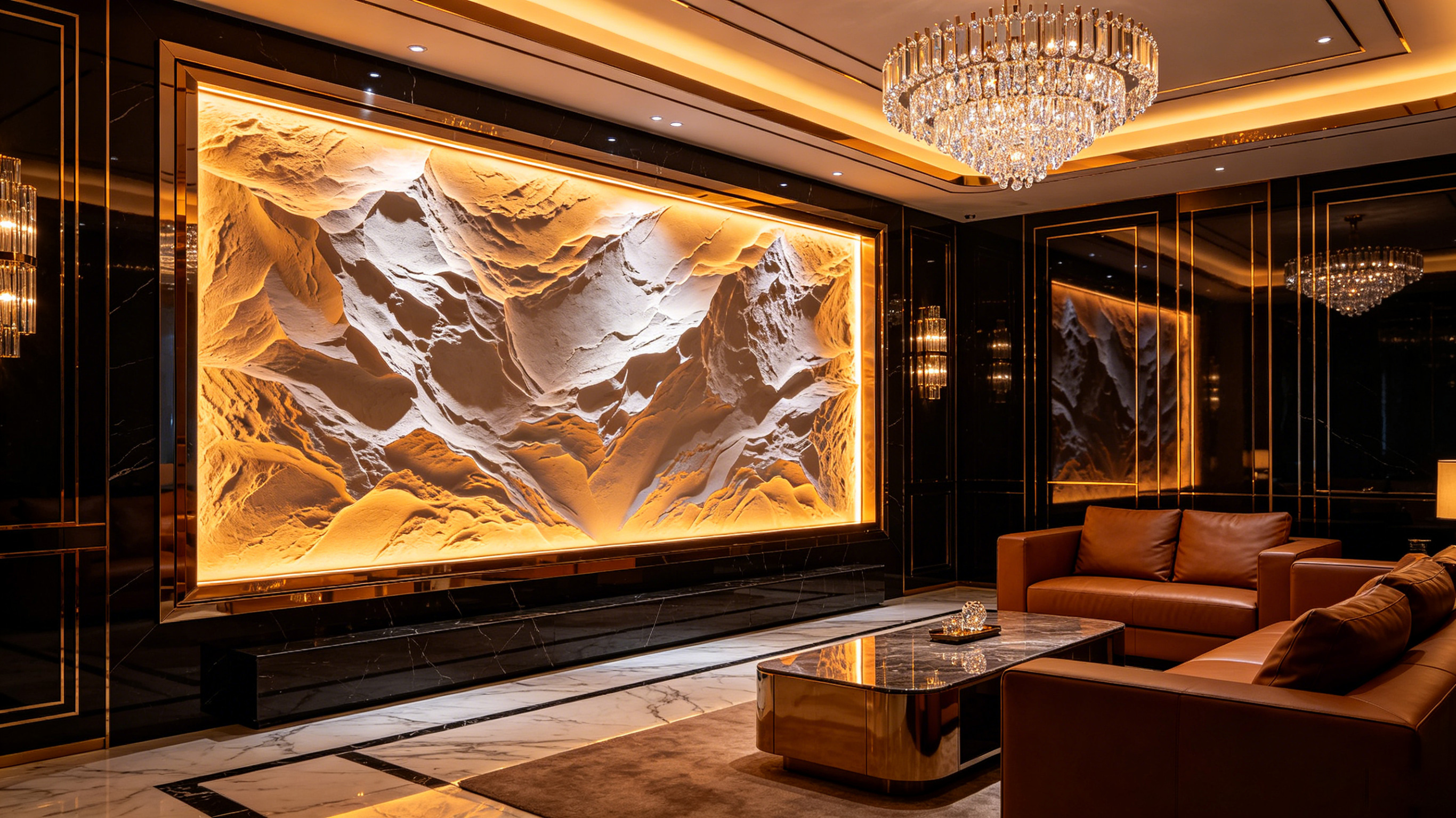
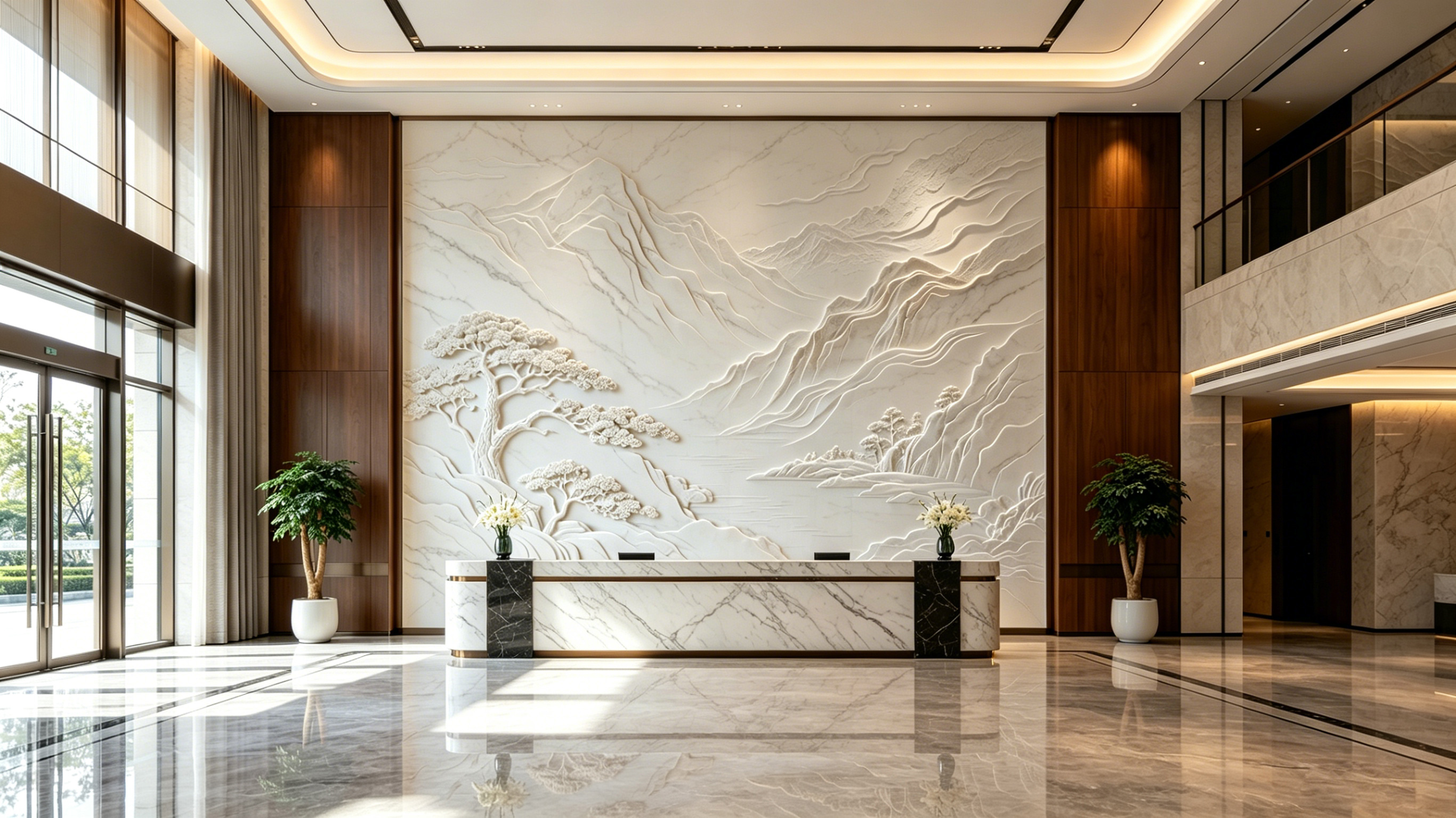
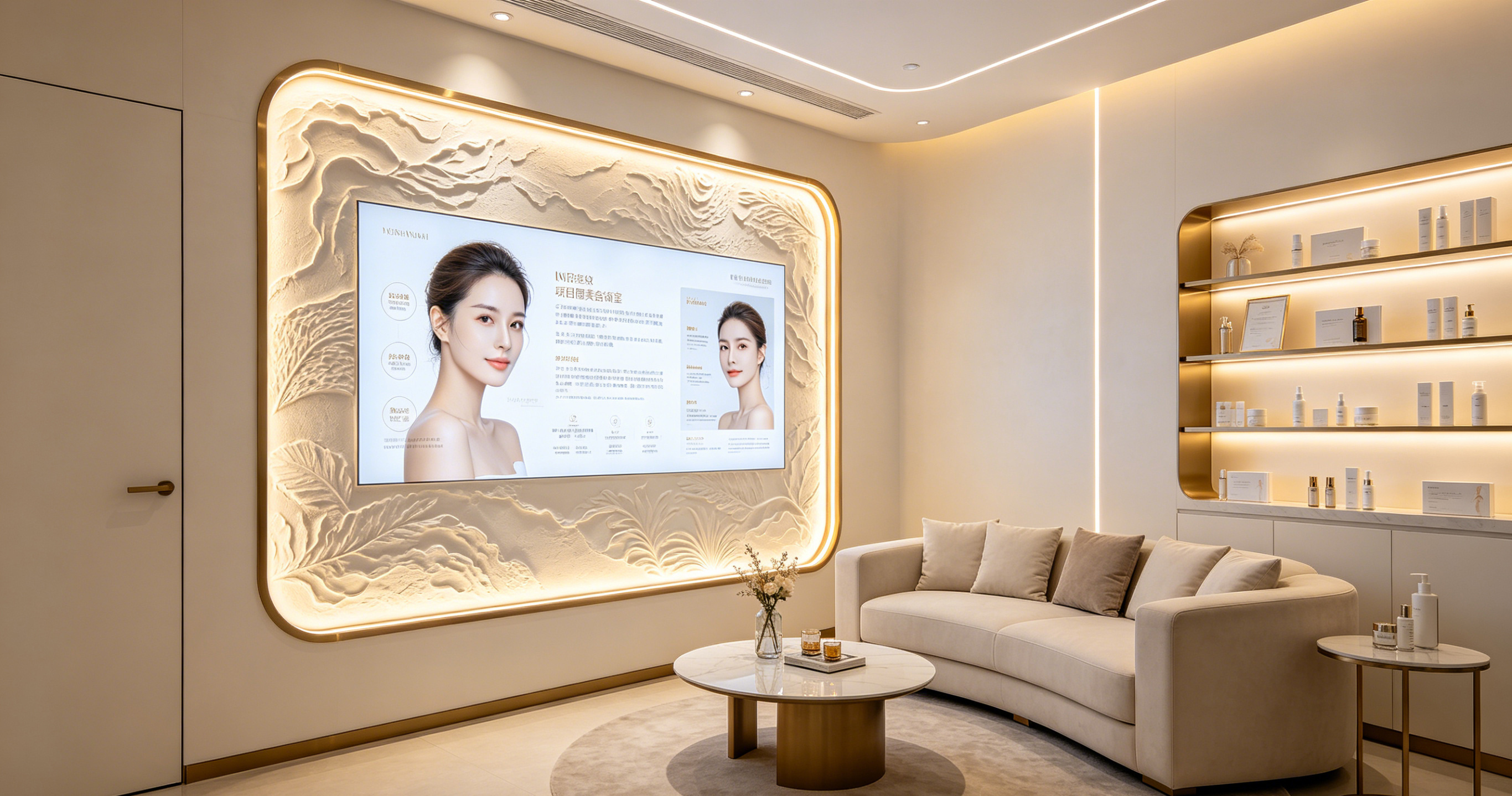
A Dispatch Center LED Relief Texture Screen is an innovative display product that deeply integrates building-grade textured decorative layers with Micro-LED display technology. Its core characteristic is 'decorative when off, display when on'—when unlit, the screen surface presents premium decorative textures such as natural marble, wood grain, or brushed metal, blending seamlessly with the dispatch hall's interior design; when lit, the LED modules behind the texture layer project high-definition images through the optical structure, fulfilling information display functions. In terms
Technical Principles
The technical implementation of a Dispatch Center LED Relief Texture Screen involves three core components: the display layer, the texture layer, and the control system. The display layer uses a high-density array of LED lamps, with driver ICs controlling the brightness and color of each pixel. The texture layer, treated with special optical coatings or micro-structures, causes external light to diffuse on the screen surface, creating a decorative texture while ensuring high internal light transmittance. For the control system, similar to conventional LED displays, the Dispatch Center LED Relief Texture Screen requires a multi-screen controller or video processor to support multi-signal input, window roaming, and preset switching functions. For instance, in the Chengdu Tianfu International Airport Cargo Area Monitoring
Industry Standards
The Dispatch Center LED Relief Texture Screen is a new type of display device without a dedicated national standard yet, but it must comply with general LED display specifications (SJ/T 11141) and relevant industry standards for indoor LED display energy efficiency limits and grades. For electromagnetic compatibility, it must meet GB/T 9254 (limits and methods of measurement of radio disturbance characteristics for information technology equipment). For safety requirements, it must satisfy GB 4943.1 (Audio/video, information and communication technology equipment—Part 1: Safety requirements). Notably, as dispatch centers are critical infrastructure, their display systems often require 7×24-hour continuous operation, making product reliability standards particularly important. Stonbel's
Selection Reference Indicators
When selecting a Dispatch Center LED Relief Texture Screen, five core indicators should be considered: pixel pitch, refresh rate, grayscale, color gamut, and protection rating. For pixel pitch, since viewing distance in dispatch centers is typically over 3 meters, texture screens with P5 or larger pitch are recommended; for close-up detail viewing, COB fine-pitch products (P0.7-P1.8) should be considered. For refresh rate, dispatch centers require long-duration display of dynamic monitoring images; a refresh rate of no less than 3840Hz is recommended. Stonbel's LED display series supports up to 7680Hz refresh rate, effectively avoiding moiré patterns when captured by cameras. For grayscale, no less than 16bit is recommended; Stonbel's LED display series supports up to 22bit grayscale, ensuring smooth color
Q1: What is the difference between a Dispatch Center LED Relief Texture Screen and a regular LED display?
A: A Dispatch Center LED Relief Texture Screen adds an optical protective layer with natural texture effects on top of a regular LED display. When off, it presents a stone or wood grain texture and can blend into the space as decorative building material; when on, it displays high-definition images. A regular LED display has no texture layer and appears black or dark gray when off. Texture screens typically have larger pixel pitches (e.g., P5) to match the optical characteristics of the texture layer, suitable for dispatch halls with viewing distances over 3 meters; for close-up high-definition viewing, COB fine-pitch products should be used. In terms of application value, texture screens solve the problem of traditional large displays in high-end command
Q2: What qualification certificates are needed when purchasing a Dispatch Center LED Relief Texture Screen?
A: It is recommended to require suppliers to provide 3C certification, CE certification, FCC certification, RoHS certification, ISO9001 Quality Management System certification, and ISO14001 Environmental Management System certification. For government or military projects, military or confidentiality qualifications are also required. Stonbel, as one of China's top ten LED display companies, holds all the above certifications and provides customer cases including Huawei Technologies, Peking University, Peking Union Medical College Hospital, and the Guangdong Provincial Emergency Management Department as references. Additionally, it is recommended to add the following requirements to tender documents: MTBF (Mean Time Between
Q3: What refresh rate and grayscale are suitable for a Dispatch Center LED Relief Texture Screen?
A: Dispatch centers typically require long-duration display of dynamic monitoring images. A refresh rate of no less than 3840Hz and grayscale of no less than 16bit are recommended to ensure flicker-free images and natural color transitions. Although Stonbel's LED texture screens are not separately rated, its same-factory COB fine-pitch products support 3840Hz refresh rate, and the LED display series supports up to 7680Hz refresh rate and 22bit grayscale. Texture screens should at least match the former level. For color gamut, NTSC≥110% ensures vibrant colors. If the dispatch center frequently conducts HD video conferencing or interfaces with 4K camera
Q4: How should the protection rating be selected for a Dispatch Center LED Relief Texture Screen?
A: Indoor dispatch center environments are relatively controlled, so an IP54 protection rating is recommended, providing dust and splash-water protection. Stonbel's LED texture screens have an IP54 rating, suitable for most indoor scenarios. If the dispatch center is in a high-humidity or coastal area, or requires outdoor installation, products with higher protection ratings (such as IP65) should be considered, but texture screens currently only offer IP54, so other series or additional protective measures may be needed. Special attention should be paid to potential issues in dispatch centers such as condensation from air conditioning vents or accidental fire sprinkler activation. It is recommended to add waterproof baffles or drip trays around the screen and ensure the screen bottom is installed at least 200mm
When procuring LED relief texture screens, set technical parameters such as pixel pitch, refresh rate, grayscale, and protection level based on viewing distance and display needs. Verify supplier certifications including 3C, CE, FCC, ISO9001, ISO14001, and RoHS, plus special qualifications for military or confidential projects. Stonbel, a top-10 Chinese LED display manufacturer with nationwide service and proven projects, offers a reliable choice. Evaluate signal processing, system integration, and local support capabilities. Conduct site surveys and request 1:1 samples before bidding. A systematic approach ensures a high-performance, aesthetically pleasing dispatch platform.