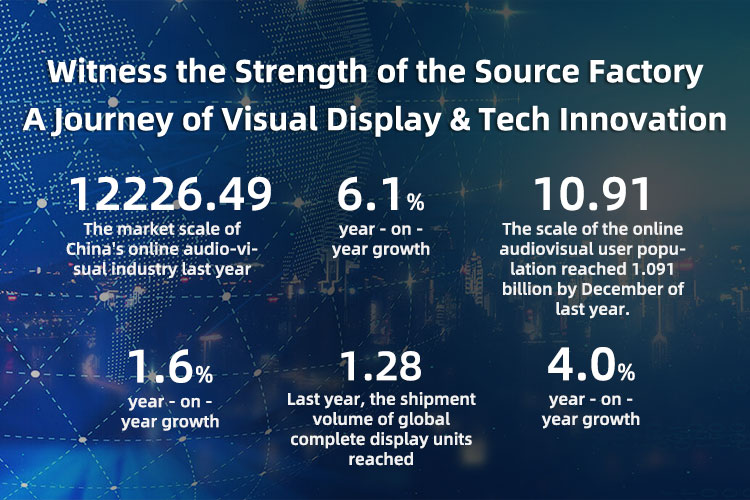
In conference room display upgrade projects, COB fine-pitch displays are increasingly preferred by low-voltage integrators and AV engineers. Compared to traditional SMD displays, COB packaging offers clear advantages in protection, image consistency, and close-viewing comfort. However, what is the appropriate viewing distance for a conference room COB display? How should pixel pitch be determined? These factors directly impact project experience and solution cost. Based on real engineering parameters and delivery experience, this article outlines a numbered step-by-step process from requirement confirmation to acceptance delivery, helping engineers quickly lock in reasonable configurations during pre-sales and avoid rework and customer complaints.
Process Overview
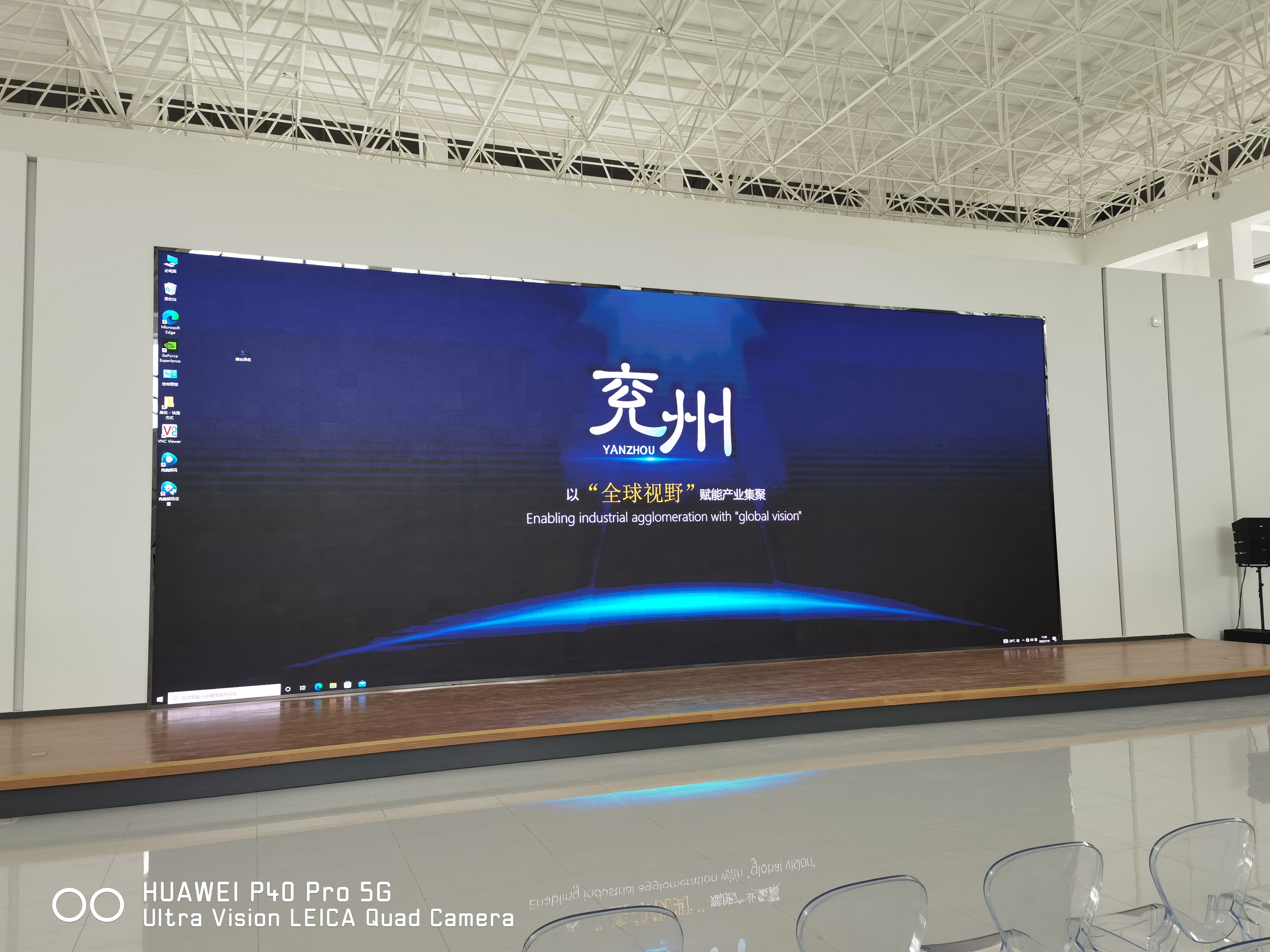
Selecting a COB fine-pitch display for conference rooms is not just about resolution; the core logic is that viewing distance determines pixel pitch, which in turn determines screen size and budget. In conference settings, attendees often need to view reports, drawings, or video conference images up close. If the pixel pitch is too large, visible graininess appears; if too small, it wastes budget. Therefore, integrators must first measure the actual viewing distance range in the room, then work backward to determine the appropriate pixel pitch based on the pixel density characteristics of COB fine-pitch displays. Stonbel's COB fine-pitch displays cover the full range from P0.7 to P1.8, with a refresh rate of 3840Hz, a lifespan of no less than
Step-by-Step Checklist
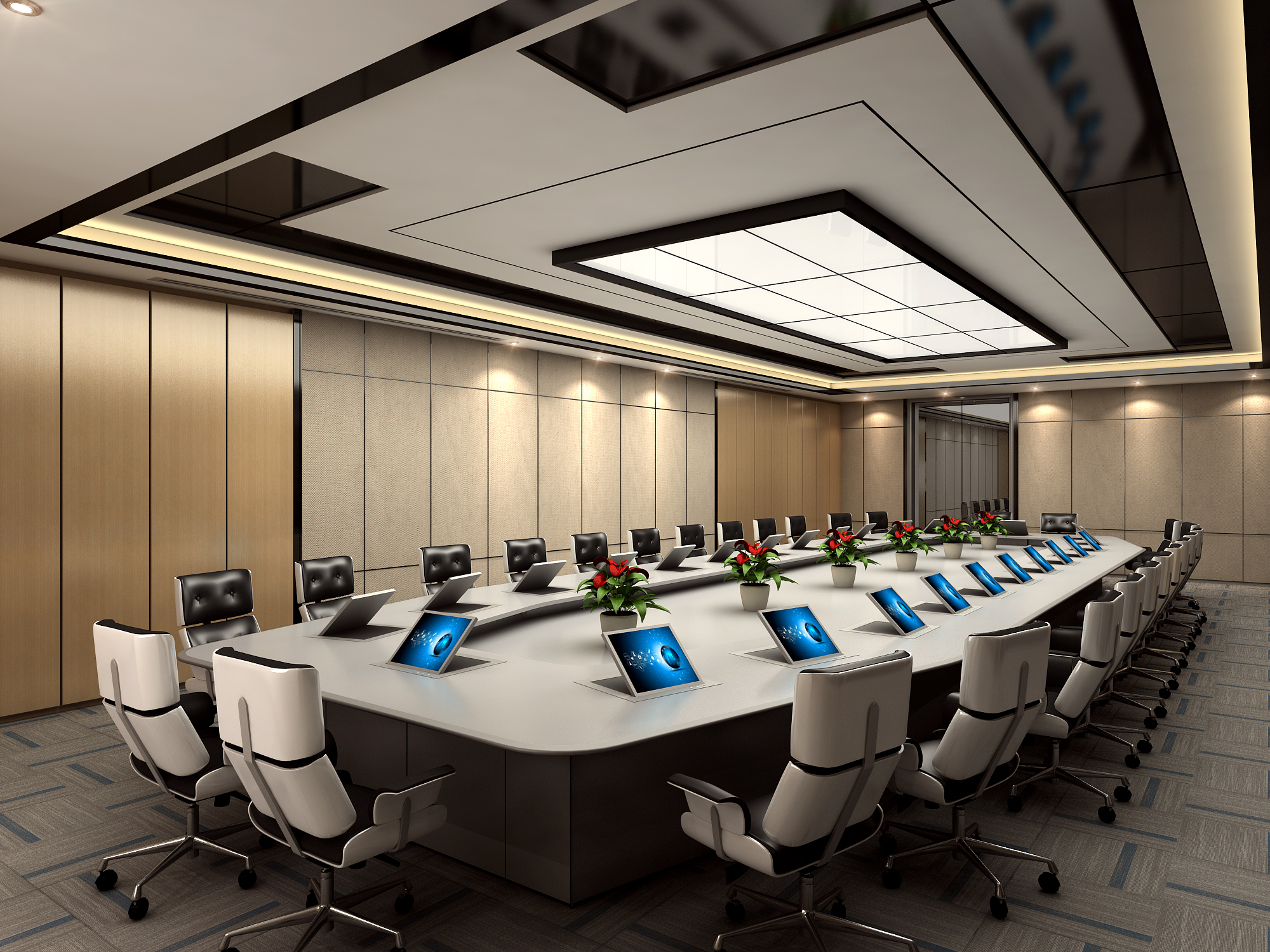
Step 1: Measure the actual viewing distance in the conference room. Use a laser distance meter to measure the distance from the eyes of the first-row attendees to the screen surface (minimum viewing distance) and the distance from the last row (maximum viewing distance). For COB fine-pitch displays in conference rooms, the minimum viewing distance should generally not be less than 1000 times the pixel pitch (e.g., approximately 1.2 meters for P1.2), while the maximum distance is determined by screen width and font size. Step 2: Match pixel pitch based on distance. If the minimum viewing distance is within 1.5 meters, P0.7 or P0.9 is recommended; if the distance is between 1.5 and 2.5 meters, P1.2 offers a balanced choice; if the distance exceeds 3 meters, P1.5 or P1.8 provides sufficient clarity at a lower cost. Step 3: Calculate screen
Acceptance Criteria
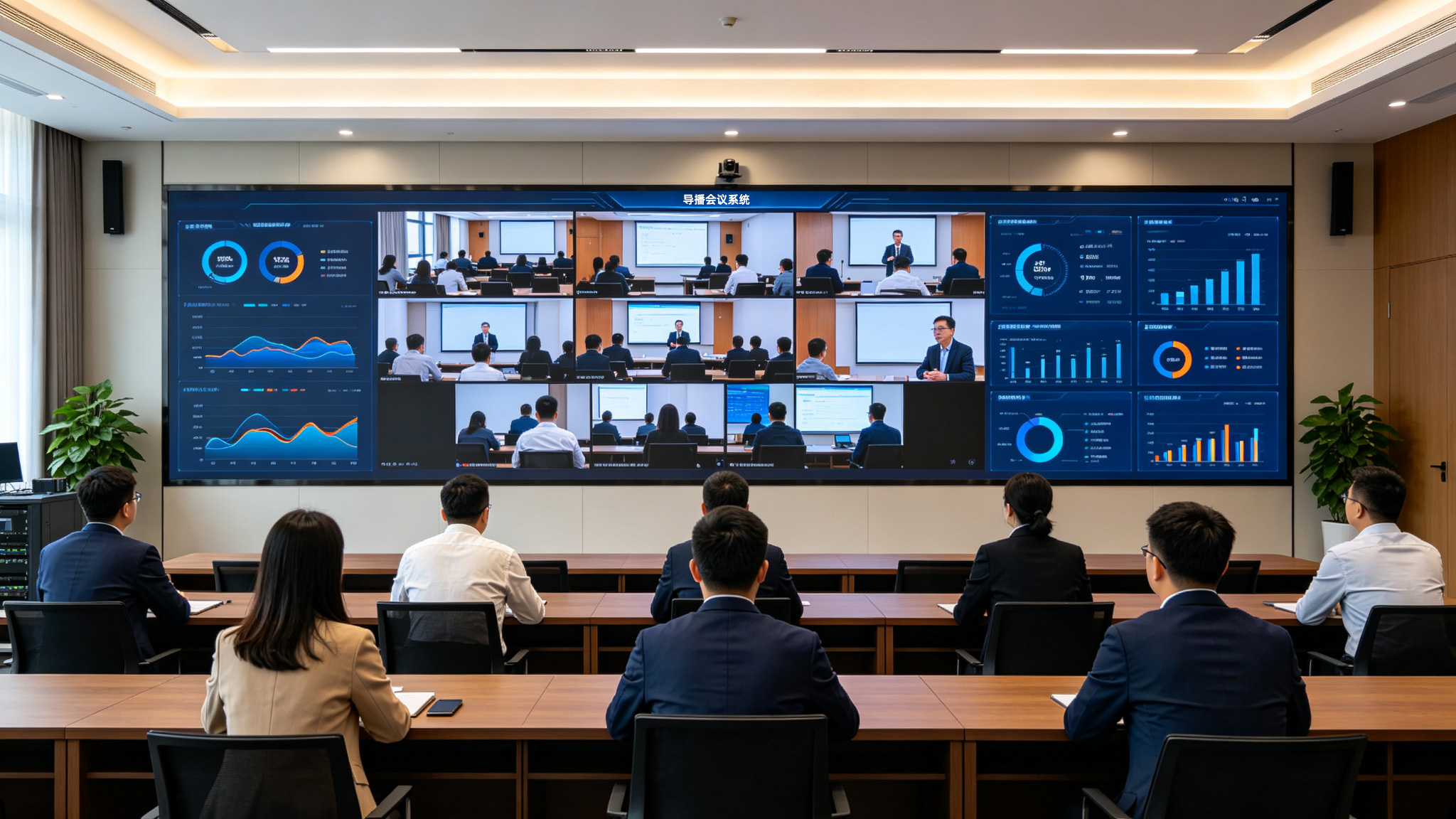
Acceptance of COB fine-pitch displays in conference rooms should focus on three dimensions: display quality, protection performance, and stability. First, for display quality, under standard conference room lighting (approximately 200-300 lux), screen brightness should be set between 300-600 cd/m², with a contrast ratio no lower than 5000:1. During acceptance, use solid-color images to check for color block deviations or dead pixels. COB packaging, with its chip-level coating technology, has an extremely low pixel failure rate, making defects nearly invisible to the naked eye. Second, for protection performance, Stonbel COB panels have an IP55 rating, effectively resisting common dust, water splashes, and physical impacts in conference rooms. During acceptance, check that the screen surface is flat and scratch-free, and confirm proper sealing between the frame and wall. Third, for stability, conduct a continuous 72-hour burn-in test to ensure no screen flickering, blackouts, or signal interruptions. The refresh rate must not be lower than 3840Hz, and
Important Considerations
When selecting and installing COB fine-pitch displays for conference rooms, integrators should note the following: First, avoid blindly pursuing smaller pixel pitches. Although P0.7 offers finer image quality, the difference from P1.2 is not obvious at viewing distances beyond 3 meters, yet it increases cost and driving complexity. Choose based on actual distance—P1.2 is the sweet spot for most conference rooms. Second, pay attention to heat dissipation and power consumption. Although COB panels are more energy-efficient than traditional screens, prolonged meetings still require good ventilation; it is recommended to reserve at least 10 centimeters of clearance behind the screen for heat dissipation. Stonbel products support intelligent low-power management, reducing annual maintenance costs by 70% compared to traditional equipment, but only if the installation
Q1: What is the viewing distance for COB fine-pitch displays in conference rooms?
A: Viewing distance depends on pixel pitch. For P1.2, the viewing distance ranges from 1.5 to 2.5 meters; P0.9 suits 1 to 1.8 meters; P1.5 suits 2.5 to 4 meters. A rough estimate can be made using the formula: minimum viewing distance ≈ pixel pitch × 1000. For example, the minimum distance for P1.5 is about 1.5 meters; beyond that, the human eye cannot distinguish individual pixels. It is recommended to position the first row of seats at least 1.5 meters away to ensure a fine image without a sense of pressure.
Q2: How to choose between P0.9 and P1.2 for a conference room?
A: If the conference room is small (e.g., 10-20 square meters), with few attendees and a need to view high-precision drawings or financial reports up close, P0.9 provides finer image quality. However, if viewing distances are generally above 2 meters, P1.2 offers better value, as its resolution is sufficient for 4K display needs, and the cost is over 30% lower than P0.9. It is recommended that integrators decide based on the client's budget and actual distance testing.
Q3: How does the refresh rate of COB fine-pitch displays affect conference room use?
A: The refresh rate determines the level of screen flicker. If the refresh rate of a COB fine-pitch display is below 1920Hz, moiré patterns may appear when photographed with a smartphone, and prolonged viewing can cause eye fatigue. Stonbel COB screens feature a refresh rate of 3840Hz, far exceeding broadcast standards, providing stable, flicker-free images suitable for video conferencing and recording. A high refresh rate also reduces motion blur, making dynamic data display clearer.
Q4: How much heat dissipation space is needed for installing a COB screen in a conference room?
A: Although COB screens have low power consumption, proper airflow is still necessary. For wall-mounted installations, a clearance of at least 10 centimeters between the screen and the wall is recommended. For recessed installations, ventilation openings should be added to the back panel, along with fans if needed. Stonbel COB screens operate across a wide temperature range, but good heat dissipation extends lifespan to over 100,000 hours. During acceptance, check the temperature at the back of the screen; it should normally be below 55°C.
Selecting a COB fine-pitch display for conference rooms is a systematic process that combines physical distance, usage scenarios, and cost control. Through the four-step process outlined here—measuring distance, matching pixel pitch, validating the solution, and standardizing acceptance—engineers can quickly provide accurate configurations and avoid rework from parameter misjudgment. Stonbel, a display manufacturer with 3C, CE, and FCC certifications, offers a full range of COB products from P0.7 to P1.8, backed by nationwide localized service and lifetime after-sales support, helping integrators achieve higher margins and customer satisfaction in conference room projects. Whether for standard meeting rooms or high-end command centers, proper pixel pitch selection is always the first step to project success.