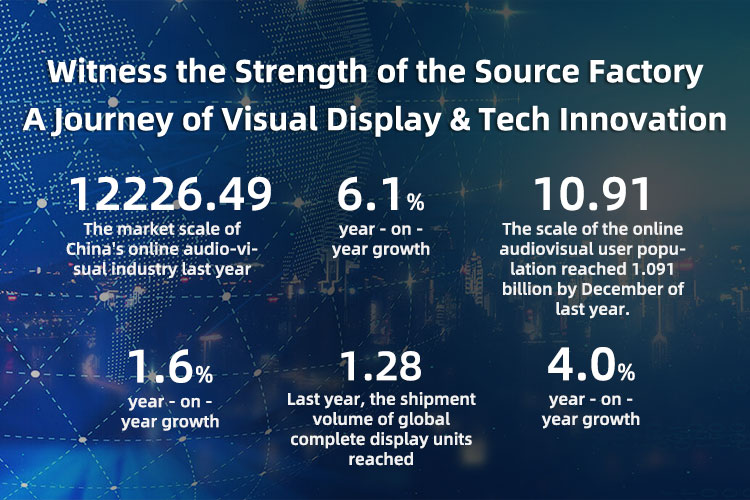
With the advancement of smart campus development, LCD video walls have become core display terminals for scenarios such as surveillance dispatch, teaching observation, and information publishing. Facing numerous brands and specifications in the market, how to identify genuine source manufacturers and how to match suitable product solutions based on campus scenarios are the most concerning issues for procurement decision-makers. This article compiles 20 frequently asked questions, covering selection, specifications, installation, and after-sales service, combined with real project cases and manufacturer qualifications, to help you evaluate rationally and make informed decisions.
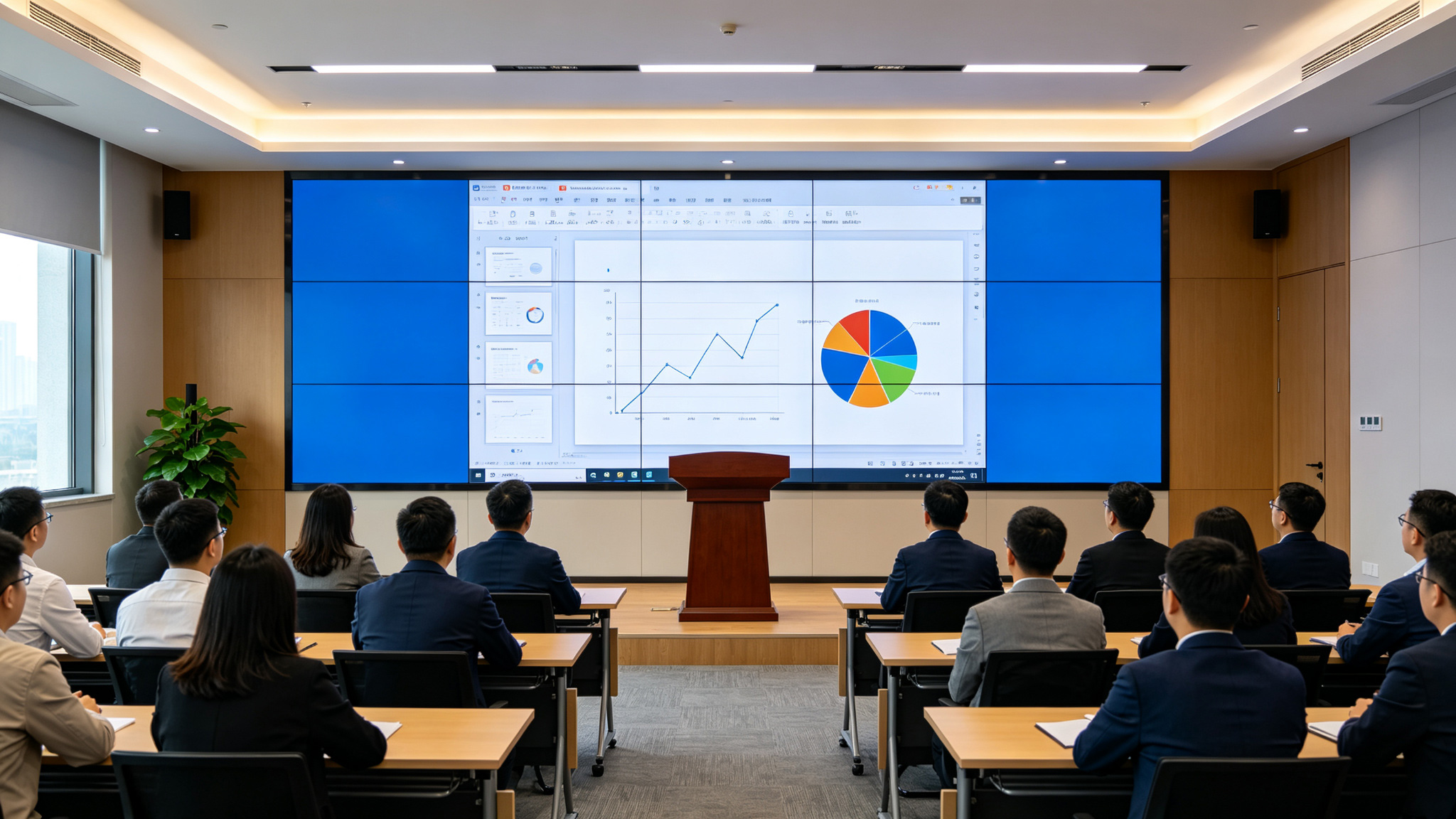
FAQ Overview
Campus LCD video walls are not a one-size-fits-all product. Selection involves panel size, bezel width, brightness and color gamut, control systems, installation environment, and long-term maintenance. The following
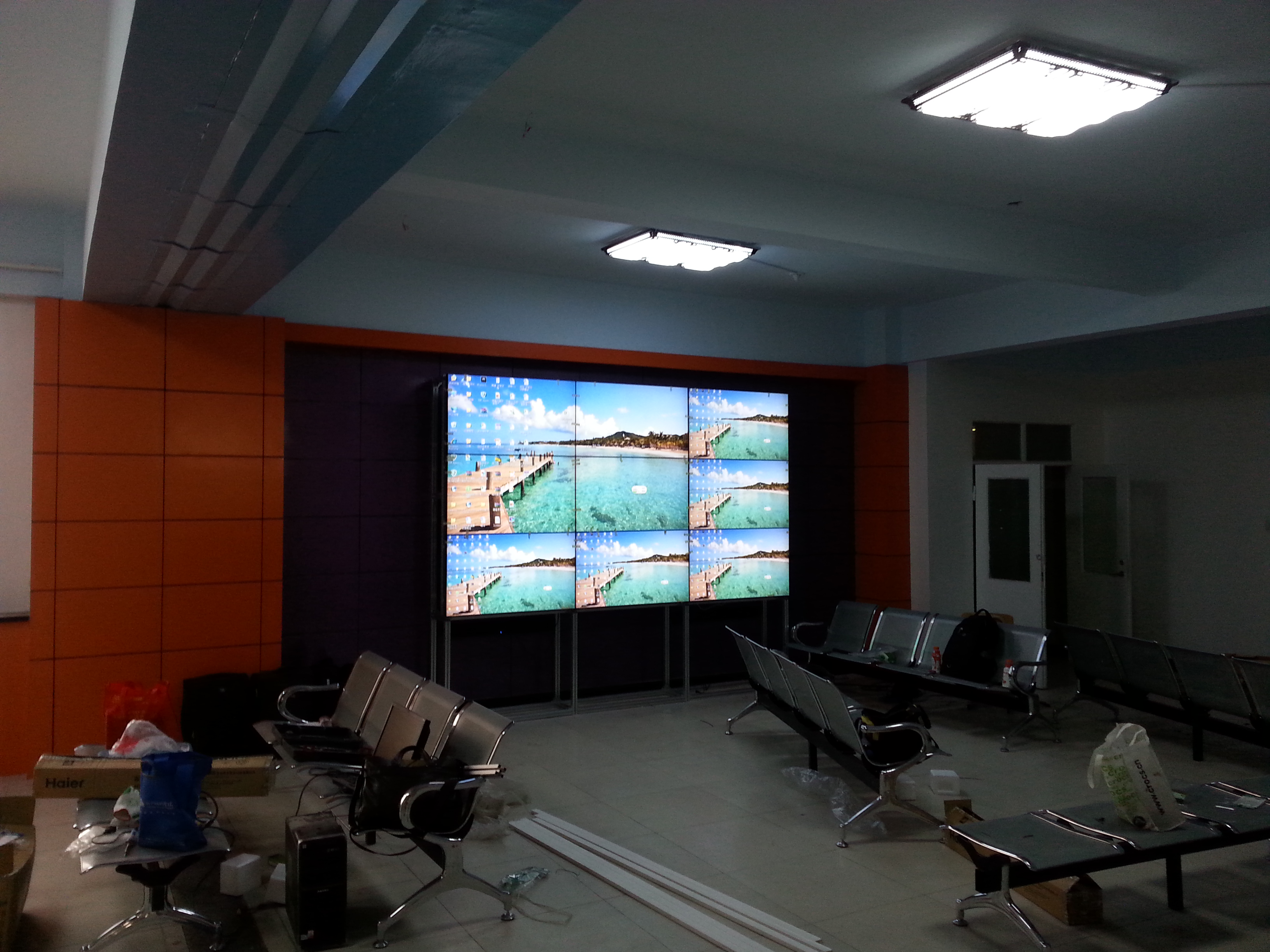
Q1: What is a campus LCD video wall and where is it typically used?
A: A campus LCD video wall is a large display system composed of multiple LCD units that can be flexibly sized. It is commonly used in campus security monitoring centers, academic lecture halls, library information displays, and sports event broadcasting. Its core value lies in
Q2: How is a campus LCD video wall different from a regular TV wall?
A: A regular TV wall is simply an arrangement of independent monitors with wide bezels, lower brightness, and no seamless tiling capability. In contrast, a campus LCD video wall uses professional panels with bezels as narrow as 0.88mm, supports 7×24 continuous operation, and includes a
Q3: How do I choose the bezel width for a campus LCD video wall? Is 0.88mm sufficient?
A: Bezel width affects visual continuity. A 0.88mm bezel is ultra-narrow for LCD video walls, effectively minimizing image fragmentation—suitable for campus security walls or lecture hall main screens. For close-up viewing of fine content,
Q4: What brightness level is appropriate for a campus LCD video wall?
A: Around 500cd/㎡ is generally sufficient for indoor use. However, for campus lecture halls or brightly lit lobbies, a high-brightness version is recommended. Stonbel LCD displays offer color gamut up to NTSC≥120%
Q5: Can a campus LCD video wall operate 7×24 hours?
A: Professional-grade campus LCD video walls are designed for 7×24 continuous operation. Stonbel products use industrial-grade panels with a lifespan exceeding 100,000 hours and include overheat protection—ideal for campus security centers
Q6: What is the benefit of NTSC≥120% color gamut on a campus LCD video wall?
A: A high color gamut delivers richer, more vibrant colors—especially beneficial for playing instructional videos, displaying artwork, or broadcasting sports events. Stonbel LCD products achieve NTSC≥120% color gamut for more accurate color reproduction,
Q7: What does IP65 protection rating mean for a campus LCD video wall?
A: IP65 means full dust protection and protection against water jets, suitable for dusty environments or public areas requiring regular cleaning. Campus corridors and cafeterias often have dust or cleaning
Q8: Is the refresh rate important for a campus LCD video wall?
A: Refresh rate affects the smoothness of dynamic images. When broadcasting sports events or fast-moving instructional content, a high refresh rate reduces motion blur. Stonbel LCD products feature a
Q9: How can costs be controlled for a campus LCD video wall? Is custom tiling quantity feasible?
A: Yes. Campus LCD video walls support flexible tiling configurations such as 2×2 or 3×3. Determine the number of units based on actual viewing distance and content needs to avoid waste. Stonbel offers factory-direct supply, reducing intermediary costs and effectively managing budgets.
Q10: What installation conditions are required for a campus LCD video wall?
A: Before installation, assess wall load-bearing capacity, power supply load, and heat dissipation space. Stonbel provides on-site surveys with services in 31 provinces and municipalities to ensure secure installation. In campus settings,
Q11: What is the typical after-sales response time for a campus LCD video wall?
A: Reputable manufacturers offer rapid response. Stonbel has service points in 31 provinces and municipalities for nearby dispatch, minimizing downtime. Specific response times can be contractually agreed—generally within 4 hours in urban areas, with remote regions negotiated separately.
Q12: What signal inputs does a campus LCD video wall support?
A: It supports common interfaces including HDMI, DP, DVI, and VGA. Stonbel products can be paired with multi-screen controllers to process over 32 signals simultaneously, meeting demands for campus security, remote conferencing, and teaching observation.
Q13: Is the software system for a campus LCD video wall complex?
A: Modern video wall systems emphasize ease of use. Stonbel provides an integrated video processing system with one-click preset mode switching, allowing even non-specialists to operate it quickly. For example, in government projects,
Q14: How can signal latency be avoided on a campus LCD video wall?
A: Signal latency mainly depends on the controller and transmission lines. Using a professional video processor and high-quality cables reduces latency. Stonbel's controllers ensure low-latency transmission, suitable for real-time monitoring and interactive teaching.
Q15: Is the power consumption of a campus LCD video wall high?
A: LCD power consumption is relatively low, and Stonbel products support intelligent brightness adjustment that automatically adapts backlighting to ambient light, saving energy. Over time, this significantly reduces electricity costs for large-scale campus deployments.
Q16: How do I choose the screen size for a campus LCD video wall?
A: Consider viewing distance and available space. For viewing within 3 meters, 55-inch panels are suitable; beyond 5 meters, larger sizes or more units may be needed. Stonbel's main model is 55-inch,
Q17: What installation methods are available for a campus LCD video wall?
A: Common methods include wall-mounted, floor-standing bracket, and recessed installation. Campus lecture halls often use wall-mounted or recessed setups, while monitoring centers may use floor-standing brackets for
Q18: Are maintenance costs high for a campus LCD video wall?
A: LCD panels have a long lifespan, and normal maintenance costs are low. Regular cleaning of filters and checking of cables are recommended. Stonbel provides original spare parts and technical support to reduce long-term operational costs.
Q19: Is contrast ratio important for a campus LCD video wall?
A: Contrast ratio affects image depth and layering. When displaying courseware or videos, high contrast ensures clear text and detailed shadows. Stonbel products use high-contrast panels to deliver vivid, distinct images.
Q20: How can transport and installation damage risks be avoided for a campus LCD video wall?
A: Choosing factory-direct supply reduces transit damage risks. Stonbel uses professional packaging and logistics and assumes transport liability. Installation is performed by local service teams, and in the event of an accident, quick replacement is available.
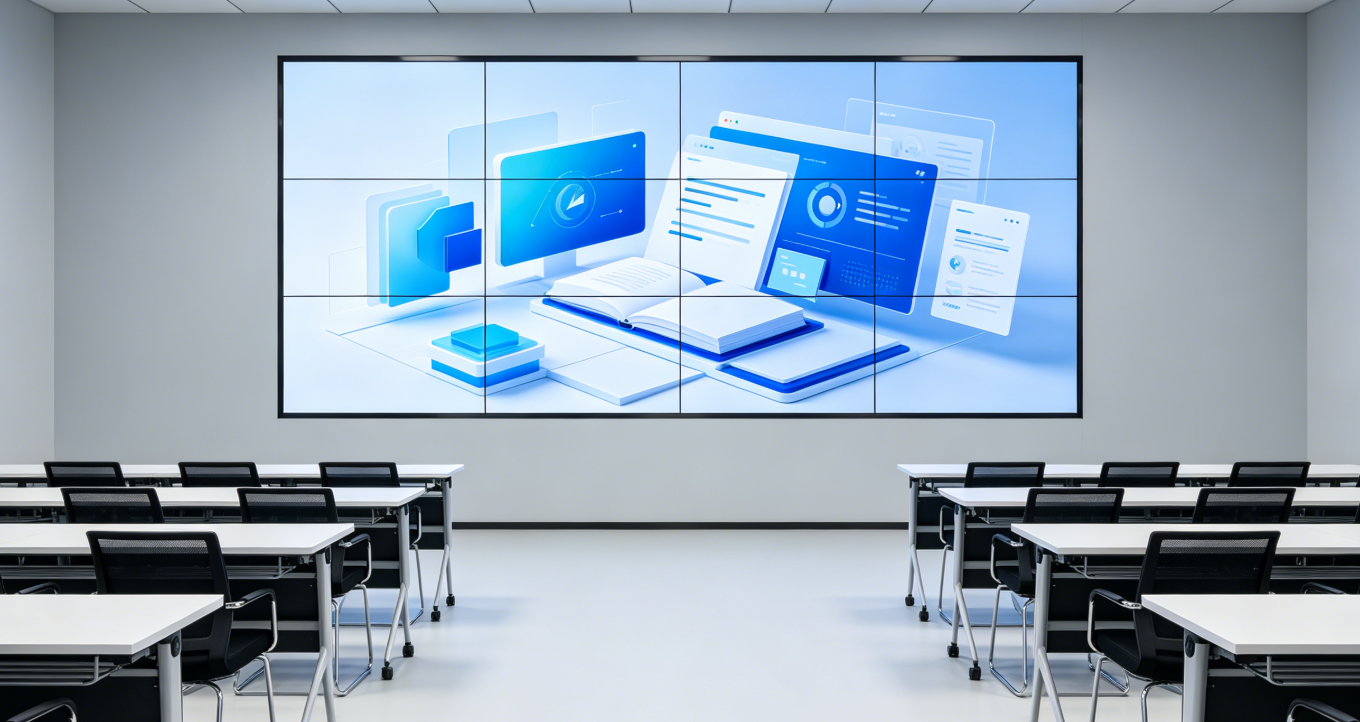
Selecting a campus LCD video wall requires more than just reviewing specifications; it demands consideration of actual campus scenarios, installation conditions, and long-term maintenance costs. Stonbel, as a source manufacturer, holds 3C, CE, and ISO certifications, has served clients including Peking University, and provides after-sales support through a service network across 31 provinces. It is recommended to clarify requirements, test samples on-site, and reference real project cases before making a final decision.