This article breaks down total budget composition, itemized pricing ranges, tiered solution comparisons, and cost-saving recommendations for security video eMMC/UFS embedded storage, helping government/enterprise clients optimize total cost of ownership while meeting industrial wide-temperature and high-reliability requirements.
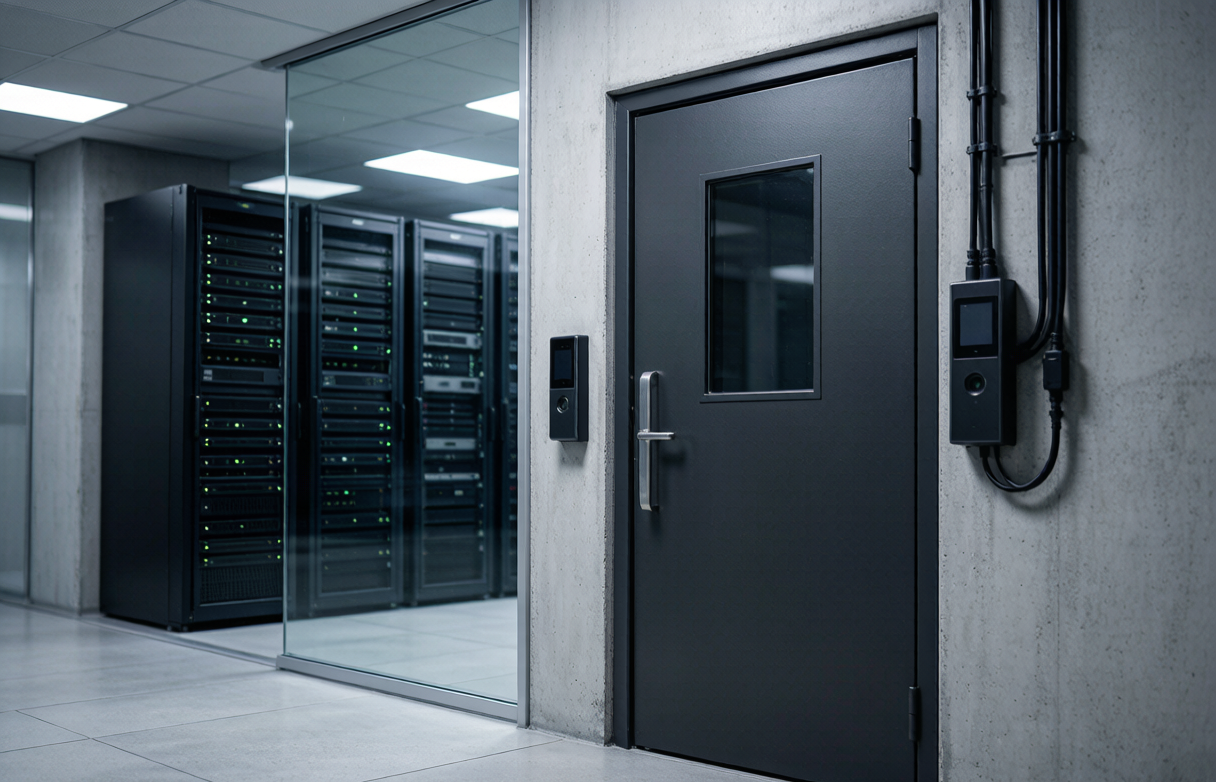
Total Budget Structure
A complete border security video storage solution budget covers more than just storage chips; it comprises four modules: hardware procurement, pre-selection testing, post-maintenance, and disaster recovery backup. Within hardware costs, security video eMMC_UFS embedded storage, as the core data carrier, accounts for roughly 40%-50%, depending on capacity and temperature grade. Supporting components such as main control boards, power management, enclosures, and connectors make up about 20%-30%, while computing modules for video intelligence (e.g., edge AI inference units) take the remaining 20%-30%. Notably, projects involving concurrent multi-stream video writing demand significantly higher sustained write bandwidth, increasing the cost share of UFS-based solutions.
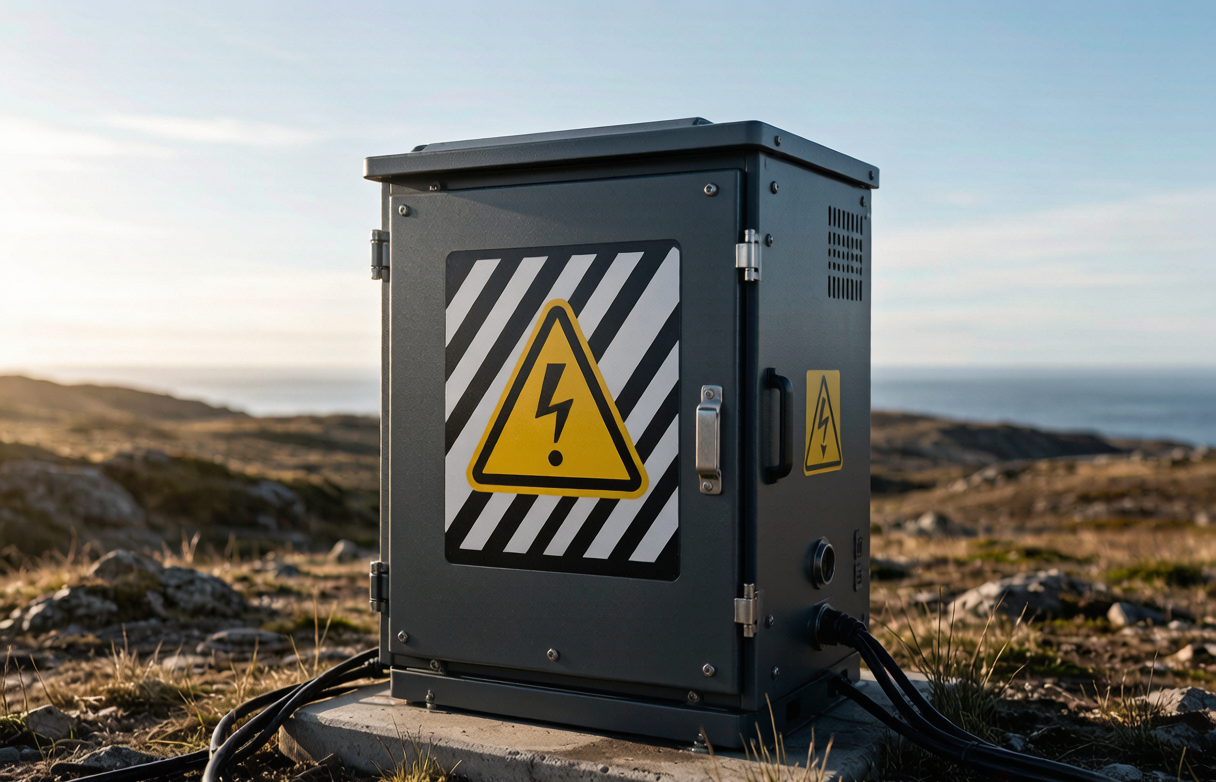
Itemized Pricing Details
For security video eMMC_UFS embedded storage, industry pricing generally varies by capacity and protocol standard. eMMC 5.1 (JESD84) solutions, 8GB-128GB, operating at -40 to 85°C, typically range from RMB 15 to 80 per unit, suiting mid-to-low-end controllers and cost-sensitive projects. UFS 2.1/3.1 (JESD220) solutions, 64GB-256GB, operating at -40 to 105°C, range from RMB 40 to 180 per unit, delivering higher performance with sequential read/write speeds up to 4300 MB/s (UFS 3.1), ideal for fast boot and high-concurrency write scenarios in intelligent recognition devices. Industrial-grade wide-temperature certification adds a 15%-25% premium but significantly reduces failure rates in extreme environments; final pricing depends on specific models and project requirements.
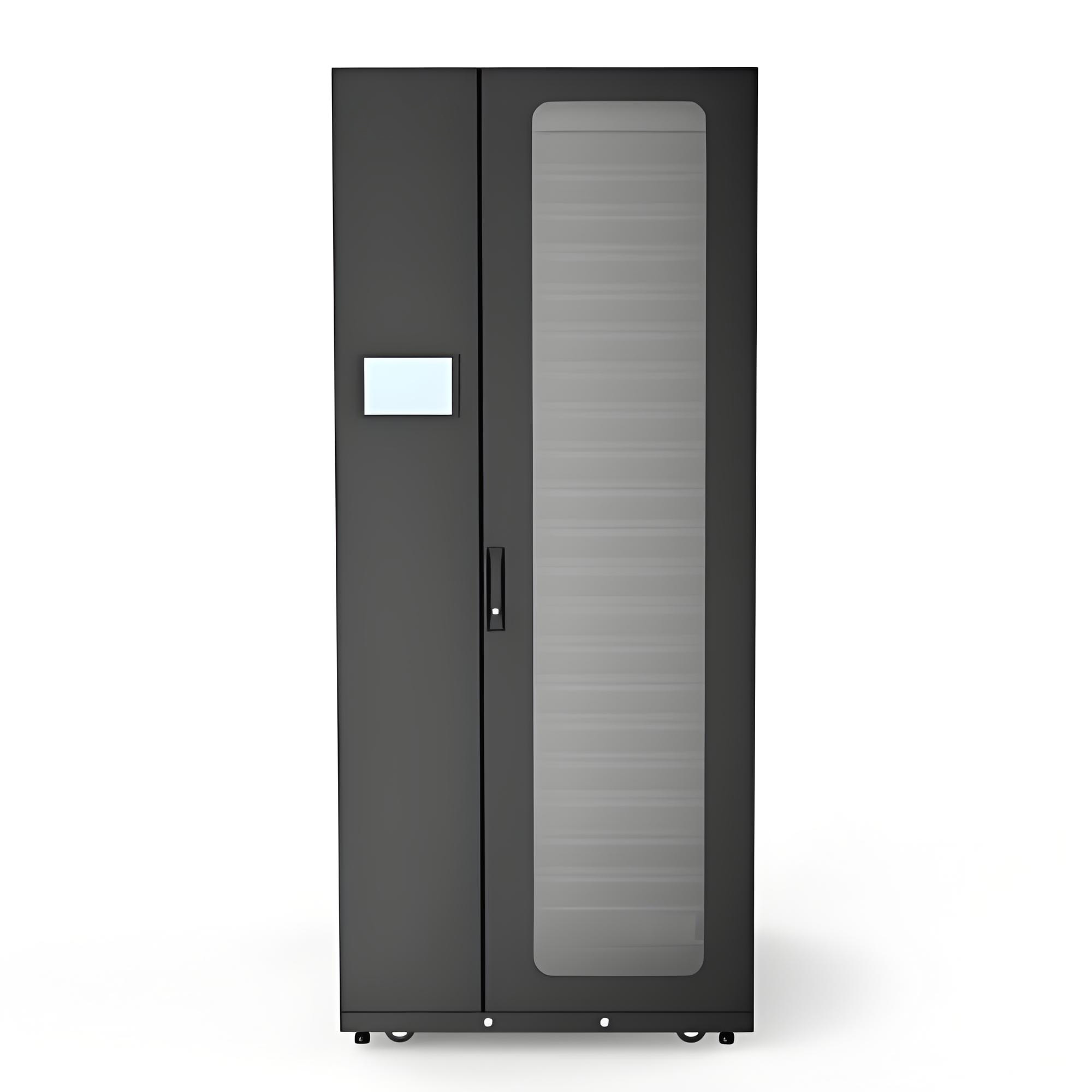
Tiered Solution Comparison
In border security applications, security video eMMC_UFS embedded storage options fall into high, mid, and low tiers. The low tier, based on eMMC 5.1, offers 8GB-32GB capacity, -25 to 85°C operation, and sequential read/write of about 320/260 MB/s. It suits fixed-point, low-bitrate video storage at the lowest cost but may require additional heating modules in -40°C extreme cold to prevent read/write latency. The mid tier uses industrial wide-temperature eMMC (-40 to 85°C), 64GB-128GB, balancing performance and stability for most border posts with strong main controller compatibility. The high tier employs UFS 2.1/3.1, 128GB-256GB, -40 to 105°C, with sequential read/write up to 4300 MB/s (UFS 3.1), supporting concurrent multi-channel HD video writing and real-time AI recognition, keeping failure rates below 1%, though per-unit cost is 2-3 times that of eMMC.
Cost-Saving Recommendations
Controlling the budget for security video eMMC_UFS embedded storage hinges on matching specifications to actual needs rather than pursuing top-tier specs blindly. For non-critical path recording, opt for eMMC 5.1 (-40 to 85°C) with capacity within 32GB, leveraging its mature ecosystem to cut controller tuning costs. For edge nodes requiring intelligent recognition, reserve UFS 2.1 (-40 to 85°C) interfaces but validate functionality with eMMC first, upgrading after algorithms stabilize to avoid upfront over-investment. Additionally, Stonbel's full-range industrial wide-temperature storage support services eliminate extensive in-house compatibility testing, shortening pre-project cycles by over 30%, while factory-direct after-sales reduces repair and replacement costs in 7×24-hour operations. For multi-site projects, batch procurement and unified firmware management further dilute per-unit testing and maintenance expenses.
Q1: Between eMMC and UFS in security video eMMC_UFS embedded storage, which is more durable?
A: In industrial wide-temperature environments, UFS 2.1/3.1 (JESD220) operates from -40 to 105°C, exceeding the -40 to 85°C limit of eMMC 5.1 (JESD84), making UFS more durable under extreme heat. However, eMMC's mature ecosystem and lower cost suffice for 7×24-hour operation if ambient temperatures stay below 85°C. Actual lifespan depends on write load and controller wear-leveling algorithms; choose based on real environmental temperature and write frequency.
Q2: How should capacity be selected for security video eMMC_UFS embedded storage?
A: Capacity selection factors in video bitrate, retention days, and AI analysis usage. For a single 1080P stream at 4Mbps, 24-hour recording generates about 43GB; for 7-day retention, eMMC of at least 32GB is recommended. If running intrusion detection algorithms simultaneously, UFS 64GB-128GB provides ample cache for smooth model loading. Stonbel's product line offers eMMC from 8GB to 256GB and UFS from 16GB to 256GB for flexible project configuration.
Q3: How much does operating temperature affect the cost of security video eMMC_UFS embedded storage?
A: Industrial wide-temperature (-40°C to 85°C or -40°C to 105°C) certification adds screening and testing costs, typically 15%-25% more than commercial grade (0°C to 70°C). For extreme border environments, wide-temperature versions reduce failure rates to below 1%, lowering maintenance costs and proving more economical in total cost of ownership. In milder climates, a -25 to 85°C eMMC version can balance performance and budget.
Q4: What impact do read/write speeds have on security video eMMC_UFS embedded storage?
A: Read/write speeds directly affect video write fluidity and AI analysis response times. eMMC 5.1 sequential read/write of about 320/260 MB/s handles routine recording, while UFS 3.1 at up to 4300 MB/s supports concurrent multi-channel 4K video writing and real-time intelligent recognition, preventing frame drops from storage bottlenecks. In border scenarios extending video capture beyond 10 kilometers, UFS's high-speed write capability ensures data integrity after long-distance transmission.
Selecting eMMC/UFS embedded storage requires balancing operating temperature, capacity, read/write performance, and budget. In border monitoring, -40℃~50℃ demands industrial wide-temperature certification; eMMC 5.1 and UFS 2.1/3.1 correspond to different cost/performance tiers. Itemized budgeting and tier comparison prevent over-configuration. Stonbel offers 8GB~256GB capacities, -40~105℃ wide-temperature options, batch supply, and after-sales support for 7×24 reliable operation.