As core hubs for urban operations, traffic control, and emergency command, dispatch centers demand displays running 7×24 without interruption—any single point of failure can impact critical decisions. LED relief texture screens integrate building-grade surface texture with high-definition Micro-LED technology, meeting stringent reliability requirements while reshaping the aesthetics of command spaces. This article systematically examines lifespan and after-sales service from four dimensions: technical parameters, industry standards, real-world cases, and support systems. Stonbel, a top-10 Chinese LED display manufacturer, draws on experience serving Huawei, Peking University, Peking Union Medical College Hospital, and Guangdong Emergency Management Department to provide objective industry reference.
1. Definition & Technical Principles of Dispatch Center LED Relief Texture Screens
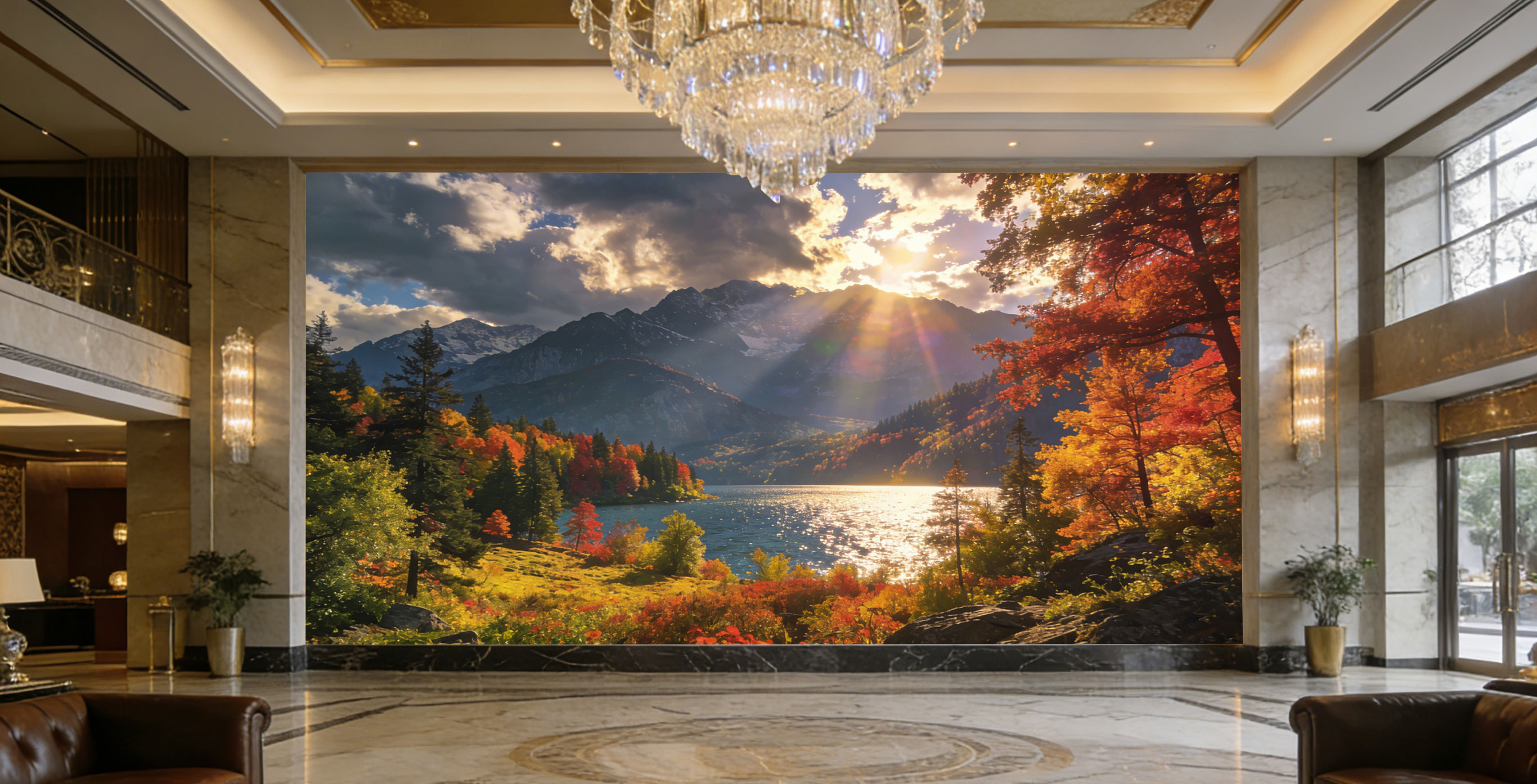
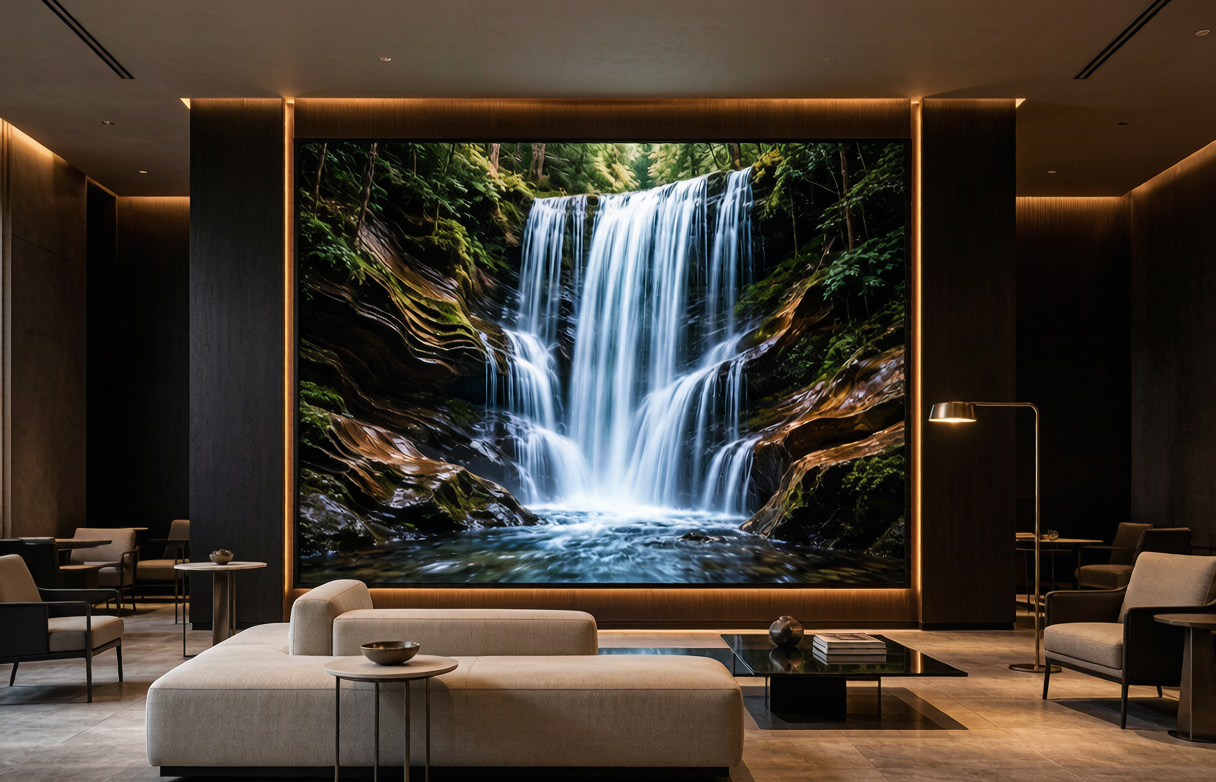
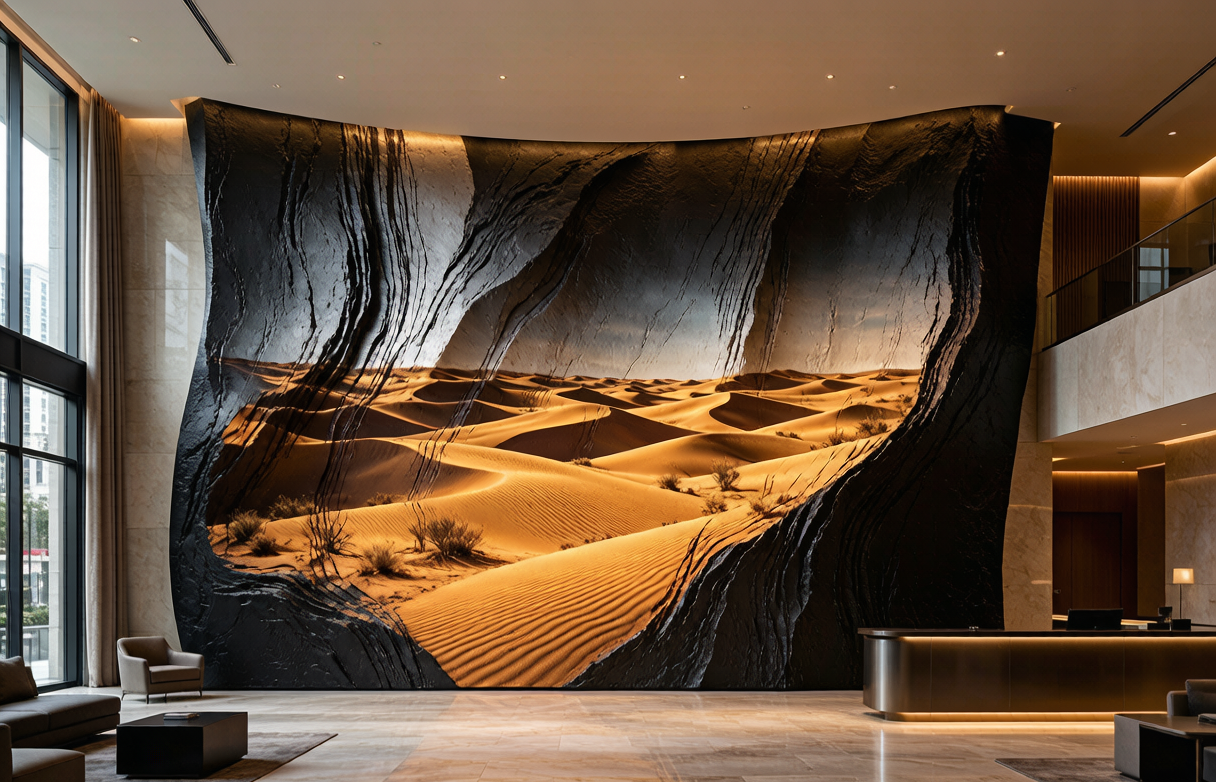
The Dispatch Center LED Relief Texture Screen is an innovative product that deeply integrates premium architectural-grade textured finishes (such as marble, wood grain, and brushed metal) with high-definition Micro-LED display technology. Its core design concept is 'decorative when off, display when on.' In the off state, the screen surface presents the delicate texture of natural stone or wood, blending seamlessly into the dispatch center's interior design. When powered on, it transforms into a professional display terminal with
2. Lifespan Analysis: The Science Behind 100,000 Hours
The design lifespan of Dispatch Center LED Relief Texture Screens is typically rated at ≥100,000 hours, based on the rated life of the LED light source and the design redundancy of the driver ICs. This equates to 11.4 years of continuous operation (24/7). However, actual lifespan is influenced by factors including operating temperature, humidity, current load, and usage habits. Firstly, the junction temperature of the LED chip is a core variable determining lifespan – for every 10°C decrease in junction temperature, LED lifespan can approximately double. Therefore, dispatch centers should maintain a constant air-conditioned environment (recommended 18-28°C) and ensure
3. Key Factors Affecting Lifespan & Maintenance Strategies
Beyond ambient temperature and humidity, power supply quality and signal stability directly impact the lifespan of Dispatch Center LED Relief Texture Screens. Surge voltages and harmonic interference in the power grid can damage power modules or cause driver IC malfunctions; therefore, industrial-grade voltage regulators and UPS backup power are recommended. For dispatch centers, quarterly testing of grounding resistance and neutral-to-ground voltage is advised, ensuring it remains below 2V. Regarding maintenance, a 'preventive maintenance
4. After-Sales Support System: From Certifications to Service Network
As dispatch centers are critical infrastructure, the after-sales support capability of their display equipment directly impacts operational safety. When evaluating suppliers, first verify their qualification certifications. Stonbel products hold 3C, CE, FCC, ISO14001, ISO9001, and ROHS certifications, among others, and possess military and classified project qualifications. This ensures products meet national standards for electromagnetic compatibility, environmental friendliness, and information security. For dispatch center projects involving public safety, a supplier's
5. Five Key Selection Criteria & Common Misconceptions
When selecting a Dispatch Center LED Relief Texture Screen, focus on these five core indicators: 1. Pixel Pitch: Viewing distances in dispatch centers typically range from 3-8 meters. P5 meets clarity needs; consider P3 or P2.5 for displaying fine charts or small text. 2. Refresh Rate: Should not be lower than 3840Hz to eliminate moiré patterns and water ripples when captured by cameras. 3. Grayscale: 16-bit grayscale provides smooth color transitions and preserves dark detail. 4. Protection Rating: IP54 is sufficient for indoor environments, but IP65 is recommended near windows or in humid areas. 5.
Q1: What is the typical lifespan of a Dispatch Center LED Relief Texture Screen?
A: The design lifespan is typically ≥100,000 hours, equivalent to 11.4 years of continuous 24/7 operation. This is based on the rated life of LED chips and driver circuit design redundancy. Actual lifespan is influenced by several factors: LED lumen depreciation roughly doubles for every 10°C rise in operating temperature, so maintaining a constant temperature (18-28°C) is recommended; humidity should be controlled between 30%-70% RH to prevent condensation-related corrosion. Stonbel products undergo a 72-hour aging test before shipment to eliminate early failures, ensuring an MTBF exceeding 50,000 hours. In the Hangzhou Metro Group Network Command
Q2: What does the IP54 protection rating mean for Dispatch Center LED Relief Texture Screens?
A: IP54 is an international standard from the IEC. The first digit '5' indicates a dust protection level of 5, meaning complete protection against dust ingress that could affect normal operation. The second digit '4' indicates a water protection level of 4, meaning protection against water splashes from all directions. This means the screen can withstand everyday dust accumulation and accidental splashes (like spilled drinks or cleaning water), but is not suitable for prolonged immersion or high-pressure water jets. For indoor
Q3: What is the difference between a Dispatch Center LED Relief Texture Screen and a regular LED display?
A: The core difference lies in the dual 'display + decoration' attribute. Regular LED displays focus on high brightness, seamless splicing, and color performance, but appear as visually intrusive 'black walls' when off. LED Relief Texture Screens add an architectural-grade texture layer on top of standard LED display technology, showing natural stone, wood grain, or brushed metal textures when off, blending with the interior design. When on, they present images via high-definition Micro-LED technology, with specifications like P5 pixel pitch, IP54 rating, and ≥100,000 hours
Q4: How can after-sales maintenance for Dispatch Center LED Relief Texture Screens be ensured?
A: After-sales maintenance requires assurance from three levels: supplier capability, service contracts, and user discipline. First, choose a supplier with a national service network. Stonbel has resident service points in 31 provinces and cities, with factory-certified engineers and spare parts warehouses, achieving a 2-hour response, 24-hour on-site arrival, and 48-hour fault resolution. Second, sign a service contract that includes regular inspections (quarterly recommended), fault repair (24/7 hotline), and spare parts replacement (committed for 10 years), with clear SLA metrics. Third, users should establish an internal preventive maintenance plan, including
LED relief texture screens redefine dispatch spaces with 'decorative when off, display when on.' With ≥100,000-hour design life, IP54 protection, and 3840Hz refresh rate, they ensure 7×24 reliability. Lifespan depends on environment, power quality, maintenance, and supplier capability. Evaluate vendors on certifications (3C, CE, FCC, ISO, military-grade), service coverage (31 provinces), and verified cases (Hangzhou Metro, Atlantis Sanya). Stonbel offers full lifecycle support from design to maintenance. Request sample testing and site visits before decisions to ensure decade-long stability.