Broadcast media asset libraries handle core tasks including program production, cataloging, storage, and backup distribution. Server memory performance directly affects retrieval speed and system stability. With the adoption of UHD production, traditional consumer memory cannot meet data integrity and wide-temperature requirements in 7x24 high-load scenarios. Industrial DDR4/DDR5 memory, featuring wide-temperature operation, ECC correction, and long-lifecycle supply, is a critical component for media library upgrades. This article approaches selection from a fault-diagnosis perspective, helping operations and procurement teams systematically evaluate capacity, speed, and scalability. Selection is not simply parameter stacking but requires balancing operating environment, platform compatibility, and long-term expansion strategy. By diagnosing fault symptoms, identifying root causes, and verifying step by step, business interruptions can be avoided. Stonbel, as a storage and AI computing service provider, offers full-chain support from industrial wide-temperature memory to complete systems, shortening selection cycles and reducing maintenance costs. Contact our technical team for customized advice.
Common Faults: Hidden Data Errors and System Instability
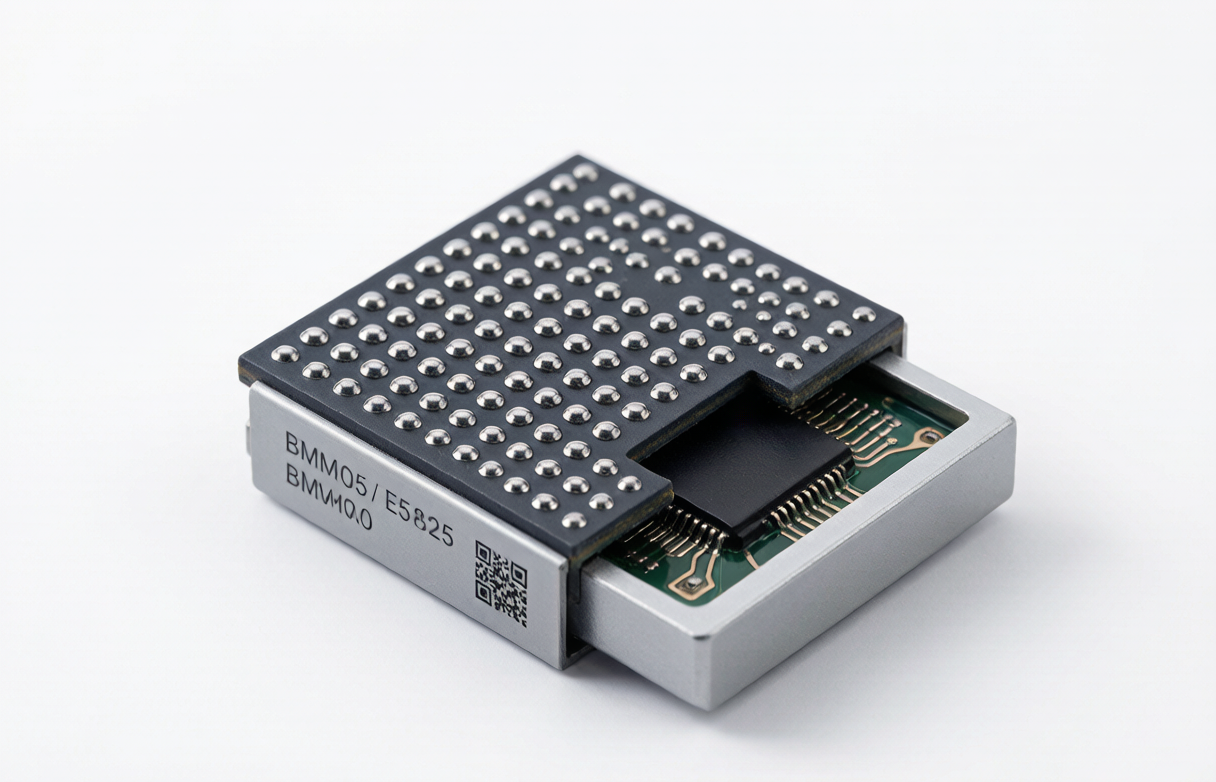
Faults in broadcast media asset libraries often appear not as direct crashes or reboots but in subtler ways. For example, during long 4K/8K rendering sessions, the system may occasionally report calculation checksum failures; or during heavy concurrent read/write operations, storage node latency may spike suddenly despite no anomalies found in disks or network. Behind these symptoms, memory data integrity issues are often the root cause. Consumer-grade memory can experience bit flips under high temperature or voltage fluctuations, corrupting rendered frame data or scrambling file indexes. This is
Root Causes: Wide-Temperature Tolerance and Power Ripple Challenges
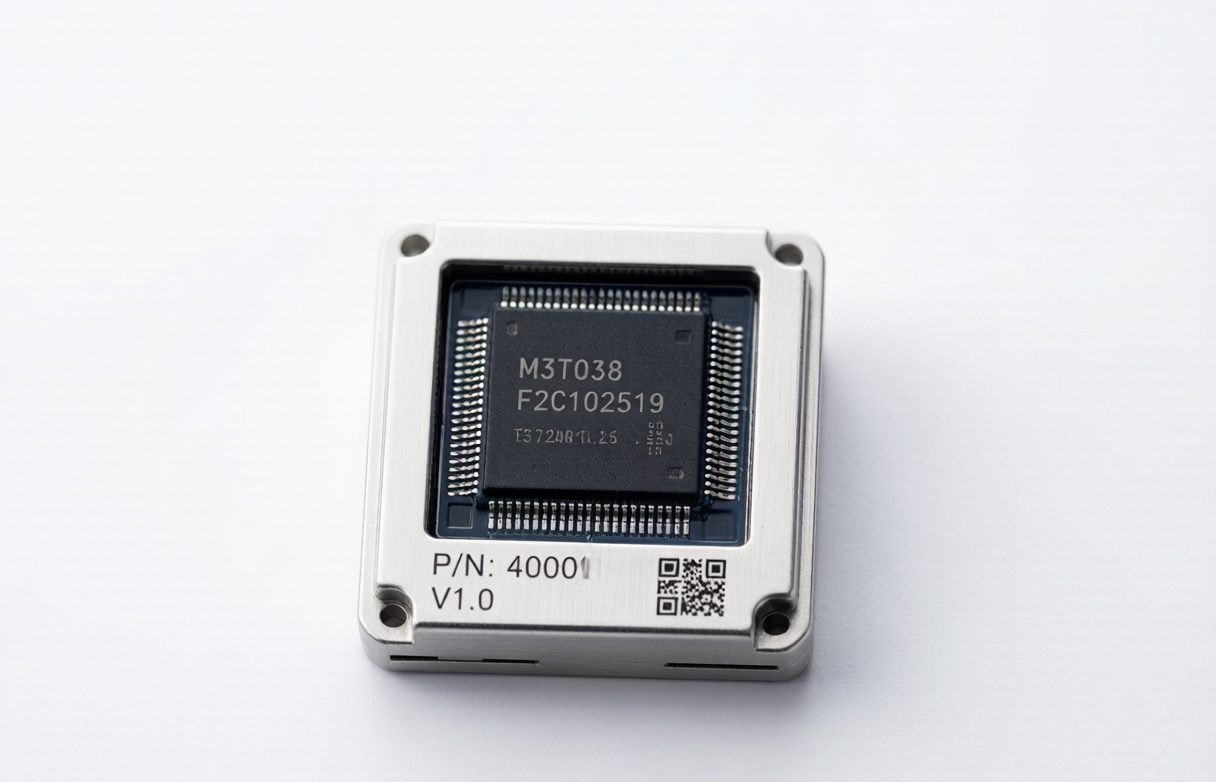
Although broadcast media library server rooms are typically temperature and humidity controlled, dense equipment deployment can create local hot spots, pushing server inlet temperatures above 40°C and memory chip temperatures above 85°C. Consumer-grade memory has a maximum operating temperature of 85°C; prolonged operation near this limit accelerates electromigration, shortening data retention time. Industrial-grade memory uses higher-quality chips and PCB materials, operating stably from -40°C to 95°C to ensure signal integrity. Another
Step-by-Step Troubleshooting: From Log Analysis to Stress Testing
When suspected memory faults occur in a broadcast media library, follow these systematic steps. First, log into the server BMC management interface and check the System Event Log (SEL) for ECC errors, recording the frequency and timestamps of correctable errors (CE) and uncorrectable errors (UCE). Second, run memory stress tests using memtest86+ or similar tools, focusing on stability under high temperatures; extend the test to at least 72 hours to cover temperature cycling. Third, check operating system logs for memory-related errors, such as 'MCE' (Machine Check Exception) records in Linux dmesg output. Fourth, if power issues are suspected, use an oscilloscope to measure voltage ripple near memory slots, or temporarily swap the power supply for comparison testing. During
Solutions: Phased Upgrade and Industrial-Grade Replacement Strategy
For confirmed memory-related faults, the resolution strategy should follow the principle of 'replace first, optimize second.' For servers still under warranty, contact the original manufacturer to replace with industrial-grade wide-temperature memory modules. For out-of-warranty legacy equipment, purchase industrial-grade DDR4 memory for replacement. Stonbel offers domestic wide-temperature memory in 4Gb to 32Gb capacities with speeds from 4800 to 5600 MHz, supporting ECC error correction and compliant with GJB7400 N1 military standards, meeting the high data security requirements of broadcast media libraries. When
Q1: What is the difference between industrial DDR4/DDR5 memory for broadcast media libraries and regular memory?
A: Industrial DDR4/DDR5 memory is designed for harsh environments, with core differences in four dimensions. First, wider operating temperature range: industrial-grade typically supports -40°C to 95°C, while consumer-grade is only 0°C to 85°C. In scenarios with local hot spots or cooling failures in broadcast server rooms, industrial-grade maintains data retention without degradation. Second, enhanced error correction: DDR5 industrial memory supports on-die ECC, correcting single-bit errors in real time during writes; while consumer DDR5 also has basic ECC, industrial-grade applies stricter die screening and
Q2: How should memory capacity be selected for a broadcast media library?
A: Capacity selection should consider business concurrency and bitrates. For libraries primarily handling HD (1080p) production, 32GB per node is a reasonable starting point for routine cataloging and transcoding. For 4K/8K ultra-high-definition production with bitrates reaching hundreds of Mbps or even Gbps, more memory is needed to cache intermediate frames—64GB or higher per node is recommended. Stonbel DDR5 industrial memory offers capacities from 8GB to 64GB, supporting expansion beyond 256GB per node (depending on server slot count). Also
Q3: Which is more suitable for a broadcast media library: DDR4 or DDR5 industrial memory?
A: The choice between DDR4 and DDR5 depends primarily on the existing server platform and upgrade budget. For new builds or large-scale expansions, DDR5 is preferred for its significant advantages: doubled speed (Stonbel DDR5 industrial memory reaches 6400/7200 MHz vs. DDR4's typical 4800-5600 MHz), higher data bandwidth for better 4K/8K concurrent read/write support; lower operating voltage of 1.1V for reduced power consumption and cooling load; and enhanced on-die ECC to effectively reduce data errors. DDR5 also introduces command address parity and read/write checksum for improved data integrity. If existing servers only support DDR4,
Q4: What should be done when ECC errors appear in broadcast media library memory?
A: When ECC errors appear, follow this process. First, log into the server BMC management interface and check the system event log to confirm error type and frequency. For correctable errors (CE), the system can continue running, but monitor error growth trends closely; a rising error rate indicates potential die aging or latent defects. For uncorrectable errors (UCE), data corruption or crashes may have occurred—immediately shut down and replace the faulty module. Second, record the DIMM slot position and time patterns of errors; if concentrated on a specific slot, check for poor contact or motherboard power anomalies. Third, if errors persist after
Stable operation of broadcast media libraries is vital to production workflows. Industrial DDR4/DDR5 selection should start from fault analysis, examine root causes, and weigh capacity, performance, and scalability. Stonbel's industrial wide-temperature memory line covers DDR4 and DDR5 with ECC, wide-temperature operation, and long-life supply, fitting scenarios from legacy server upgrades to new AI computing platforms. Paired with industrial SSDs and edge AI nodes, Stonbel helps broadcast customers build reliable storage-to-computing infrastructure. For memory-related issues, contact Stonbel's technical team for factory-direct support and customized solutions ensuring 7x24 uninterrupted operation.