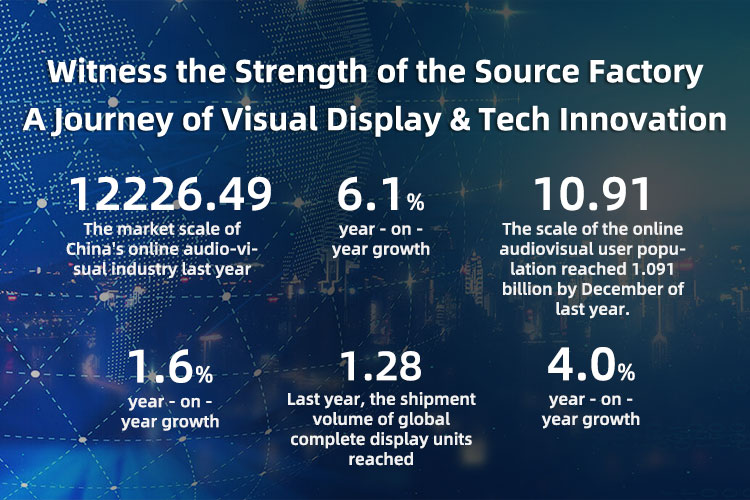
In commercial display procurement and project selection, quotes are never settled by a simple per-square-meter price. Especially for projects involving COB fine-pitch, LCD video walls, or smart conference all-in-one displays, the factors affecting final cost often lie in parameters, processes, and service details. This article addresses common industry misconceptions and draws on Stonbel's real project data and experience in energy-efficient, reliable installations to clarify the logic behind pricing—so every dollar is spent with full transparency.
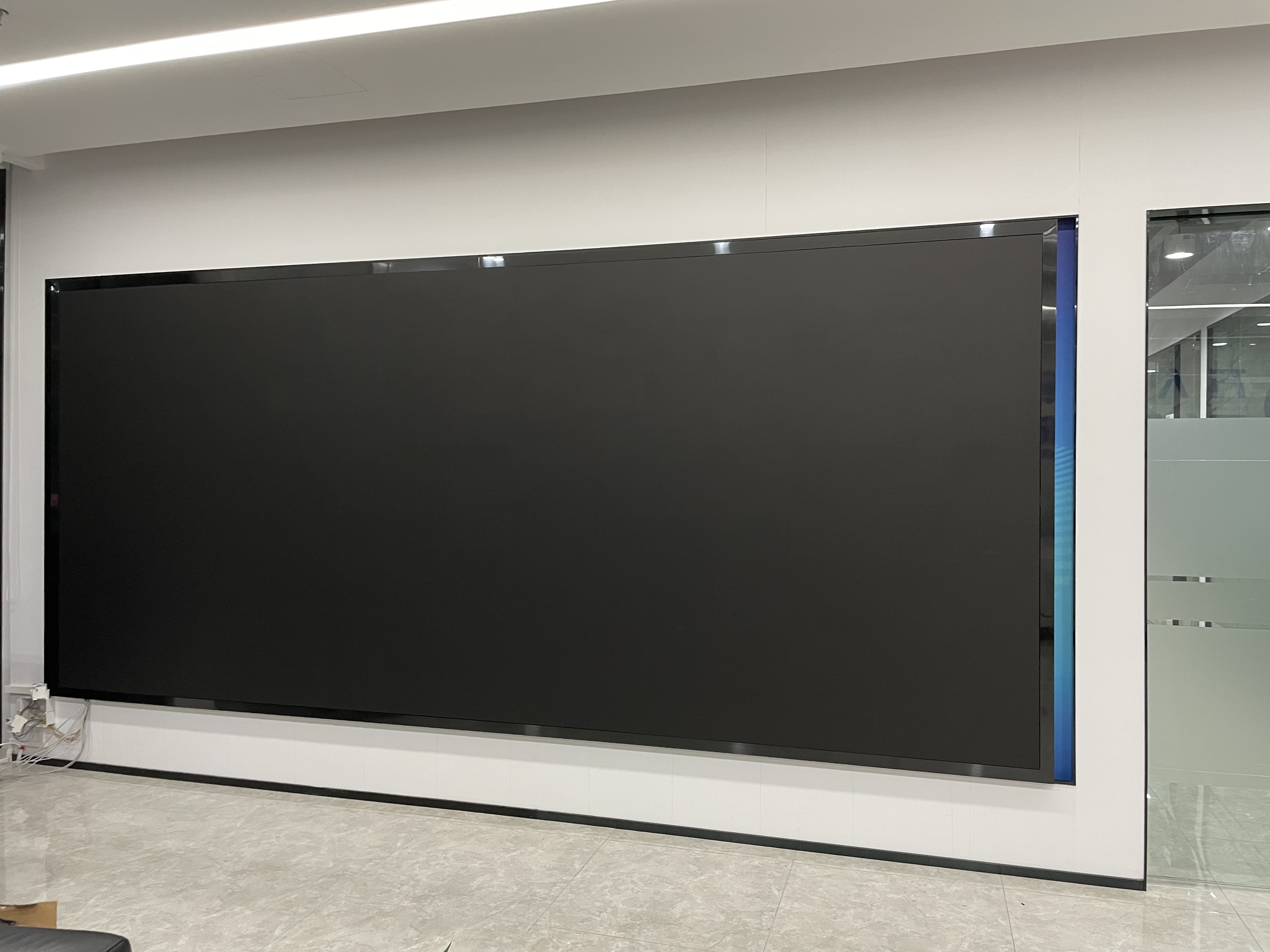
Common Industry Misconceptions
Many buyers habitually ask "price per square meter" first when inquiring about large display projects, then compare prices horizontally based on that unit price. This approach may work in standardized consumer electronics, but it often leads to pitfalls in the commercial display industry. Take Stonbel's energy-efficient and reliable case as an example: its COB fine-pitch display covers P0.7 to P1.8, and module costs vary dramatically across pitches—P0.7's manufacturing complexity and yield costs far exceed P1.8. Comparing only unit prices may place different specifications side by side, yielding incorrect conclusions. Another common misconception is equating screen price with total project cost. In reality, a complete commercial display project includes the screen, control system, structural installation, commissioning, and ongoing maintenance. In the Nanjing Museum digital exhibition project,
Dispelling Myths One by One
Myth 1: "COB fine-pitch is always more expensive than LCD splicing." In reality, COB's unit cost in the fine-pitch range (below P1.8) is indeed higher due to high integration and protection, but for LCD at P6 or above or ultra-large splicing, seamless display requirements significantly raise seam-handling costs. In Stonbel's energy-efficient case, COB products use proprietary chip-level packaging, and at equal pixel pitch, maintenance costs and dead-pixel rates are far lower than traditional SMD, making them more economical long-term. The Changsha IFS project chose a combination of P4 outdoor naked-eye 3D screens and transparent screens, based on display needs and budget matching across zones, not
Correct Understanding
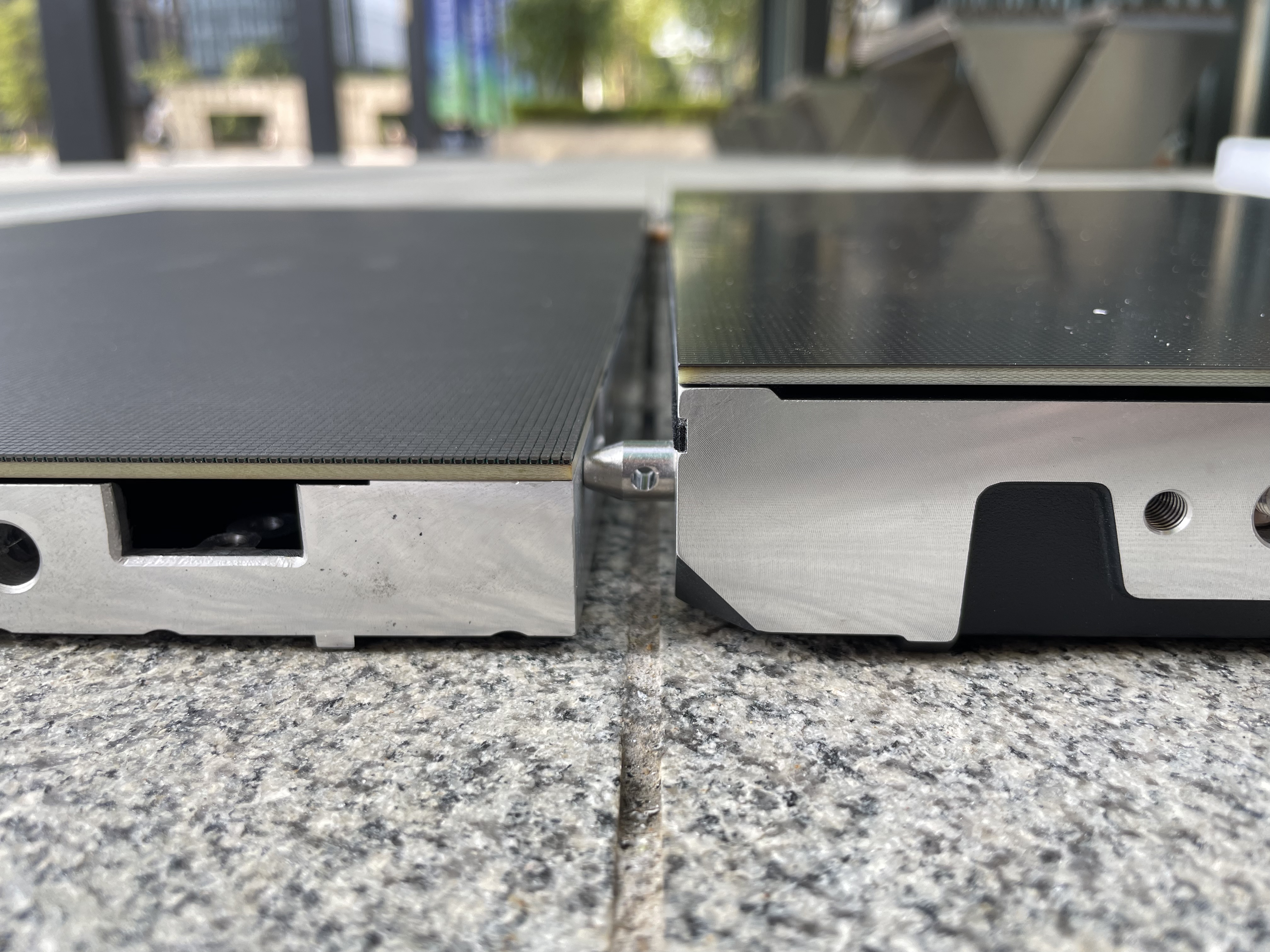
Commercial display pricing is essentially a composite of "technical solution + manufacturing process + service assurance." Looking at Stonbel's energy-efficient case, its COB products have a lifespan of ≥100,000 hours and IP55 protection, ensuring stable operation in humid or dusty environments. In the provincial government service center project, 12 conference room all-in-one machines deployed with 4K anti-glare screens and dual-system domestic adaptation deliver clear content under strong light and lag-free remote connections—these capabilities stem from R&D investment and quality control systems, not simple hardware stacking. Understanding quotes requires a "total lifecycle cost" perspective. Initial purchase price is only the tip of the iceberg; later electricity, maintenance, and module replacement costs are often more significant. Stonbel's COB products, with high refresh rates and seamless splicing, reduced long-term operating costs in large projects
Selection Recommendations
Step 1: Define the use scenario and core needs. Indoor exhibition halls, conference rooms, outdoor advertising, and educational interaction have vastly different requirements for brightness, viewing angle, and protection. For example, outdoor naked-eye 3D needs 10,000-nit brightness, while indoor COB screens prioritize color reproduction and seamless splicing. Referencing Stonbel's energy-efficient case, the Nanjing Museum project focused on 3D restoration of artifacts, thus selecting fine-pitch seamless screens with touch interaction; Harbin Ice and Snow World emphasized low-temperature startup and anti-frosting, requiring customized high-protection modules. List key indicators first, then discuss price, to avoid selection errors. Step 2: Calculate total cost, not unit price. Beyond screen price, consider steel structures, control systems, transportation, installation, commissioning training, and ongoing maintenance. Stonbel provides integrators with factory-direct supply and
Q1: What is the approximate price per square meter for COB fine-pitch displays?
A: COB fine-pitch pricing is significantly affected by pixel pitch. Stonbel's COB products cover P0.7-P1.8; P0.7 has complex manufacturing and higher prices, while P1.8 is more affordable. Specific quotes depend on project area, refresh rate, protection level, etc. For example, P1.2 cultural-tourism-grade screens used in Xi'an's大唐不夜城 project match cost with high-end display needs. We recommend providing the actual scenario and area so the manufacturer can issue a detailed configuration list, avoiding judgments based solely on per-square-meter price.
Q2: What are the main factors affecting commercial display quotes?
A: Key factors include: pixel pitch (smaller pitch means higher cost), technology type (COB vs. SMD vs. LCD), refresh rate (e.g., price gap between 3840Hz and 7680Hz), protection level (IP55 vs. IP65 for different environments), customization needs (shaped, transparent, low-temperature startup, etc.), and brand/service (factory-direct, nationwide service network). In Stonbel's energy-efficient case, Harbin Ice and Snow World's extreme-cold customization naturally resulted in higher quotes than standard projects.
Q3: How can I judge whether a commercial display quote is reasonable?
A: When comparing quotes, verify that configuration lists include equivalent parameters and accessories. Stonbel products feature ≥100,000-hour lifespan, 3840Hz refresh rate, and IP55 protection—these parameters directly affect price. Also, check whether the manufacturer provides installation, commissioning, and after-sales support, such as 31-province resident service points to reduce later risks. Request similar case configurations and costs as references—for instance, the provincial government service center's all-in-one solution offers an important benchmark for total cost and efficiency.
Q4: What advantages do Stonbel's COB screens have over traditional LED screens?
A: Stonbel's COB uses proprietary chip-level packaging, offering better protection (IP55) and longer lifespan (≥100,000 hours) than traditional SMD, with lower dead-pixel rates and reduced maintenance costs. After adopting P1.2 COB screens in the Xi'an大唐不夜城 project, equipment operated stably under year-round high load, cutting O&M costs by 57% with significantly reduced color deviation and dead pixels—ideal for cultural tourism, government, and high-end commercial scenarios requiring superior image quality and stability.
Selecting and pricing commercial displays is essentially a matching process among technology, application, and service. Stonbel's benchmark cases show that discussing per-square-meter pricing without real requirements is meaningless. Only by starting with parameters such as pixel pitch, refresh rate, and protection rating, combined with project environment and long-term maintenance costs, can sound decisions be made. Whether you are an integrator or end user, when requesting a quote, ask: "Does this configuration fit my scenario?" That question safeguards project success far better than price comparison alone. Stonbel, with its manufacturing strength and real case data, helps you find the most reliable display solution.