COB fine-pitch displays are now the go-to visual upgrade for bank branches, but choosing the right configuration requires balancing performance and cost. This article provides a step-by-step decision path—from requirement analysis to model recommendation—for low-voltage integrators and AV engineers to avoid over-specification and improve bid success.
Needs Analysis
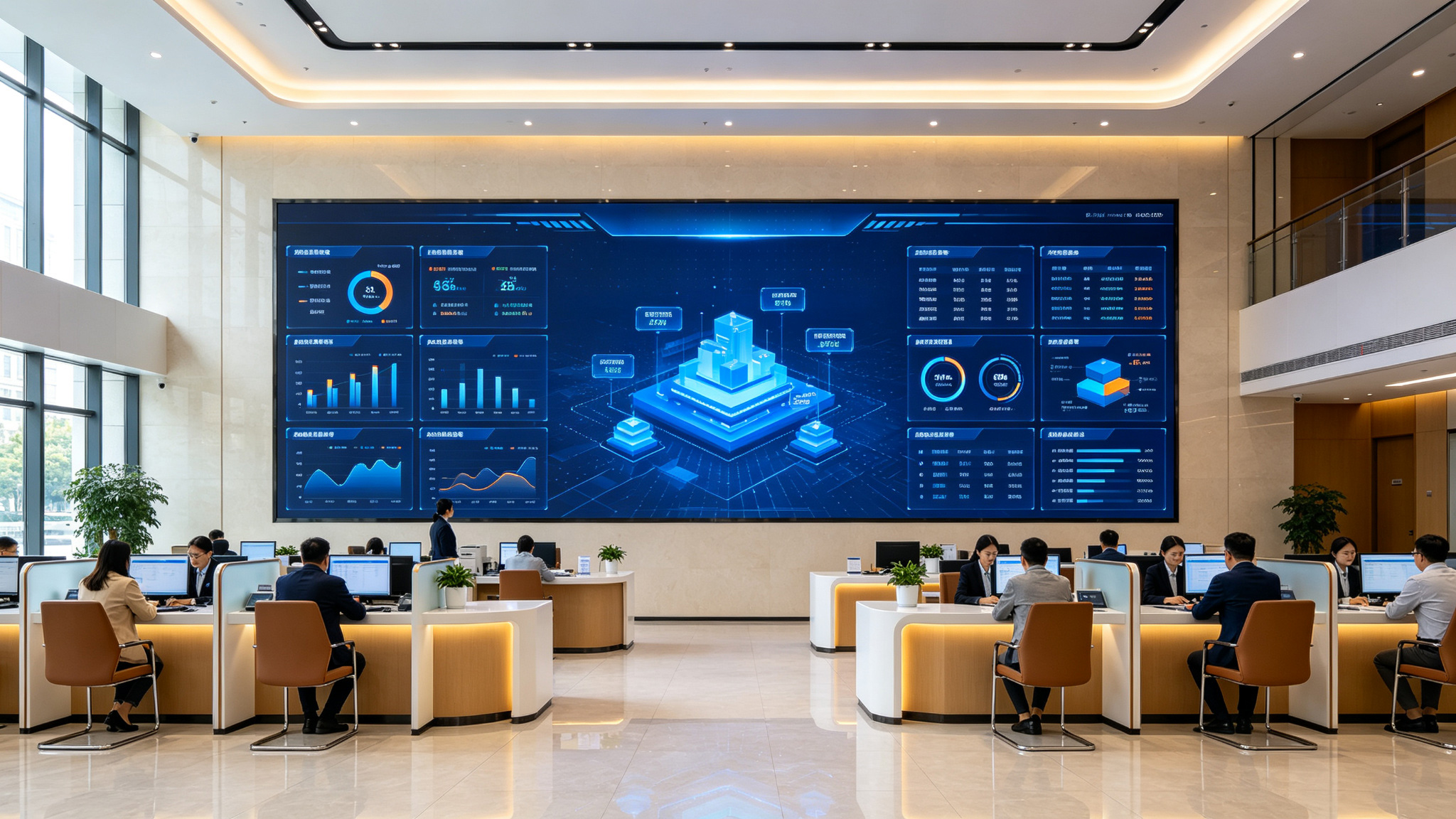
Selecting a COB fine-pitch display for a bank branch is a systematic decision based on viewing distance, application, environment, compliance, and budget. First, assess the branch layout and measure viewing distances at key points like the lobby, service desks, and wealth management rooms to establish initial parameters. Second, define the content: lobby guidance and queuing info, detailed financial charts, or security footage. Content detail dictates pixel pitch—for example, K-line charts require P1.2 or smaller to avoid a grainy look up close. Third, consider environmental factors like dust, humidity, and temperature swings, especially for street-facing branches. Stonbel COB displays offer IP55 protection for such conditions.
Tiered Filtering
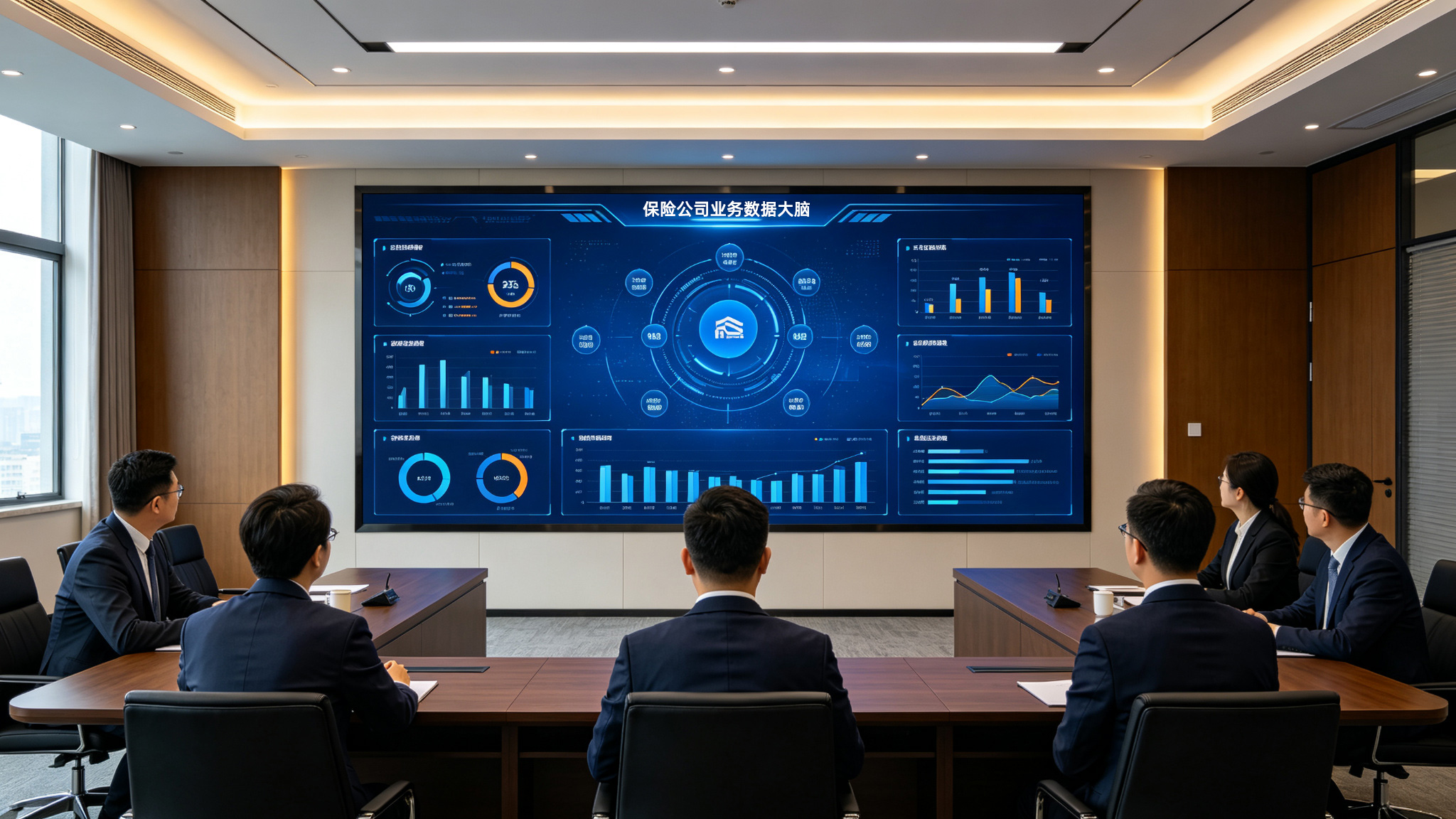
With the requirements defined, tiered filtering connects needs to the final model. First, match viewing distance to pixel pitch using the standard "3x screen height" rule, referencing Stonbel's COB range (P0.7-P1.8). Second, refine by application: a main lobby display for info and branding can use P1.5 or P1.8 for cost efficiency; VIP wealth rooms need the detail of P1.25 or P1.2; for security monitoring, ensure the 3840Hz refresh rate and multi-signal switching handle feeds smoothly. Third, assess the environment. Stonbel COB displays feature IP55 protection, a wide operating temperature range, and optional oil-resistant coatings, making them suitable for semi-open entrances or dusty areas. Fourth, plan for future needs like remote conferencing or interactive features. Stonbel COB displays support full smart conferencing, enabling a seamless upgrade without new hardware. They also feature auto-brightness adjustment, saving over 30% energy, and smart diagnostics that cut response time to under 30 minutes and reduce cross-region
Recommended Models
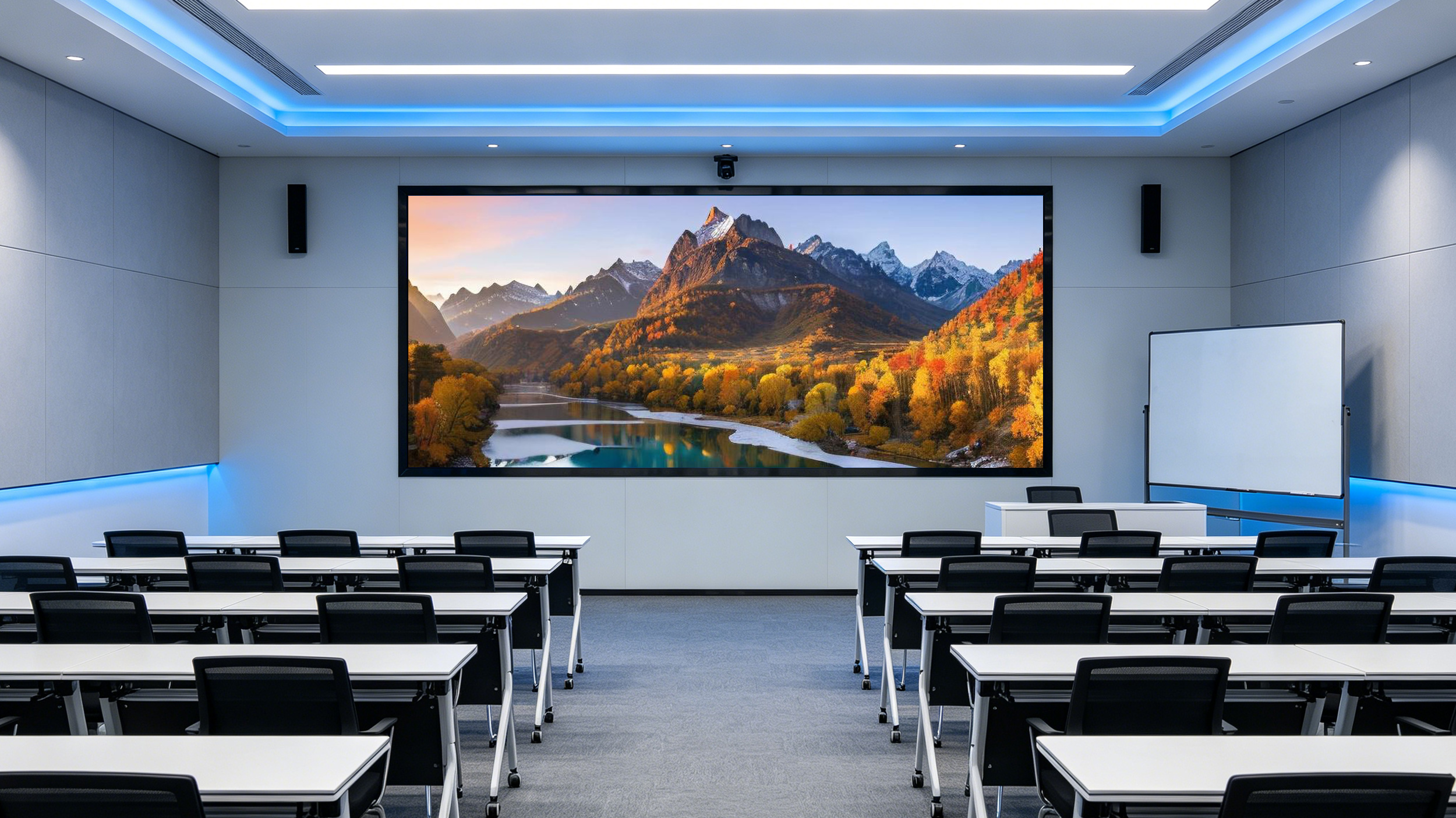
After filtering, integrators can quickly identify suitable models. For flagship branches or wealth centers, P1.25 or P1.2 is recommended for a premium visual experience. For instance, at China Merchants Bank's HQ wealth center, Stonbel's P1.25 display has run flawlessly in the VIP area, with its seamless picture ideal for financial data. For standard lobbies, P1.5 balances cost and quality—as seen in a 75㎡ P1.5 project for a government service center, which achieved an 88% reduction in failure rate under heavy daily use. For branches needing security monitoring, P1.2 with multi-signal switching is a robust choice. For smart branches with XR or interactive zones, the P1.2 broadcast-grade option, with its 3840Hz refresh and wide color gamut, ensures flicker-free camera capture. Stonbel's COB series covers P0.7-P1.8, with 3840Hz refresh, IP55 rating, and a lifespan of over 100,000 hours. When recommending, explain how specs meet branch needs: IP55 for
Justification
The justification covers technical, operational, and strategic benefits. Technically, COB chip-scale packaging offers superior impact resistance, dust/water protection (IP55), and better heat dissipation than SMD. This leads to slower light decay and a lifespan exceeding 100,000 hours (over 22 years at 12 hours/day), outlasting typical branch renovation cycles. Operationally, auto-brightness saves over 30% energy, and annual maintenance costs are over 70% lower than traditional displays. Smart diagnostics and remote maintenance cut response time to under 30 minutes and reduce cross-region costs by over 50%, resolving 90% of issues without on-site staff. In a demanding industrial project for Daqing Oilfield, a custom P1.25 COB display operated for a year in -20°C with zero major failures, reducing downtime by 79% and maintenance costs by 34%. This
Q1: How to choose the pixel pitch for a bank branch COB display?
A: Pixel pitch depends on viewing distance and content detail. For distances under 1.5m (e.g., service desks), choose P1.0 or P1.2 for a smooth image. For 1.5-3m (e.g., main lobby screen), P1.25 or P1.5 works well. For over 3m (e.g., entrance wall), P1.8 is more cost-effective. Use the "3x screen height" rule as a guide. Also, consider content: detailed charts like K-line graphs require a smaller pitch for sharp text and smooth curves. Stonbel offers a full range from P0.7 to P1.8, allowing integrators to match the exact needs without overspending or compromising on quality.
Q2: What are the advantages of COB displays over traditional LED video walls for banks?
A: COB displays offer four key advantages. First, higher protection: IP55 rating resists dust and moisture, ideal for semi-open entrances, unlike exposed SMD LEDs. Second, higher reliability: direct chip packaging improves heat dissipation, slows light decay, and extends lifespan to over 100,000 hours, reducing replacement and repair costs. Third, better image quality: seamless splicing eliminates bezel lines, and the 3840Hz refresh rate ensures flicker-free, color-accurate images suitable for detailed charts and branding. Fourth, eye comfort: low blue light reduces eye strain for both customers and staff. For example, a P1.25 display at China Merchants Bank's wealth center has operated flawlessly, enhancing the customer experience and professional image.
Q3: Are COB displays expensive to maintain for a bank branch?
A: No, maintenance costs are relatively low. The lifespan exceeds 100,000 hours (over 22 years at 12 hours/day), so screen replacement is rarely needed. The IP55 protection reduces failures caused by dust and moisture. Stonbel's smart diagnostics and remote maintenance cut response time to under 30 minutes and reduce cross-region costs by over 50%. Real-world data shows annual maintenance costs are over 70% lower than traditional displays. Stonbel also provides lifetime after-sales support and local service points across 31 provinces, minimizing long-term operational burdens for banks and allowing integrators to focus on business growth.
Q4: What should be considered when installing a COB display in a bank branch?
A: Five key points: 1) Structural support: verify wall load capacity and use professional steel structures with maintenance access. 2) Ventilation: leave space behind the screen for heat dissipation. 3) Cabling: separate power and signal lines to avoid interference and reserve extra signal cables for future expansion. 4) Environment: for street-facing or semi-open areas, ensure adequate protection; Stonbel's IP55 rating covers this, and wide-temperature options are available for cold climates. 5) On-site survey: measure viewing distances, angles, and lighting conditions beforehand. Stonbel provides full-process technical support, assisting integrators from design to installation to minimize project risks.
Selecting COB fine-pitch displays for bank branches demands systematic analysis of needs, screening, and model matching. Proper pairing with LED video walls ensures precise visual upgrades, cost control, and enhanced branch image. Stonbel, a top-10 Chinese LED display brand, supports integrators with a full product range (P0.7-P1.8), factory-direct pricing, bid and technical support, and 31-province local service—reducing project risk and boosting profitability.