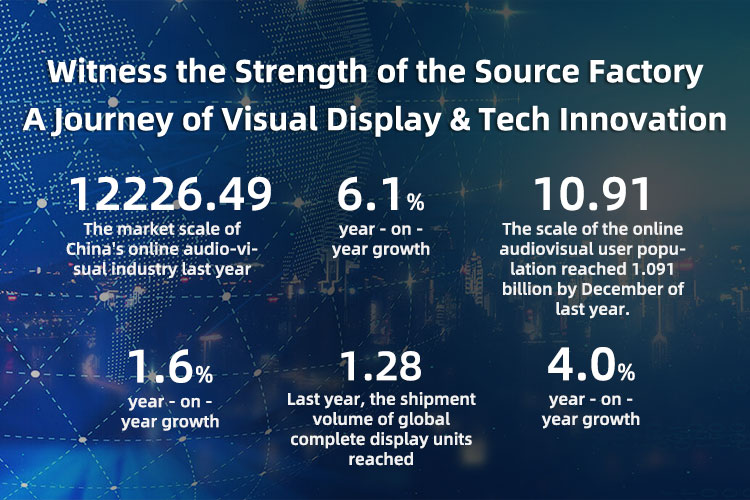
As broadcasting evolves toward ultra-HD, virtual production, and intelligent studios, traditional SMD fine-pitch displays show shortcomings in color reproduction, protection, and long-term stability. COB fine-pitch displays, with chip-level packaging, high refresh rates, and long lifespan, are becoming the preferred upgrade for provincial satellite channels, city stations, and media centers. However, many low-voltage integrators and AV contractors lack clarity on pre-wiring, structural load, and signal redundancy design. This Q&A-style article systematically outlines construction essentials for COB displays in studios, control rooms, and monitoring rooms, helping teams avoid common pitfalls and improve delivery quality.
Top FAQs
Installing broadcast-grade COB fine-pitch LED displays is a systematic project involving site surveys, structural design, power/data cabling, signal planning, thermal management, and maintenance. We've compiled 20 FAQs covering common
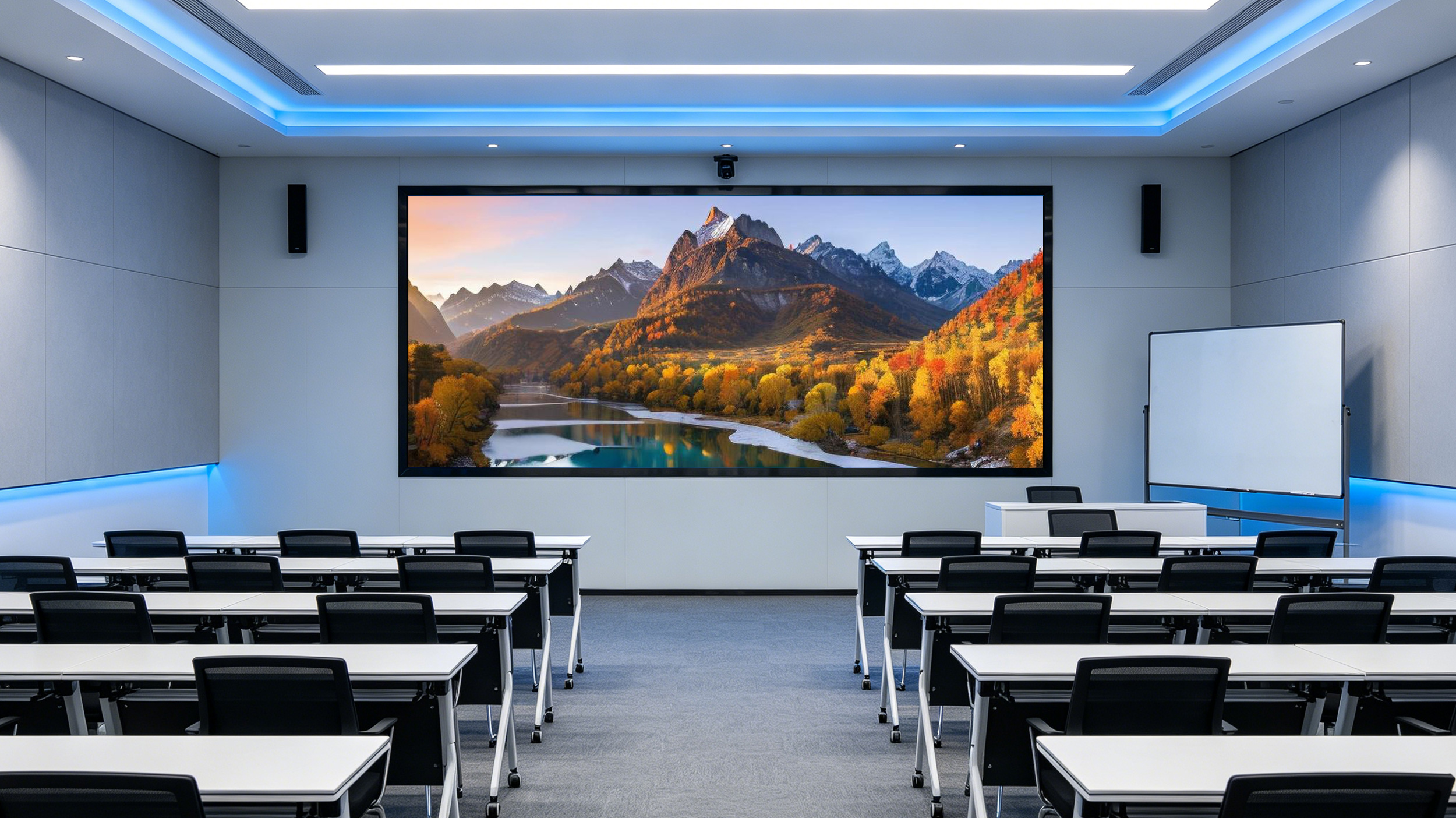
Q1: What are the key structural differences between COB and traditional SMD displays for broadcast use?
A: COB displays use chip-level packaging with a flat, smooth surface and no exposed leads, demanding higher cabinet flatness (tolerance ±0.1mm) using precision die-cast aluminum. SMD allows minor adjustments, but COB cabinets deformed under stress affect image
Q2: What critical site data must be surveyed before installing a studio background wall?
A: Check wall load capacity, flatness, and embedded parts. COB cabinets weigh 6-8kg/m², but total load with steel and access paths can exceed 30kg/m², requiring solid concrete or reinforced steel frames. Wall verticality deviation must
Q3: What is the required separation distance between power and signal cables?
A: Power (220V/380V) and signal cables (network, HDMI) must run in separate trays, parallel spacing ≥300mm, with shielded metal conduits at crossings to prevent interference causing flicker or black screens. In studios, use shielded
Q4: How is power supply capacity calculated for broadcast displays?
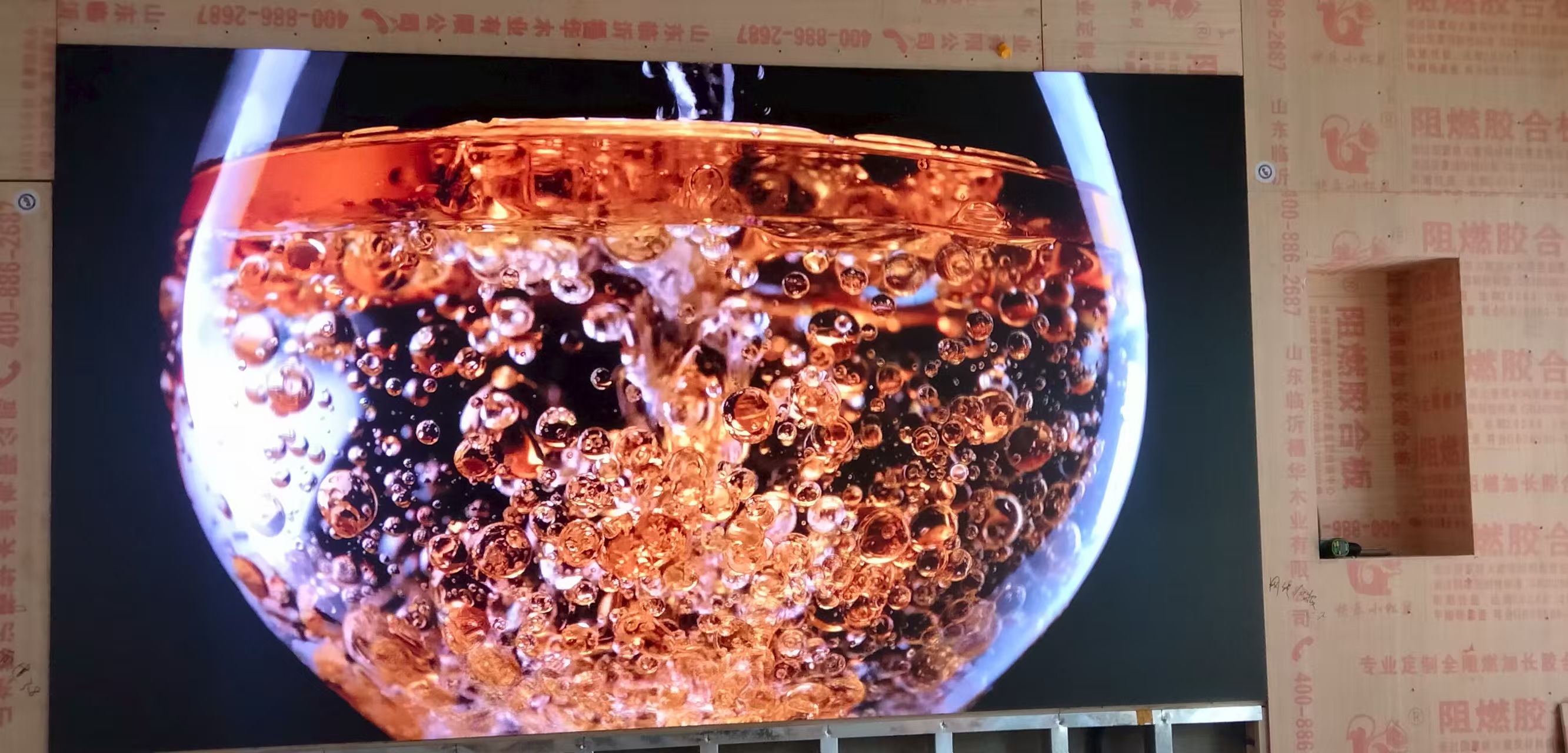
A: For P1.2 COB, peak power ~500W/m², average ~180W/m². A 50m² screen needs 3-phase 5-wire supply with 1.2x redundancy (≥30kW). Include a dedicated distribution box with surge protectors and branch switches (each ≤10m²). Stonbel offers smart distribution cabinets with remote control and voltage monitoring.
Q5: Should signal cabling use network cable or fiber?
A: Distance dictates choice. Under 100m, use shielded Cat6 (cost-effective). Over 100m or in high-interference areas, use single-mode fiber with transceivers or fiber-capable cards. Stonbel receiving cards support Gigabit ports and hot-swappable modules. Ensure splicing loss <0.3dB/km.
Q6: How should the signal source to display topology be planned?
A: Use a 'source-matrix switcher-sending card-display' topology. Matrix output must match physical resolution (e.g., P1.2 1920×1080 requires 4K@60Hz input). Stonbel supports seamless multi-signal control with preset
Q7: What are the temperature and humidity requirements for installation?
A: Maintain 15°C-28°C, 30%-70% RH non-condensing. Avoid direct AC airflow on the screen. For power density >300W/m², use forced cooling. Stonbel cabinets have fan mounts and automatic temperature monitoring with alarms.
Q8: Are there special grounding requirements?
A: Yes. A dedicated protective ground (resistance <4Ω) is required, separate from lightning protection. Use ≥16mm² copper wire for frame, distribution box, and control PC. For secure studios, single-end shield grounding prevents ground loops.
Q9: How can moiré patterns be avoided in camera shots?
A: Use pitch ≤P1.2 to exceed camera resolution, ensure anti-glare surface (COB matte black, <5% reflectivity), and use polarizing filters. Stonbel COB's black substrate reduces reflections, cutting moiré by >80% in tests.
Q10: What are the hard refresh rate requirements for broadcast?
A: Below 1920Hz, high-speed shutter cameras capture black scan lines. Stonbel COB's 3840Hz refresh eliminates this, ensuring clear motion. All Stonbel COB screens feature 3840Hz and 20-bit grayscale for HDR. Specify this in bids to avoid flicker issues.
Q11: How is pixel inspection and calibration performed after installation?
A: COB requires software-based scanning. Stonbel provides per-pixel brightness/color calibration reports (uniformity ≥98%, color ±0.003). Use built-in self-test to locate faulty modules. Process: 24h burn-in, brightness/color calibration, then test patterns. Faulty modules are front-serviceable.
Q12: What is the minimum maintenance access width?
A: Front-service designs may not need rear access but require ≥300mm front clearance for tools. Rear maintenance needs ≥600mm width, ≥1.8m height. Stonbel COB supports both; choose based on space.
Q13: How is long-term operational stability ensured?
A: Stonbel COB has ≥100,000h lifespan with redundant power (dual supply per module, dimming not blackout on failure) and auto-switching signal links. Software monitors temperature, voltage, runtime with alarms. Annual deep cleaning and recalibration are recommended.
Q14: Are there limits on screen thickness and weight for studios?
A: Cabinet thickness ≤80mm, weight ≤7kg (600×337.5mm). Stonbel's die-cast aluminum is 40% lighter than iron. For curved installs (radius <3m), custom cabinets are needed. Provide weight distribution diagrams to structural engineers.
Q15: What ingress protection rating is required?
A: IP55 front protection handles dust and splashes, with wipeable surfaces. Stonbel COB: IP55 front, IP40 rear. For semi-outdoor areas, use IP65 waterproof cabinets with proper heat dissipation design.
Q16: How is broadcast-grade color accuracy ensured?
A: Stonbel COB supports 16-bit grayscale, NTSC 120% gamut, and 3200K-9300K color temp. Factory calibrated; on-site calibration with colorimeter achieves ΔE<2. Supports HDR10/HLG. Request calibration reports for acceptance.
Q17: What special qualifications are needed for installation?
A: Workers need height and electrical licenses. Stonbel provides local installation services across 31 provinces. For secure facilities, our team holds military confidentiality clearances.
Q18: How can long-term maintenance costs be reduced?
A: COB's robust design and single-point replacement cut maintenance costs by >70% vs SMD. Stonbel offers lifetime support, extended warranties (e.g., 5-year), and remote diagnostics. One client's annual cost was 1/3 of traditional screens.
Q19: What certifications are needed for bidding?
A: Typically 3C, CE, FCC, ISO9001, ISO14001. Stonbel, a top-10 Chinese LED company, provides full documentation and bid support. For classified projects, we offer military confidentiality certifications. Request stamped documents early.
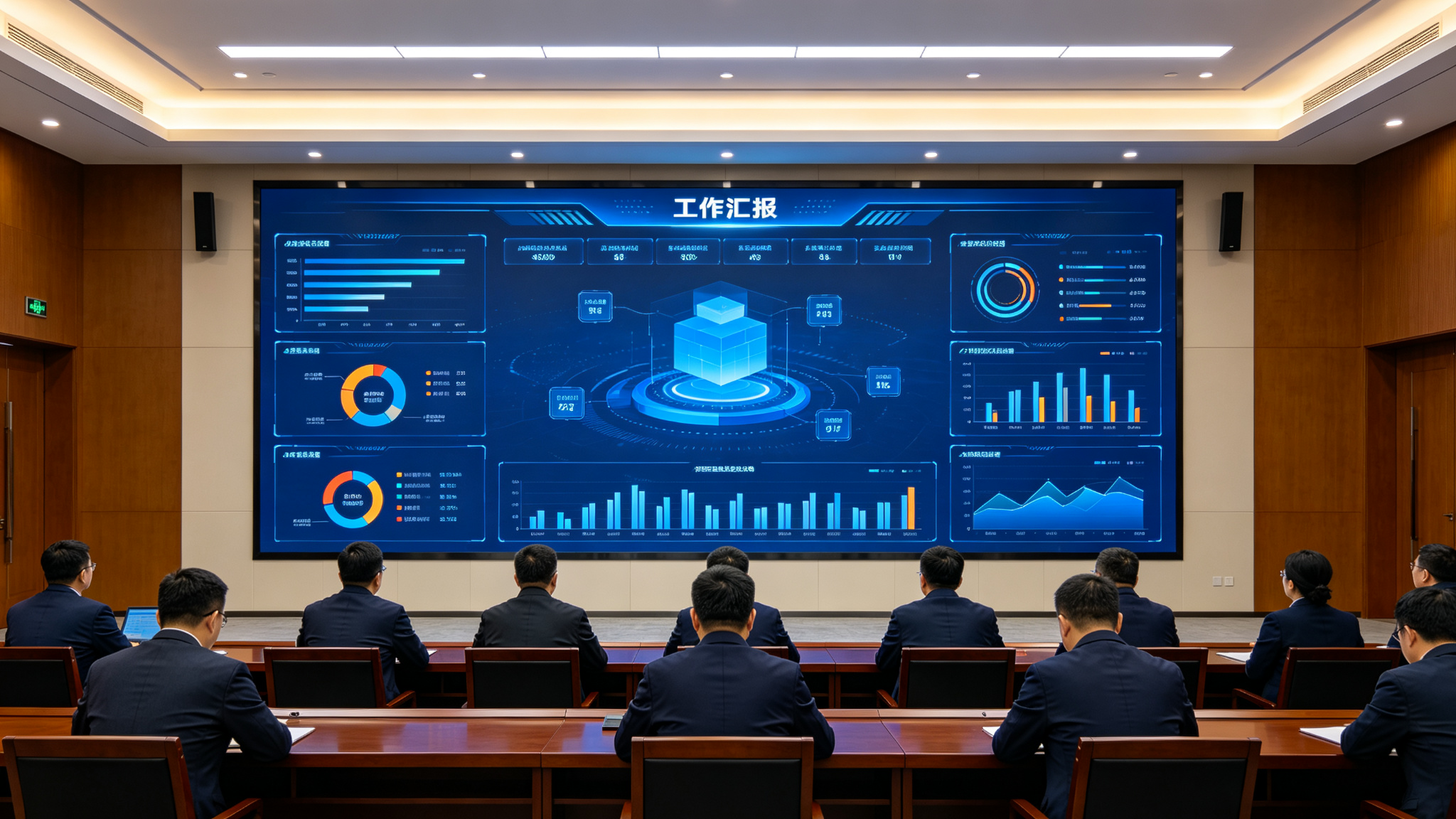
Installing COB fine-pitch displays in broadcasting is not just 'hanging and powering' but a multidisciplinary effort involving structure, electrical, signal, environment, and maintenance. From load calculations during site surveys to cable tray planning for separating strong and weak currents, from 3840Hz refresh rate ensuring no scan lines to IP55 protection offering environmental tolerance, every detail impacts production quality and long-term reliability. Stonbel provides full-process technical support, localized construction in 31 provinces, and military-grade quality control, offering integrators one-stop support from design and installation to lifetime maintenance. Choosing a partner with solid technical expertise and a robust after-sales network ensures your broadcast project withstands both time and camera scrutiny.