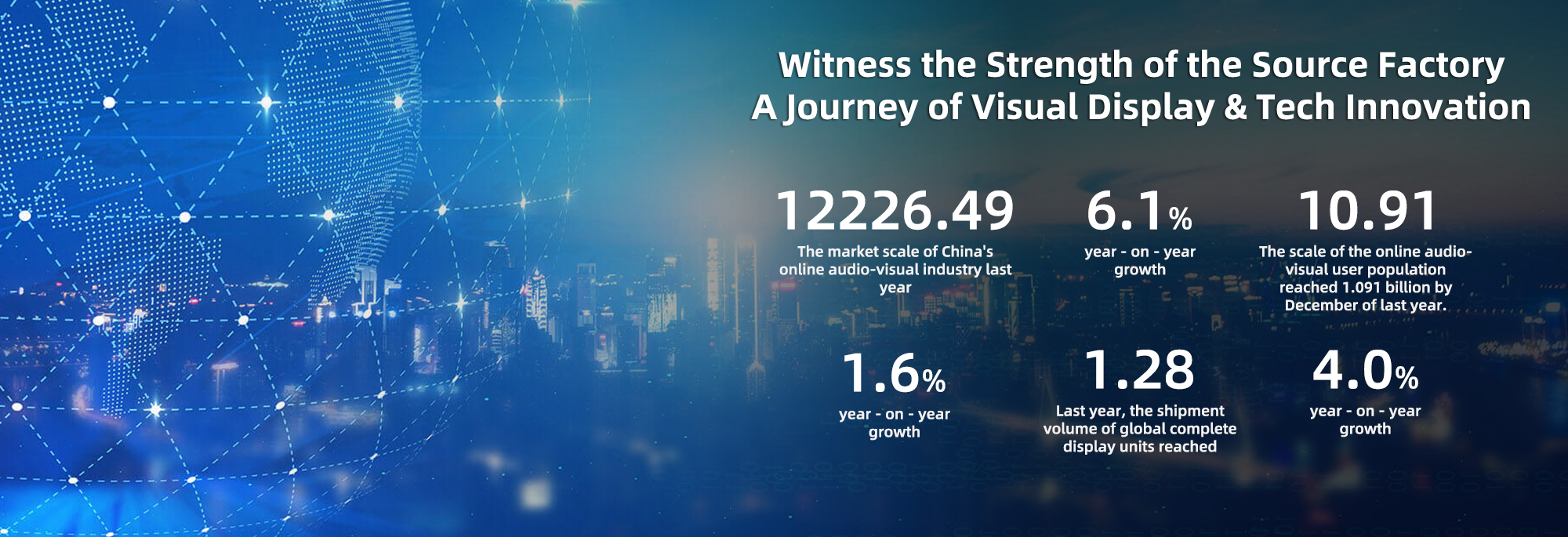
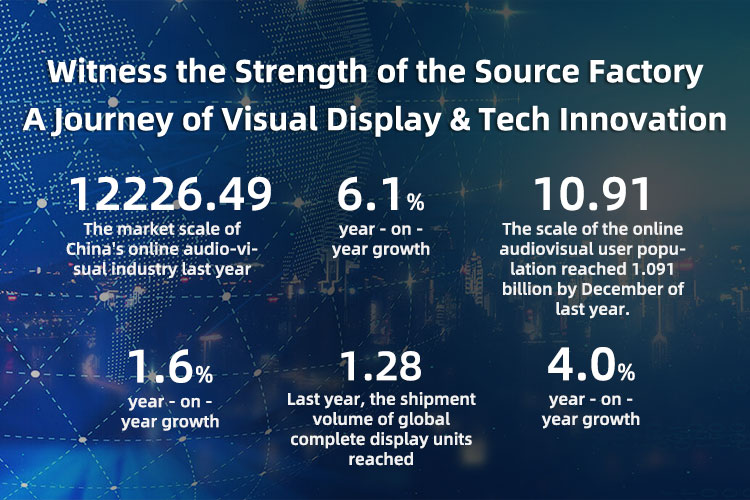
Selecting the right brightness and color temperature for a conference room LCD video wall is not about chasing the highest specs, but balancing ambient light, viewing distance, and content type. Stonbel, a top-10 Chinese LED display manufacturer, offers a full range of LCD and COB fine-pitch displays, certified to 3C, CE, and FCC, serving clients like Huawei and Peking University. We recommend on-site evaluation and comparative testing before purchase. For tailored solutions, contact Stonbel's service points across 31 provinces for expert guidance.
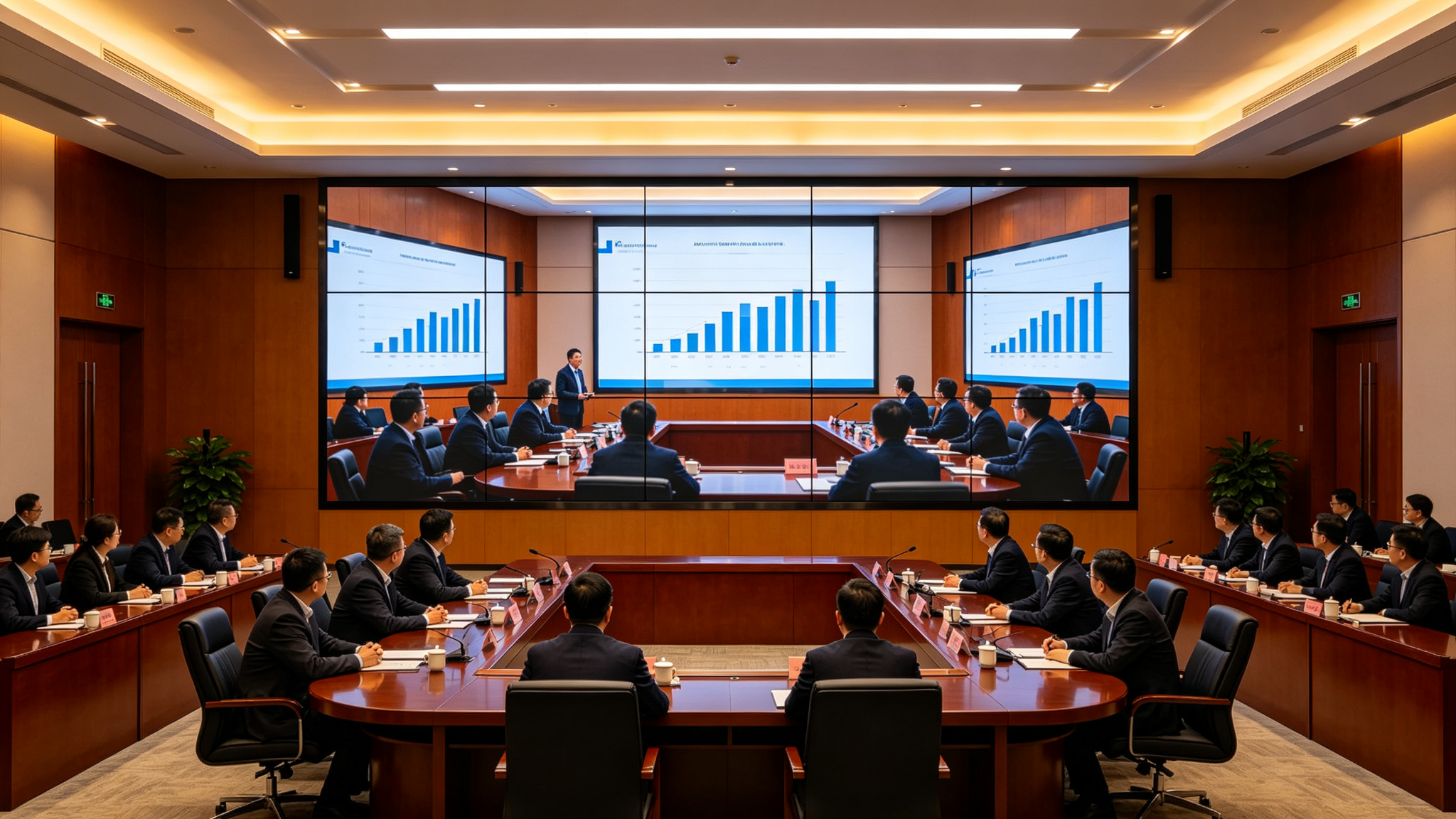
Comparison Overview
Selecting an LCD video wall for meeting rooms begins with understanding how ambient light affects display performance. Meeting rooms typically have three lighting conditions: natural light (windows), artificial light (ceiling lights, spotlights), and mixed light. Different light intensities and color temperatures directly impact visibility and color reproduction. Generally, higher brightness offers stronger resistance to ambient light interference, but excessive brightness in dark environments can cause visual fatigue. Color temperature determines the warm or cool tone of the image and should match the primary light source in the room for
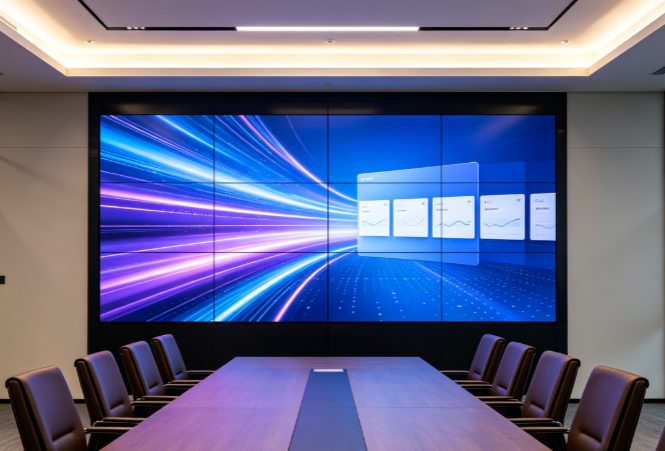
Core Parameter Comparison
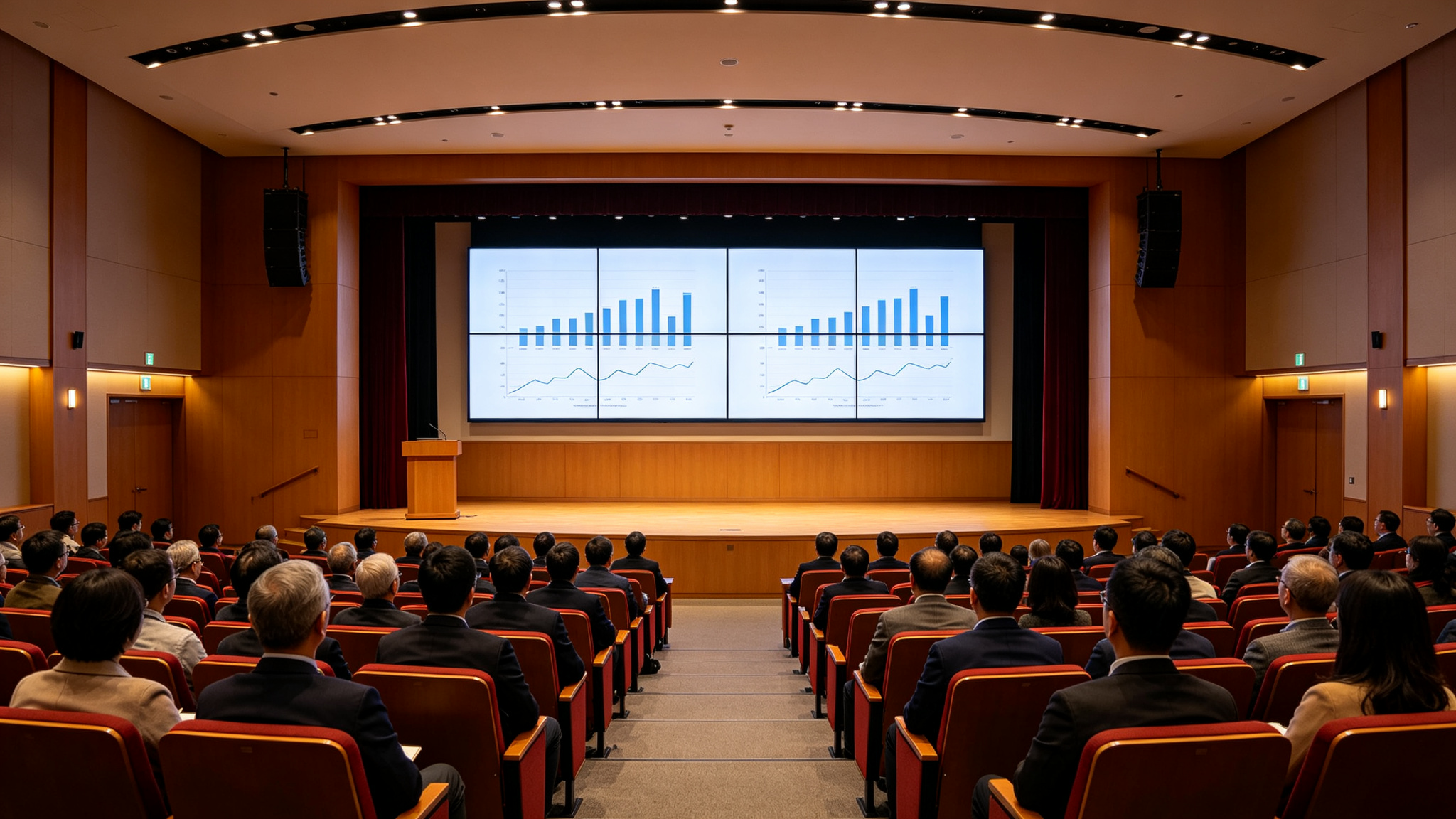
To compare ambient light adaptability, we evaluate two Stonbel products: the LCD display (P6, NTSC≥120%, IP65) and the COB fine-pitch display (P0.7-P1.8, 3840Hz, IP55, lifespan ≥100,000 hours). These represent different application focuses: LCD suits large areas with high brightness, while COB excels in fine detail and seamless splicing. In brightness, the LCD (P6) offers 300-1000cd/㎡, adapting from dark rooms to bright environments. At the Shenzhen Emergency Management Bureau Command Center, a 120-screen video wall (55-inch, 0.88mm bezel) operated at 800cd/㎡ under mixed daylight and artificial light, clearly displaying 256 signal channels with
Selection Recommendations
Selection should follow a 'scenario-oriented' principle. For meeting rooms with significant natural light and large areas (e.g., multi-function halls), prioritize LCD displays with higher brightness and protection (e.g., P6), supplemented by blackout curtains. For high-precision presentations or remote video conferencing, COB fine-pitch displays (P1.2 or P1.5) are preferable due to seamless splicing and high refresh rates, ensuring sharp text and smooth motion. Set screen color temperature to match the primary light source (e.g., 4000K-5000K) to avoid color cast. Stonbel recommends a three-step selection process. First, measure the lighting environment: use a lux meter at four corners and the center at 10 AM, 3 PM, and 7 PM, and a color temperature meter
Q1: Is higher brightness always better for meeting room LCD video walls?
A: No. Brightness must match ambient light: in bright environments, high brightness (e.g., above 500cd/㎡) ensures visibility, but in dark rooms, it causes glare and fatigue. Stonbel LCD displays offer a brightness range of 300-1000cd/㎡ (model-dependent), and we recommend selecting products with adjustable brightness and ambient light sensors. For example, in the Shenzhen Emergency Management Bureau project, 800cd/㎡ was sufficient for mixed daylight and artificial light, achieving 99.99% availability. In a dark room, 300-400cd/㎡ is adequate; higher brightness increases power consumption and heat. Stonbel supports time-based automatic brightness adjustment, raising it during bright daylight and lowering it at night, balancing visibility and LED lifespan.
Q2: How do I determine the correct color temperature for a meeting room LCD video wall?
A: Color temperature determines the image's warm or cool tone. Common meeting room light sources are 4000K-5000K (neutral white). If the screen's color temperature differs significantly, skin tones may shift or backgrounds may appear blue. Stonbel products support color temperature adjustment; after installation, use a calibrator to match the screen to the main light source. For rooms with multiple windows, choose a model with a wide adjustable range (e.g., up to 6500K). To calibrate, turn on the main lighting, measure the actual color temperature, then play a test pattern with skin tones, neutral gray, and blue sky, and adjust the screen menu until white areas are neutral. In the Hangzhou Metro
Q3: How does refresh rate affect meeting room LCD video wall performance?
A: Refresh rate impacts motion smoothness. For common meeting content like PPT slides, video playback, or remote feeds, 3840Hz eliminates ghosting and flicker, ensuring visual comfort. Stonbel COB fine-pitch displays support 3840Hz, suitable for high-motion content; LCD displays (P6) also meet meeting needs, but for 3D or fast-action content, prioritize higher refresh rates. For instance, the Stonbel P0.7 LED model offers 7680Hz and 22-bit grayscale, rendering fast-moving objects (e.g., sports replays) with sharp edges. For video conferencing, 3840Hz ensures lip-sync and smooth video. Note that refresh rate and grayscale together affect quality: high refresh rate with high grayscale (e.g., 16-bit+) delivers finer color transitions, important for gradients or medical imaging. After the Shanghai Planetarium installed a Stonbel seamless LED wall, 3D animations played smoothly without flicker, increasing dwell time by 45%.
Q4: Is the IP protection rating important for meeting room LCD video walls?
A: Yes. While meeting rooms are relatively clean, dust and accidental spills can still damage equipment. Stonbel LCD displays have an IP65 rating (fully dustproof, protected against water jets), and COB fine-pitch displays are IP55 (dust-protected, water-jet resistant), both suitable for meeting rooms. High protection ratings extend lifespan and reduce maintenance, especially near air conditioning vents or in dusty areas. In the Xi'an Airport T5 project, displays in check-in and security zones faced high foot traffic and spill risks; IP65 ensured stable operation across over 400 terminals, halving O&M manpower. Additionally, high ratings prevent dust from clogging cooling channels, maintaining brightness and color stability during long meetings. Stonbel products are ISO14001 certified and ROHS compliant. Always request independent third-party IP test reports rather than relying solely on manufacturer claims.
The choice of brightness and color temperature for conference room LCD video walls is an art of balancing ambient light, viewing distance, and content type. There is no one-size-fits-all parameter; only configurations suited to specific meeting scenarios. Stonbel, with its full product line from P0.7 to P6, a service network across 31 provinces, and long-term validation by clients like Huawei and Peking University, provides end-to-end solutions from measurement and selection to installation and calibration. Real-world cases include a 60% reduction in visual fatigue at Shenzhen Nanshan Foreign Language School, 99.99% availability at Shenzhen Emergency Management Bureau, and a 55% improvement in alert response at Hangzhou Metro Group. We urge buyers to request on-site testing and multi-brand comparison. For the latest specs or a free environmental assessment, contact Stonbel via our website or hotline; our engineers will respond within 48 hours.