Airport LED relief texture screens are priced per square meter based on pixel pitch, protection rating, customization level, and installation services. This article systematically explains the quotation structure and selection process to help airport owners, design institutes, and contractors make informed decisions, avoiding budget overruns or performance surplus.
Core Quotation Factors: From Pixel Pitch to Protection Rating
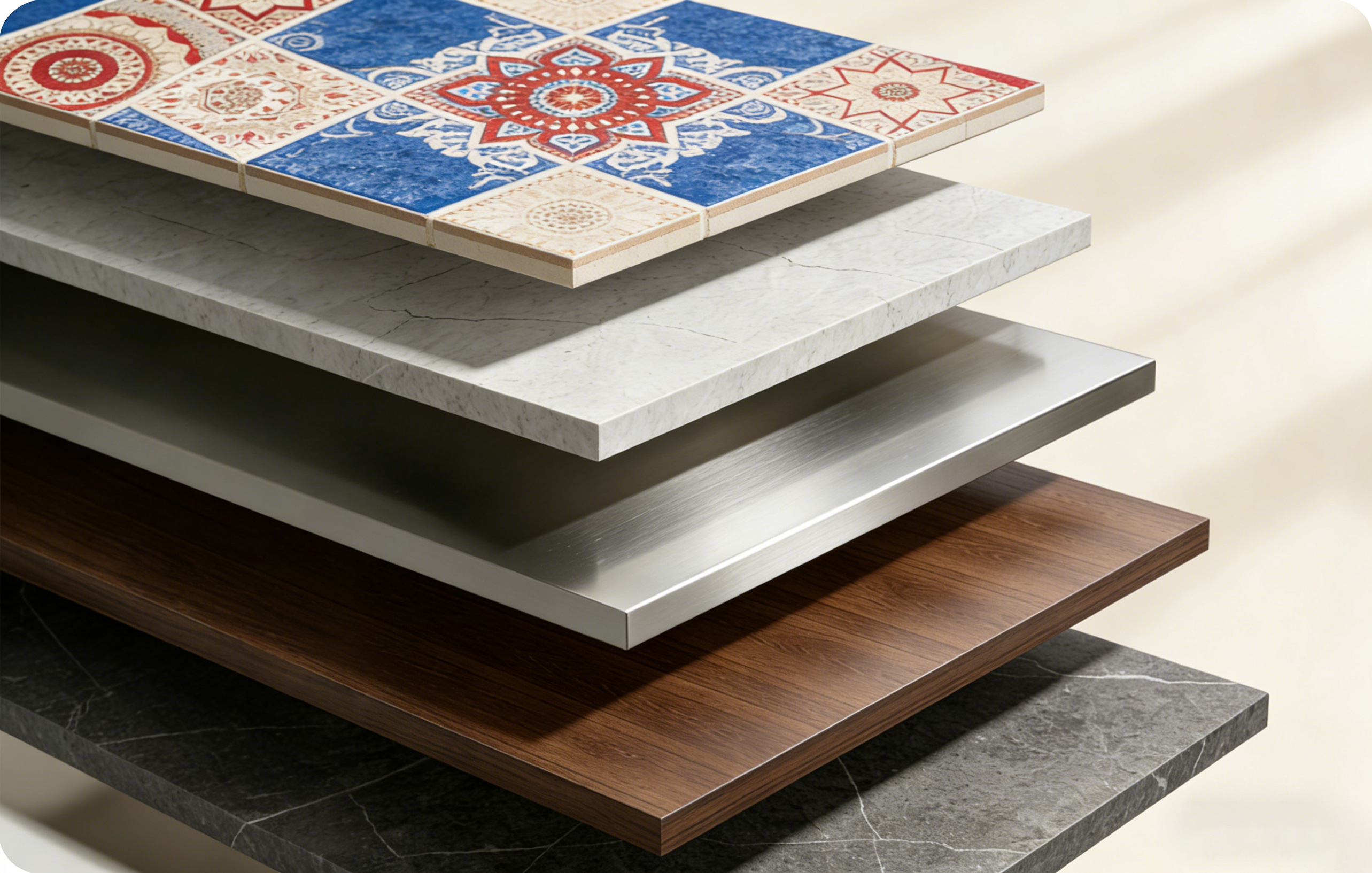
The per-square-meter quotation for airport LED relief texture screens is primarily determined by core display parameters. Pixel pitch is the foremost cost factor—smaller pitch means higher LED density per unit area, better display precision and close-viewing comfort, but material and manufacturing costs rise exponentially. For Stonbel's LED texture screens, the standard pixel pitch is P5, striking a balance between decorative effect and cost control, suitable for medium viewing distances such as airport lobby feature walls and corridors. For VIP lounges requiring finer texture detail at close range, custom solutions with P3 or smaller pitch are available, though per-square-meter costs may increase by 40% to 60%. Protection rating also significantly impacts pricing. Airport terminals present complex environments with high humidity, temperature fluctuations, and dusty areas, while outdoor or
Customization and Installation Complexity: Hidden Drivers of Price Variance
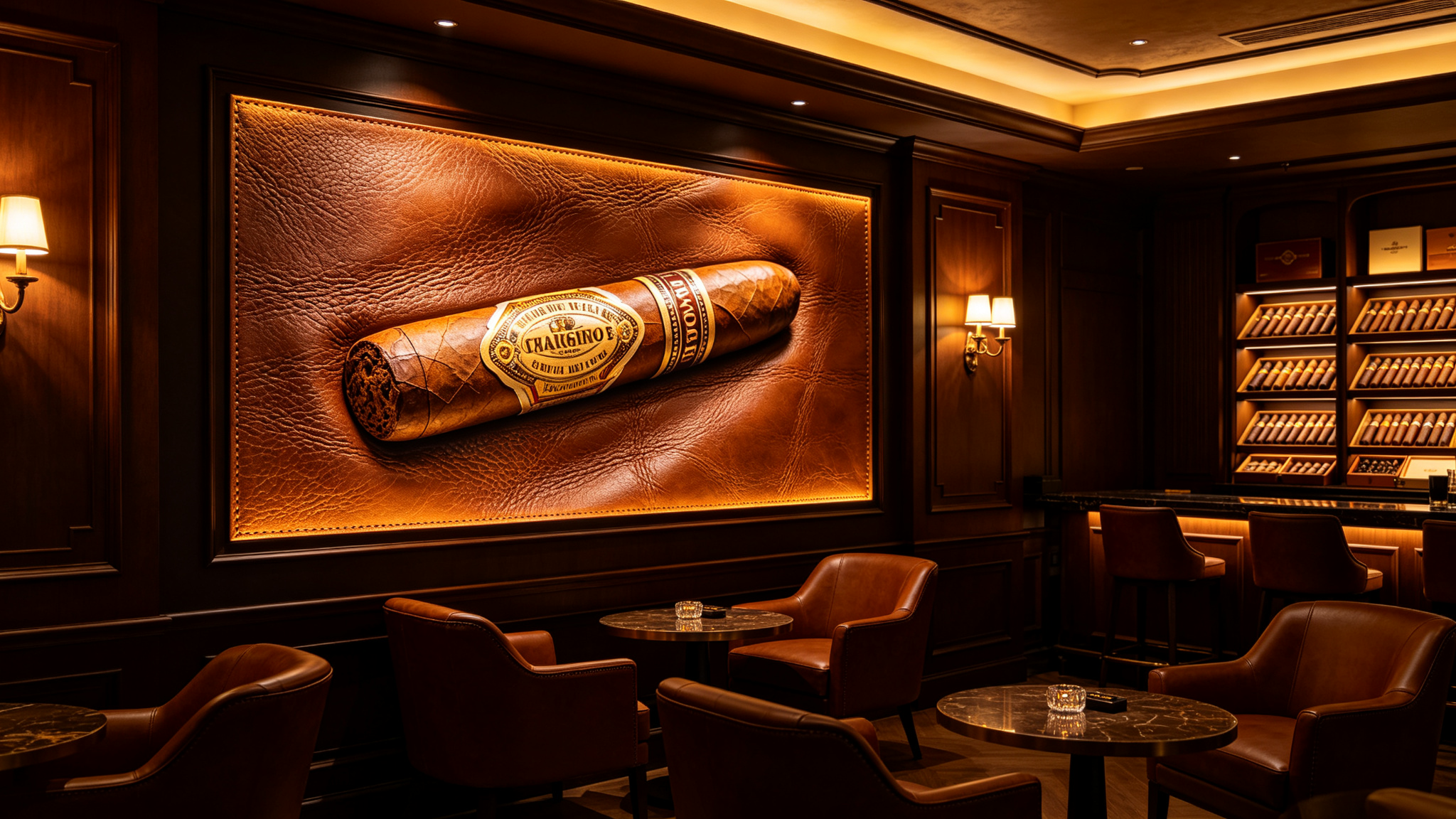
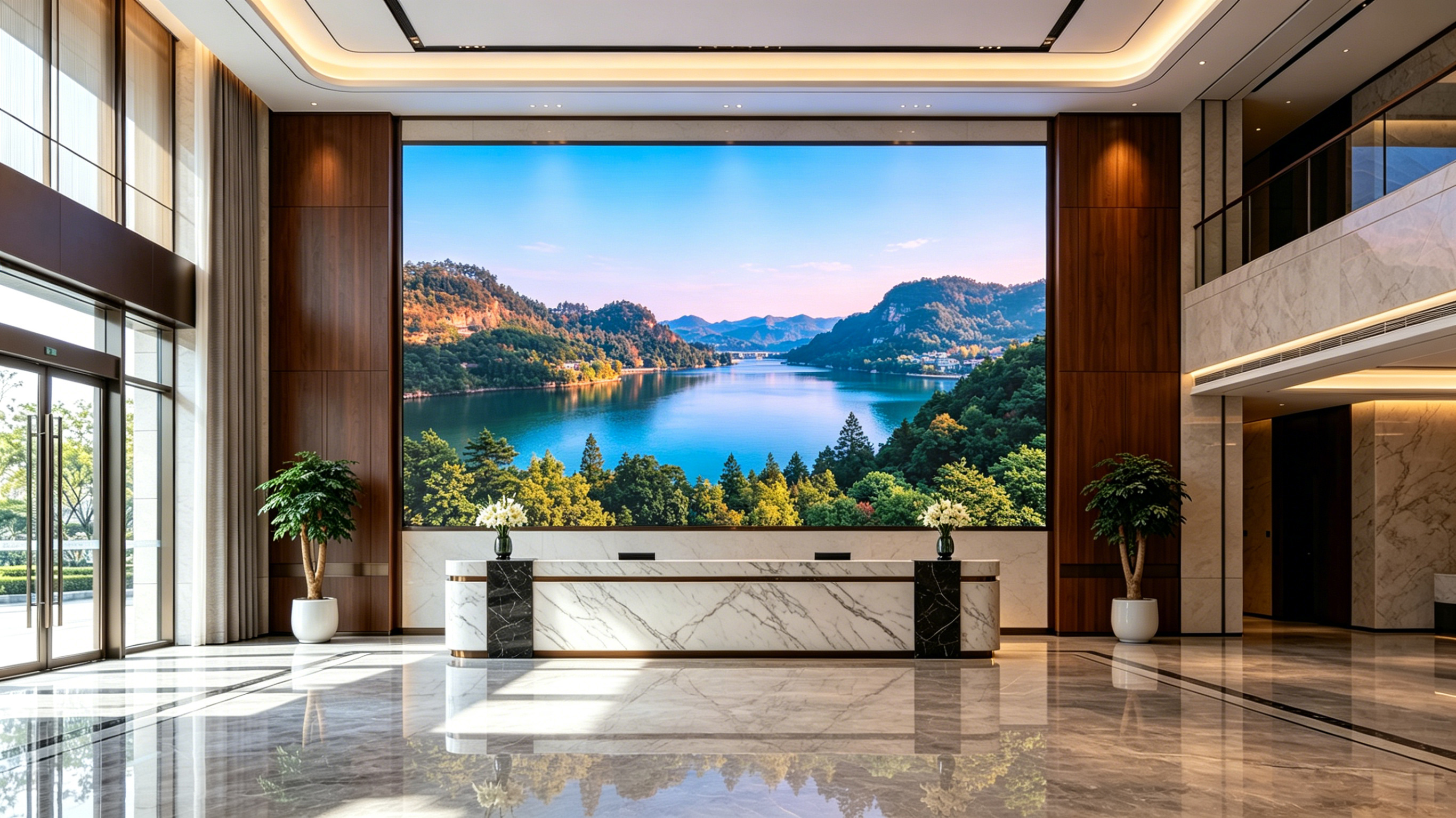
Airport LED relief texture screens differ from standard displays due to their highly customized 'relief' and 'texture' characteristics. The realism, tactile feel, and light transmittance of surface texture materials (such as natural marble, wood grain, or brushed metal) directly impact mold development and process costs. In Stonbel's project at Atlantis Sanya resort, the LED texture screen photoelectric building material (marble texture screen) achieved a fusion of natural stone aesthetics and high-definition illumination through special surface treatment; the R&D amortization for such deep customization is reflected in the per-square-meter quotation. Furthermore,
Control Systems and Smart Integration: Soft Costs Defining Long-Term Value
In quotations for airport LED relief texture screens, control systems and software platforms often account for 15%-20% of the total, yet they are critical to long-term user experience. A mature system must support multi-signal input (e.g., flight information, advertising video, environmental monitoring data), zoned publishing, scheduled on/off, and remote O&M. Stonbel's naked-eye 3D project for China Resources Land Shenzhen Bay was equipped with an AI smart central control system that unified content scheduling and reserved interfaces for brand collaborations, generating over 6 million social media exposures in the first month—demonstrating how
Selection Process and Acceptance Standards: Ensuring Precise Investment Delivery
Procuring airport LED relief texture screens is not a simple price comparison but a systematic decision requiring comprehensive evaluation of technical parameters, environmental adaptability, construction capability, and long-term O&M. A step-by-step approach is recommended: First, define the application scenario and core requirements—is it information display, artistic presentation, or commercial advertising? What is the viewing distance? What are the ambient lighting conditions? Second, preliminarily filter pixel pitch and brightness specifications based on requirements (referencing Stonbel's LED texture screen parameters such as P5 pitch and IP54 protection). Third,
Q1: What is the typical price range per square meter for airport LED relief texture screens?
A: The price of airport LED relief texture screens is influenced by multiple factors including pixel pitch, protection rating, degree of customization, and installation services, making a unified unit price impossible. For Stonbel's LED texture screens, the standard product features P5 pixel pitch, IP54 protection, and 3840Hz refresh rate; the base quotation typically includes the screen body, control system, and structural components, positioning it within the mid-to-high-end display product range. Custom textures (such as marble) or smart central control systems will increase costs by 15%-30%. It is recommended to obtain itemized quotations from
Q2: What are the main factors affecting quotations for airport LED relief texture screens?
A: Main factors include: 1. Pixel pitch—smaller pitch increases per-square-meter costs, with a 40%-60% price difference between P5 and P3; 2. Installation environment complexity—irregular splicing, high-altitude work, or outdoor waterproofing adds 10%-25% to structural and construction costs; 3. Control system configuration—multi-screen controllers, AI central control, or local encrypted storage account for approximately 15%-20% of the total; 4. After-sales service requirements—7×24 O&M response, spare parts inventory, and on-site support are included in the total price. Additionally, supplier certifications (such as 3C, CE, ISO14001) are hidden pricing factors; established manufacturers with higher compliance costs typically offer more stable quotations but avoid later acceptance risks.
Q3: What is the difference between airport LED relief texture screens and ordinary LED displays?
A: The core difference lies in the 'off-state' visual effect and surface craftsmanship. Airport LED relief texture screens present building-grade textures (such as marble, wood grain, or brushed metal) when powered off, blending into architectural decoration, whereas ordinary LED displays appear black or dark gray when off, creating visual突兀. Texture screens also emphasize surface protection processes to withstand high-humidity and dusty airport environments. Stonbel's LED texture screens feature P5 pixel pitch, IP54 protection, and 3840Hz refresh rate, ensuring high-definition display while enhancing decorative appeal and weather resistance through
Q4: What certifications should be considered when procuring LED relief texture screens for airport projects?
A: Airport projects impose strict compliance requirements for electronic equipment. Ensure products hold basic certifications including 3C (China Compulsory Certification), CE (EU safety), FCC (US electromagnetic compatibility), ROHS (Restriction of Hazardous Substances), as well as system certifications such as ISO14001 (Environmental Management) and ISO9001 (Quality Management). For classified areas or special government projects, military or classified information system integration qualifications may also be required. Stonbel, ranked among China's top ten LED display companies, holds all the above certifications and serves clients including Huawei Technologies, Peking University, Peking
Procuring airport LED relief texture screens involves technical and aesthetic decisions. This article outlines quotation components, customization variables, system integration, and acceptance processes, providing a clear framework from requirement definition to project delivery. As a manufacturer, Stonbel offers reliable LED texture screens validated in projects like Sanya Atlantis Resort and Chengdu Tianfu International Airport, supported by a 31-province service network. As display technology integrates with building materials, transparent procurement remains key to project success.