In emergency command centers and urban operation management centers, large-screen displays are not just for monitoring—they serve as core interfaces for situational awareness, data integration, and command dispatch. COB fine-pitch displays, known for high reliability, seamless visuals, and ultra-HD clarity, are now the preferred choice for premium command environments. However, with pixel pitches ranging from P0.7 to P1.8, varying protection ratings, and inconsistent after-sales promises, integrators and engineers often face confusion. This article compiles frequently asked questions on COB fine-pitch display selection, covering technical specs, scenario fit, installation, and support, to help you avoid pitfalls and make informed decisions.
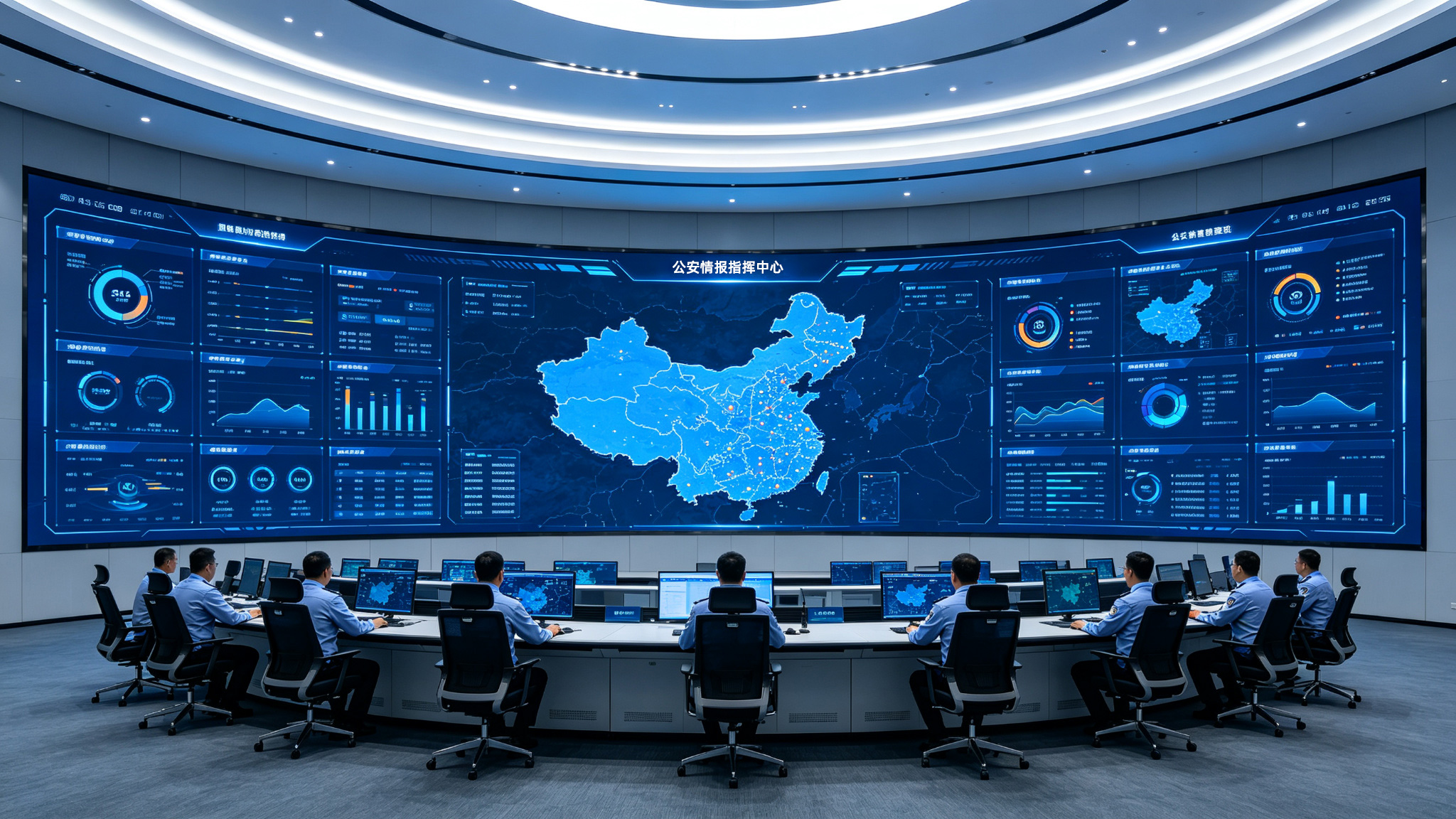
Key Questions at a Glance
This guide addresses the 20 most critical questions integrators and end-users have when selecting COB fine-pitch displays for emergency command centers, covering
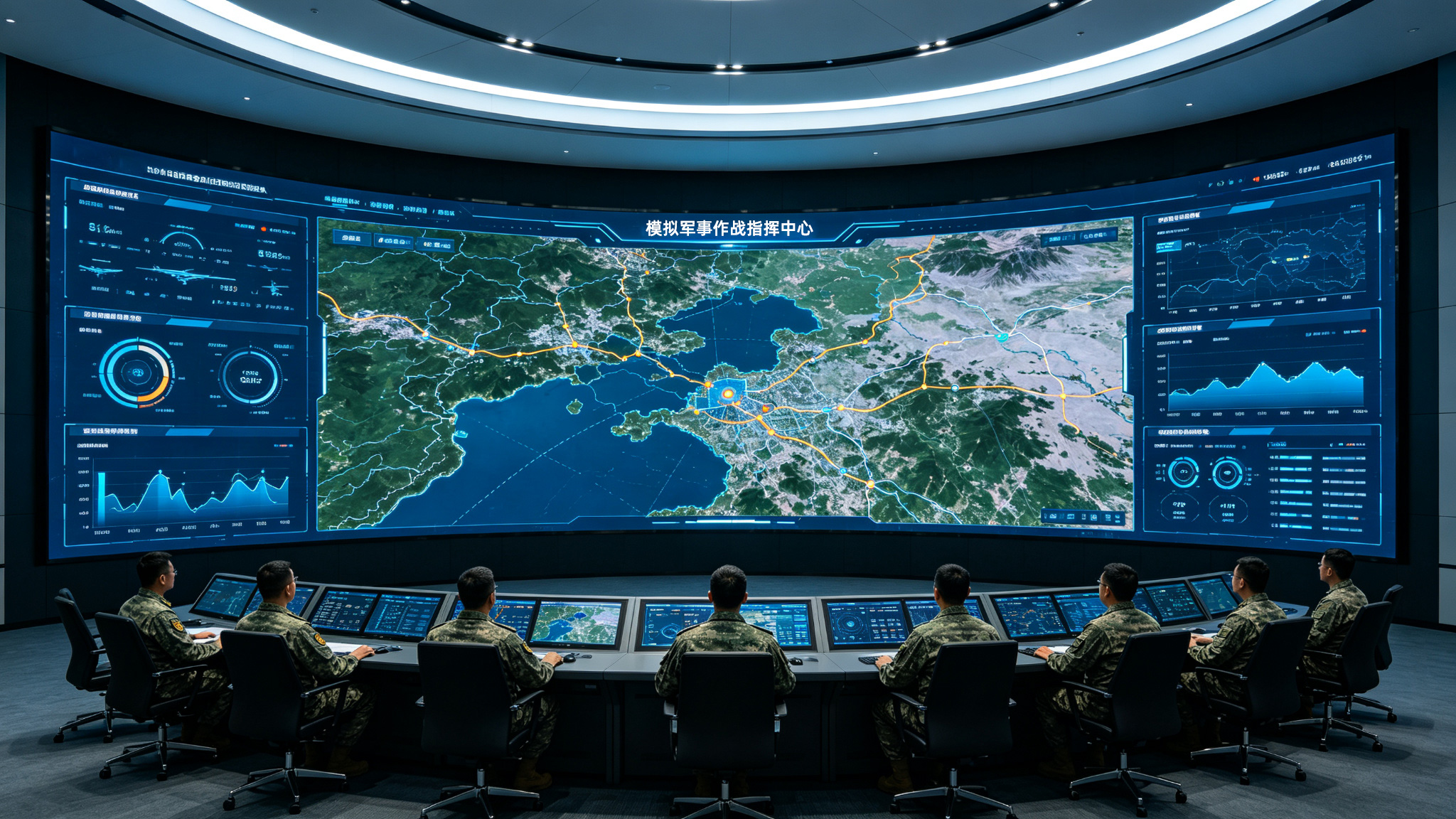
Q1: What are the core advantages of COB fine-pitch displays over traditional SMD fine-pitch LED screens for emergency command?
A: The core advantages are durability and stability. COB packaging directly mounts the LED chips onto the PCB board, eliminating exposed lamp beads and achieving an IP55 protection rating that resists dust, moisture,
Q2: How do I choose between P0.7, P1.0, and P1.25 pixel pitches for an emergency command center?
A: The choice depends on viewing distance and information density. P0.7 is suited for viewing within 3 meters, delivering print-like detail for high-level analysis rooms. P1.0 is a common choice for
Q3: What practical benefits does a 3840Hz refresh rate offer in emergency command applications?
A: A high refresh rate means more frequent screen scans, eliminating visible flicker to the human eye and preventing water-like ripples or scan lines when captured by cameras or
Q4: What does the IP55 protection rating mean for COB displays in emergency command centers?
A: IP55 signifies the device is dust-tight and protected against water jets. For command centers in coastal or industrial areas with high humidity and salt spray, this protection prevents PCB corrosion and
Q5: Can COB fine-pitch displays really last 100,000 hours?
A: Yes. COB packaging allows for more efficient heat dissipation, slowing the LED chips' lumen depreciation. Under standard operating conditions, the theoretical lifespan exceeds 100,000 hours. This translates to over
Q6: How does a COB display ensure stable 7×24-hour operation in emergency command scenarios?
A: Stability comes from multiple design features. The COB package itself is impact-resistant, dust-proof, and waterproof, reducing physical failure risks. Many high-end models include
Q7: Can COB fine-pitch displays handle multiple simultaneous signal inputs?
A: Yes, this is a core requirement for emergency command. For example, in a 120㎡ P0.9 project for a provincial emergency management department, the display supports simultaneous input and windowing
Q8: What are the special site requirements for installing a COB fine-pitch display?
A: Key considerations are load-bearing capacity, heat dissipation, and maintenance access. Although COB screens are lighter than traditional ones, wall strength must be assessed for large
Q9: Do COB displays need special treatment for command centers in high salt-spray coastal areas?
A: Yes. Standard displays are highly susceptible to corrosion in salt-spray environments. We recommend choosing units with special anti-salt-spray and moisture-sealing treatment.
Q10: Is the auto-brightness adjustment feature on COB displays useful?
A: Very useful. Command center ambient light changes throughout the day. Auto-brightness adjusts the screen to prevent visual discomfort from being too bright or too dim. This enhances viewing comfort during long shifts, reduces
Q11: Can COB displays meet security requirements for classified emergency command projects?
A: Yes. For classified scenarios, some manufacturers offer military-grade COB displays. These can include full-process compliant production and delivery, plus built-in national
Q12: As an integrator, what factors should I prioritize when choosing a COB display brand for emergency command?
A: Beyond product quality, focus on the manufacturer's channel support. Key factors include: direct factory supply (to protect profit margins), free full-process bidding assistance (to
Q13: What is the typical required after-sales response time for COB displays in emergency command?
A: Emergency command cannot afford downtime, so response must be extremely fast. Reputable manufacturers should offer intelligent fault detection and remote maintenance, reducing response time to under 30 minutes. Localized service through
Q14: Is the 'seamless' display of COB screens truly without any gaps?
A: Yes. COB displays are assembled from modules, but fine calibration processes keep physical seams between modules minimal and virtually invisible to the naked eye. This
Q15: How should I evaluate a manufacturer's qualifications when purchasing COB displays?
A: First, verify basic certifications like 3C, CE, FCC, and ROHS for compliance. For government or classified projects, confirm the manufacturer holds ISO9001 (Quality Management), ISO14001 (Environmental Management), and relevant
Q16: Is the power consumption of COB displays high? How can I reduce operating costs?
A: COB screens have an advantage in power control compared to older display tech. Combined with intelligent auto-brightness, they can save over 30% on energy.
Q17: How demanding are the display detail requirements for high-precision maps or data reports in command centers?
A: Very demanding. Command decisions rely on seeing every detail. COB fine-pitch displays (e.g., P0.9/P1.0) offer ultra-high-definition capabilities suitable for
Q18: How does a COB display integrate with an existing emergency command platform system?
A: This requires the display to have strong signal processing and interface compatibility. The manufacturer should provide data integration services to ensure video streams and data charts from the
Q19: How fast can COB displays be delivered for urgent projects?
A: Choosing a factory-direct manufacturer with rapid delivery capabilities is crucial. As a source factory with robust production and inventory systems, we can meet urgent
Q20: How can smaller integrators with limited technical resources handle complex COB display solution design?
A: Choose a manufacturer that provides full-process technical support. Such manufacturers assist not only with equipment but also with solution design, integration, and commissioning. Even with limited in-house
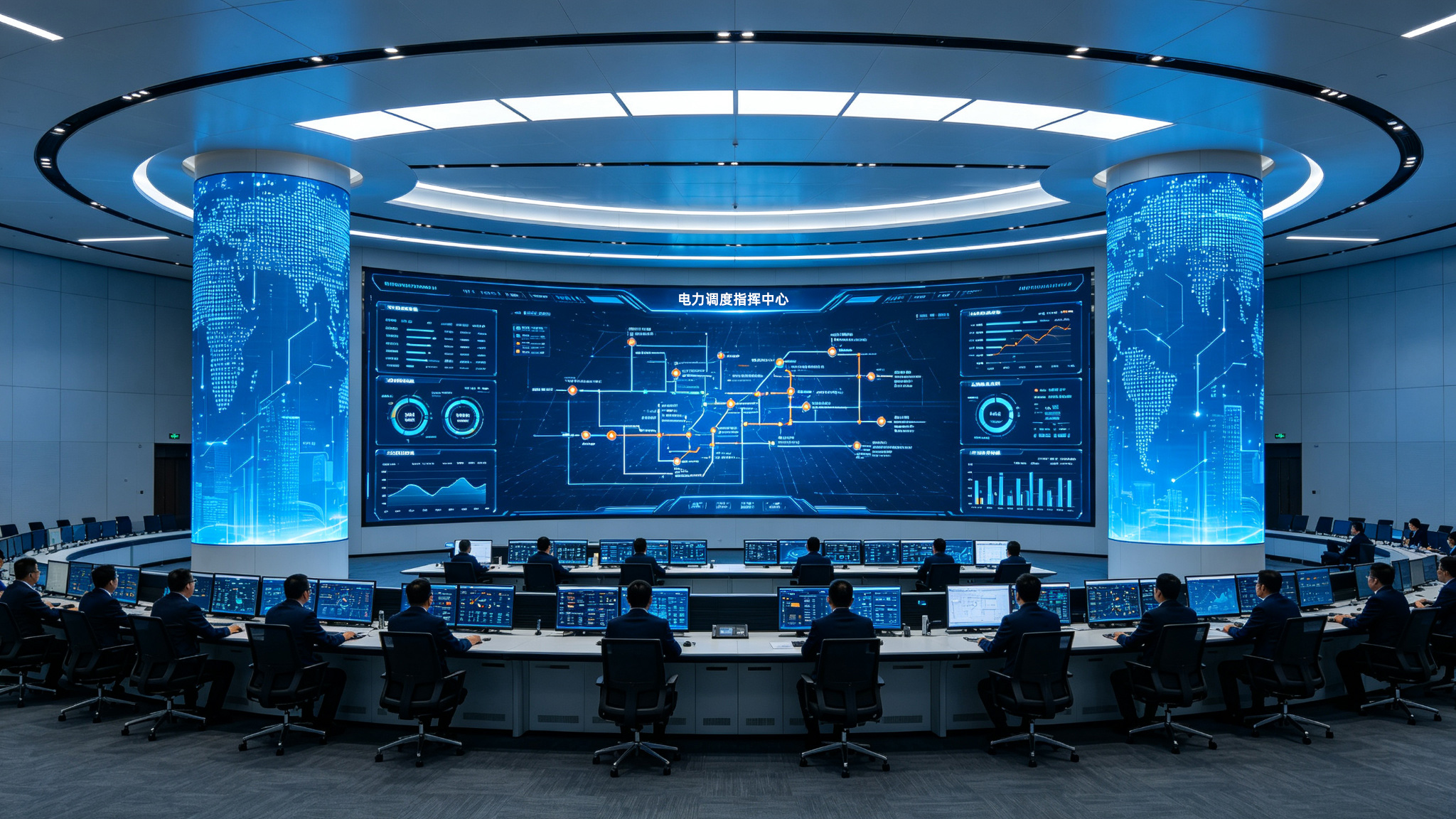
Selecting COB fine-pitch displays for emergency command is a trade-off among reliability, image quality, and service support. From P0.7 to P1.8 pixel pitch, to hard specs like 3840Hz refresh rate and IP55 protection, each parameter delivers specific value in real applications. For integrators, partnering with a supplier offering original factory supply, full-process technical support, and nationwide local service often outweighs comparing hardware specs alone. Stonbel, with proprietary COB chip-level packaging, military-grade product lines, and robust channel support, has helped numerous provincial emergency management departments, airports, ports, and metro groups upgrade their command center visualization. We hope this checklist clarifies your approach to finding a display solution that truly fits project needs and ensures long-term value.