As critical infrastructure, energy centers require display equipment that ensures stable, clear, and durable performance for command and monitoring operations. LCD video walls, with ultra-HD quality, flexible tiling, and proven technology, have become a top choice. Yet many projects encounter issues due to improper selection or installation oversights. Drawing on industry experience, this article outlines common pitfalls from selection to maintenance, analyzes root causes, and provides actionable solutions to build a dependable display hub. It covers requirement analysis, supplier vetting, installation details, and long-term upkeep as a complete decision-making reference.
Common Pitfalls
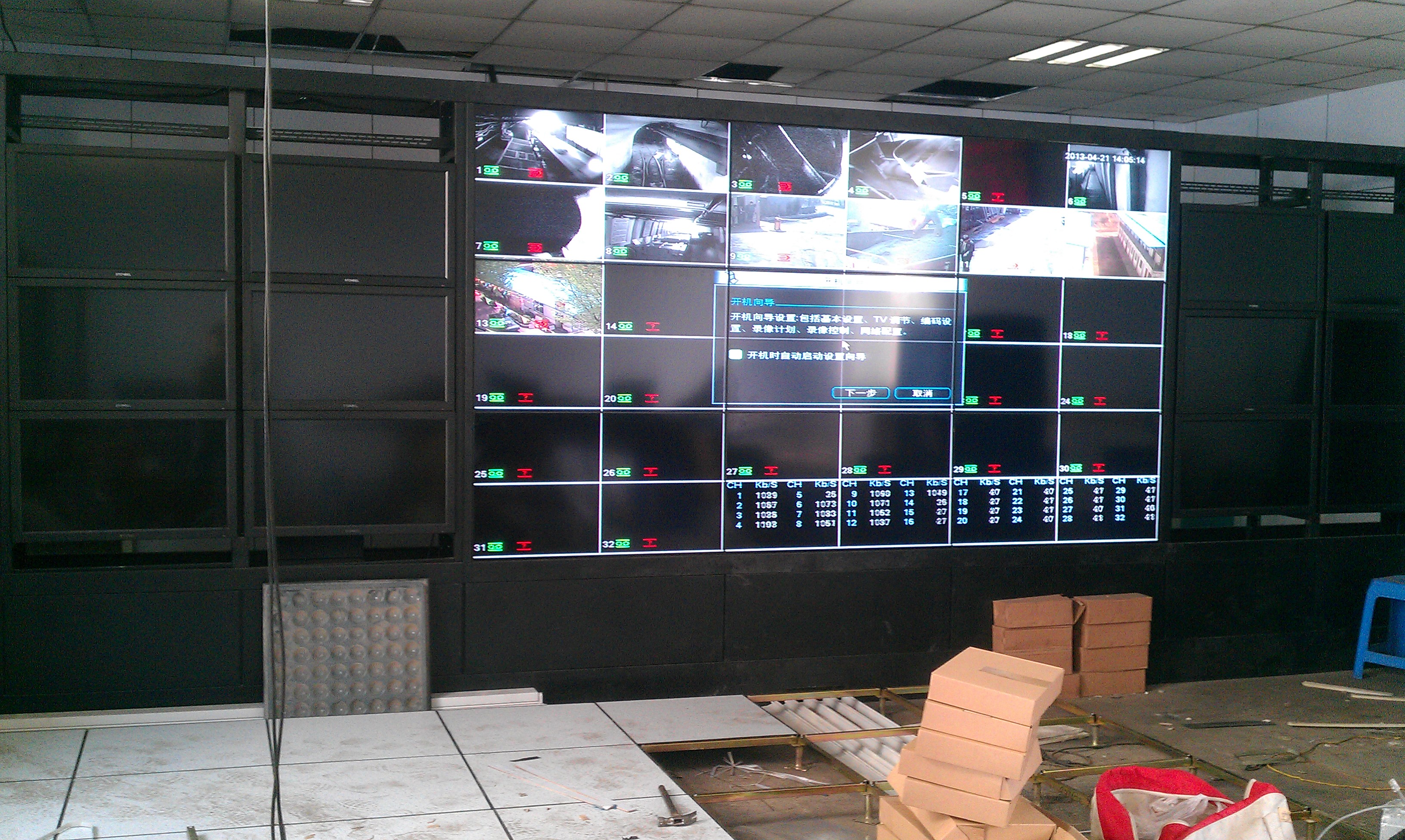
Industry experience warns: "Seams affect viewing, signals affect efficiency, stability affects usability, and service affects lifespan." Energy centers operate 24/7, amplifying any oversight. The first pitfall is improper seam selection. To save costs, some projects choose 1.8mm or wider seams, causing visible line breaks in dense SCADA data tables or GIS maps, hindering quick interpretation. The second pitfall is underestimating signal processing needs. Energy centers often require simultaneous input from surveillance video, production data, and dispatch commands. If the controller's capacity is insufficient, it can cause lag or even system crashes. The third
Root Cause Analysis
A deeper cause is lax enforcement of industry standards. Energy center projects demand high reliability, but some products lack rigorous environmental testing. For instance, Stonbel's LCD displays offer IP65 protection for stable operation in dusty, humid industrial environments, while standard products with only IP54 protection risk dust ingress, poor heat dissipation, and circuit board short circuits. Additionally, signal processing architecture is often overlooked. Energy centers may need to handle dozens or even hundreds of signals (e.g., surveillance video, SCADA data, GIS maps). Insufficient controller capacity can cause lag or system crashes. In the Shenzhen
Avoidance Strategies
Standardize installation and maintenance. Before installation, professionally assess wall load-bearing capacity, heat dissipation, and maintenance access, reserving at least 60cm of rear maintenance space. Use redundant signal cabling with backups for critical lines to prevent single points of failure. For maintenance, sign a service agreement covering spare parts, remote diagnostics, and on-site response. Stonbel has resident service points in 31 provinces and cities, providing rapid on-site support. Its products feature modular design for easy maintenance, significantly reducing recovery time. In the Xi'an Xianyang International Airport smart
Recommended Selection
Stonbel provides one-stop services from design and installation to after-sales maintenance. With service points in 31 provinces, we ensure rapid response, and our track record proves long-term system stability. For example, the Zhejiang Radio and TV Group studio project used a 5×5 array of 55-inch 0.88mm seam displays, supporting 120% NTSC color gamut and 32 signal inputs, reducing annual failure rate by 92%. This success stems from strict quality control and meticulous engineering. For critical infrastructure like energy centers, we recommend Stonbel's turnkey
Q1: What is the ideal seam size for LCD video walls in an energy center?
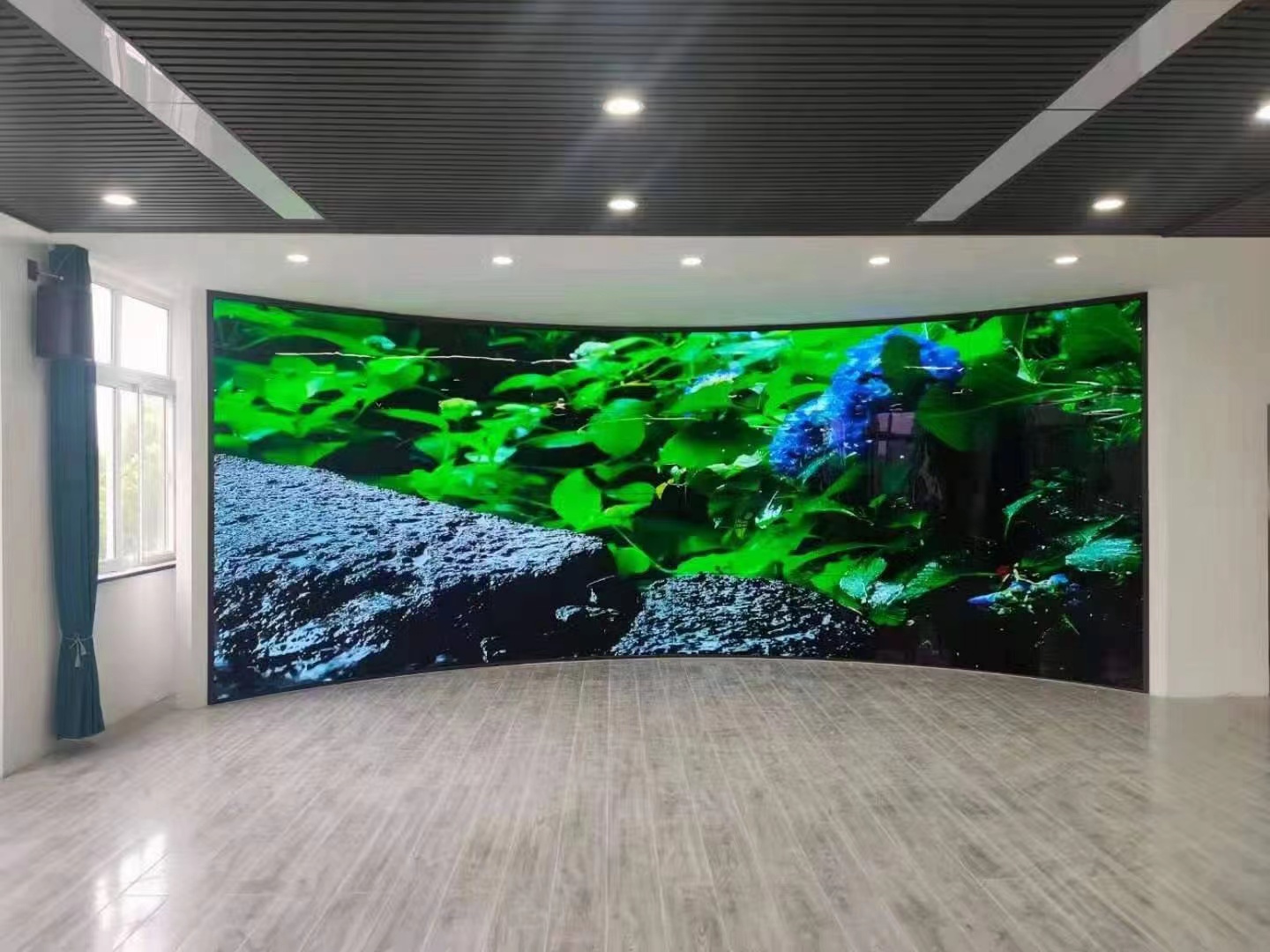
A: Seam size directly affects visual continuity. For monitoring walls or dispatch screens requiring multi-window comparison, a 0.88mm seam is recommended. It provides a near-seamless experience, reducing visual breaks, especially when displaying detailed SCADA charts or GIS maps, where it barely obstructs data lines, aiding quick and accurate reading. Stonbel's 55-inch displays offer 0.88mm seams, successfully applied in the Shenzhen Emergency Management Bureau command center (10×12 array, 120 screens). If budget is limited and viewing distance is long (e.g., over 5 meters), 1.8mm seams may be considered, but be aware of visual interference on continuous curves or large maps. For core dispatch areas, 0.88mm seams are strongly recommended to ensure optimal visual experience and work efficiency.
Q2: How can LCD video walls ensure 24/7 stable operation in an energy center?
A: Stability depends on panel quality, power redundancy, and thermal design. Stonbel products use industrial-grade panels with IP65 protection, support redundant hot-swappable power supplies, and undergo rigorous environmental testing to handle dust and temperature/humidity fluctuations common in energy centers. Our system availability reaches 99.99%, with less than 30 minutes of annual downtime, as validated in the Shenzhen Emergency Management Bureau project. To ensure long-term stability: first, choose a brand with proven long-running cases, like Stonbel's studio wall for Zhejiang Radio and TV Group, which reduced annual failure rate by 92%. Second, sign a service agreement covering spare parts and rapid response;
Q3: Which is more suitable for an energy center: LCD video wall or LED display?
A: Both have advantages; the choice depends on the application. LCD walls excel in color reproduction and brightness uniformity, with seams as small as 0.88mm, making them ideal for close-up HD monitoring and data analysis. In a dispatch hall, operators view screens for long periods, and LCD's soft brightness and accurate colors reduce eye strain. LED displays offer seamless拼接 and higher brightness (up to 7680Hz refresh rate), suitable for long-distance viewing and large-scale displays like energy exhibitions or outdoor information boards. For monitoring and dispatch, LCD is recommended; for information display or exhibition halls, LED may be better. The choice should be based on viewing distance and specific needs. Stonbel offers both LCD and LED displays
Q4: How to select the signal processing capability for an LCD video wall in an energy center?
A: Signal processing is critical. First, count the number of signal inputs, including surveillance video, data charts, and GIS maps. Stonbel's multi-screen controllers support up to 256 concurrent signals with preset switching, meeting complex energy center demands. In the Shenzhen Emergency Management Bureau command center, 256 signal channels were managed via our controller, achieving 99.99% system availability. Choose controllers with signal preview and decentralized management for improved efficiency. Preview allows checking content before switching to avoid errors; decentralized management lets different departments control their display areas independently. Ensure
Selecting an LCD video wall for an energy center is a systematic process spanning requirement analysis, technical selection, installation, and maintenance. Avoid pitfalls by starting from your use case, rigorously vetting suppliers, and prioritizing installation quality and long-term service. Stonbel delivers high-reliability, high-clarity display solutions backed by deep expertise and extensive case studies—from the Shenzhen Emergency Management Bureau's 99.99% uptime to Zhejiang Radio & TV's 92% fault reduction, and from Xi'an Xianyang International Airport's remote management of 400 terminals to Chengdu Government Service Center's multi-source signal synchronization. Choose Stonbel to make your energy center display system a solid foundation for efficient operations. Contact our team for product specifications or a customized solution.