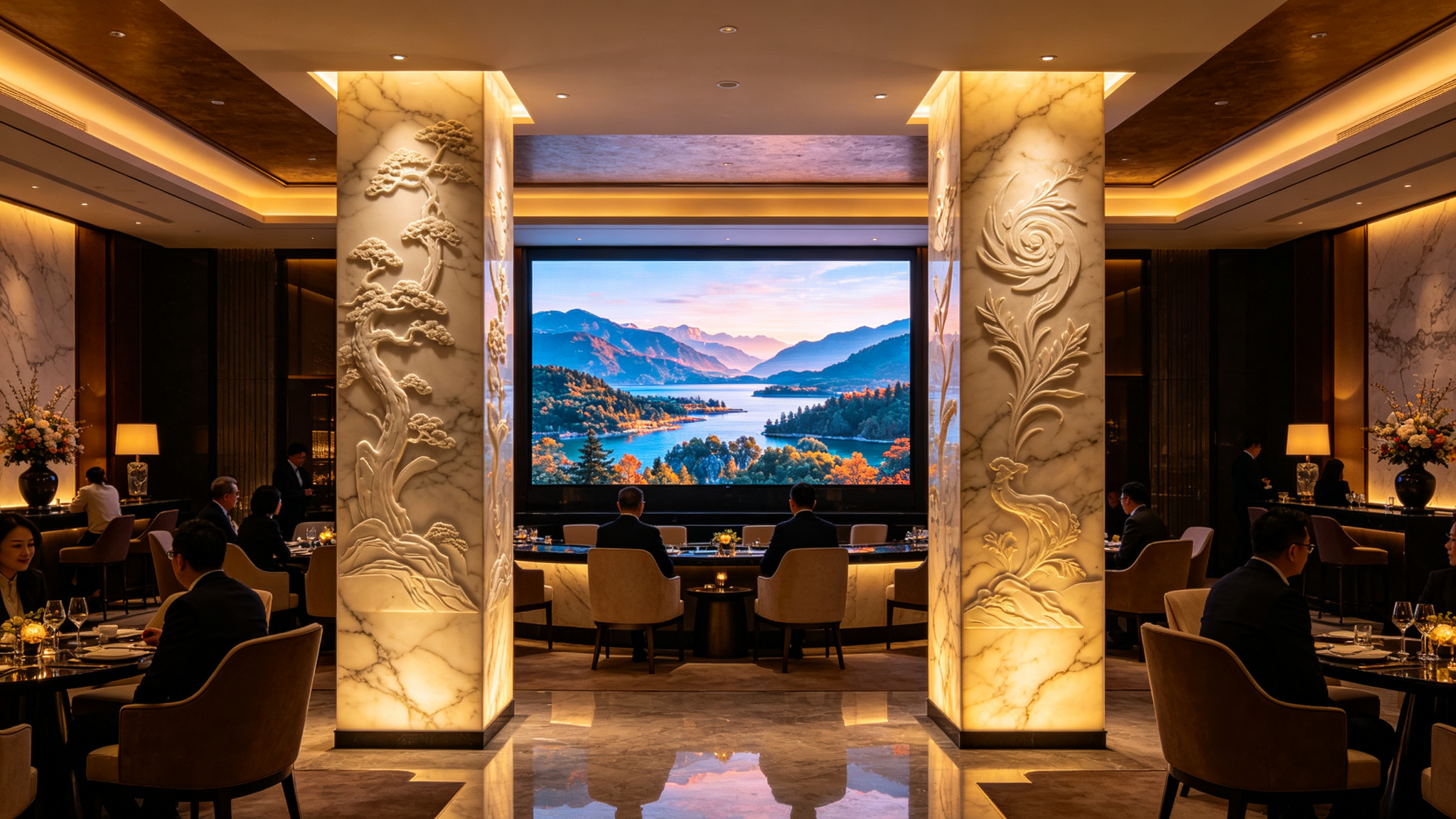
As solemn judicial venues, courts need indoor and outdoor displays that not only serve information release and legal publicity but also visually convey dignity and authority. The LED relief texture screen, an innovative product merging high-end architectural textures with HD display technology, is being adopted in court filing halls, tribunal building exteriors, and cultural exhibition spaces. Given complex lighting conditions, scientifically selecting brightness and color temperature while adapting to ambient light has become a key concern for project decision-makers. Based on Stonbel's technical parameters and project experience in LED displays, this article systematically addresses frequent selection and installation questions in Q&A format to support objective, rational decisions.
FAQ Overview
During the planning and procurement of LED relief texture screens for courts, the most common inquiries focus on brightness and color temperature selection, display optimization under varying ambient light, and installation and maintenance reliability. This
Q1: What is a court LED relief texture screen and where is it suitable for use?
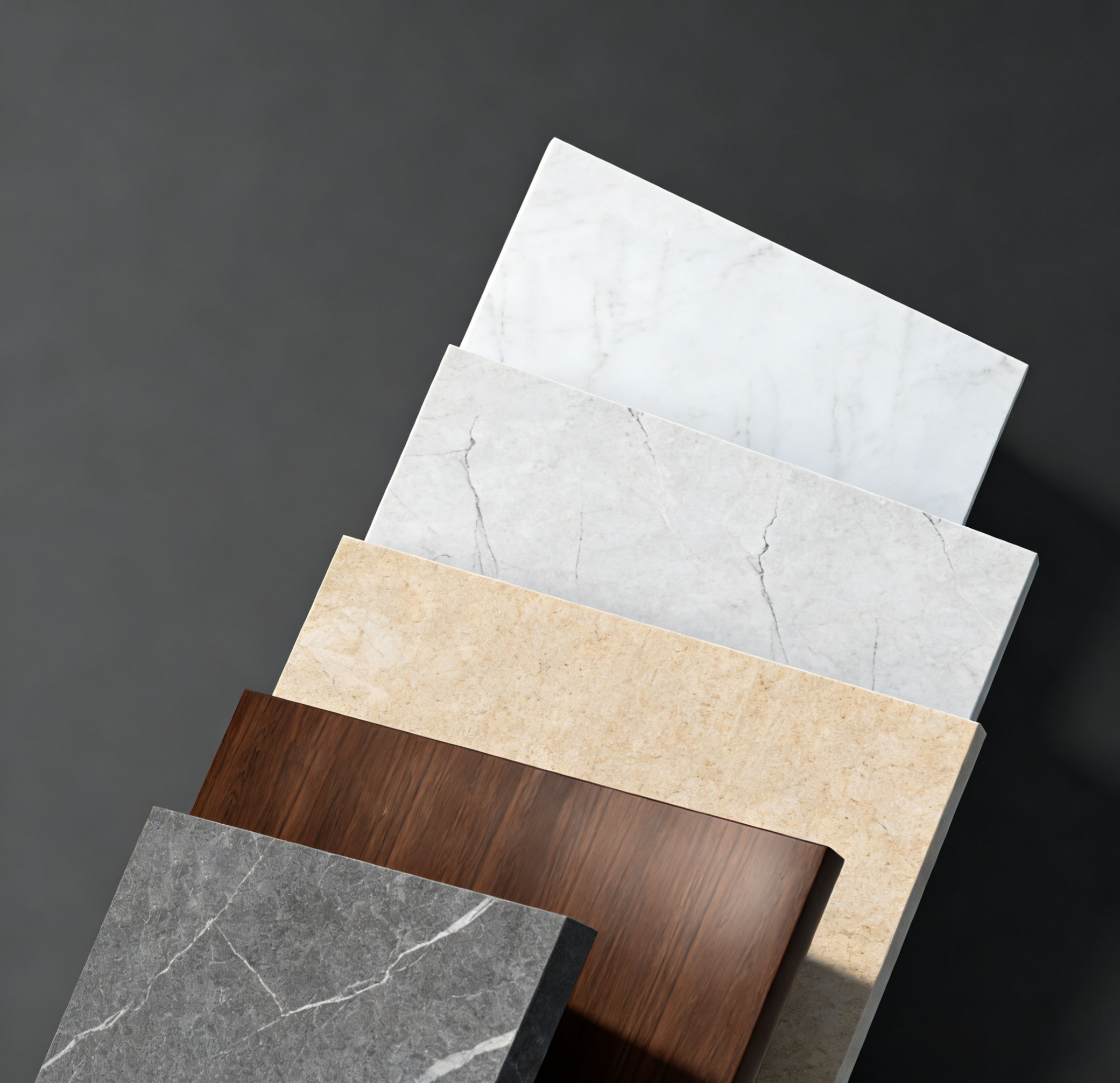
A: A court LED relief texture screen is an innovative product that combines high-end building material textures like natural stone with Micro-LED display technology. It shows a decorative texture when off and plays high-definition content
Q2: What brightness level is recommended for a court LED relief texture screen?
A: For indoor court areas like filing halls, a brightness of 600-800 cd/m² is recommended. For semi-outdoor areas such as porticos, 800-1000 cd/m² is suggested. Stonbel LED texture screens offer adjustable brightness based on ambient light, with specifics determined
Q3: How should color temperature be set to convey solemnity in a court?
A: A color temperature between 5000K and 6500K is recommended for court settings, as cooler tones create a serious and calm atmosphere. For cultural exhibition halls displaying historical images, a warmer 4000K tone can enhance a sense of depth.
Q4: How is display performance ensured in high-light environments?
A: In high-light conditions, prioritize the screen's protection rating and brightness. Stonbel LED texture screens have an IP54 rating, effectively resisting dust and water, suitable for semi-outdoor areas.
Q5: How does the refresh rate affect display quality?
A: A higher refresh rate ensures more stable images and eliminates scan lines during filming. Stonbel LED texture screens feature a 3840Hz refresh rate, far exceeding standard displays. In court scenarios like live trial broadcasts or
Q6: What does the IP54 protection rating mean?
A: IP54 indicates a 5-level dust resistance and 4-level water resistance, effectively protecting against dust ingress and splashing water. For court entrance porticos or semi-open areas, this
Q7: What is the lifespan of a court LED relief texture screen?
A: Stonbel LED texture screens have a design life of no less than 100,000 hours (approximately 11 years of continuous use), significantly exceeding traditional decorative materials. For courts as long-term public buildings, choosing a
Q8: What are the wall requirements for installation?
A: Installation requires ensuring the wall's load-bearing capacity and reserving space for ventilation and heat dissipation. Stonbel provides original installation guidance and custom mounting brackets for court concrete or steel structures. Specific load data must
Q9: Can the screen be installed on curved or irregular surfaces?
A: Yes. The modular design of LED texture screens supports a certain degree of curvature, making them adaptable to circular columns or curved walls in courts. Stonbel has achieved curved installations in
Q10: Is maintenance complex?
A: Maintenance is performed via front or rear access, depending on the installation environment. Stonbel has resident service points in 31 provinces and municipalities for rapid response.
Q11: What is the color gamut of the screen?
A: Stonbel LED texture screens feature a color gamut of NTSC ≥130%, offering high color reproduction accuracy. This ensures precise rendering of court emblems, flags, and their red and gold colors, avoiding color deviation. This
Q12: How does grayscale level affect image quality?
A: Grayscale level determines the subtlety of brightness transitions. Stonbel LED texture screens support 22-bit grayscale, far exceeding the standard 16-bit, preventing banding in dark details of legal awareness videos and presenting more realistic texture.
Q13: Is the LED lamp bead lifespan the same as the screen's?
A: LED lamp beads typically have a longer lifespan than the overall screen, but this is influenced by current and temperature. Stonbel optimizes driver ICs and heat dissipation to ensure slow lumen depreciation under standard
Q14: What is the energy consumption level?
A: Energy consumption correlates with brightness and display area. LED texture screens consume less energy than traditional LCD video walls and support intelligent brightness adjustment. Stonbel's energy-saving mode can reduce power consumption by 30%,
Q15: Can the screen operate normally in low-temperature environments?
A: Stonbel LED texture screens have a wide operating temperature range, suitable for outdoor low temperatures in northern court regions. Products pass high and low temperature tests, ensuring stable operation from
Q16: How long does installation take?
A: The installation period depends on screen area and site conditions. For screens under 100 square meters, installation typically takes 5-7 days, including steel structure erection, module installation, and commissioning. Stonbel's
Q17: What is the after-sales response time?
A: Stonbel has resident service points across 31 provinces and municipalities, with general fault response times of 4-8 hours. For courts as critical facilities, customized SLA agreements can be
Q18: What is the difference between a court LED relief texture screen and a regular LED display?
A: Regular LED displays focus solely on display performance, while LED texture screens also serve a decorative function, showing a stone texture when off and blending with court architecture. Additionally, texture screens have higher
Q19: Does the screen support remote control?
A: Yes. Stonbel LED texture screens can be equipped with an intelligent control module, allowing scene mode switching via mobile app or voice control. Court administrators can remotely power on/off, adjust brightness and
Q20: How is display content updated?
A: Content can be updated via USB, network, or cloud platform. Stonbel provides content management software, enabling courts to design promotional posters and notices and schedule their release. The system
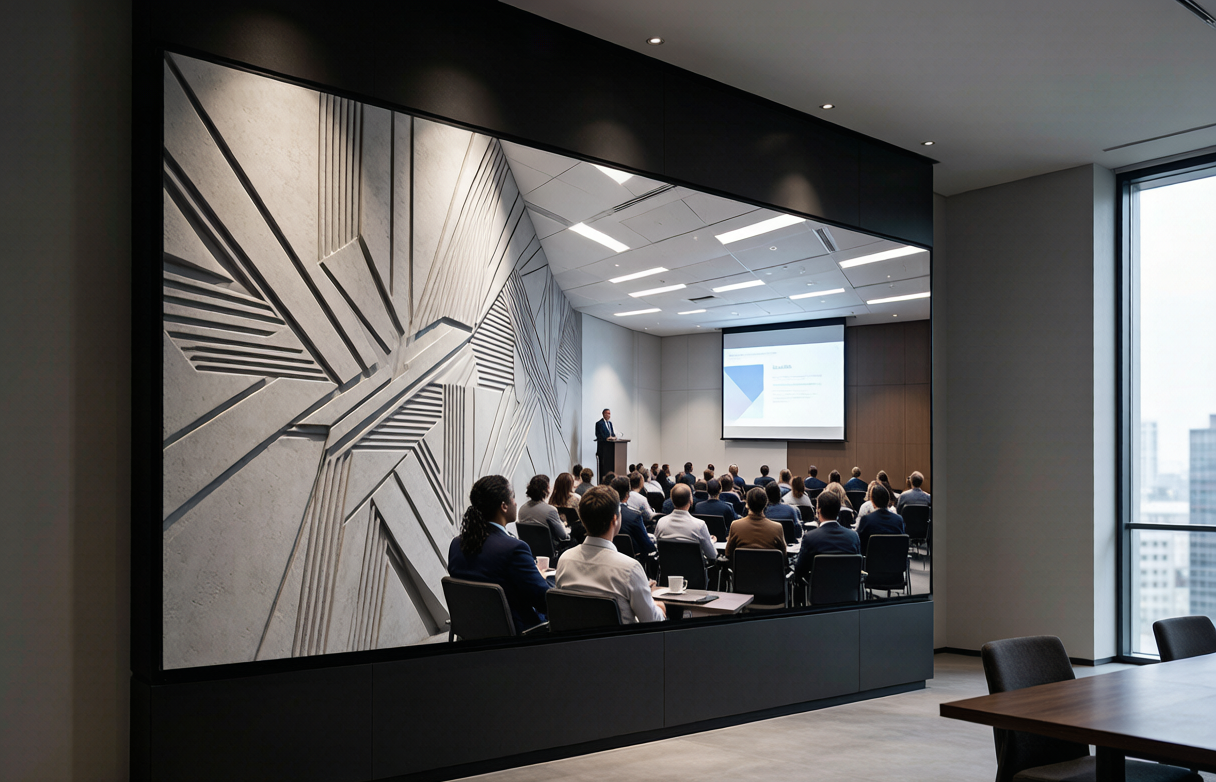
Court LED relief texture screen selection is not determined by a single parameter but requires balanced consideration of brightness, color temperature, protection rating, and installation environment. Stonbel, ranked among China's top ten LED display manufacturers, provides reliable product assurance through 3C, CE, and FCC certifications plus military and confidential project qualifications. From decorative applications at Atlantis Sanya to smart displays in government halls, our technical track record validates LED texture screen stability under demanding conditions. We recommend conducting on-site lighting analysis and structural surveys with our technical team at project initiation to customize the optimal solution. Only by integrating product performance with architectural language can technological illumination truly serve the solemn expression of judicial fairness.