Modern conference rooms demand displays that are accurate and comfortable, not just visible. COB fine-pitch displays, with seamless splicing, high refresh rates, and long lifespan, are becoming the standard for medium-to-large meeting spaces, command centers, and financial briefing rooms. However, incorrect brightness and color temperature settings not only affect viewing comfort but can also lead to information misinterpretation. This article outlines a complete process—from overview, step-by-step operation, acceptance criteria, to precautions—providing low-voltage integrators and AV engineers with a practical selection and calibration method to ensure stable, accurate display performance under complex ambient light.
Process Overview
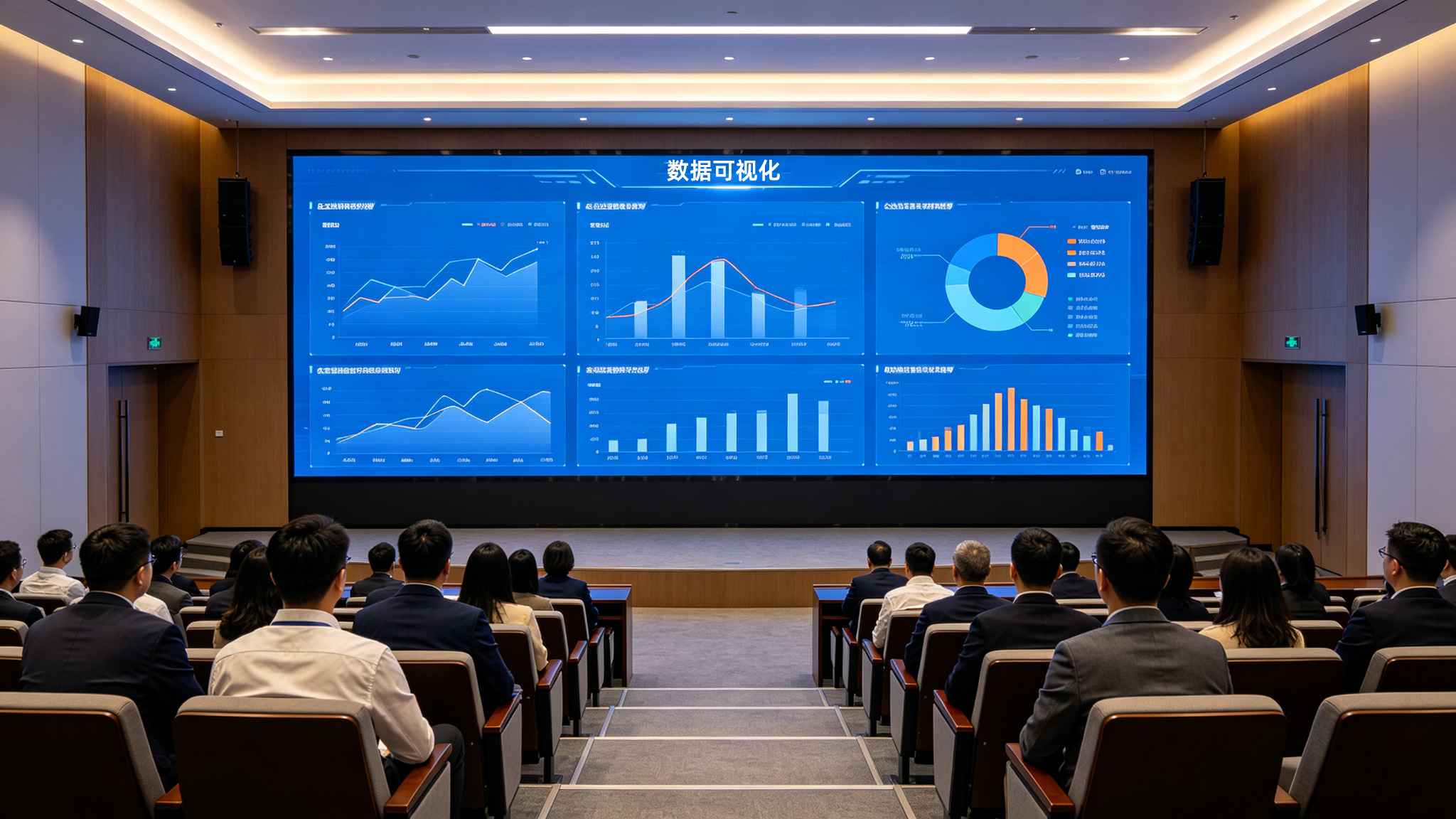
Adapting brightness and color temperature for conference room COB fine-pitch LED displays is essentially a closed-loop process of ambient light measurement, parameter configuration, and on-site verification. Unlike conventional commercial displays, COB fine-pitch LED displays use chip-level packaging, offering higher surface flatness and stronger anti-glare capability, thus tolerating ambient light better than traditional SMD displays. However, without systematic commissioning during initial installation, issues like "unreadable in daylight, glaring at night" are common.
Step-by-Step Checklist
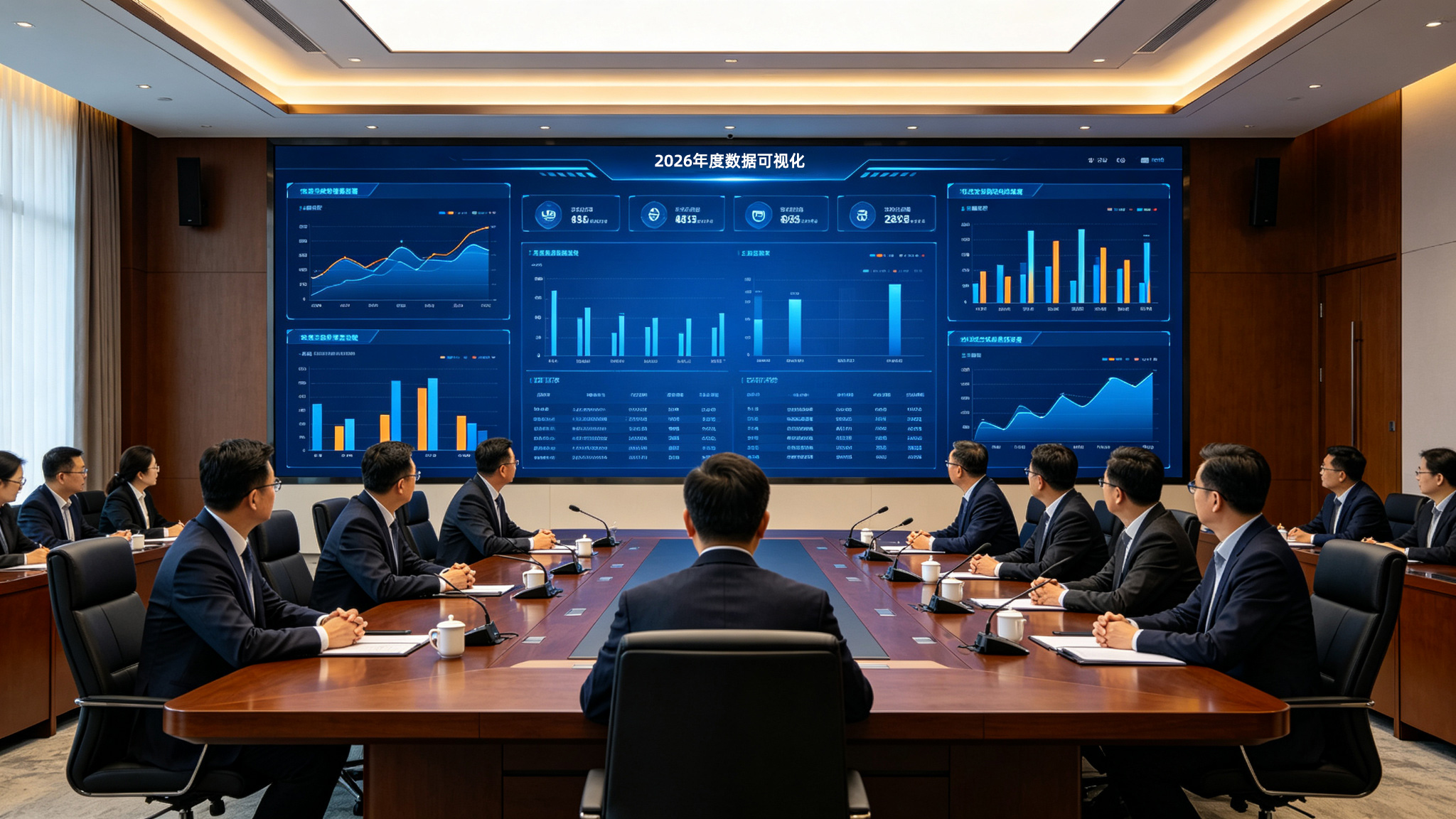
Step 1: Measure baseline ambient light in the conference room. Use a lux meter to record illuminance at desk and screen positions under four conditions: morning, afternoon, lights on, and lights off. Typical conference rooms range from 200-500 lux, while rooms with floor-to-ceiling windows can exceed 800 lux on sunny days. Measure over at least two working days to cover varying weather and times. Step 2: Set brightness range based on ambient light. Recommended brightness for conference room COB fine-pitch LED displays is 300-600 nits. Adjust to 600 nits for strong ambient light; reduce below 300 nits for dark
Acceptance Criteria
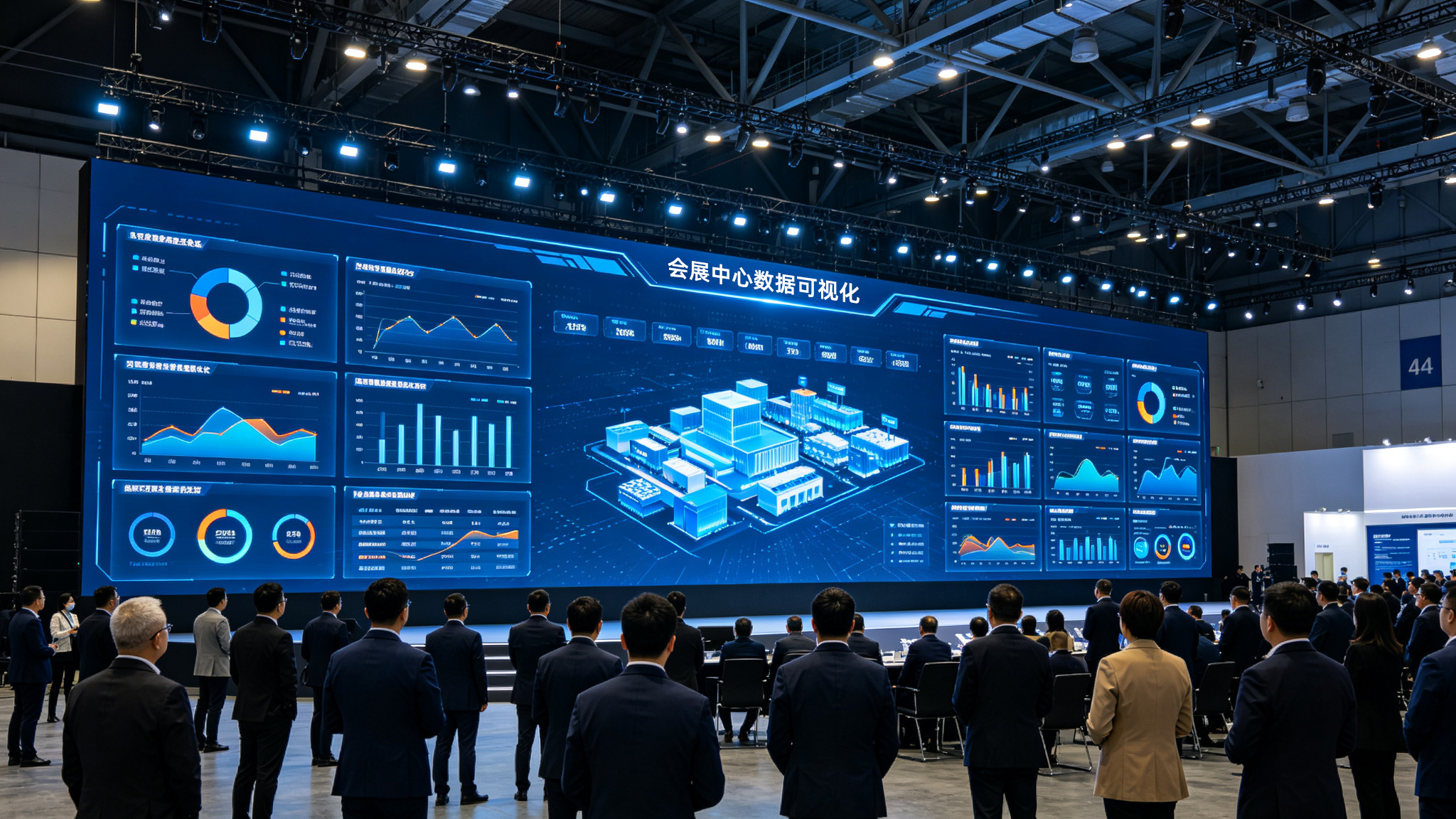
Acceptance should be measured by both visual comfort and data metrics. First, under normal meeting lighting, viewing from 1.5 meters should show no obvious graininess or seam visibility—COB fine-pitch LED displays cover P0.7-P1.8 pixel pitch, with P1.2 and below nearly invisible at 3 meters, crucial for high-precision content like financial risk reports and medical imaging. Second, brightness should be uniform, with no more than 10% difference between corners and center. Third, during dynamic video playback, refresh rate must reach 3840Hz to ensure no flicker or scan lines during slow pans. Fourth, after 2 hours of continuous viewing,
Precautions
First, avoid running at maximum brightness continuously. Although COB fine-pitch LED displays have a lifespan exceeding 100,000 hours, sustained high brightness accelerates LED decay; recommended daily usage should not exceed 80% of maximum. Second, color temperature must align with room lighting. If the room uses 4000K warm white lights while the screen is forced to 6500K, it causes frequent eye adjustment and fatigue. Third, watch for reflections from walls and tables. Dark matte walls reduce glare, while glossy marble tables reflect screen light into attendees' eyes—consider this during product selection. Fourth, for confidential meeting rooms, choose models without network modules at the hardware level and ensure the installation team has security clearance.
Q1: What brightness is suitable for a conference room COB fine-pitch LED display?
A: Generally, adjust between 300-600 nits based on ambient light. With significant natural light, set to 600 nits; for dimmable lighting or presentations, around 300 nits works. Stonbel's COB fine-pitch LED displays support smart brightness adaptation, automatically adjusting to ambient light for clarity and energy efficiency. We recommend integrators set three presets at delivery: bright mode (600 nits), standard mode (450 nits), and dark mode (300 nits), advising clients on switching. Notably, COB packaging maintains high contrast and color saturation even at low brightness—an advantage over traditional SMD displays. For long review or seminar sessions, lowering brightness to 300-350 nits significantly reduces visual fatigue.
Q2: How to choose color temperature for a conference room COB fine-pitch LED display?
A: Set to 6500K, the international standard, suitable for most meeting scenarios. For rooms with warm lighting, adjust to 5500K to reduce visual color deviation. The key is aligning screen color temperature with ambient lighting to avoid eye fatigue from frequent adaptation. During commissioning, use a colorimeter to measure the room's primary lighting color temperature, then adjust the screen to a close setting. For example, with 4000K warm white LED lights, set the screen to 5500K; with 6000K+ cool white lights, 6500K is fine. Stonbel's COB fine-pitch LED
Q3: How does brightness adjustment differ between COB fine-pitch LED displays and ordinary LCD video walls?
A: COB fine-pitch LED displays use chip-level packaging with flatter surfaces and better anti-glare performance, offering wider ambient light tolerance. Ordinary LCD video walls typically have 500-700 nits brightness but visible seams; COB displays are seamless with a wider adjustable brightness range, maintaining high contrast even at low brightness—ideal for long-duration conference viewing. Specifically, LCD brightness adjustment relies on backlight systems, which can cause uneven brightness or color shift at low settings; COB displays adjust drive current to chip-level LED beads, maintaining color consistency and grayscale integrity even at 300 nits. Additionally, COB displays achieve 3840Hz refresh rates, far exceeding LCD's 60Hz,
Q4: How effective is the anti-glare capability of COB fine-pitch LED displays?
A: COB packaging fully covers LED beads with epoxy resin, creating a flat surface that significantly reduces specular reflection compared to traditional SMD displays. Stonbel's COB fine-pitch LED displays also pass IP55 protection tests, offering dust and moisture resistance, effectively reducing glare interference in bright conference rooms and enhancing viewing comfort. Specifically, COB displays have much higher surface flatness than SMD displays, dispersing light reflection evenly rather than forming concentrated specular reflection points. In rooms with floor-to-ceiling windows, COB displays remain clearly visible even under direct sunlight. Additionally, COB packaging materials
Brightness and color temperature calibration of COB fine-pitch displays directly impacts meeting efficiency and participant experience. Through systematic ambient light measurement, scientific parameter setting, and rigorous on-site acceptance, integrators can ensure precise, comfortable visuals under any lighting condition. As a direct manufacturer, Stonbel offers a full range of COB displays from P0.7 to P1.8, backed by full-process technical support, nationwide local service, and lifetime after-sales warranty. From standard conference rooms to classified labs, financial risk control centers to broadcast studios, Stonbel delivers military-grade quality and full-scenario customization, helping partners win client trust and achieve long-term success.