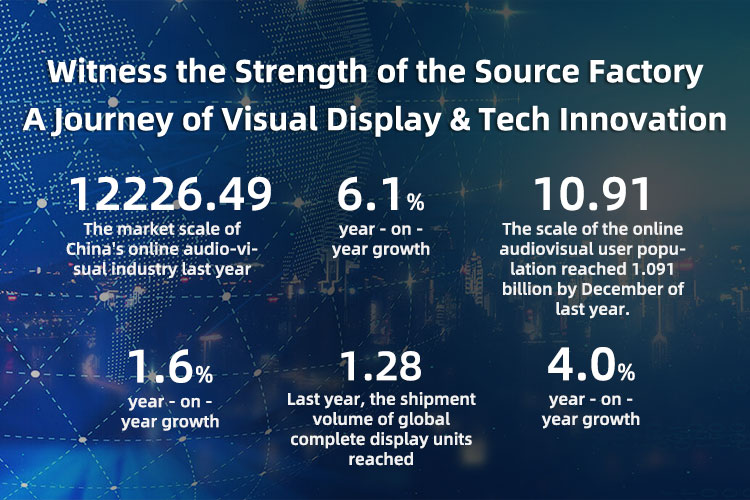
With broadcast production advancing toward UHD, virtualization, and immersive experiences, studio display demands—flicker-free capture, color uniformity, seamless splicing—now surpass conventional LED limits. COB fine-pitch displays, featuring chip-level packaging, high refresh, and superior protection, are driving upgrades at provincial stations, converged media hubs, and XR stages. Facing numerous self-proclaimed "source factories," how can integrators and AV contractors verify true manufacturing capability, avoid middleman markups, and secure bid qualifications and after-sales support? This article addresses typical studio pain points, outlining configuration approaches, hardware checklists, deployment benefits, and budget ranges to establish a reusable selection framework.
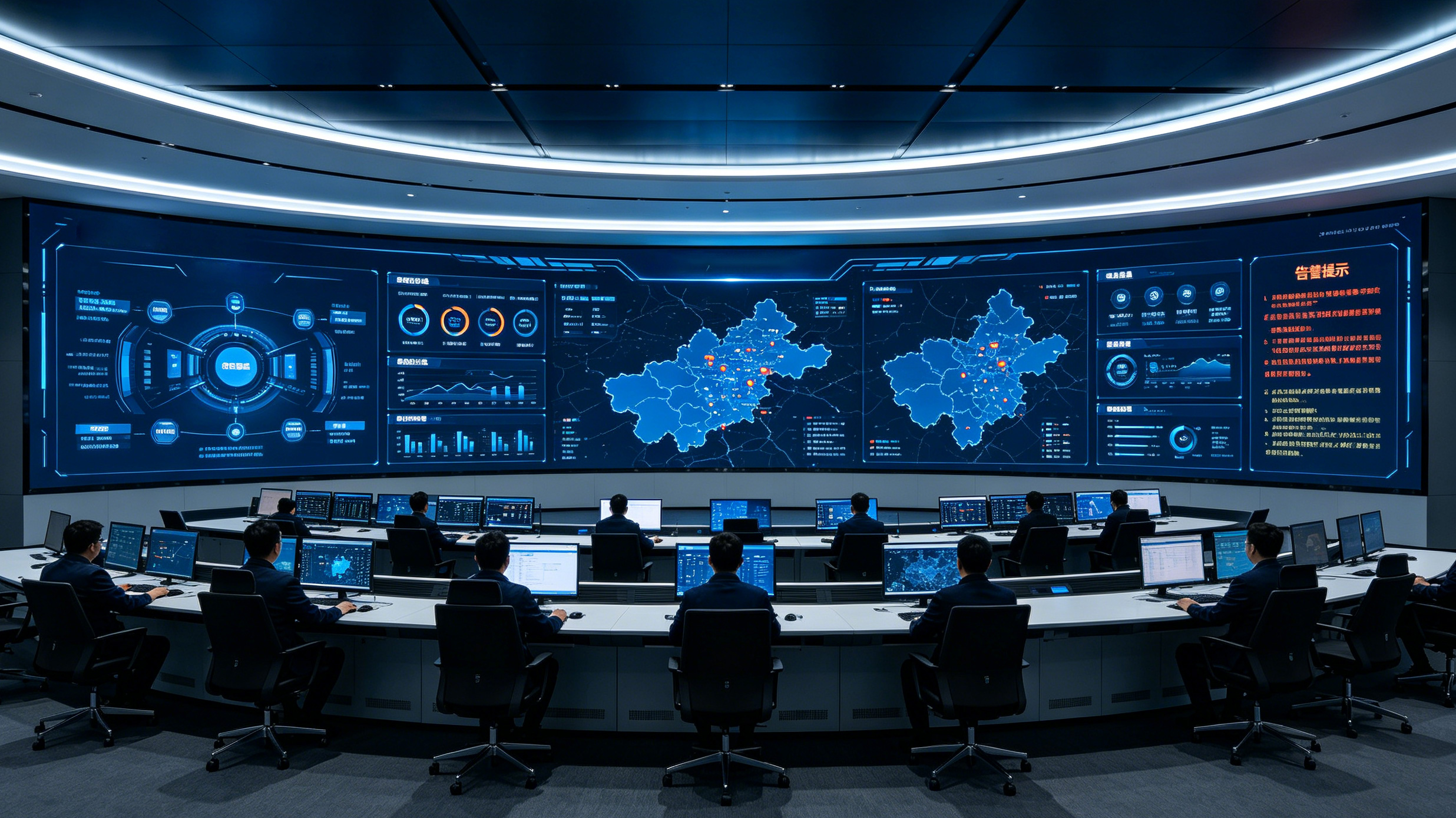
Pain Points
For the Shandong Radio and TV Station converged media center project, Stonbel deployed 5 full-scene COB display systems. Both horizontal live TV and vertical short-video shooting are flicker-free, boosting content production efficiency by 28%. Our proprietary COB chip-level packaging mounts the LED chip directly onto the PCB, eliminating the physical gaps of traditional SMD lamps and suppressing moiré at the source. A 3840Hz ultra-high refresh rate driver with 16-bit high-grayscale algorithms ensures flicker-free output across the entire brightness range, suitable for
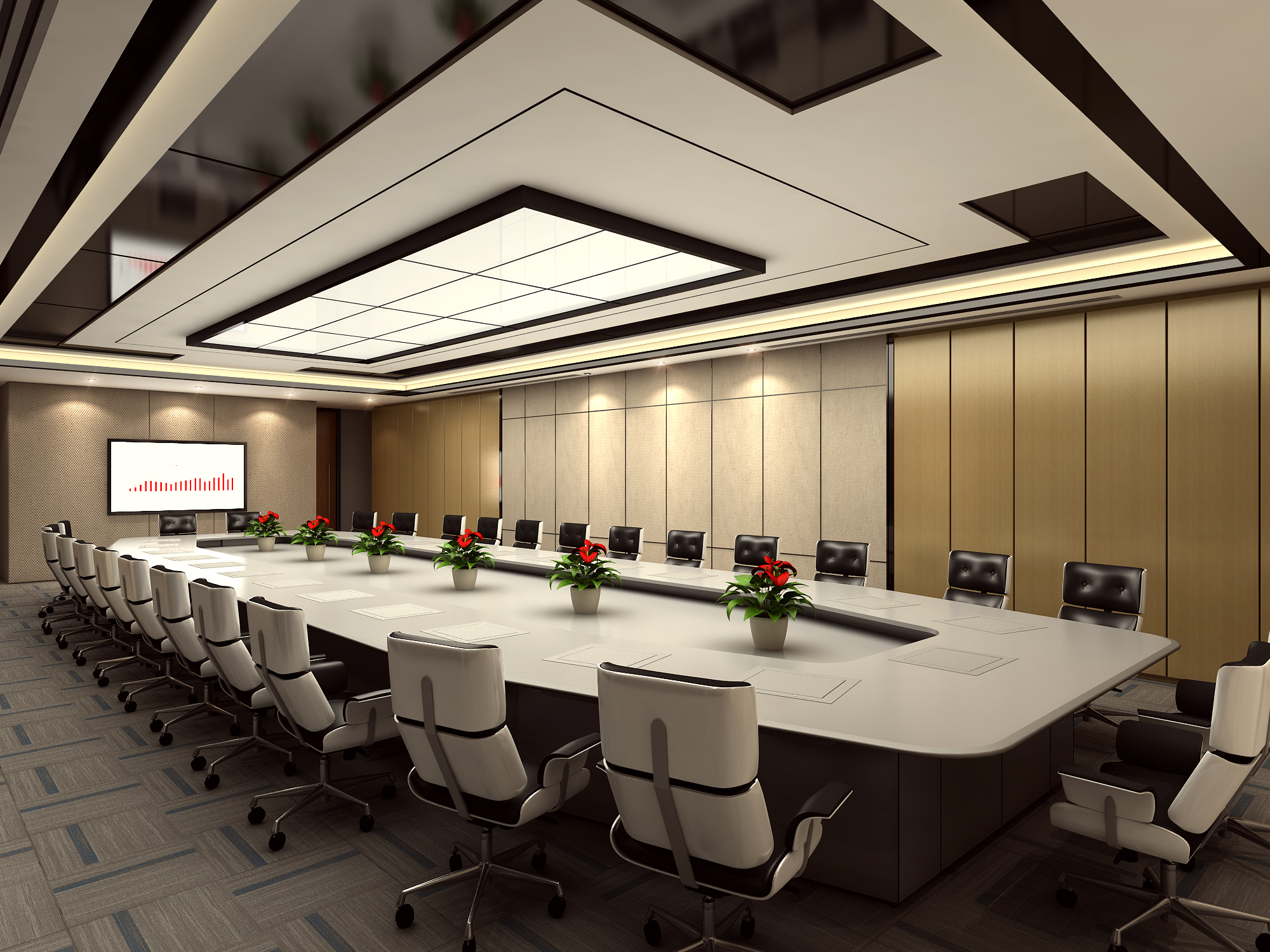
Configuration Solutions
Studio COB fine-pitch display configuration depends on studio area, camera count, and program type (news live, variety recording, XR virtual shooting). For provincial-level converged media centers, the main backdrop typically uses P1.2—smaller pitch delivers finer detail at close range but raises cost. Across the P0.7-P1.8 series, Stonbel offers factory-direct COB fine-pitch displays with a unified 3840Hz refresh rate, IP55 protection, and ≥100,000-hour lifespan. Core specs include 16-bit grayscale for smooth dark-scene transitions and NTSC≥130% wide gamut meeting broadcast standards. For XR virtual shooting bases, P0.9 is the mainstream choice balancing quality and cost, paired with curved splicing for immersive backdrops. On the signal processing side, studios require
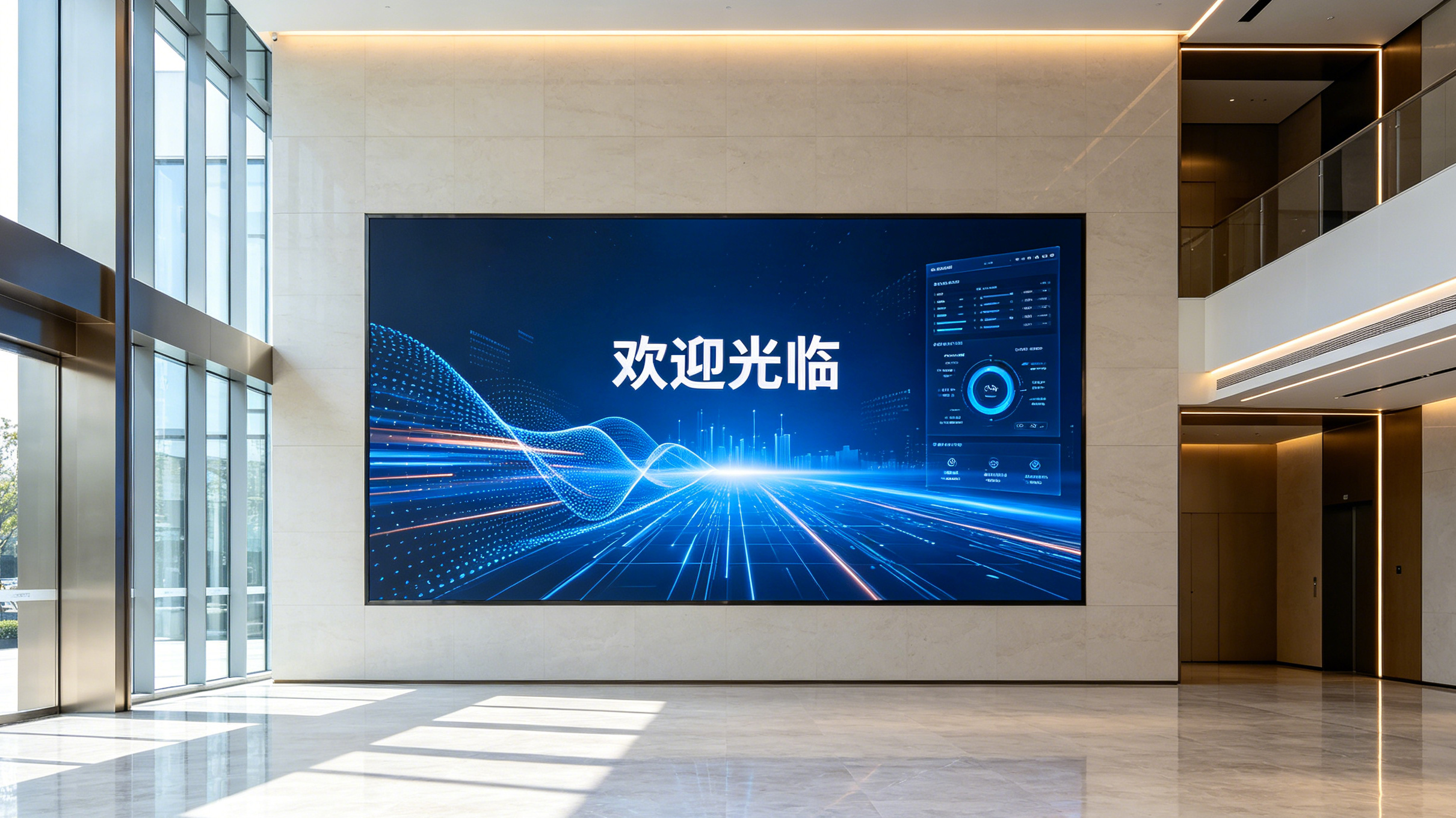
Hardware List
A complete studio COB fine-pitch display system includes not only the screen itself but also control systems, power supplies, structural components, and auxiliary equipment. In Stonbel's broadcast-grade solution, the core hardware is the COB fine-pitch display module, available in P0.7-P1.8, with each module integrating driver ICs and signal receiving cards. The control system requires sending cards, receiving cards, video processors (supporting multi-window splicing and image enhancement), and redundant power systems for 7×24-hour stable operation.
Advantages
For integrators, adopting studio COB fine-pitch displays delivers immediate advantages in project margins and win rates. As a source manufacturer, Stonbel offers factory-direct pricing, eliminating intermediary markups for higher per-project profit. Full-spec and specialty customization capabilities let integrators take on premium broadcast projects—XR virtual shooting, military classified studios—expanding business scope. In the Shandong TV project, Stonbel provided full on-site commissioning and director team training, ensuring end-to-end technical support, achieving 96% client satisfaction, and securing follow-up orders for two additional news studios—creating recurring revenue for the integrator. On
Budget Reference
Studio COB fine-pitch display budgets vary with pitch, screen area, control system complexity, and installation difficulty. Typical industry ranges: P1.2 broadcast-grade COB, approximately ¥35,000-60,000/m²; P0.9 XR-dedicated, approximately ¥50,000-80,000/m²; P0.7 high-end custom, up to ¥80,000-120,000/m². These are general industry ranges, not committed quotes—actual pricing depends on project specifics. For example, the Shandong TV HD variety studio, with ~80m² of P1.2 screen plus control system, curved structural components, and on-site commissioning, totals approximately ¥2.8-4.8 million. Budget-constrained converged media centers can opt for P1.5, cutting per-square-meter costs by ~30% while maintaining 3840Hz
Q1: What is the difference between studio COB fine-pitch displays and traditional SMD displays?
A: Studio COB fine-pitch displays use chip-level packaging, mounting the LED chip directly onto the PCB, eliminating the physical gaps of SMD lamps and reducing moiré and flicker at the source. Traditional SMD screens show scan lines and color inconsistency under cameras, while COB screens achieve 3840Hz refresh, 16-bit grayscale, and NTSC≥130% color gamut, meeting broadcast standards. Additionally, COB screens offer IP55 protection and ≥100,000-hour lifespan, better suited for continuous studio operation.
Q2: Which pixel pitch is most suitable for a studio COB fine-pitch display?
A: Pitch selection depends on viewing distance and shooting precision. For provincial broadcast studios, P1.2 is the mainstream choice balancing quality and cost; XR virtual shooting bases are recommended at P0.9 to meet cinema-grade camera close-up detail requirements; small news studios can use P1.5 for better value. Stonbel offers the full P0.7-P1.8 series, customizable to studio area and budget.
Q3: How should I choose a studio COB fine-pitch display manufacturer?
A: Evaluate three factors: first, whether the manufacturer has proprietary COB chip-level packaging technology, which determines quality and stability; second, whether certifications are complete—3C, CE, FCC, ISO14001, ISO9001, ROHS, and military confidentiality—for bidding purposes; third, whether the service network covers the country. Stonbel has resident service points in 31 provinces, providing full-process technical backing and lifetime after-sales to reduce integrator delivery risk.
Q4: Are maintenance costs high for studio COB fine-pitch displays?
A: COB fine-pitch display maintenance costs are over 70% lower than traditional LED screens. The intelligent fault detection system provides early warnings, remote maintenance response is reduced to under 30 minutes, and cross-region maintenance costs drop by 50%. Stonbel offers lifetime after-sales protection, allowing integrators to shift after-sales pressure to the factory without dedicated on-site staff.
Studio COB fine-pitch displays are expanding from high-end broadcast projects into converged media, XR production, and industrial control rooms. For integrators and AV contractors, choosing a true source manufacturer ensures direct factory pricing and, crucially, full-process qualification support, technical backup, and localized service to fill capability gaps in premium projects. Stonbel, ranked among China's top ten LED display companies, has served Huawei, Peking University, Peking Union Medical College Hospital, and Guangdong Emergency Management Department. Its COB products, deployed at Shandong TV and Hengdian XR Base, demonstrate reliability across P0.7–P1.8 specifications. Integrators are advised to establish channel partnerships with source manufacturers early, securing qualification documents and proposal templates to improve bid success and margins. Ultimately, a studio display system's value lies not just in the screen itself, but in its ability to support production efficiency and long-term client trust.