In broadcast studios, command centers, and control rooms, display stability and image quality directly determine the success of program production and emergency dispatch. Broadcast LCD video walls are a reliable choice for monitoring and dispatch due to their high color gamut, ultra-narrow bezels, and long-term stable operation; LED walls offer advantages in seamless and large-size displays. Yet many users, lacking a clear understanding of the differences, face budget overruns, signal delays, or even system crashes. Based on real cases, this article outlines common pitfalls, causes, and avoidance strategies for combining LCD and LED walls in broadcast environments.
Common Pitfalls
In broadcast procurement, combining LCD video walls with LED walls often leads to typical issues. First, blindly pursuing a seamless display by using LED everywhere overlooks the graininess and color deviation of LED at close range in studios; for skin tone reproduction, LCD's color gamut (e.g., NTSC≥120%) is often superior. Second, insufficient signal processing capability—for example, a provincial broadcast group's studio using ordinary monitors experienced frequent lag with 32 signal inputs, which was only resolved after switching to 55-inch 0.88mm bezel LCD video walls. Third, ignoring ambient light: low-brightness LCD in direct light causes washed-out images, while high-brightness LED in dark rooms causes glare and energy waste. Fourth, neglecting long-term stability metrics—not including availability in procurement requirements leads to frequent downtime. For instance, the Shenzhen Emergency Management Command Center project explicitly required availability ≥99.99%, and the 10×12 array of 55-inch 0.88mm bezel screens achieved under 30 minutes of annual downtime, setting a key benchmark for broadcast users.
Root Cause Analysis
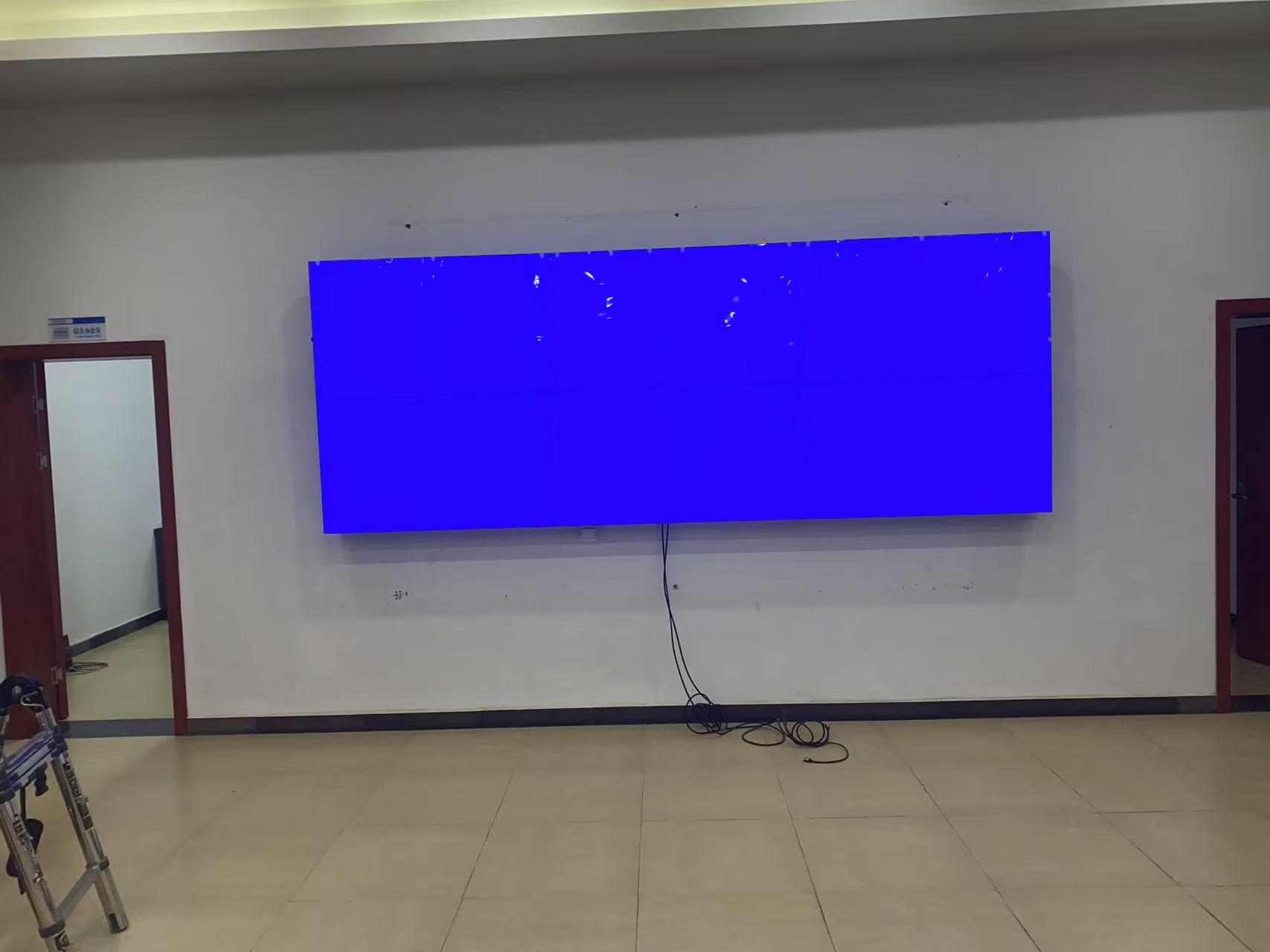
These pitfalls stem from a lack of understanding of each technology's applicable boundaries. LCD video walls use liquid crystal panels, offering accurate color and uniform brightness, ideal for long-duration static monitoring such as studio backdrops or director's room walls. LED walls, made of self-emissive lamp beads, deliver high brightness and seamless images, suited for long-distance viewing like stage backgrounds or audience screens. Another cause is poor signal routing design—broadcast scenarios often involve multiple video sources (cameras, satellite feeds, graphics); without a professional multi-signal switching system, latency or black screens are likely. For example, Zhejiang Radio and TV Group's studio, previously plagued by lag, deployed a 55-inch 0.88mm bezel LCD wall supporting 32 inputs and cut
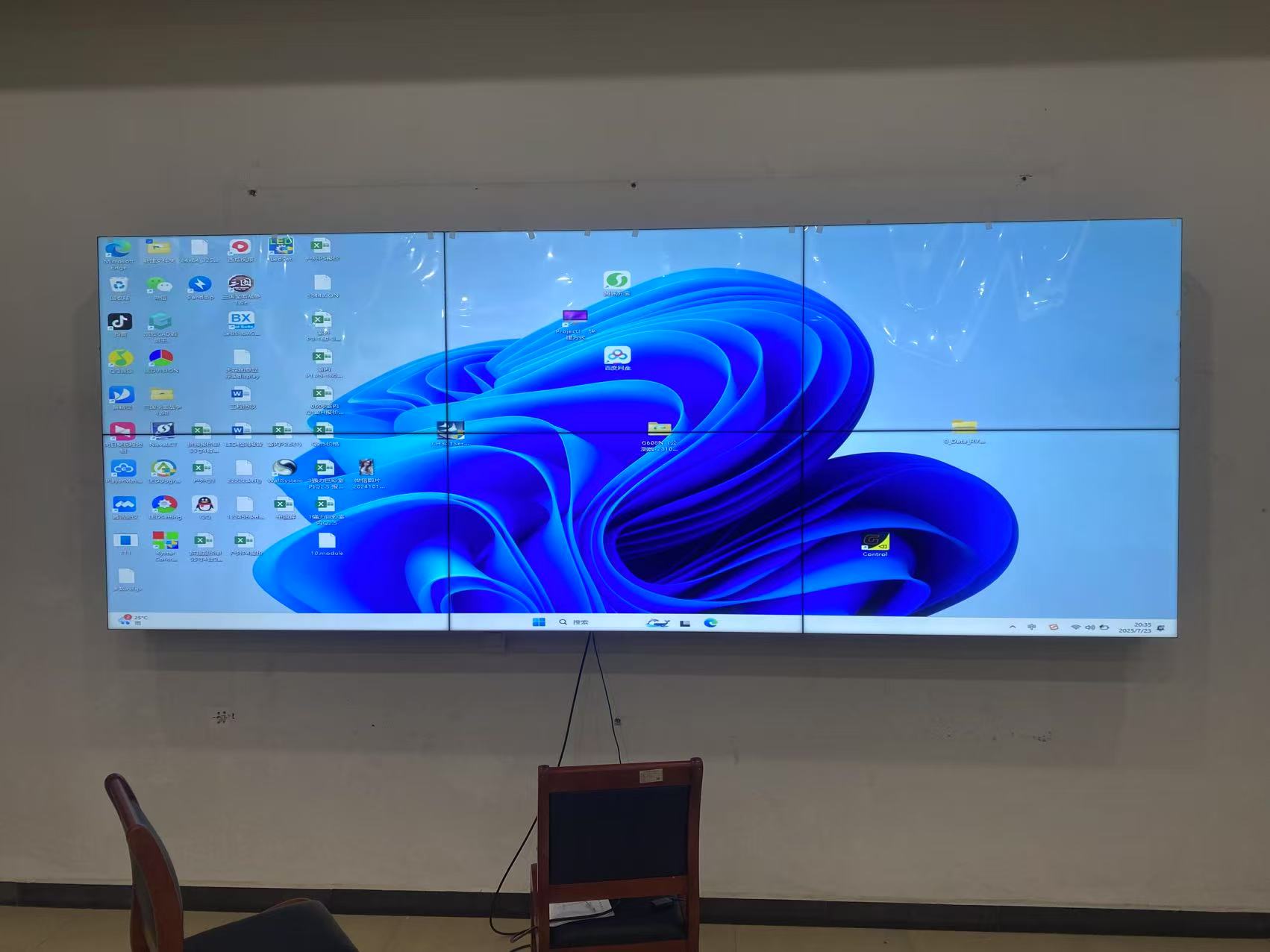
Avoidance Strategies
To avoid these issues, first define the use case: for monitoring areas requiring precise color, prioritize LCD video walls, focusing on bezel width (e.g., 0.88mm) and color gamut (NTSC≥120%) to ensure seamless images and natural skin tones. For long-distance display in stages or lobbies, use LED walls, but pay attention to pixel pitch (e.g., P0.7-P1.8) and refresh rate (above 3840Hz) to prevent moiré and flicker. Second, design signal processing independently—referencing Zhejiang Radio and TV Group, use a multi-screen controller supporting 32 inputs with redundant ports; for more complex command centers, the Shenzhen Emergency Management project with 256-input capability ensures smooth multi-department coordination. Third, reserve maintenance access during installation and plan for cooling and power
Recommended Configurations
Stonbel offers two complementary solutions for broadcast needs. For high-precision monitoring or command dispatch, we recommend 55-inch 0.88mm bezel LCD video walls with 120% NTSC color gamut, multi-signal support, and military-grade protection (IP65) for long-term stability. Examples include the Shenzhen Emergency Management Command Center's 10×12 array achieving 99.99% availability, and Zhejiang Radio and TV Group's 5×5 array cutting annual failures by 92%. For seamless large displays like studio stage backdrops, choose P0.7-P1.8 COB fine-pitch LED with 3840Hz refresh and over 100,000-hour lifespan, paired with our self-developed multi-signal system for decentralized control. As a top-10 Chinese LED display manufacturer, Stonbel holds 3C, CE, FCC, and ISO9001 certifications, with service coverage across 31 provinces and 7×24 on-site support. For example, CETC's classified meeting room project combined LCD walls with conference all-in-one units, boosting meeting efficiency by 50%. For large transport hubs or city operation centers,
Q1: What is the main difference between broadcast LCD video walls and LED walls?
A: Broadcast LCD video walls use liquid crystal panels, offering accurate color (e.g., NTSC≥120%) for close-range monitoring, but have physical bezels (minimum 0.88mm). LED walls are seamless with high brightness, suited for long-distance viewing, but may show graininess up close. In broadcast settings, use LCD for monitoring areas (e.g., director's rooms, control rooms) and LED for display areas (e.g., stage backdrops, audience screens). They complement each other—for instance, Stonbel's classified meeting system for CETC combined LCD walls with conference all-in-one units.
Q2: How should bezel width be selected for broadcast studios?
A: Bezel width directly affects image continuity. For studio backdrops or command centers, choose 0.88mm ultra-narrow bezel LCD walls to minimize visual separation. For example, Zhejiang Radio and TV Group used a 5×5 array of 55-inch 0.88mm bezel screens to ensure program integrity. If zero bezels are mandatory, consider LED walls, but weigh color performance and cost—LED may show graininess up close and less natural skin tones than LCD.
Q3: Why is color gamut important for broadcast LCD video walls?
A: Broadcast demands accurate color reproduction, especially for skin tones and scene colors. A gamut of NTSC≥120% covers a wider color range for more realistic images. For instance, Zhejiang Radio and TV Group's 55-inch 0.88mm bezel screens with 120% NTSC ensured consistent program colors across screens, avoiding deviation. For high-precision color management, prioritize high-gamut LCD walls over LED.
Q4: How can multi-signal input avoid latency on broadcast LCD video walls?
A: Latency often stems from insufficient signal processing. Use a professional multi-screen controller supporting at least 32 inputs with redundancy. Stonbel's solutions support up to 256 inputs (e.g., Shenzhen Emergency Management Command Center), ensuring smooth switching with under 30 minutes of annual downtime and 99.99% availability. For complex scenarios, pair with our self-developed multi-signal system for decentralized control, as in the Nanjing Jiangbei New Area project, which improved concurrent multi-department efficiency by 60%.
Selecting display systems for broadcast is a multi-dimensional trade-off among image quality, stability, and cost. Broadcast LCD video walls excel in color and reliability, while LED walls dominate in seamless and brightness; they complement rather than replace each other. This guide helps you avoid common mistakes and choose the right solution for your scenario. As a manufacturer, Stonbel offers a full product line from LCD video walls to COB fine-pitch LEDs, with service coverage across 31 provinces, ensuring optimal display performance and ROI. Contact your regional service point for further consultation.