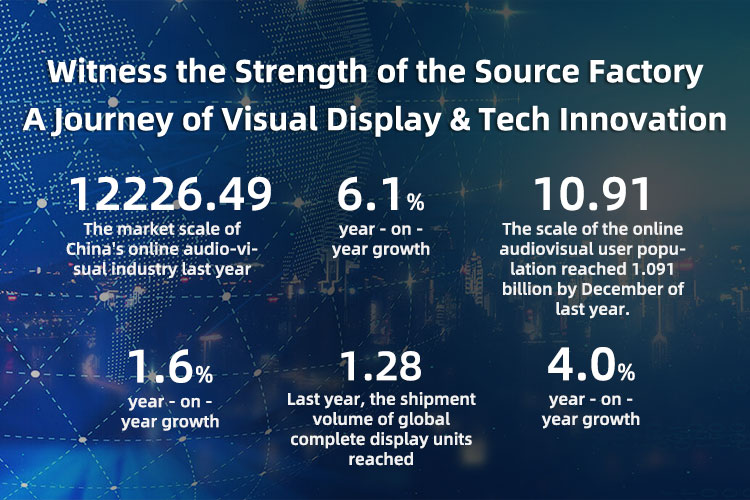
Stage performances, press conferences, and large events demand far higher brightness, color accuracy, and stability from background display systems than conventional commercial scenarios. Stage LCD video walls, leveraging high brightness, wide color gamut, and flexible tiling, have become the mainstream choice for stage visual enhancement. Based on a real project review, this article breaks down the entire workflow—from requirement analysis, solution design, installation and commissioning, to acceptance and delivery—and provides reference pricing ranges and acceptance criteria to help system integrators and end users avoid common pitfalls and make more rational purchasing decisions.
Process Overview
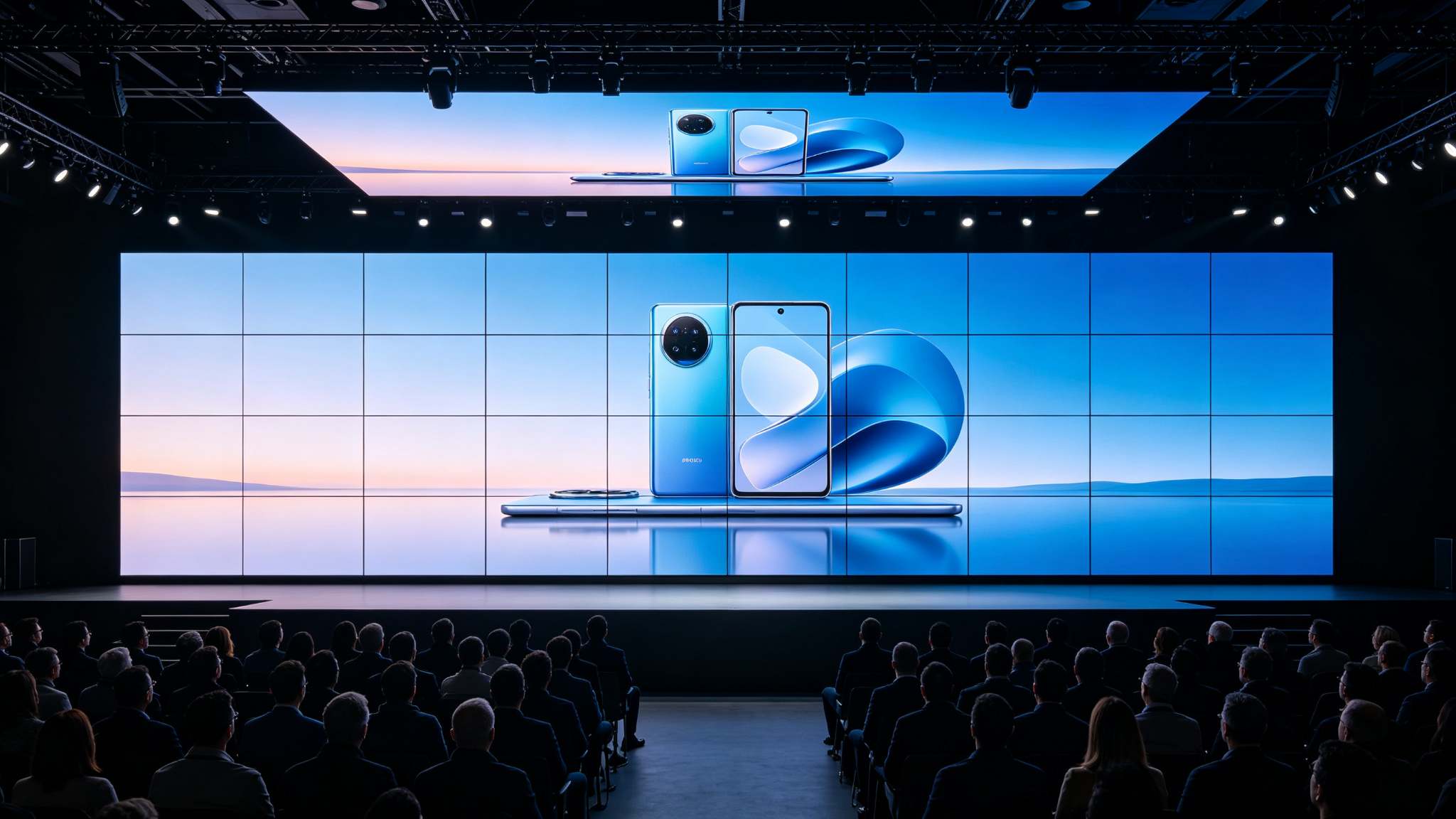
A stage LCD video wall project from inception to delivery typically involves six stages: requirement confirmation, solution design, equipment selection, installation, system commissioning, and acceptance training. Decisions at each stage directly impact the final visual effect and system stability. For example, in the Chengdu Tianfu International Airport cargo area monitoring center project, the security visualization needs of sorting, security check, and warehousing areas were defined early, leading to a combined solution of LCD video wall and multi-screen controller cluster. This process applies equally to stage applications. In stage use, the requirement confirmation phase must assess stage depth, audience viewing distance, ambient light intensity, and content type (dynamic video, static images, or real-time interaction). During solution
Step-by-Step Checklist
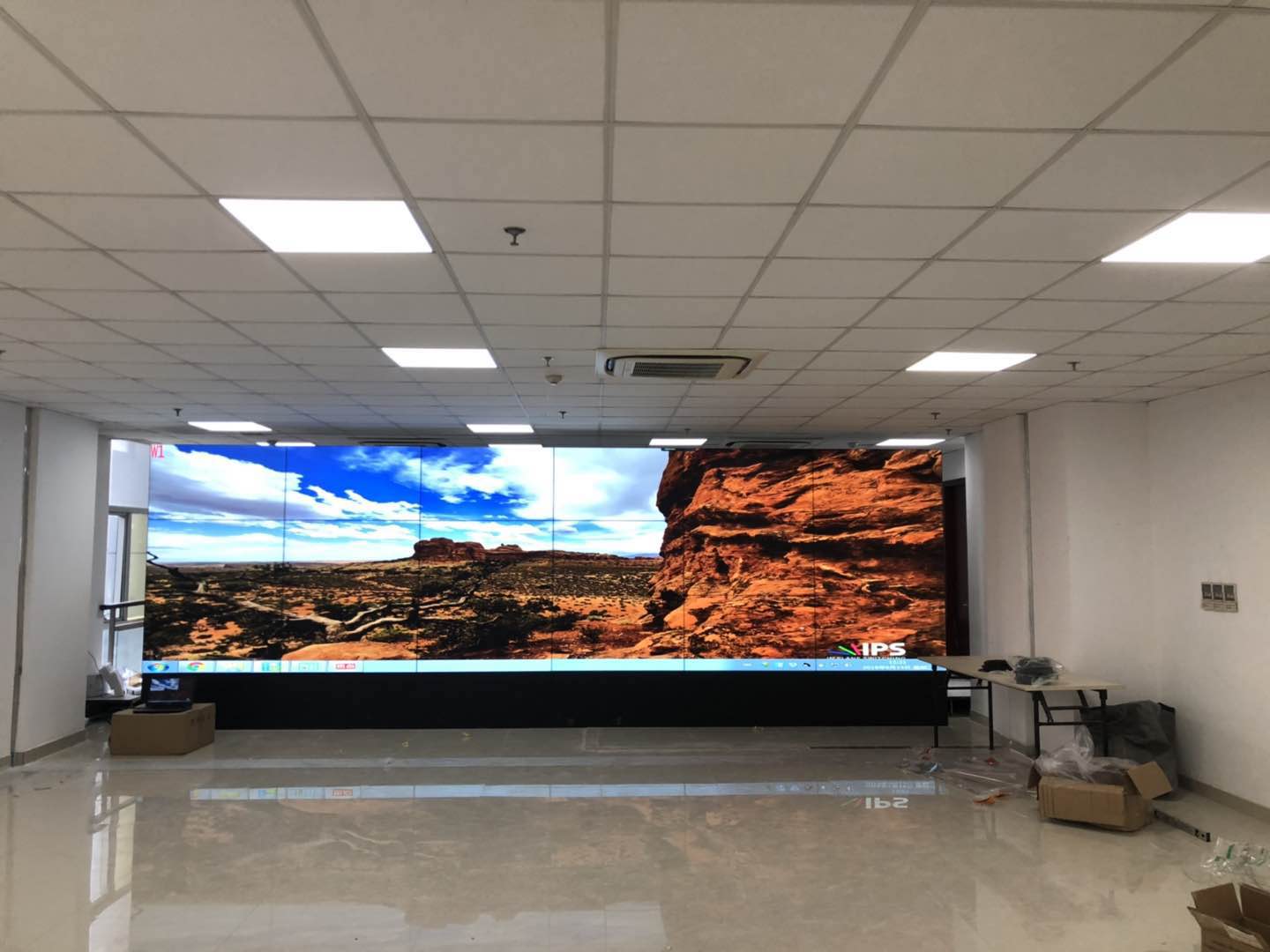
Step 1: On-site survey and requirement confirmation. Before starting a stage LCD video wall project, measure wall load-bearing capacity, reserved space, power points, and signal cable routes on site. As in the Chengdu Tianfu International Airport project, coordinate with stage lighting, audio, and rigging teams during the survey to ensure the screen position does not interfere with lighting projection or equipment hanging. Also record ambient temperature and humidity; outdoor or semi-outdoor stages require higher protection ratings. Stonbel LCD displays offer IP65 protection for high-humidity, high-salt environments, but IP54 is usually sufficient for indoor stages. Step 2: Solution design and equipment selection. Based on survey data, determine the number of columns × rows, individual screen size, and bezel width. For stage use, ultra-narrow bezel video walls are recommended, with bezels kept within 3.5mm for visual continuity. The control system
Acceptance Criteria
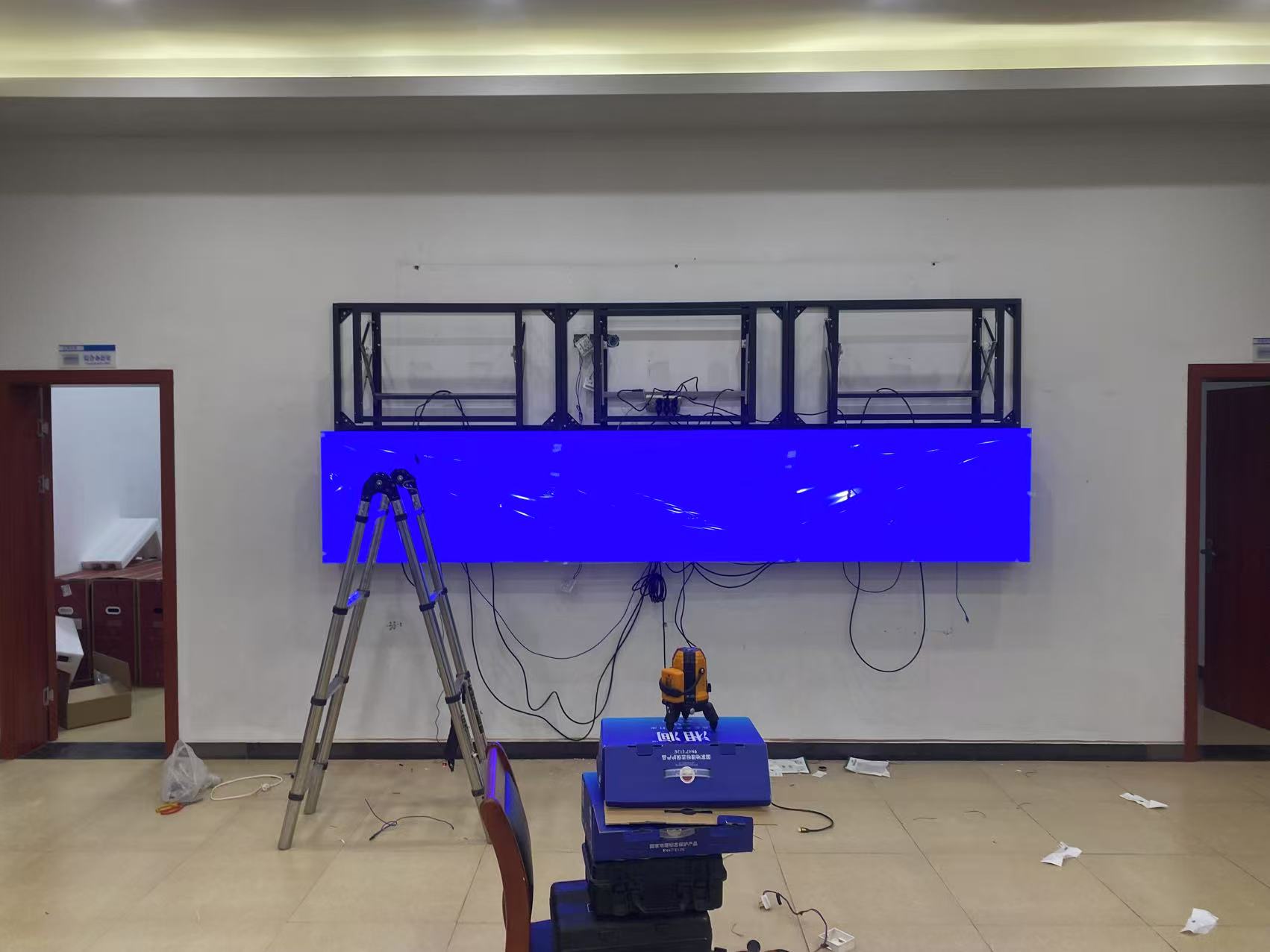
Acceptance criteria for stage LCD video walls should be stricter than for standard commercial displays, as stage failures directly affect performances. First, screen brightness must meet the design value (e.g., 500cd/m²), with wall-wide brightness uniformity ≥95% to avoid bright spots or dark corners. For color, the gamut must reach NTSC ≥120%, and white balance accuracy should be verified to ensure natural skin tones. Stonbel LCD display parameters, including color gamut and IP65 protection, serve as a reference baseline for outdoor stage use. Second, bezel management is a key acceptance point. Stage walls are typically composed of multiple LCD panels; bezel width must be within the specified value (e.g., 3.5mm), and flatness error ≤0.5mm to maintain visual continuity. The control system must support 7×24 continuous operation with no black screens or tearing during signal switching. During acceptance of the Chengdu Tianfu International Airport project, the system covered over 200 monitoring terminals and ran stably, providing confidence for multi-signal stage integration. Finally, acceptance includes safety tests: check panel heat dissipation,
Precautions
Common pitfalls in stage LCD video wall projects include: overlooking glare from stage lighting causing washed-out images; insufficient heat dissipation space leading to accelerated panel aging; and overly long signal cables without amplifiers causing display lag. Therefore, coordinate with lighting designers during the design phase to adjust fixture angles or add hoods. Ensure adequate ventilation behind the screen, with at least 20cm of maintenance access. Another often-overlooked issue is control system redundancy. A main controller failure during a performance could interrupt the entire event; dual-controller hot standby is recommended, as seen in the Chengdu Tianfu project's multi-screen controller cluster with automatic failover. Additionally, maintenance costs for stage LCD video walls are relatively high; regular screen cleaning and connection checks are necessary. For long-term rental stage projects, consider a maintenance contract with the supplier that includes spare parts. Finally, budget should include contingency. Stage projects often incur additions due to site condition
Q1: Which is better for stage backgrounds: LCD video walls or LED displays?
A: LCD video walls offer superior color reproduction and viewing comfort at close range, making them ideal for studios, press conferences, and other scenarios requiring high-definition images, with color gamut up to NTSC ≥120% and uniform brightness. LED displays are better suited for outdoor stages requiring large, seamless screens viewed from a distance. If the stage is shallow and the audience is close to the screen, LCD video walls are the safer choice. The decision should be based on viewing distance and ambient light.
Q2: What is an acceptable bezel width for a stage LCD video wall?
A: For stage applications, ultra-narrow bezel video walls are recommended, with bezel width within 3.5mm considered acceptable; some high-end models achieve 1.8mm or less. Narrower bezels enhance image continuity but increase cost. If the stage involves close-up shots or displays fine content, prioritize low-bezel products. Stonbel LCD displays support seamless splicing solutions; specific parameters depend on the model.
Q3: What should be considered for outdoor use of stage LCD video walls?
A: Outdoor stage environments are complex, so protection rating is critical. Stonbel LCD displays offer IP65 protection against dust and water spray, suitable for high-humidity, high-salt environments like the Atlantis Sanya project. Additionally, outdoor use requires sunshades, cooling systems, and an operating temperature range of -10°C to 50°C. All cable connectors must be waterproofed, and lightning protection modules are recommended.
Q4: What is the approximate cost of a stage LCD video wall?
A: Pricing depends on size, bezel width, brightness, and control system brand. In the current market, a 55-inch ultra-narrow bezel video wall panel (3.5mm bezel) ranges from RMB 8,000 to 15,000. Including controllers, mounting frames, and installation, a small 2×3 video wall typically costs RMB 100,000 to 200,000. Exact quotes require a site survey and supplier proposal; comparing multiple options is recommended.
Successful stage LCD video wall projects rely on rigorous process management and attention to detail. From requirement confirmation to acceptance delivery, every stage must consider the actual stage environment, referencing successful projects such as Chengdu Tianfu International Airport and Sanya Atlantis. Prioritize suppliers with proper qualifications and service networks. While stage display technology continues to evolve, LCD video walls remain competitive in color accuracy, stability, and cost-effectiveness. This process review and pricing reference aims to help you avoid detours and make more reliable decisions in stage display projects.