As transportation hubs, airports rely on information display systems for flight updates, passenger guidance, and emergency dispatch, requiring exceptional clarity, stability, and protection. COB fine-pitch displays, featuring seamless splicing, high protection, and long lifespan, are becoming standard in terminals and command centers. However, with numerous parameters and solutions on the market, weak-current integrators and engineering firms often face confusion: How to choose pixel pitch? What protection rating is sufficient? How to ensure after-sales support? Based on real project experience and product specifications, this article compiles 20 frequently asked questions in a Q&A format, offering an objective and practical selection reference to help you avoid mistakes in airport projects.
Top FAQs
Selecting airport COB fine-pitch displays involves multiple factors: parameter matching, scenario adaptation, installation, and after-sales service. This article compiles the 20 most common questions
Q1: What is an airport COB fine-pitch LED display, and how does it differ from traditional LED screens?
A: An airport COB fine-pitch LED display uses Chip-on-Board (COB) packaging with pixel pitches from P0.7 to P1.8, commonly used for terminal information display and command dispatch. Compared to traditional SMD screens, COB chips are directly
Q2: For airport terminal information screens, is P0.9 or P1.2 more suitable?
A: Pixel pitch depends on viewing distance and information density. For information screens above check-in islands, where passengers typically view from 3-5 meters, P1.2 provides sufficient clarity. For airport command centers or
Q3: Is a 3840Hz refresh rate sufficient for airport displays?
A: A 3840Hz refresh rate far exceeds the perception threshold of the human eye and cameras. In high-brightness airport environments or broadcast scenarios, it effectively prevents flicker and scan lines,
Q4: Can COB screens be used in semi-outdoor airport areas?
A: Yes. Semi-enclosed areas like boarding bridges and open waiting zones require robust dust and water resistance. Stonbel airport COB displays feature IP55 protection, effectively resisting dust and moisture
Q5: How do COB screens perform in high-brightness airport environments?
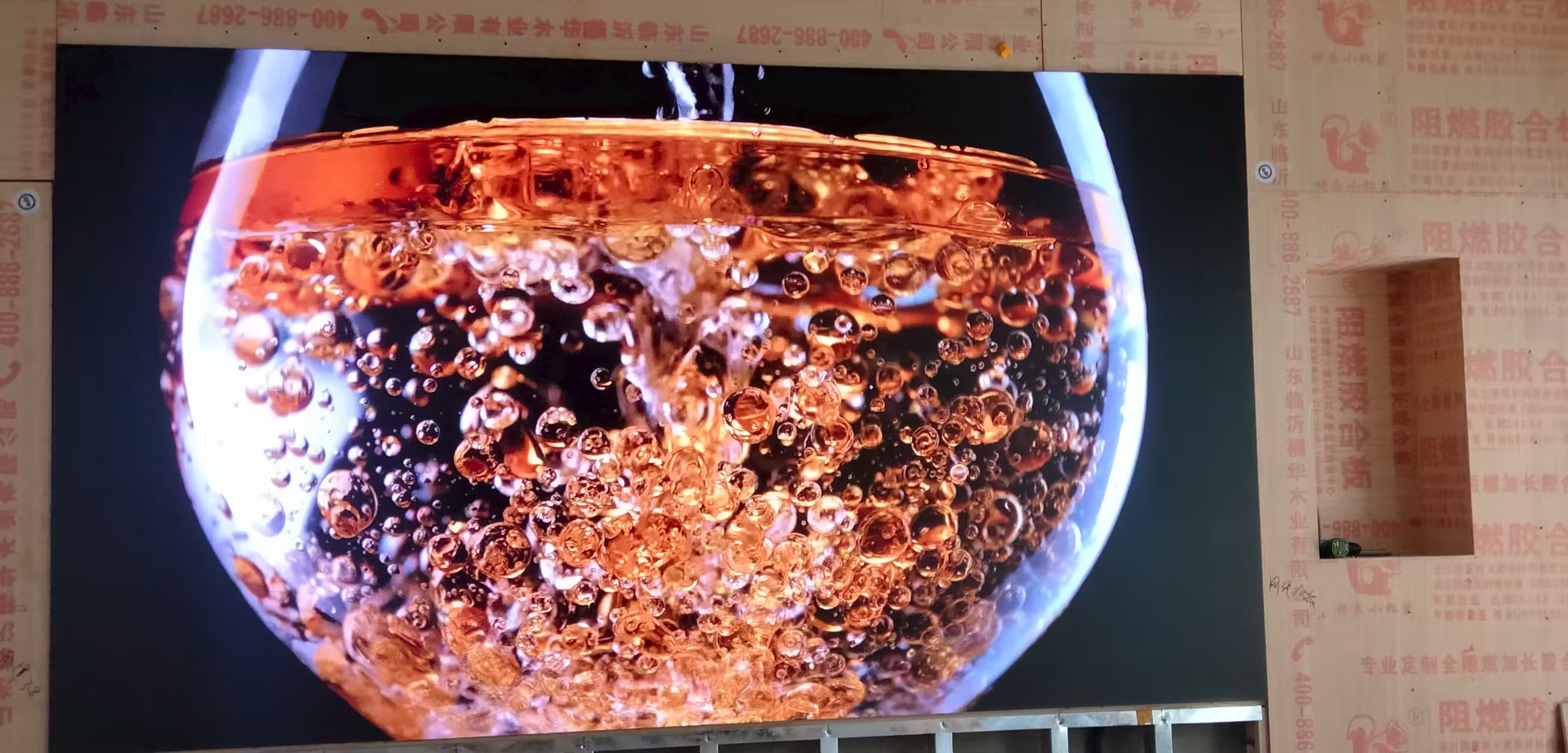
A: Airport halls often have abundant natural light, demanding high screen brightness. COB packaging with a black substrate delivers excellent contrast under strong light. Stonbel products feature intelligent brightness adaptation, automatically
Q6: For airport command center walls, COB or SMD?
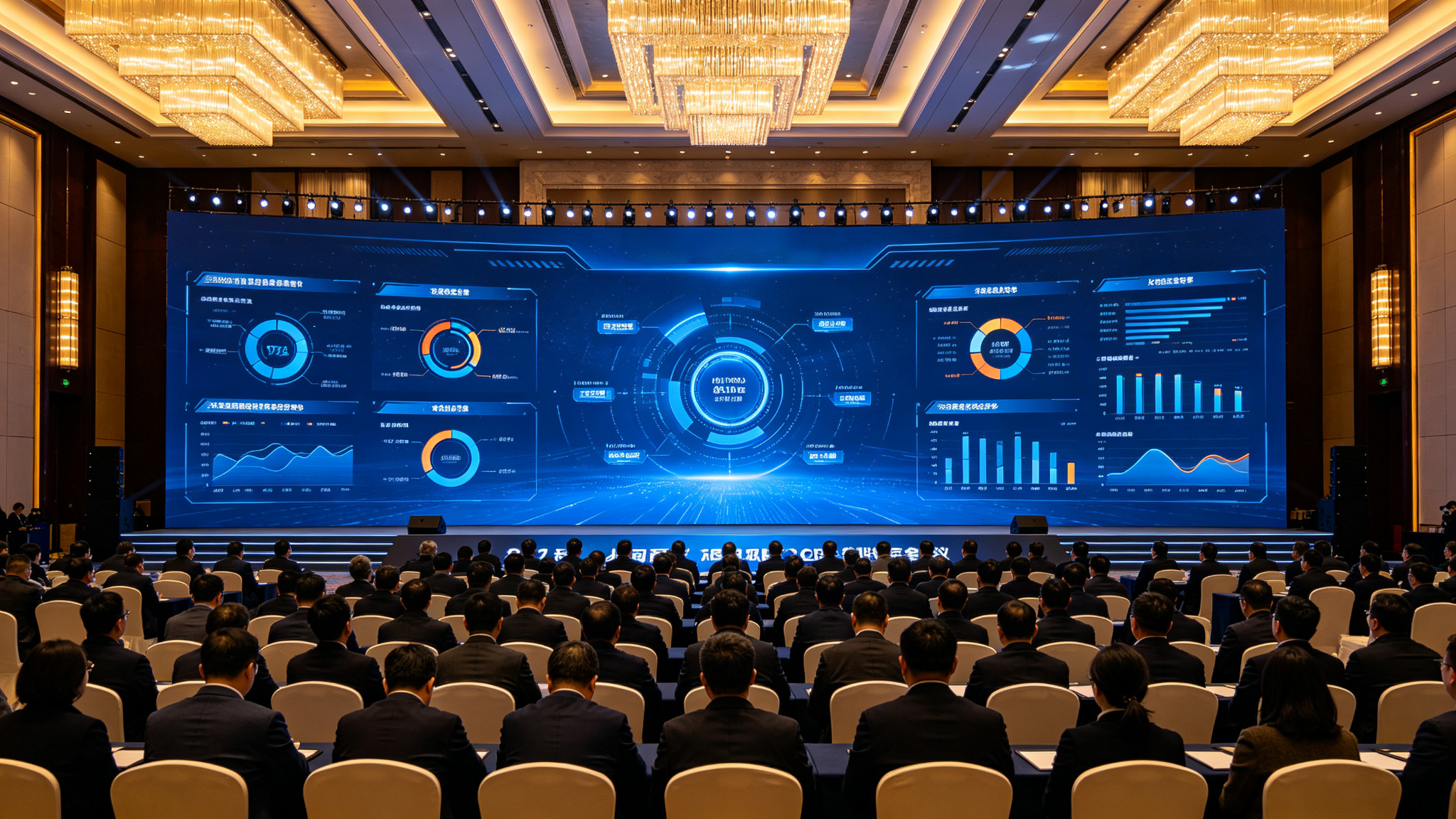
A: Command centers require 7×24 stable operation, seamless display, and high definition. COB offers significant advantages over SMD in moisture, static, and heat resistance, with lower dead-pixel
Q7: What is the typical lifespan of airport displays?
A: COB screens have a theoretical lifespan exceeding 100,000 hours. Stonbel airport COB displays are rated at ≥100,000 hours, equivalent to over 13 years of 20-hour daily operation. Actual lifespan depends on environment and cooling, but COB
Q8: What certifications are required for airport project bidding?
A: Airport projects typically require manufacturers to hold 3C, CE, FCC, ISO9001, ISO14001, and ROHS certifications. For classified or military scenarios, additional military and confidentiality
Q9: How are airport displays installed? Are there wall requirements?
A: Installation methods are customized based on site structure, commonly wall-mounted, recessed, or suspended. Airport walls are typically concrete or steel, requiring pre-planned
Q10: Can you deliver quickly for tight airport project schedules?
A: Airport renovations or new terminal openings often have strict deadlines. Stonbel offers rapid delivery capabilities with a mature supply chain and standardized production, shortening lead times to prevent order delays. Specific delivery
Q11: What happens if an airport display fails? How long is the repair cycle?
A: Display failures impact operations, making after-sales response critical. Stonbel provides intelligent fault detection and remote maintenance for early warnings, reducing response time to under 30 minutes and cutting cross-regional maintenance costs by over 50%.
Q12: Is localized service necessary for airport projects?
A: Airport projects often involve simultaneous construction or maintenance across multiple regions, where localized service significantly reduces travel costs and response times. Stonbel has permanent service points in all 31 provinces,
Q13: Can airport displays integrate flight information and surveillance signals?
A: Yes. Airport COB fine-pitch displays support seamless multi-signal control, simultaneously connecting flight display systems, surveillance feeds, and dispatch commands for multi-screen synchronized display and quick switching. Stonbel products feature full
Q14: How can airport large screens achieve energy savings?
A: COB packaging inherently consumes less power. Combined with intelligent brightness adaptation that adjusts to ambient light, energy savings exceed 30%. Additionally, intelligent low-power and simplified maintenance features reduce annual
Q15: Can COB screens be used in classified airport areas?
A: Certain airport areas involve national security and confidential information (e.g., air traffic control, security surveillance), requiring classified display equipment. Stonbel offers classified-grade COB displays
Q16: Can COB screens operate stably in low-temperature environments?
A: Northern airports face winter low temperatures, requiring weather resistance. COB chip-level protection with wide-temperature design enables stable operation from -20°C to 60°C (model-dependent). Stonbel products undergo
Q17: Do airport large screens support touch or interaction?
A: Self-service kiosks and VIP lounge displays may require interactive features. COB screens can be paired with infrared touch frames, but customization is needed based on specific requirements. Stonbel offers full
Q18: Are airport project maintenance costs high?
A: COB screen maintenance costs are relatively low. Stonbel airport COB displays feature intelligent fault detection for remote diagnosis and maintenance, reducing manual inspection costs. COB packaging's strong protection lowers
Q19: Are airport displays compatible with existing systems?
A: Existing airport information systems (e.g., FIDS, CCTV) typically use standard protocols. Stonbel COB screens support common interfaces like HDMI, DVI, and DP, and are compatible with domestic operating systems (e.g., Kylin, UOS), plug-and-play without third-party
Q20: How do you ensure long-term stable operation for airport projects?
A: Choosing products with military-grade stability is key. Stonbel airport COB displays undergo 7×24 continuous operation testing, with intelligent brightness adaptation and remote
Selecting airport COB fine-pitch displays requires more than just reviewing specs; it demands a holistic assessment of installation environment, usage scenarios, and maintenance capabilities. From pixel pitch to protection rating, refresh rate to after-sales service, every detail impacts airport operational efficiency and passenger experience. Stonbel, ranked among China's top ten LED display manufacturers, offers integrated solutions with proprietary COB chip-level packaging, full-bid support, rapid delivery, and lifetime after-sales service, delivering high-margin, low-risk options for integrators. Whether planning a new terminal display system or upgrading an existing command center, prioritize vendors with full-spec customization and localized support to ensure successful, long-term deployment.