Deploying edge inference servers in private cloud data centers requires balancing compute, storage, display, and compliance. This guide outlines the full process—from planning to acceptance—using real cases like State Grid and Chengdu Tianfu Airport, highlighting practical value and key steps.
Process Overview
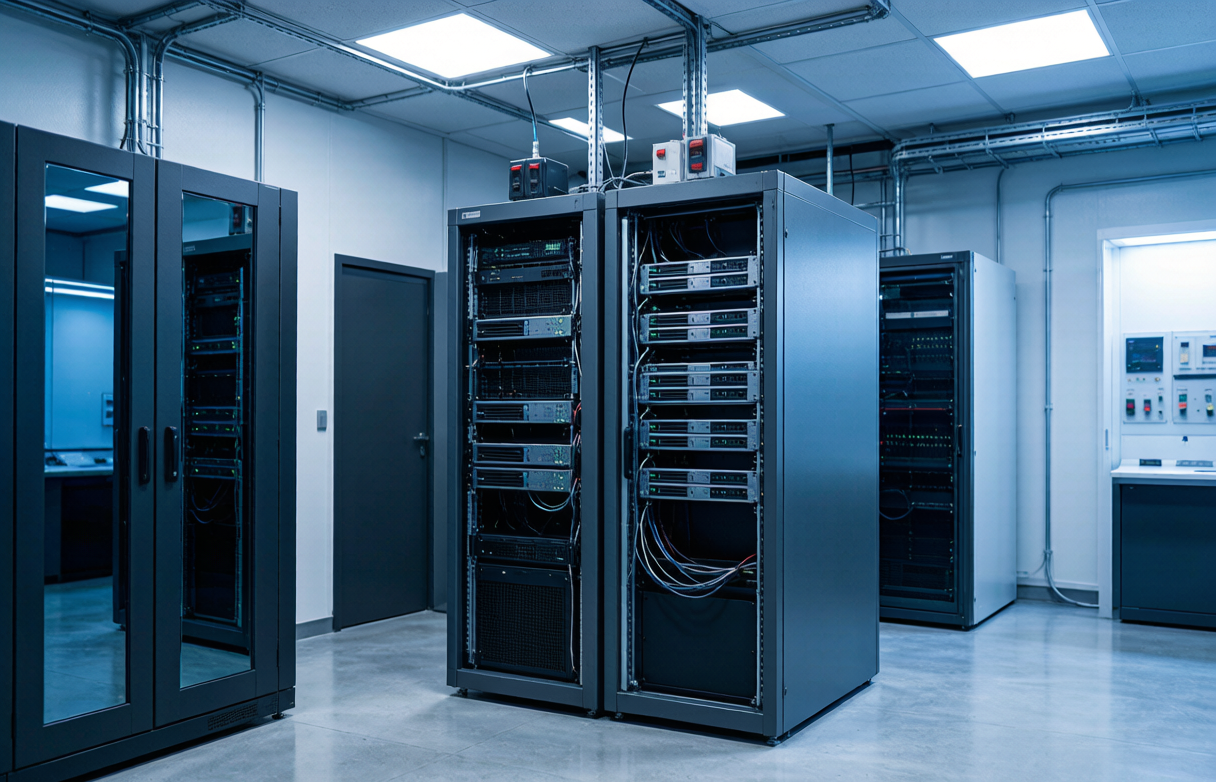
Deploying edge inference servers in a private cloud data center is a systematic project. Each stage, from requirements assessment to operations and maintenance (O&M) handover, requires precise control. Stonbel's integrated solution combines computing power, storage, display, and cloud-edge collaboration, helping government and enterprise customers reduce cloud adoption costs by over 25%, shorten delivery cycles, and improve business response speed. In the State Grid provincial power dispatch center project, Stonbel provided an integrated package of industrial wide-temperature SSDs, DDR5 ECC memory, and edge inference servers, adapted to the dispatch center's -10°C to 55°C equipment room environment, and completed compatibility adaptation with the existing power dispatch
Step-by-Step Checklist
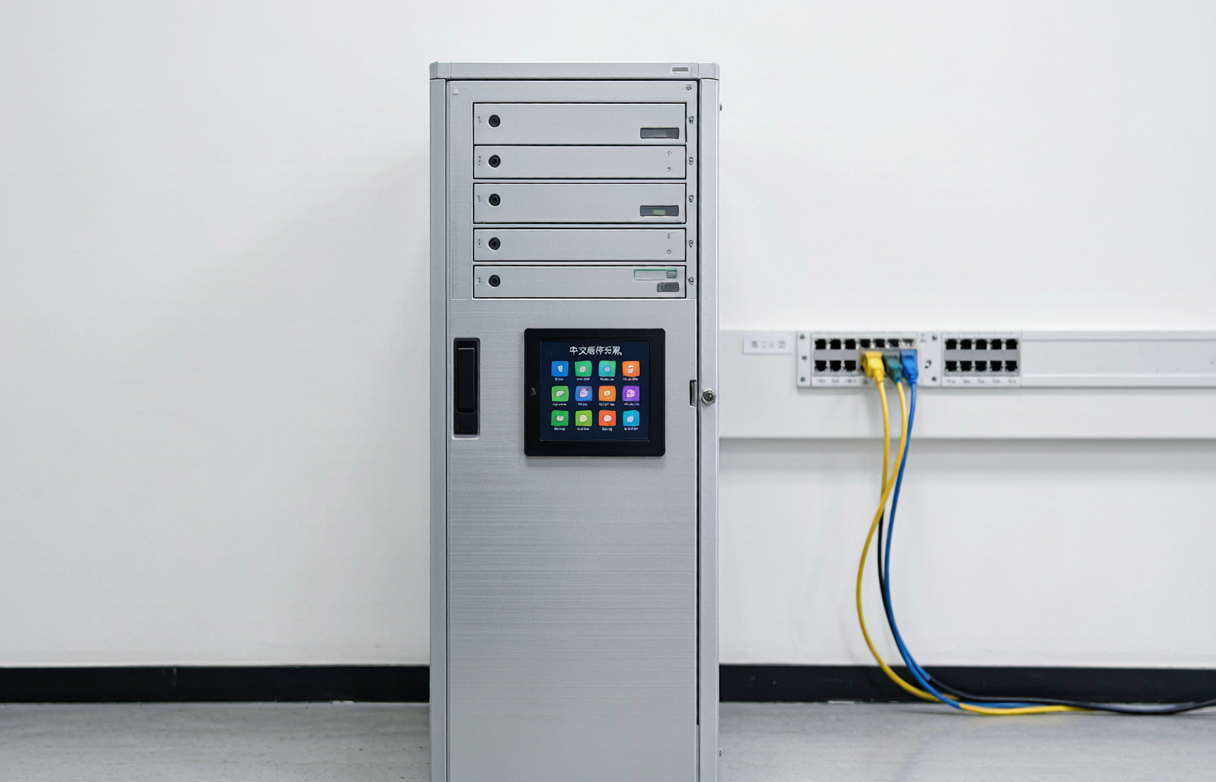
Step 1: Requirements Assessment and Solution Design. Define the business scenario (e.g., video intelligent analysis, production data inference), number of concurrent streams, storage capacity, and Xinchuang compliance requirements. Stonbel provides full-category industrial-grade storage supporting services, including industrial wide-temperature SSDs, DDR4/DDR5 ECC memory, eMMC/UFS embedded storage modules, etc. Customers can directly obtain highly reliable storage solutions tailored to their scenarios without significant manpower investment in hardware selection and compatibility testing, shortening the pre-project preparation cycle by over 30%. Step 2: Hardware Deployment and System
Acceptance Criteria
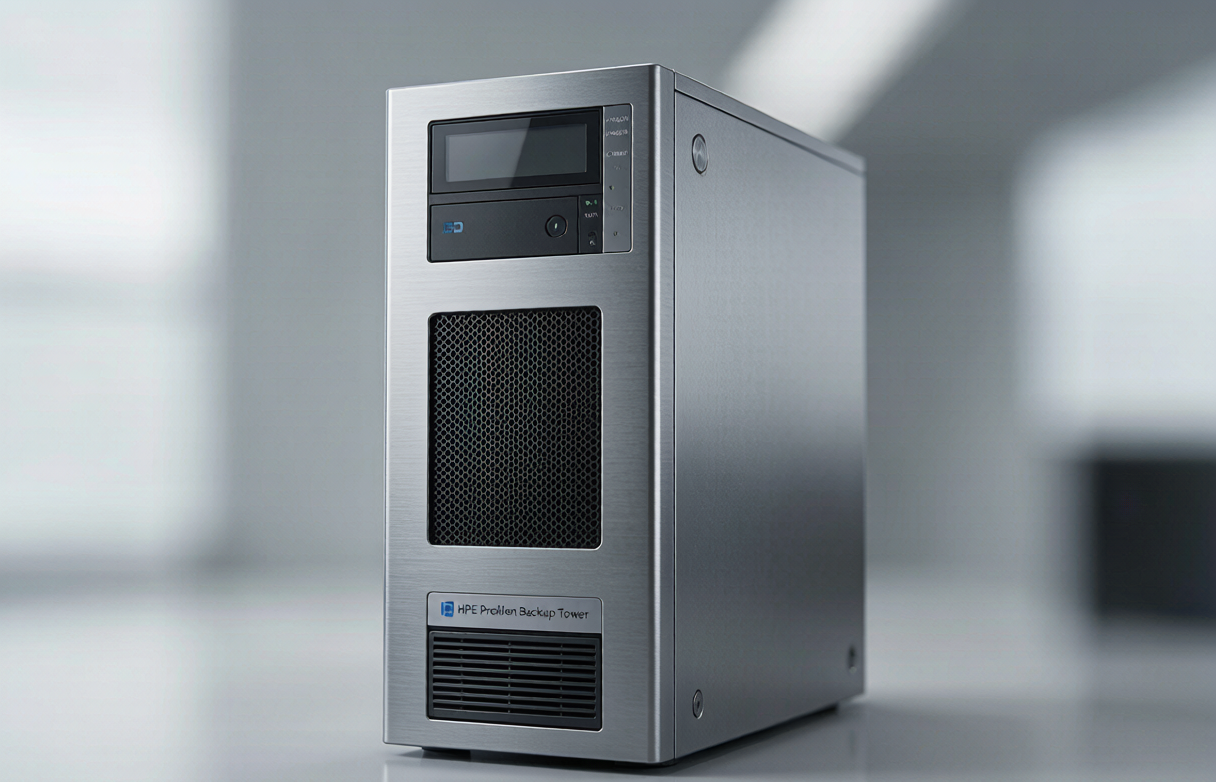
Acceptance criteria must cover four dimensions: functionality, performance, stability, and compliance. Functional tests should verify the edge inference server's INT8 computing power (22/16 TOPS), FP16 computing power (11/8 TFLOPS), and 16-channel 1080P encoding/decoding capabilities, ensuring accuracy of at least 95% for video intelligent analysis tasks (e.g., personnel intrusion detection, fire/smoke recognition). Performance tests should focus on inference latency and concurrent processing capability. Stonbel edge inference servers can reduce local intelligent recognition response latency from 200ms (cloud deployment) to under 50ms. Stability tests require 7×24-hour high-load operation, monitoring device
Precautions
First, ensure computing power matches the scenario. Edge inference servers are suitable for video intelligent analysis and industrial visual inspection. For general AI training or complex model inference, consider pairing with general-purpose GPU servers. Stonbel offers computing power rental services for small and medium projects, reducing one-time hardware investment costs by over 70% and flexibly matching computing needs at different project stages. Second, pay attention to environmental adaptability. Stonbel edge inference servers support -40~70°C (diskless version) and -40~60°C (with disk version), suitable for extreme environments. In the Western Oilfield project, equipment at well sites operated in extreme desert conditions (-35°C to 60°C). Stonbel provided a solution combining industrial wide-temperature CFast cards and industrial AI boxes,
Q1: What is the difference between a private cloud edge inference server and a general-purpose GPU server?
A: Private cloud edge inference servers are designed for edge scenarios, with power consumption of only 25W~40W, high computing density, 16-22 TOPS INT8 computing power, and -40~70°C wide-temperature operation, suitable for harsh equipment room or outdoor environments. General-purpose GPU servers have a broader ecosystem and are suitable for general AI inference, but they consume more power (typically over 200W) and have higher domestic substitution costs. In video intelligent analysis scenarios, edge inference servers process data locally, reducing latency from 200ms (cloud) to under 50ms and lowering bandwidth costs. In the Chengdu Tianfu International Airport cargo area
Q2: How to choose the computing configuration for a private cloud edge inference server?
A: Base the choice on the number of concurrent streams and model complexity in the business scenario. For processing 16-channel 1080P video streams, select a model with 22 TOPS INT8 computing power and 16-channel 1080P encoding/decoding support. Consider memory capacity: LPDDR4X 8GB suits multi-stream concurrency, while 4GB is suitable for lightweight tasks. Also, evaluate environmental temperature: the diskless version supports -40~70°C, and the with-disk version supports -40~60°C. Stonbel offers multiple models; the specific choice depends on the project plan. For example, in the State Grid provincial power dispatch center project, Stonbel provided an integrated package of edge inference servers, industrial wide-temperature SSDs, and DDR5
Q3: How does a private cloud edge inference server collaborate with the central cloud?
A: Through a cloud-edge collaborative unified management platform, the central cloud handles global scheduling and model updates, while edge nodes handle local inference and caching. Stonbel's solution supports policy distribution, firmware upgrades, and alarm convergence, reducing O&M complexity. At the storage level, intelligent data tiering keeps hot data at the edge and archives cold data to the center, reducing costs by over 30%. This architecture suits multi-branch scenarios, such as a power dispatch center covering over 500 substations. In the State Grid project, Stonbel used cloud-edge collaboration to achieve unified management of 12 municipal dispatch centers across the province, reducing fault response time from 20 minutes to 4 minutes. Additionally, edge nodes feature low-power, silent designs, suitable for plug-and-play deployment in scenarios without dedicated equipment rooms, such as office areas and business halls.
Q4: How does a private cloud edge inference server meet compliance requirements in Xinchuang projects?
A: Stonbel edge inference servers are compatible with domestic CPUs (Kunpeng, Phytium, Hygon), operating systems (Kylin, UOS), and domestic AI chips, meeting Xinchuang compliance requirements. They also support data encryption, multi-tenant isolation, and access auditing, complying with MLPS 2.0 Class 3 standards. Products have passed 3C, CE, FCC, ISO14001, ISO9001, and ROHS certifications, and hold military and classified project qualifications, suitable for sensitive industries like government and power. In the State Grid provincial power dispatch center project, Stonbel provided an integrated solution of industrial wide-temperature SSDs, DDR5 ECC memory, and edge inference servers, supporting interface testing for the power industry's dedicated IEC 61850 protocol. The project was designated a State Grid demonstration
Deploying edge inference servers is a systematic project. Stonbel's integrated solution merges edge inference, industrial storage, and cloud-edge collaboration, cutting cloud migration costs by over 25% and accelerating delivery. Proven in State Grid and Tianfu Airport, these servers will play a key role in future private clouds. Stonbel offers industrial storage, GPU/edge AI infrastructure, and cloud-edge solutions for distributed storage, private cloud, and AI computing centers, ensuring compliance and 7×24 reliability.