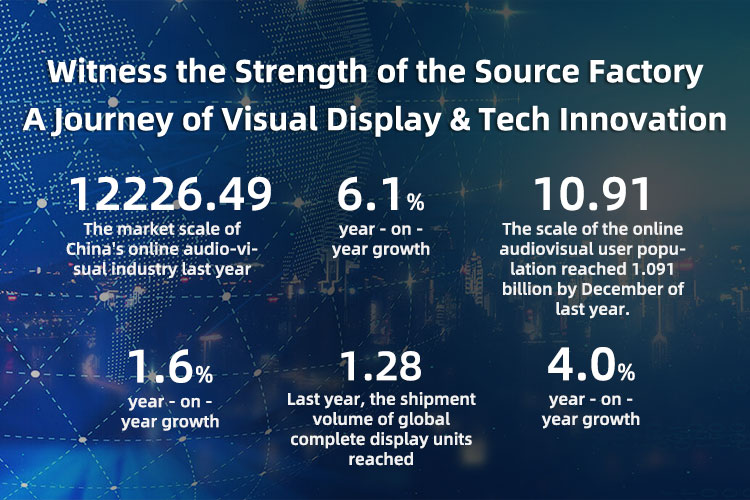
In command centers, display system clarity, stability, and signal processing directly impact decision-making. Integrators often mistakenly treat COB fine-pitch and LED video walls as mutually exclusive, or assume higher specs are always better, leading to subpar project outcomes. This article examines common pitfalls and provides guidance for effective system design.
Common Industry Misconceptions
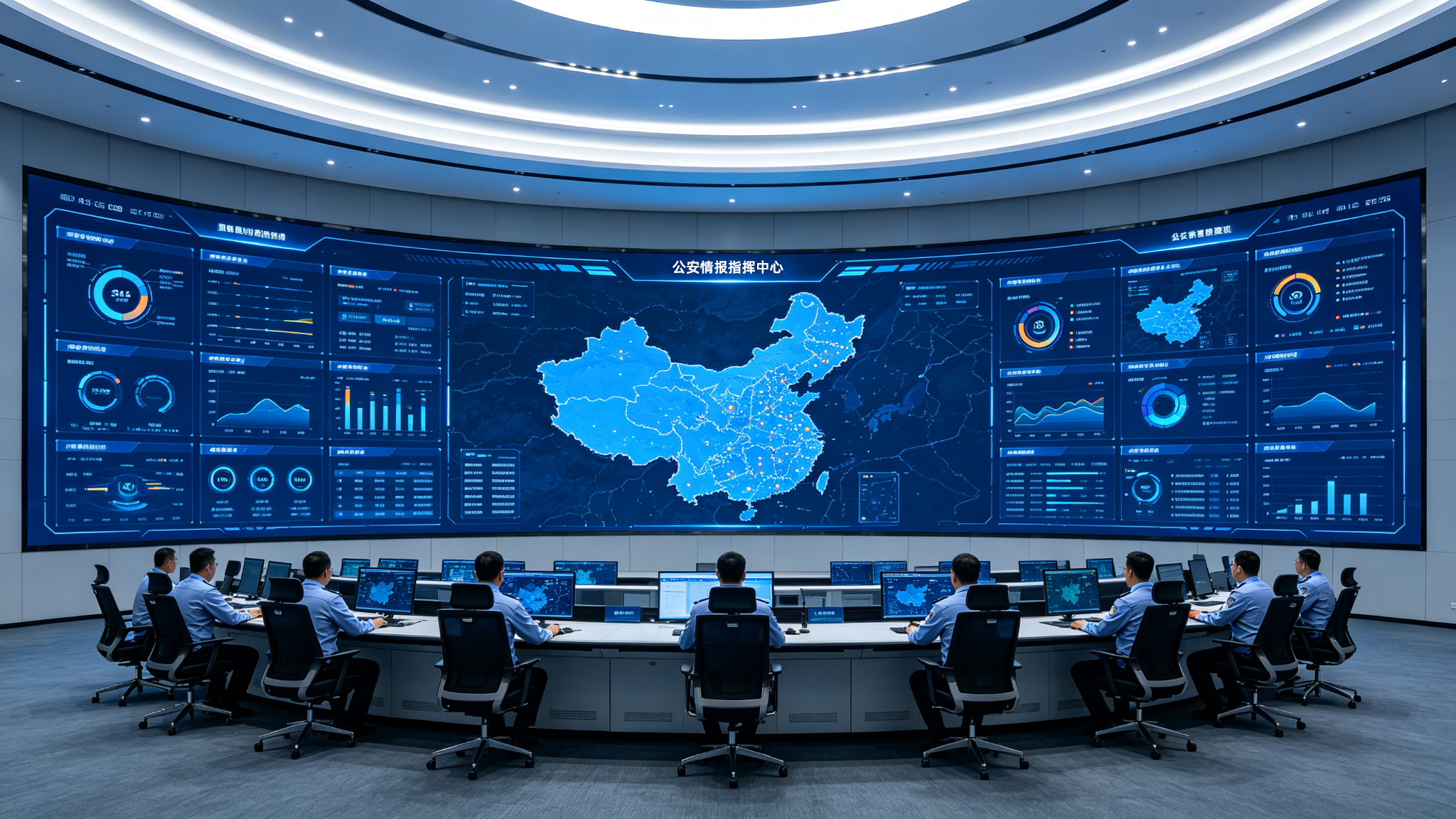
In dispatch center display system design, many integrators and users misunderstand the relationship between COB fine-pitch displays and LED video walls. One common view is that COB fine-pitch displays are expensive and new, so they should be used for all dispatch center projects, while traditional LED video walls are seen as outdated. The opposite view holds that LED video walls are mature and cost-effective, sufficient for all dispatch scenarios, and that COB fine-pitch displays are merely a luxury. This binary thinking often leads to solutions misaligned with actual needs. Another misconception involves parameter selection—some integrators over-pursue the smallest pixel pitch or highest refresh rate, ignoring the actual viewing distance, signal source types,
Clarifying Each Misconception
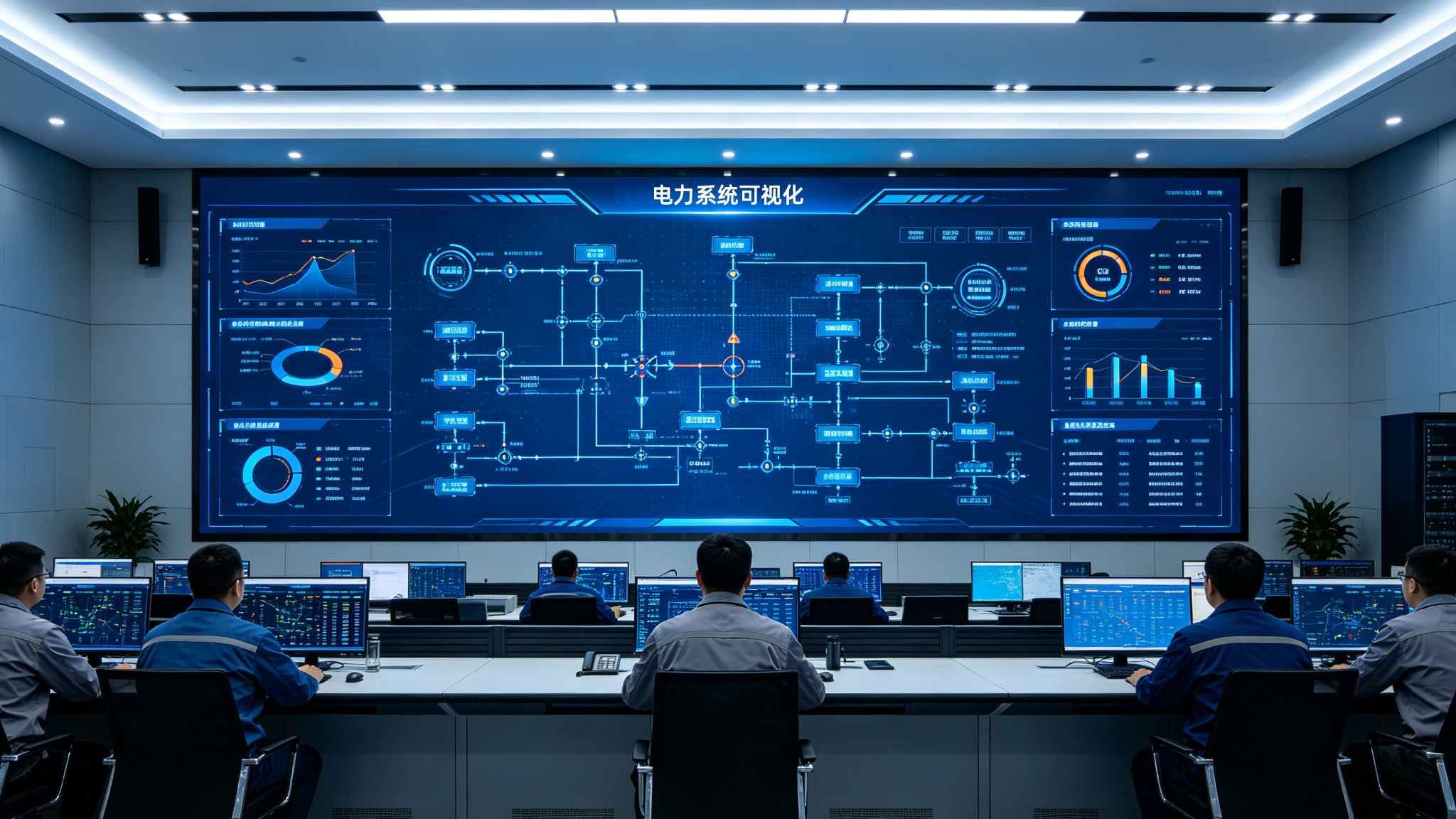
Misconception 1: COB fine-pitch displays completely replace LED video walls. In fact, they are complementary, not substitutes. COB fine-pitch displays (pixel pitch P0.7-P1.8) use chip-level packaging, offering ultra-high definition, seamless splicing, and high protection (IP55), making them ideal for close-viewing, high-precision main screens in dispatch halls. LED video walls (e.g., P1.5 and above) excel in cost, brightness, and large-size splicing, suiting auxiliary displays for long-distance viewing or budget-constrained retrofits. For example, the Nanjing Prison Smart Supervision Command Center chose a P1.5 COB solution for its dust-proof, anti-static, and 7×24-hour stable operation capabilities, not as a simple replacement for all splicing products. Misconception 2: LED video walls are
Correct Understanding
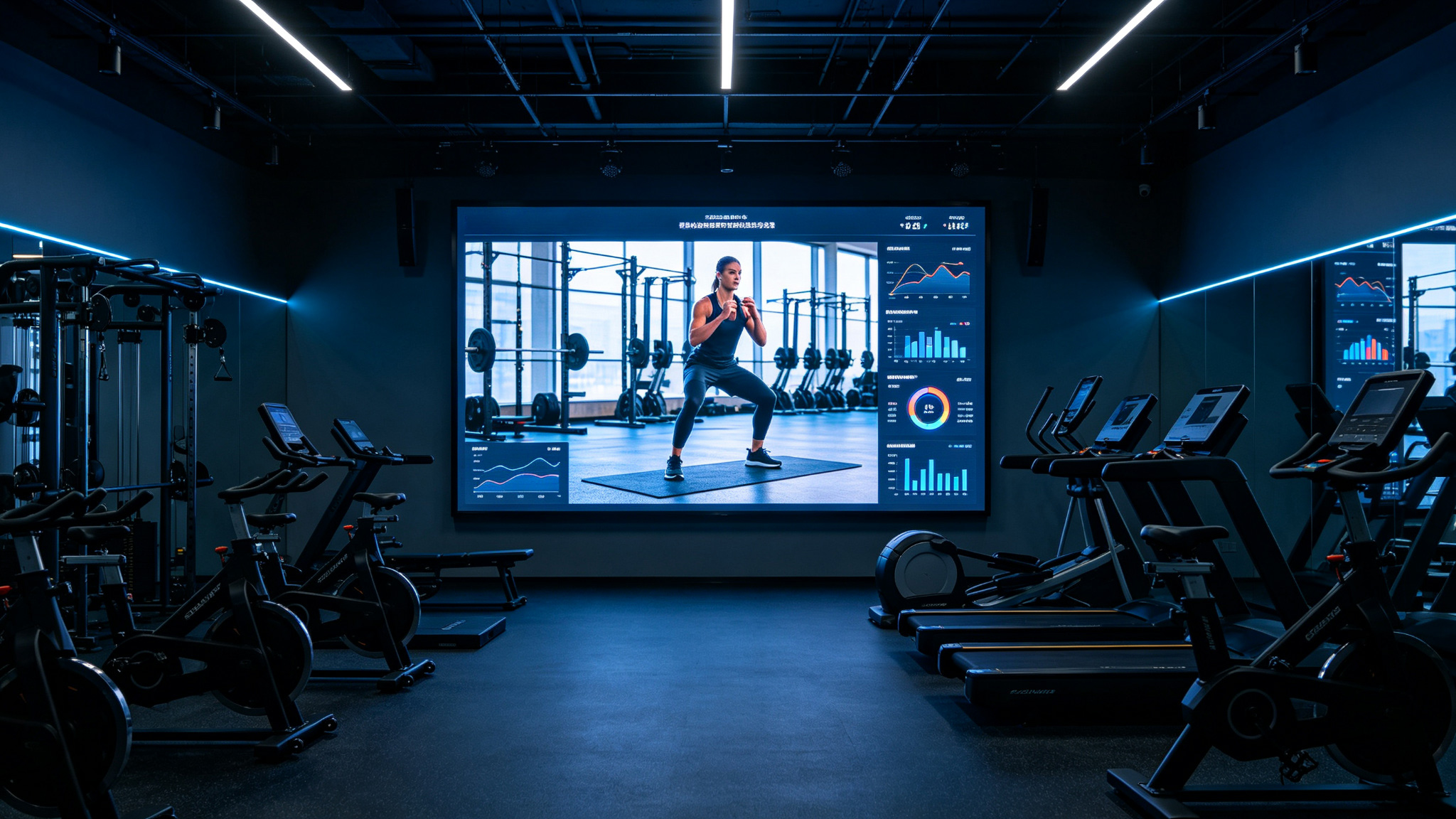
The correct understanding is that COB fine-pitch displays should serve as the core display medium in dispatch centers, with LED video walls as auxiliary or transitional solutions, flexibly combined based on scenario needs. The core value of COB fine-pitch displays lies in ultra-high-definition seamless display and high reliability. For example, Stonbel COB products feature a 3840Hz refresh rate, a lifespan of ≥100,000 hours, and support operation from -30°C to 60°C, meeting the stringent demands of continuous operation and fine image quality in dispatch centers. LED video walls retain advantages in brightness uniformity and maintenance convenience, making them suitable for information display or backup screens. For instance, the Chengdu Tianfu International Airport Cargo Area Monitoring Center uses LCD
Selection Recommendations
When selecting, integrators should follow the principle of scenario-first, parameter matching, and cost control. First, determine the viewing distance and information density of the dispatch center: if seats are within 3 meters of the screen, choose COB fine-pitch displays with P1.2 or smaller; if the distance exceeds 5 meters, P1.5-P1.8 is sufficient. Second, focus on protection level and maintenance capability: dispatch centers often require 7×24-hour operation, so products with IP55 protection, intelligent fault detection, and remote maintenance are recommended, such as Stonbel COB solutions that reduce after-sales response time to within 30 minutes. Third, assess environmental specifics: for cold northern regions, choose products with wide-temperature packaging (e.g., -30°C startup); for humid southern or dusty environments, strengthen
Q1: What is the main difference between COB fine-pitch displays and LED video walls in dispatch centers?
A: COB fine-pitch displays (pixel pitch P0.7-P1.8) use COB chip-level packaging, offering seamless splicing, high protection (IP55), and high refresh rate (3840Hz), making them ideal for close viewing and high-precision information display, with a lifespan of ≥100,000 hours and 7×24-hour continuous operation. LED video walls (e.g., P1.5 and above) have advantages in cost, brightness, and ultra-large splicing, but have physical seams and grainy texture, lacking detail recognition at close range. In dispatch centers, they can be combined: the main screen uses COB for core information display quality and stability, while auxiliary or information screens use LED video walls to control budget. For
Q2: What are the lifespan and stability of COB fine-pitch displays in dispatch centers?
A: Stonbel COB fine-pitch displays have a lifespan of ≥100,000 hours, support 7×24-hour continuous operation, and feature military-grade stability with IP55 dust and water resistance, suitable for extreme environments like -30°C. The high-strength dust-proof and anti-static packaging design reduces failures caused by dust accumulation and static interference. For example, the Nanjing Prison project deployed 60㎡ of P1.5 products, achieving zero-fault operation throughout the year, with an 85% remote resolution rate and significantly reduced on-site maintenance visits. The Heilongjiang Forest Fire project operated without startup anomalies or
Q3: How to choose the COB fine-pitch display specification based on dispatch center area?
A: Specification selection should consider viewing distance, information density, and signal access needs. For viewing distances within 3 meters, P1.2 or smaller is recommended to ensure chart details are clearly visible; 3-5 meters allows P1.5, balancing image quality and cost; beyond 5 meters, P1.8 is sufficient. Also consider signal access routes and linkage needs—for multi-department collaborative dispatch, choose COB solutions with multi-signal seamless linkage control for synchronized multi-screen display and fast switching, improving emergency dispatch response efficiency by 40%. Additionally, assess the installation environment:
Q4: Are COB fine-pitch displays expensive to maintain in dispatch center projects?
A: COB fine-pitch displays use chip-level packaging, with lamp bead failure rates far lower than traditional SMD products, and support intelligent fault detection and remote maintenance, greatly reducing on-site maintenance frequency. For Stonbel, annual maintenance costs for COB products are over 70% lower than traditional equipment, with nationwide localized services—31 provincial service points enable rapid response for after-sales and installation, reducing response time to within 30 minutes. For classified dispatch scenarios, Stonbel also provides dedicated confidential maintenance services, strictly following classified management protocols to prevent information leakage during maintenance. The Nanjing Prison project achieved an 85% remote resolution rate, significantly reducing personnel entry frequency, lowering maintenance costs while ensuring supervision security.
The optimal combination of COB fine-pitch displays and LED video walls in command centers hinges on scenario needs, viewing distance, environment, and budget. Integrators should use COB as the primary display for ultra-HD seamless visuals and reliability, while leveraging LED or LCD for auxiliary roles to balance cost and performance. Stonbel, as an original manufacturer, offers full customization and end-to-end technical support, empowering integrators to win more projects and enhance client satisfaction.