As public-facing service windows, government halls depend on display clarity and comfort for user experience and institutional image. LCD video walls—with high brightness, contrast, and flexible tiling—serve as core equipment for information release, process guidance, and image display. However, selecting appropriate brightness and color temperature under varied lighting, viewing distances, and budget constraints—while avoiding glare or color distortion—remains a practical challenge. Drawing on Stonbel's years of commercial display project experience, this article offers a systematic decision tree to precisely match LCD video wall brightness and color temperature parameters for government hall scenarios, ensuring clear visibility and comfortable viewing around the clock, while balancing energy efficiency and cost.
Needs Assessment: From Ambient Light to Content Type
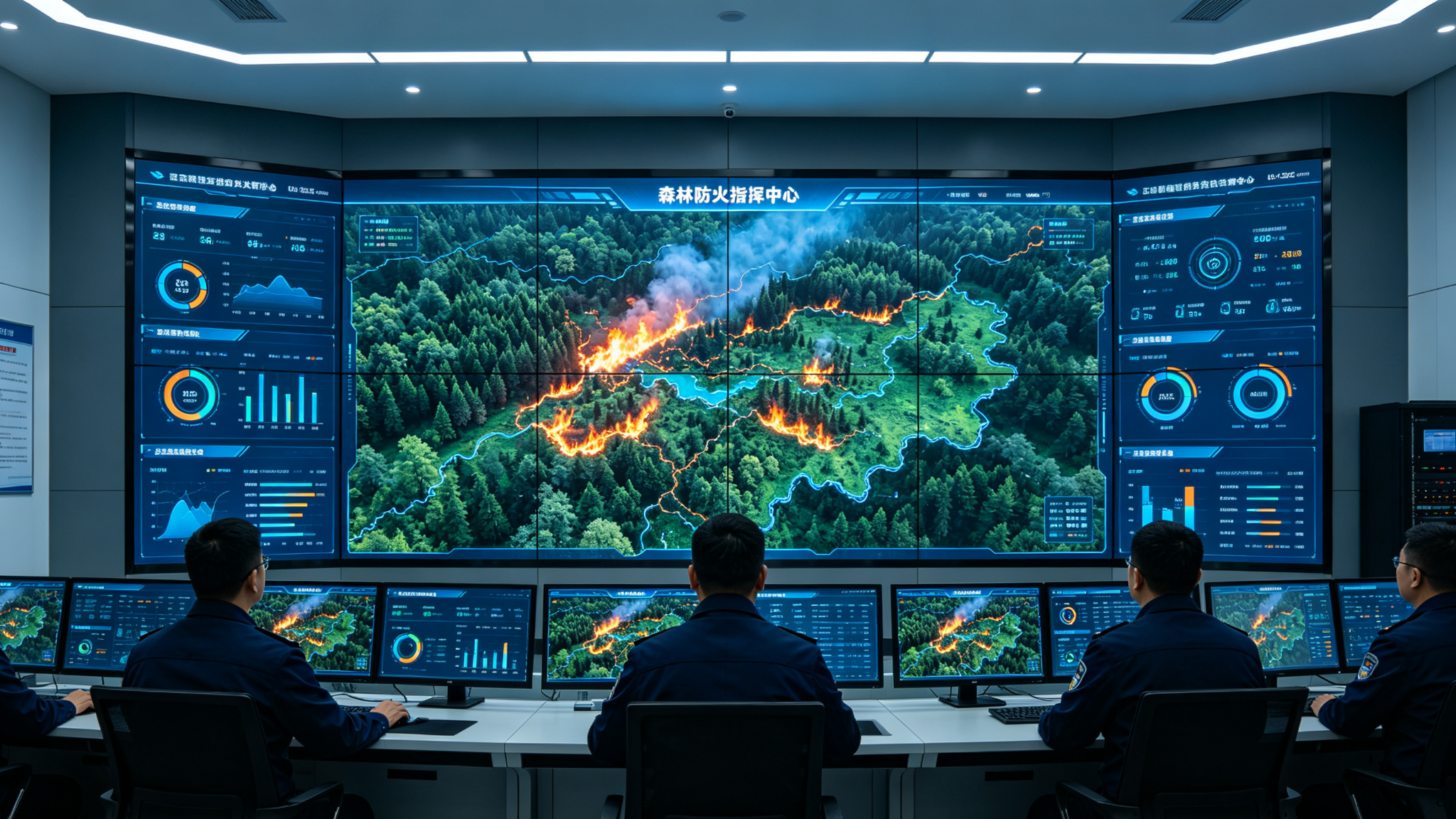
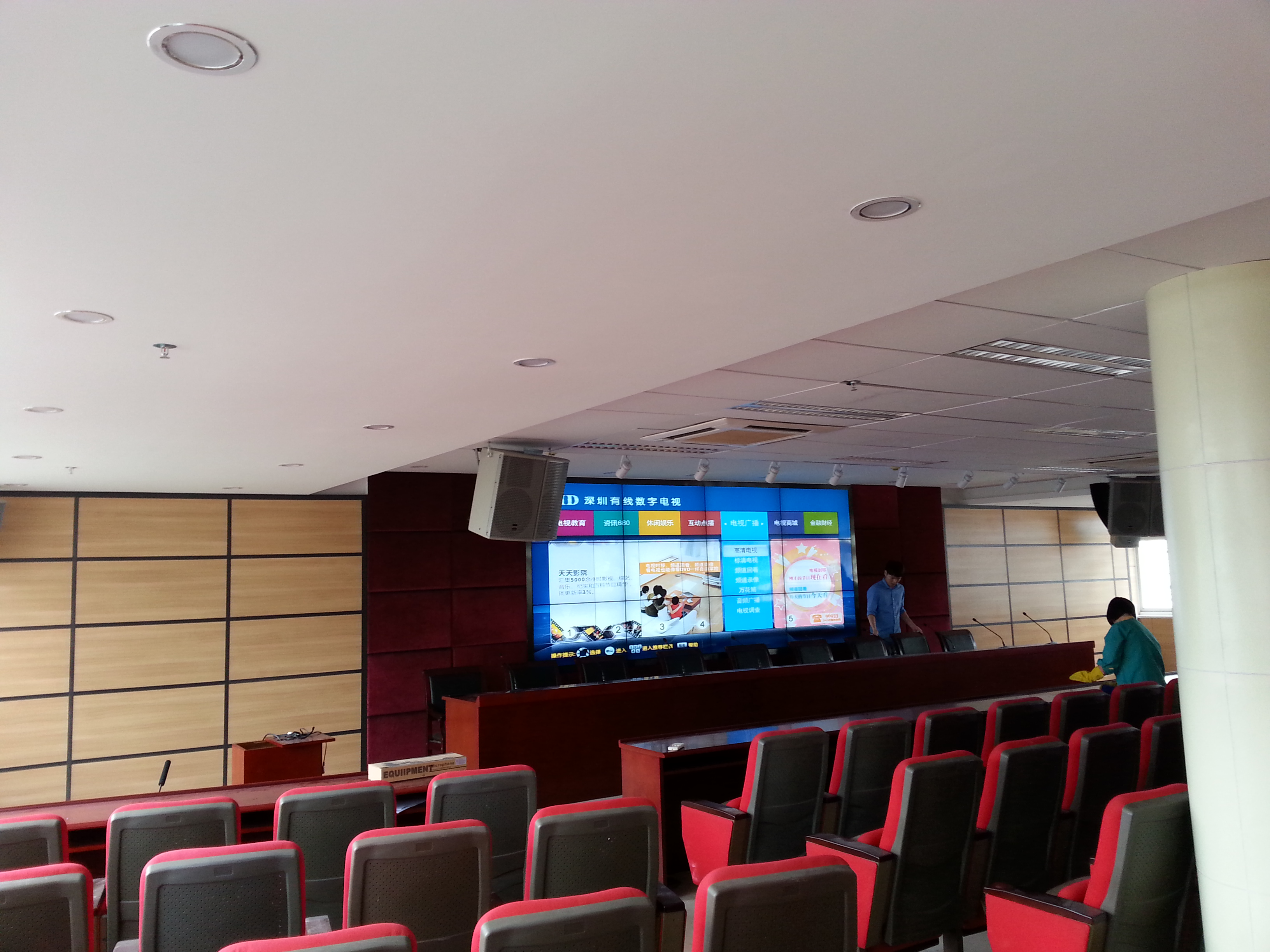
Selecting an LCD video wall for a government hall requires a comprehensive evaluation of ambient light, viewing distance, content type, and budget. Ambient light is the primary factor determining brightness needs. Based on Stonbel's project experience, government hall lighting typically falls into three categories: areas near glass curtain walls with direct sunlight (800-1200 lux) need screens with brightness above 500cd/m² to prevent image washout; central areas with mixed lighting (300-600 lux) require 500-700cd/m²; and low-light zones like corridors need only 300-500cd/m². Viewing distance affects pixel pitch selection. For service counters where viewers are 2-5 meters away, a P1.8-P2.5 LCD
Tiered Selection: From Brightness to Color Temperature
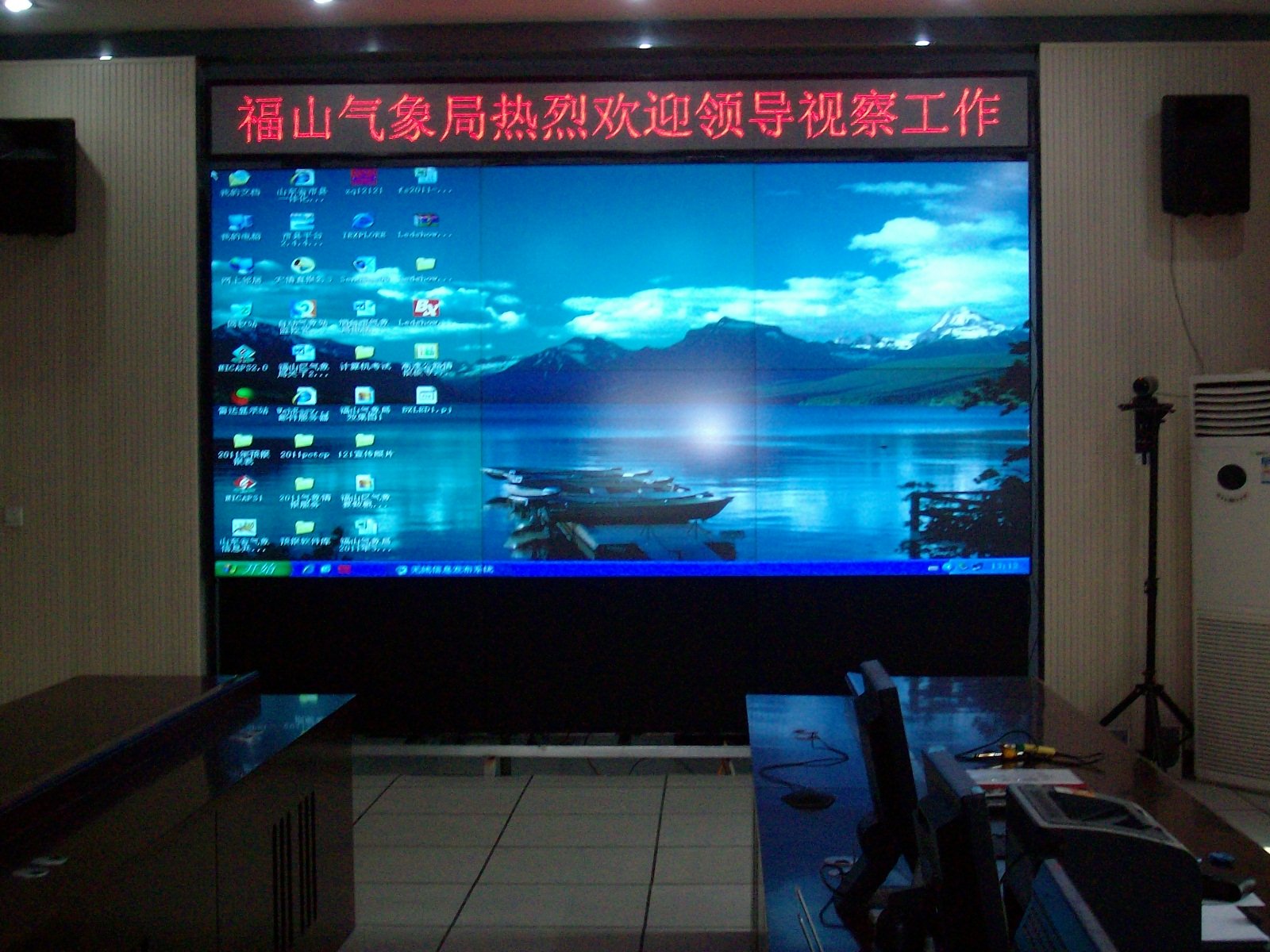
After needs assessment, tiered selection translates requirements into specifications. First, determine brightness. Use a lux meter to measure at 9 AM, 2 PM, and 5 PM. If illuminance exceeds 800 lux, choose brightness ≥700cd/m²; for 400-800 lux, 500-700cd/m² suffices; below 400 lux, 500cd/m² is adequate. Stonbel's LCD video walls use direct-lit LED backlighting with brightness uniformity above 98%, preventing edge-to-center variation. Second, evaluate color temperature adjustment. A standard 6500K is recommended for public areas as it closely matches natural light, accurately reproducing skin tones, paper white, and material colors. For
Recommended Models and Rationale: Parameter Matching Based on Experience
Following tiered selection, buyers can match specific models. Stonbel's LCD video wall line covers 49 to 65 inches with brightness levels of 500cd/m², 700cd/m², and 1000cd/m², all with 5000K-10000K color temperature adjustment. For common 3×3 or 3×4 configurations near entrances with strong lighting, the 700cd/m² tier with anti-glare coating and auto-brightness is recommended. Stonbel's auto-brightness feature uses an ambient light sensor to adjust backlight in real time, ensuring clarity while
Ambient Light Adaptation in Practice: Lessons from Sanya to Hangzhou
While this article focuses on LCD video walls for government halls, Stonbel's experience in other scenarios offers valuable insights. The Sanya Atlantis Resort LED texture screen project is a case in point. The resort sought to enhance its coastal ambiance with technology, but the outdoor high-humidity, high-salt environment demanded exceptional reliability. Stonbel provided LED texture screens (marble texture) combining natural stone aesthetics with high-definition illumination and waterproofing, plus smartphone APP and voice control for one-click scene switching. The decorative wall delivered dynamic light shows while maintaining stone texture, increasing visitor engagement by 50% with zero
Q1: What brightness is suitable for an LCD video wall in a government hall?
A: Brightness depends on ambient light at the installation site. Near windows or high-illuminance areas (≥800 lux), choose models with ≥700cd/m² to prevent washout. In softer interior lighting (400-600 lux), 500cd/m² suffices. In low-light corridors (<400 lux), 300-500cd/m² is adequate. Stonbel offers 500cd/m², 700cd/m², and 1000cd/m² tiers with auto-brightness—an ambient light sensor adjusts backlight in real time for clarity and energy savings. A 55-inch unit at 700cd/m² consumes about 180W, 40% less than traditional solutions. Note that excessive brightness causes glare and eye strain in dark environments, so base the choice on site measurements and professional consultation.
Q2: How should color temperature be adjusted for an LCD video wall in a government hall?
A: Color temperature affects color accuracy and viewing comfort. A standard 6500K is recommended for public areas as it closely matches natural light, accurately reproducing paper white, official document red, and skin tones. For warm-toned interiors (wood veneer, beige stone), adjust to 5500K-6000K for harmony. For cool modern interiors, 7000K-8000K enhances a technological feel. Stonbel's LCD video walls support stepless adjustment from 5000K to 10000K with preset schedules (e.g., 6500K daytime, 5000K nighttime) via control software. For video conferencing or
Q3: How can an LCD video wall in a government hall handle natural light reflection?
A: Natural light reflection reduces clarity, especially near glass curtain walls or polished floors. Solutions span hardware and installation. For hardware, choose high brightness (≥700cd/m²) and an anti-glare (AG) coating. Stonbel's optional AG coating reduces surface reflectance from 6% to below 2% while maintaining image transparency. Auto-brightness dynamically optimizes backlight in strong light. For installation, use front-access mounting brackets with a 5-10 degree downward tilt to redirect reflective paths. Avoid positioning screens directly opposite windows or main light sources; if unavoidable, use curtains or
Q4: What is the lifespan of an LCD video wall in a government hall?
A: Stonbel's LCD video walls use LED backlighting with a design life of over 100,000 hours, supporting 7×24 operation. At 14 hours daily, this equals approximately 19.5 years, far exceeding the typical 5-8 year government equipment refresh cycle. Products are certified to 3C, CE, and FCC, and comply with ISO14001. Stonbel provides service networks in 31 provinces for rapid maintenance. Backlight decay is a key factor; Stonbel uses high-quality LED modules and constant-current drivers to ensure brightness decay does not exceed 30%
Selecting an LCD video wall for a government hall is a systematic process requiring multi-dimensional decisions on ambient light measurement, viewing distance, content type, budget, and system integration. This article provides a selection path from brightness and color temperature to specific models with rationale. Stonbel, a top-10 LED display enterprise in China, brings extensive government and enterprise project experience. Its LCD video walls meet stringent requirements in brightness, color temperature adjustment, reliability, and service. From the outdoor high-humidity, high-salt environment of Atlantis Sanya to the real-time dispatch at Hangzhou Metro Network Command Center and high-precision color reproduction at Shanghai Planetarium, Stonbel's experience across complex scenarios informs government hall projects. We recommend on-site lighting surveys during project initiation and close communication with our professional team to finalize solutions. Stonbel provides a 31-province service network and full-process pre-sales support for one-stop delivery from survey, design, installation, to maintenance, helping create quality public service windows.