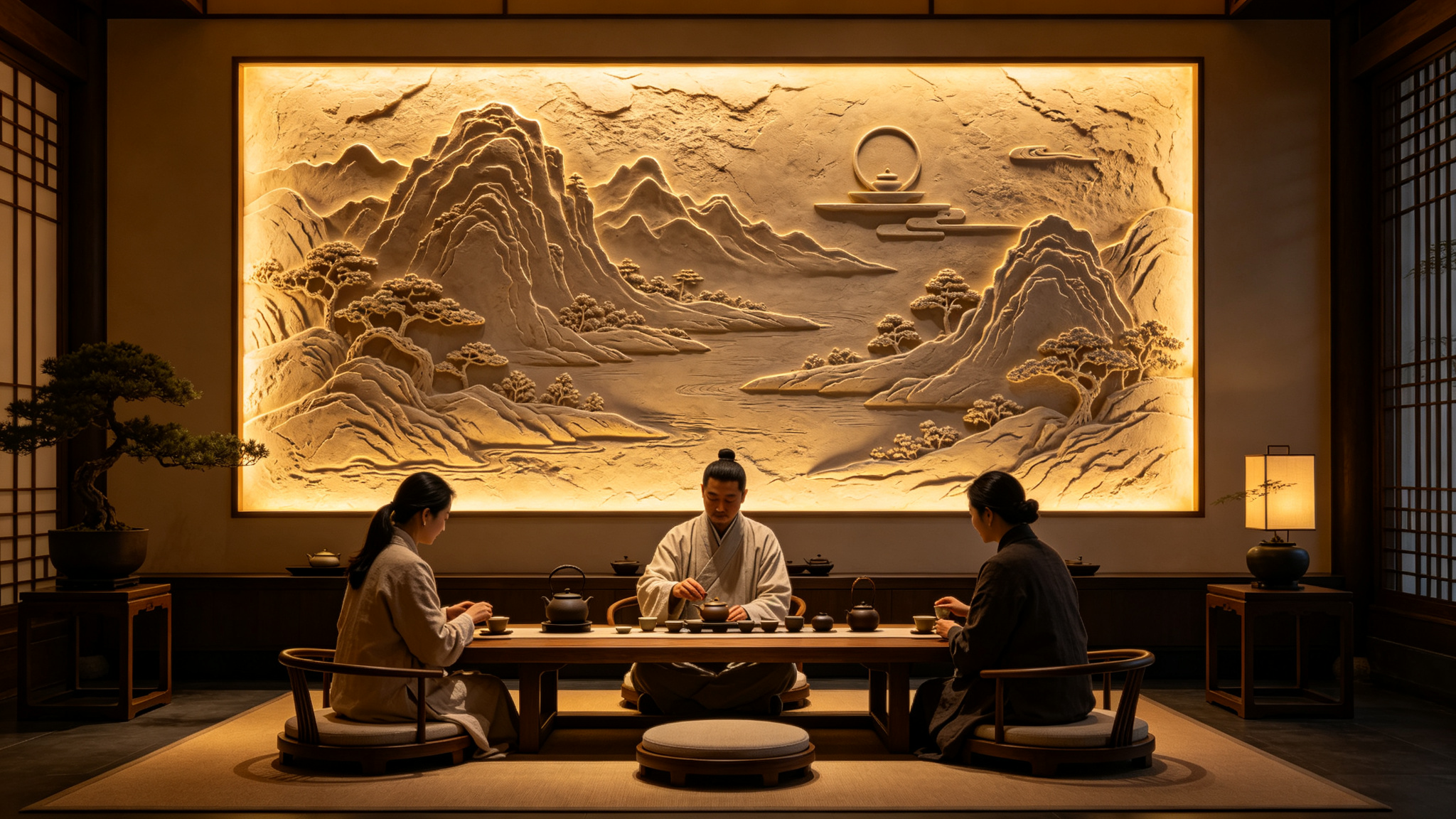
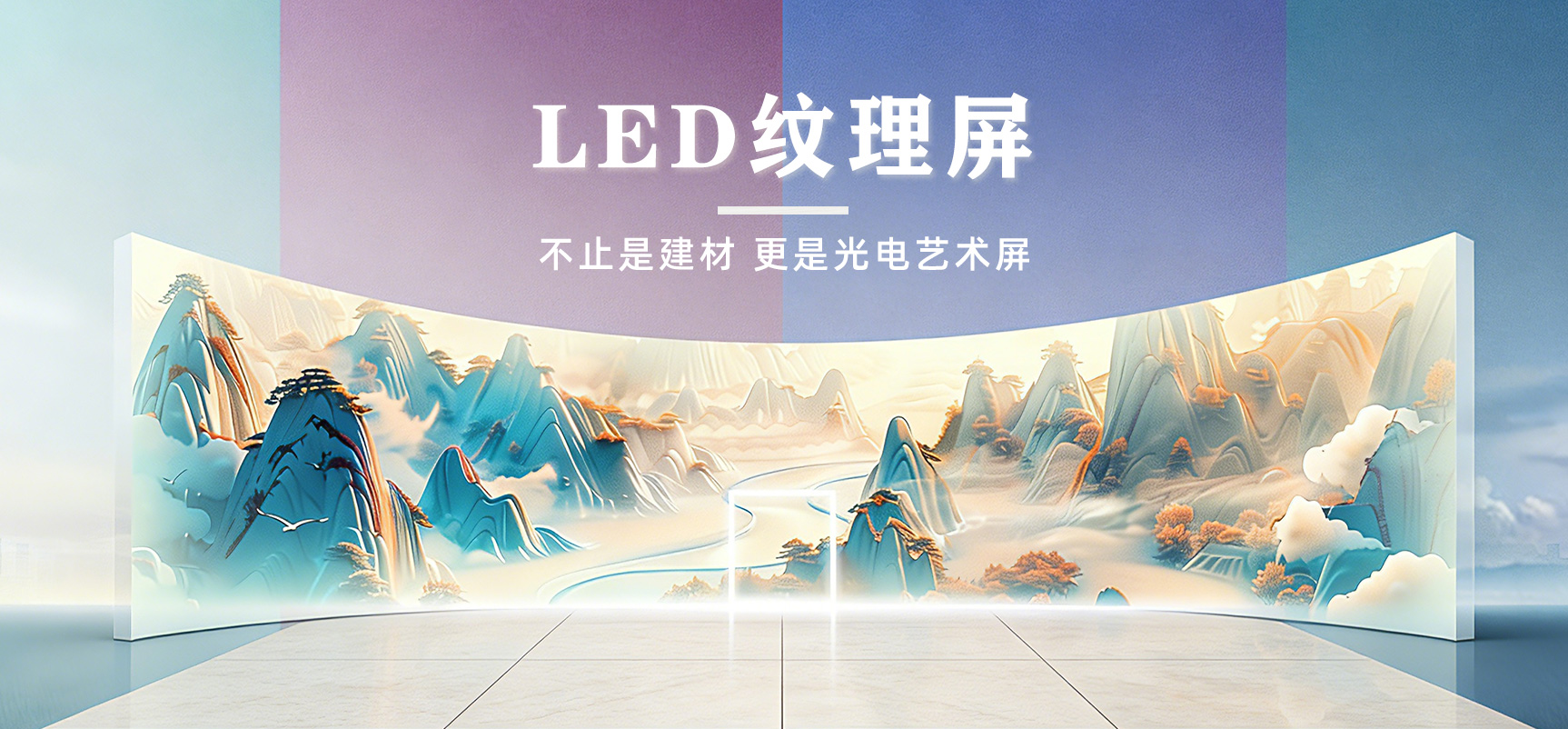
Exhibition halls, as immersive brand and cultural spaces, now require displays that are not just visible but beautiful, tactile, and integrated. LED relief texture screens, merging architectural texture finishes with high-definition Micro-LED technology, are redefining premium exhibition design. With many claiming to be source factories, verifying technical parameters, manufacturing strength, and project experience is critical. This article provides objective, actionable selection criteria—covering core specs, evaluation dimensions, and real cases—to cut through marketing hype and focus on true manufacturing fundamentals.
Evaluation Framework: From Clarity to Integration
Evaluating a showroom LED relief texture screen requires a multi-dimensional approach, not just single specs. Technically, pixel pitch determines detail—P5 (5mm pitch) delivers a seamless image at viewing distances above 3 meters. Brightness and refresh rate directly impact visual experience and filming; high refresh rates prevent flicker and scan lines for photography. Protection rating ensures long-term stability—IP54 blocks dust and splashing water, sufficient for daily showroom use. Lifespan affects total cost of ownership—Stonbel LED products are rated ≥100,000 hours; at 10 hours daily, that's over 27 years of theoretical use, cutting maintenance and
Spec Comparison: LED Texture Screen vs. COB Fine-Pitch
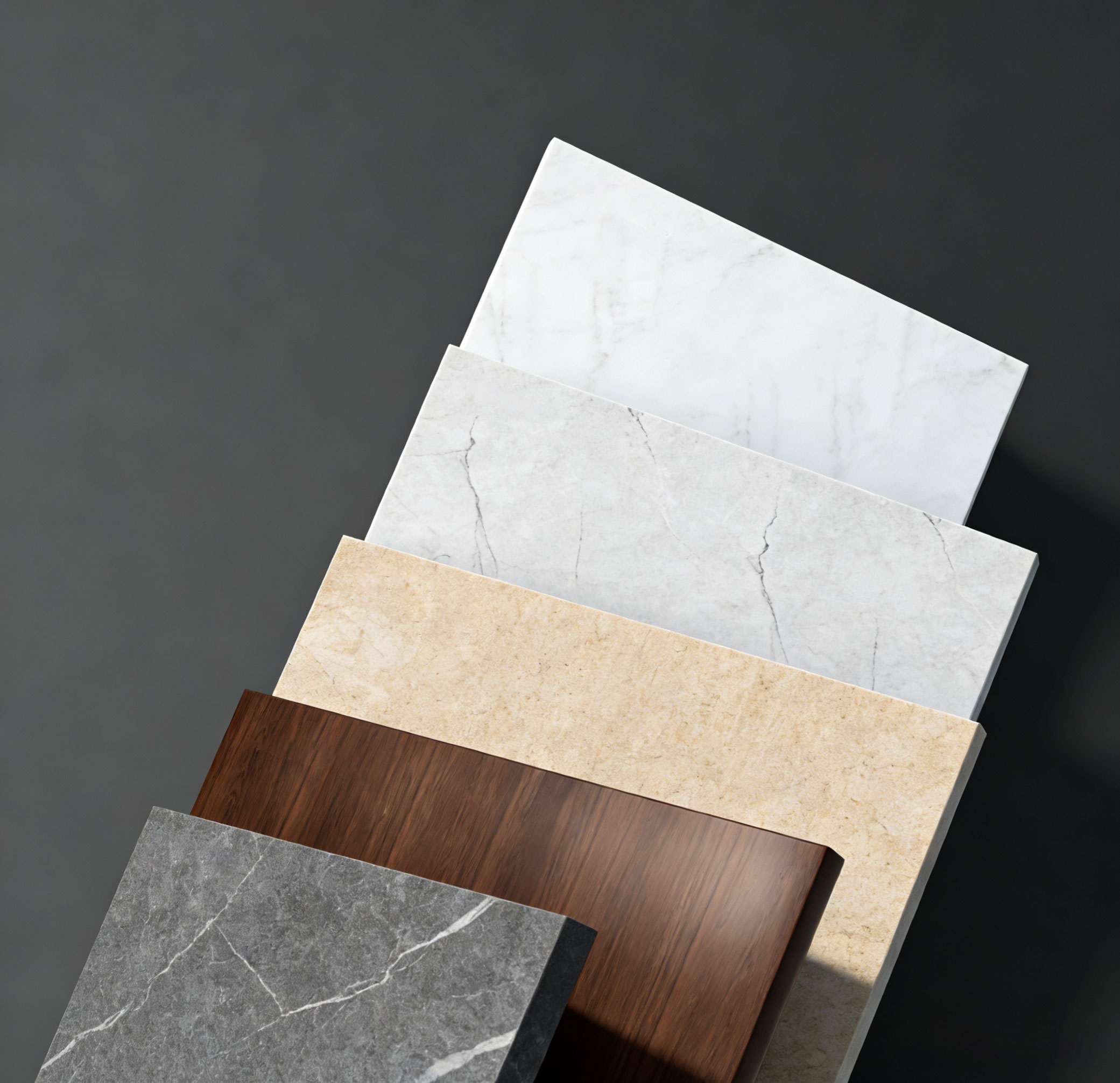
For clarity, we compare two representative Stonbel products: the showroom LED relief texture screen (LED Texture Screen) and our high-end COB fine-pitch display (for precision areas). Both are LED displays but serve different purposes. The LED texture screen features P5 pitch and IP54 rating, offering a dual-form value: 'decor when off, display when on'—showing premium material textures when off, and high-definition Micro-LED quality when on. It suits aesthetically demanding spaces like brand experience centers, corporate showrooms, and cultural exhibits, turning the screen into part of the architecture. The COB fine-pitch display features P0.7-P1.8
Selection Guide: Scenario and Budget Decisions
If your priority is 'integrated decor and display'—where the screen blends into the design when off—the LED relief texture screen is ideal. Its P5 pitch meets clarity needs beyond 3 meters, and IP54 handles daily conditions. For project planning, first define spatial scale and viewing paths. If viewers stay beyond 3 meters, P5 is cost-effective. For close-up needs (1-2 meters, like touchscreens), consider pairing with COB fine-pitch (P0.7-P1.8) for finer detail. Also, ensure the texture style matches your design—Stonbel offers custom textures (stone, wood, metal, fabric). Engage our design team early to align texture with your decor.
Q1: What advantages does the LED relief texture screen offer over traditional LED screens?
A: Its core advantage is the 'decor when off, display when on' feature. It fuses building-grade textures with Micro-LED tech, showing premium material finishes when off, eliminating the 'black box' look of traditional screens. This enhances aesthetic value and gives the screen a dual identity as both display and architectural material. When on, it maintains high brightness and refresh rates (Stonbel LED texture screens can reach 7680Hz, depending on model specs), meeting visual and ambiance needs. The P5 pitch delivers a complete image beyond 3 meters, avoiding graininess, and IP54 protection handles dust and spills. Cost-wise, texture screens
Q2: How can I verify if a manufacturer has true in-house production capabilities?
A: Assess four dimensions: First, certifications. Legitimate manufacturers hold 3C, CE, FCC, ISO14001, ISO9001, and ROHS, reflecting standardized processes. Military and confidentiality credentials further indicate technical strength and security management, which only top-tier firms possess. Second, in-house capacity. Look for owned production bases—Stonbel operates five in Shenzhen and Huizhou, offering OEM/ODM with brand labeling, spec customization, and local certification. Visit the factory to verify production lines, automation, and QC. Third, real case studies. Proven projects in government, culture, and commercial sectors—like Stonbel's immersive showroom for Hangzhou Songcheng and the naked-eye 3D project for China
Q3: What viewing distance suits the P5 pixel pitch of the LED texture screen?
A: P5 (5mm pitch) is optimal for viewing distances of 3 meters or more, based on human visual resolution. In showrooms, P5 balances image integrity beyond 3 meters with cost efficiency. At 3-5 meters, it delivers clear, detailed images without visible grain; beyond 5 meters, consistency remains strong. For close-up needs (1-2 meters, like touchscreens), consider COB fine-pitch (P0.7-P1.8), though costs rise—COB is typically several times more per unit area than P5. For project planning, zone your layout: use P5 texture screens for ambiance in main areas and COB fine-pitch for interactive zones. This combination has been successfully deployed in multiple Stonbel showroom projects, balancing budget and viewing experience. Also, consider installation height and angle to ensure proper sightlines and avoid glare.
Q4: What does the IP54 protection rating on the LED texture screen mean?
A: IP54 is an IEC standard where the first digit is dust protection and the second is water protection. '5' means dust ingress won't affect operation (suitable for most indoor environments). '4' means protection against splashing water from all directions, handling spills like drinks or cleaning water. For showrooms, IP54 is sufficient for daily dust and accidental splashes, but avoid prolonged wet, dusty, or outdoor use. Stonbel's LED texture screens use IP54 for indoor showrooms. In comparison, our COB fine-pitch displays achieve IP55, where '5' means protection against
Q5: Can you share specific Stonbel showroom project case studies?
A: Stonbel has delivered successful showroom projects across government, cultural, and commercial sectors. Case 1: Chengdu Government Service Center. The challenge was integrating multi-department data on traditional displays. We provided a custom LCD video wall with multi-screen controllers and processing for real-time sync and one-click switching, plus touch interaction. Result: 70% faster info display, 40% shorter inquiry times—a provincial benchmark. Case 2: Hangzhou Songcheng immersive cultural showroom. Traditional projection lacked clarity and interactivity. We installed a seamless LED fine-pitch wall with fusion tech and smart control for dynamic visuals and visitor
LED relief texture screens represent a key evolution toward decorative, artistic display technology, reshaping exhibition visual language and spatial experience. Choosing a factory with genuine manufacturing capability, verifiable cases, and transparent specifications is essential. Stonbel offers a full product matrix, strict quality control (3C, CE, FCC, ISO14001, ISO9001, ROHS), military and confidential qualifications, and localized service across 31 provinces. Evaluate pixel pitch, brightness, and protection levels against your space, viewing distance, and design style—and visit reference sites like Chengdu Government Service Center, Hangzhou Songcheng, and Shenzhen Bay MixC. Prioritize long-term service and content ecosystem support, as exhibition value lies in sustained operation. Core principle: let real needs and verifiable strength guide every budget decision.