High-performance computing clusters in research institutes often run at full load for extended periods, imposing stringent requirements on memory stability, wide-temperature tolerance, and data error correction. As the core component of computing nodes, the selection of industrial DDR4/DDR5 memory directly affects overall system performance and reliability. This article addresses common selection questions regarding capacity, speed, ECC, and wide-temperature range for industrial DDR4/DDR5 memory in research high-performance computing, helping IT staff and procurement decision-makers quickly grasp key points and avoid system downtime due to compatibility or environmental adaptability issues.
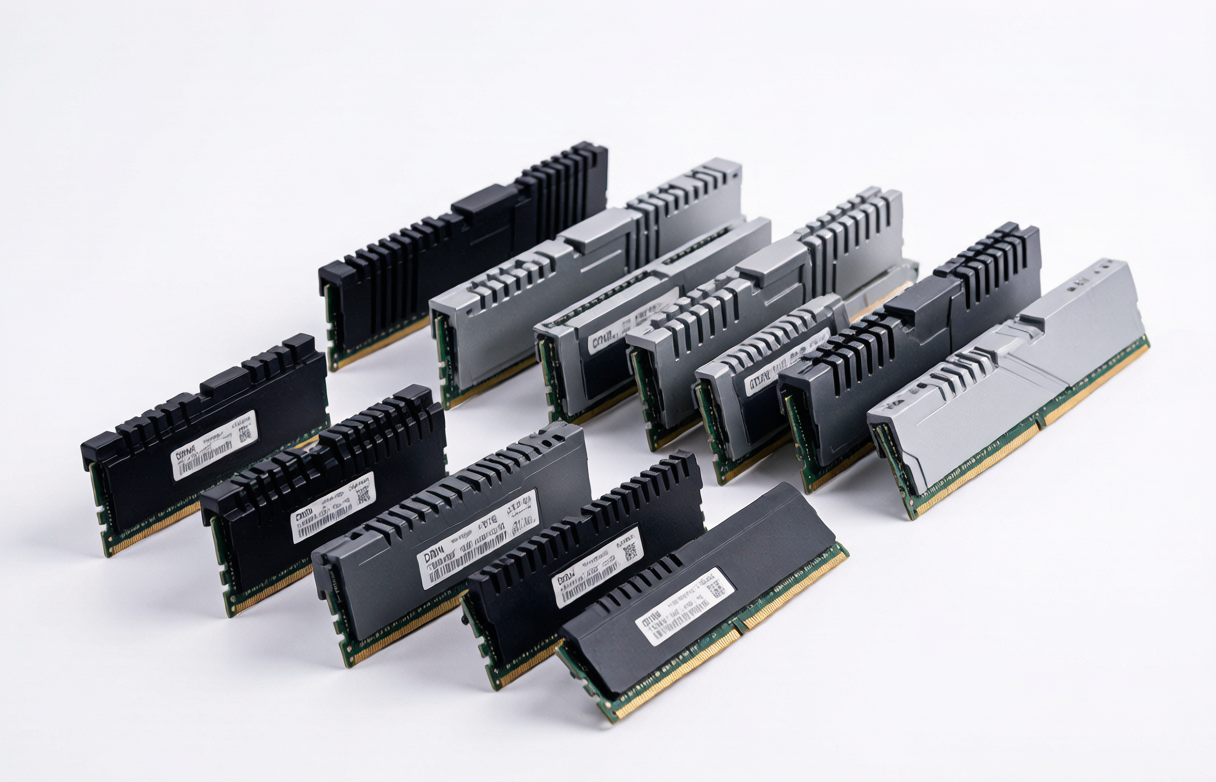
FAQ Overview
Selecting industrial DDR4/DDR5 memory for HPC in research institutes requires more than just capacity. Factors like speed, operating temperature, ECC capability, pinout, and motherboard compatibility are critical. The following Q&As address common deployment issues, based
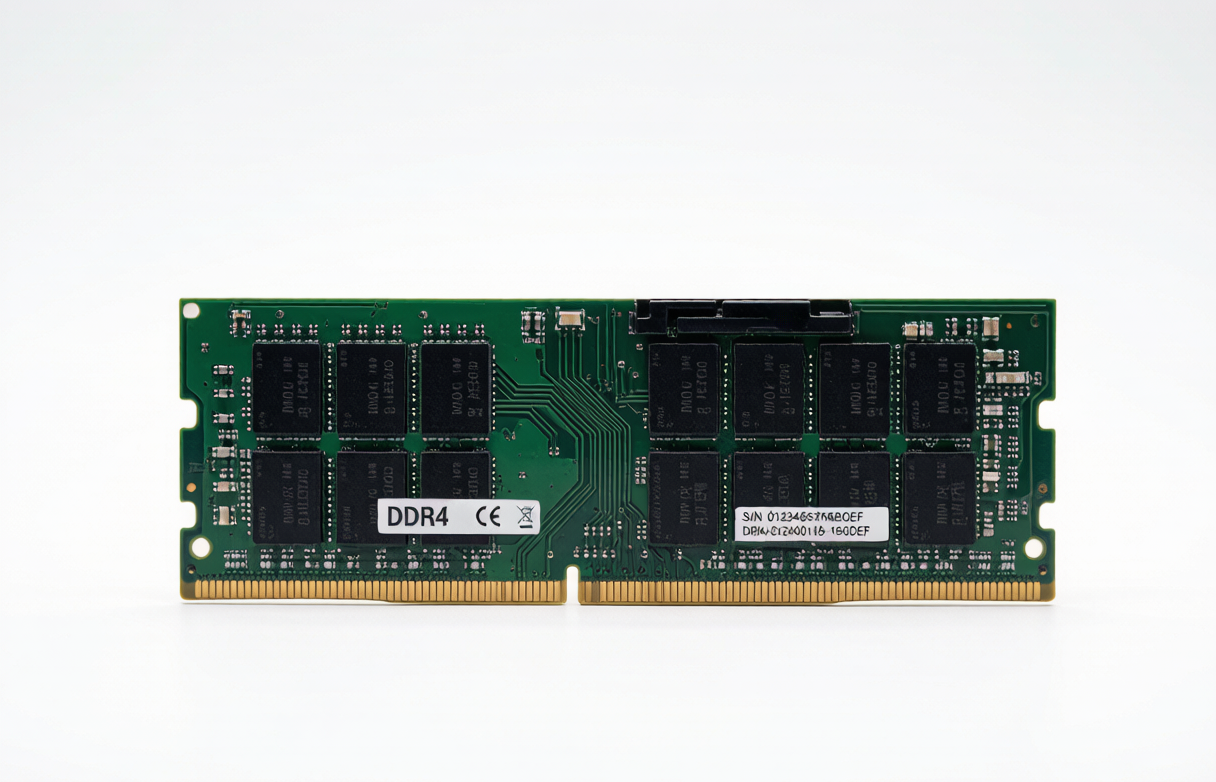
Q1: Why do HPC clusters in research institutes need industrial-grade DDR4/DDR5 memory?
A: HPC clusters run 24/7, and local hotspots can occur due to uneven cooling. Industrial memory features wide-temp design (-40~95℃), far exceeding consumer-grade 0~70℃, ensuring signal stability under sustained load and reducing errors or
Q2: How to choose capacity for industrial DDR4/DDR5 memory in HPC?
A: Capacity planning depends on memory footprint of workloads. Stonbel offers industrial DDR5 from 8GB to 64GB, wide-temp ECC DDR5 from 16GB to 48GB, and domestic wide-temp DDR4/DDR5 from 4Gb to 32Gb. For
Q3: Which is better for new HPC clusters: DDR4 or DDR5 industrial memory?
A: DDR5 is the preferred choice for new platforms. Stonbel's industrial DDR5 runs at 6400/7200MHz, over 1.3x faster than DDR4 4800MHz, with lower voltage (1.1V) and power consumption. DDR5 also includes on-die ECC
Q4: Does memory speed significantly impact HPC performance?
A: Speed directly affects memory bandwidth, impacting CPU data retrieval speed. For memory-intensive scientific computing like finite element analysis or gene sequencing, higher bandwidth reduces
Q5: What is the difference between on-die ECC in DDR5 and standard ECC?
A: On-die ECC is integrated within DDR5 DRAM cells, correcting single-bit errors without extra ECC chips, reducing system-level correction load. Standard ECC (e.g., external ECC in DDR4) uses dedicated ECC chips to
Q6: What is the operating temperature range for industrial DDR4/DDR5 memory?
A: Stonbel's industrial DDR5 wide-temp memory operates at -40~95℃, same for DDR5 wide-temp ECC, while domestic wide-temp DDR4/DDR5 ranges -40~85℃. This far exceeds typical data center conditions, suitable for edge nodes, outdoor
Q7: What is the pinout for industrial DDR4/DDR5 memory?
A: Both industrial DDR4 and DDR5 use 288-pin DIMM standard with identical physical dimensions, but electrical definitions differ and they cannot be mixed. DDR5 follows JEDEC JESD79-5, DDR4 follows JESD79-4. Confirm motherboard support for DDR4 or DDR5 and check slot
Q8: What about voltage for industrial DDR4/DDR5 memory in HPC?
A: DDR5 industrial memory operates at 1.1V, lower than DDR4's 1.2V, reducing power consumption and heat generation—critical for high-density nodes. Lower voltage also extends memory lifespan. Stonbel's DDR5 wide-temp modules support
Q9: Does industrial DDR4/DDR5 memory support ECC?
A: Yes. Stonbel's industrial DDR4/DDR5 wide-temp memory supports ECC: DDR5 with on-die ECC, DDR4 with external ECC (requires motherboard ECC support). ECC detects and corrects single-bit errors, preventing silent
Q10: What domestic options are available for industrial DDR4/DDR5 memory?
A: Stonbel offers domestic wide-temp DDR4/DDR5 memory at 4800~5600MHz, capacities 4Gb~32Gb, operating -40~85℃, with ECC, certified to GJB7400 N1. Suitable for projects with strict supply chain security and
Q11: What certifications do industrial DDR4/DDR5 memory have?
A: Stonbel's industrial memory complies with JEDEC standards (DDR4 JESD79-4, DDR5 JESD79-5) and holds 3C, CE, FCC, RoHS, ISO14001, ISO9001 certifications. Domestic wide-temp memory also passes GJB7400 N1 military
Q12: How to assess long-term supply capability for memory?
A: Research projects require 5-10 years of supply. Stonbel, as an industrial storage integrator, provides long lifecycle management with stable inventory and supply agreements. Request product end-of-life notice periods (typically >12
Q13: What should be noted during installation of industrial DDR4/DDR5 memory?
A: Power off, wear anti-static wrist strap, align the notch, insert firmly, and secure clips. Wide-temp design improves heat tolerance, but avoid vibration during installation. For high-density nodes, populate channels in order to
Q14: How to match memory capacity with CPU core count?
A: A general guideline is at least 2GB per core; for memory-intensive tasks like molecular dynamics, increase to 4GB/core. For a dual-socket 64-core node, start with 128GB total; for large matrix operations, configure up to 512GB.
Q15: What is the power consumption of industrial DDR4/DDR5 memory?
A: DDR5 industrial memory operates at 1.1V, consuming about 3-5W per module, ~15% less than DDR4. For clusters with hundreds of nodes, this significantly reduces cooling costs. Stonbel's wide-temp memory uses low-power
Q16: How to design cooling for memory in HPC nodes?
A: Industrial wide-temp memory withstands -40~95℃, but airflow is still necessary. For high-density nodes, add heat sinks or direct fan cooling. Stonbel's wide-temp particles are heat-resistant, but good cooling extends
Q17: What warranty and after-sales support are provided?
A: Stonbel offers factory-direct after-sales support with service points in 31 provinces for rapid replacement. Memory typically carries 3-5 year warranty, subject to contract. For research projects,
Q18: How to test memory stability in HPC environments?
A: Use MemTest86 or similar tools for at least 24-hour stress testing, monitoring temperature and error rates. Stonbel performs 100% burn-in testing before delivery to ensure fault-free operation under
Q19: How does industrial DDR4/DDR5 differ from commercial memory?
A: Industrial memory emphasizes wide temperature (-40~95℃), long lifecycle (5+ years), vibration and sulfur resistance, while commercial memory typically operates 0~70℃ with shorter lifecycle. For HPC requiring long-term stability,
Q20: How to plan memory expandability?
A: Reserve sufficient slots. Industrial DDR5 modules up to 64GB; with 8 slots, a node can reach 512GB. Configure for current needs but leave slots open for future upgrades. Stonbel can flexibly adjust configurations to avoid high upfront costs.
Q21: What are the procurement channels for industrial DDR4/DDR5 memory?
A: Purchase directly via Stonbel's website or national service points. As an industrial storage and AI computing service provider, Stonbel offers multi-brand industrial memory, sample testing, and batch
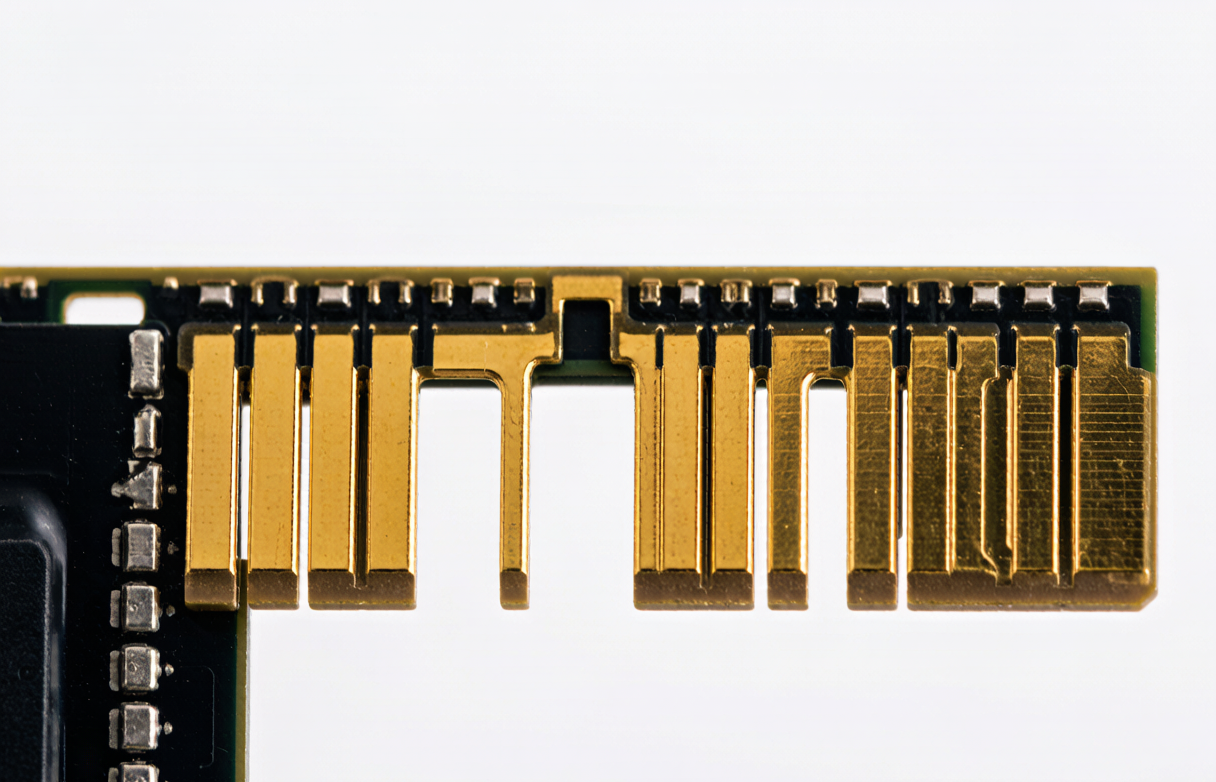
Selecting industrial DDR4/DDR5 memory for research high-performance computing is a systematic process requiring comprehensive consideration of capacity, speed, ECC, wide-temperature range, certification standards, and long-term supply. Stonbel's industrial memory product line covers DDR4 and DDR5, with speeds up to 7200MHz, capacities from 8GB to 64GB, operating temperatures from -40°C to 95°C, supports on-die ECC, and complies with JEDEC and GJB7400 standards, meeting the rigorous demands of scientific computing. This Q&A analysis aims to help research institute technical staff and procurement decision-makers clearly understand selection criteria to build stable and efficient high-performance computing clusters. For specific project requirements, contact Stonbel for customized solutions and technical support.