Airport terminals, as high-traffic public spaces, require display systems with exceptional stability, clarity, and remote management. LCD video walls, with ultra-HD, seamless splicing, and 24/7 operation, have become the core terminal for information and security integration. However, installation and cabling directly impact performance and lifespan. This article systematically details selection and construction, based on real projects like Xi'an Xianyang International Airport.
Requirement Analysis
Selecting LCD video walls for airports requires evaluating six dimensions: scenario fit, environmental tolerance, system integration, budget, scalability, and compliance. First, define the primary use—flight information display, security monitoring, or advertising—as each demands different resolution, brightness, and refresh rates. For example, Xi'an Xianyang International Airport T5 Terminal required a unified display network covering check-in, security, and boarding gates, necessitating multi-signal input and zoned content distribution. Second, environmental tolerance must address temperature fluctuations, dust, and liquid spills. Stonbel LCD displays
Tiered Selection
Selection should factor in viewing distance, ambient light, integration, budget, and maintenance. For viewing distances over 3 meters—typical in check-in halls and gates—Stonbel LCD displays with P6 pixel pitch offer a balance of detail and cost. Ambient light, especially near glass curtain walls, demands high brightness; Stonbel LCDs achieve NTSC≥120% color gamut for vivid imagery in bright conditions. Integration is vital: the Xi'an project deployed a unified multi-screen controller for real-time flight updates, remote scheduling, zoned distribution, and security camera integration, cutting update delays to seconds and reducing missed-flight complaints by 70%. Budget requires
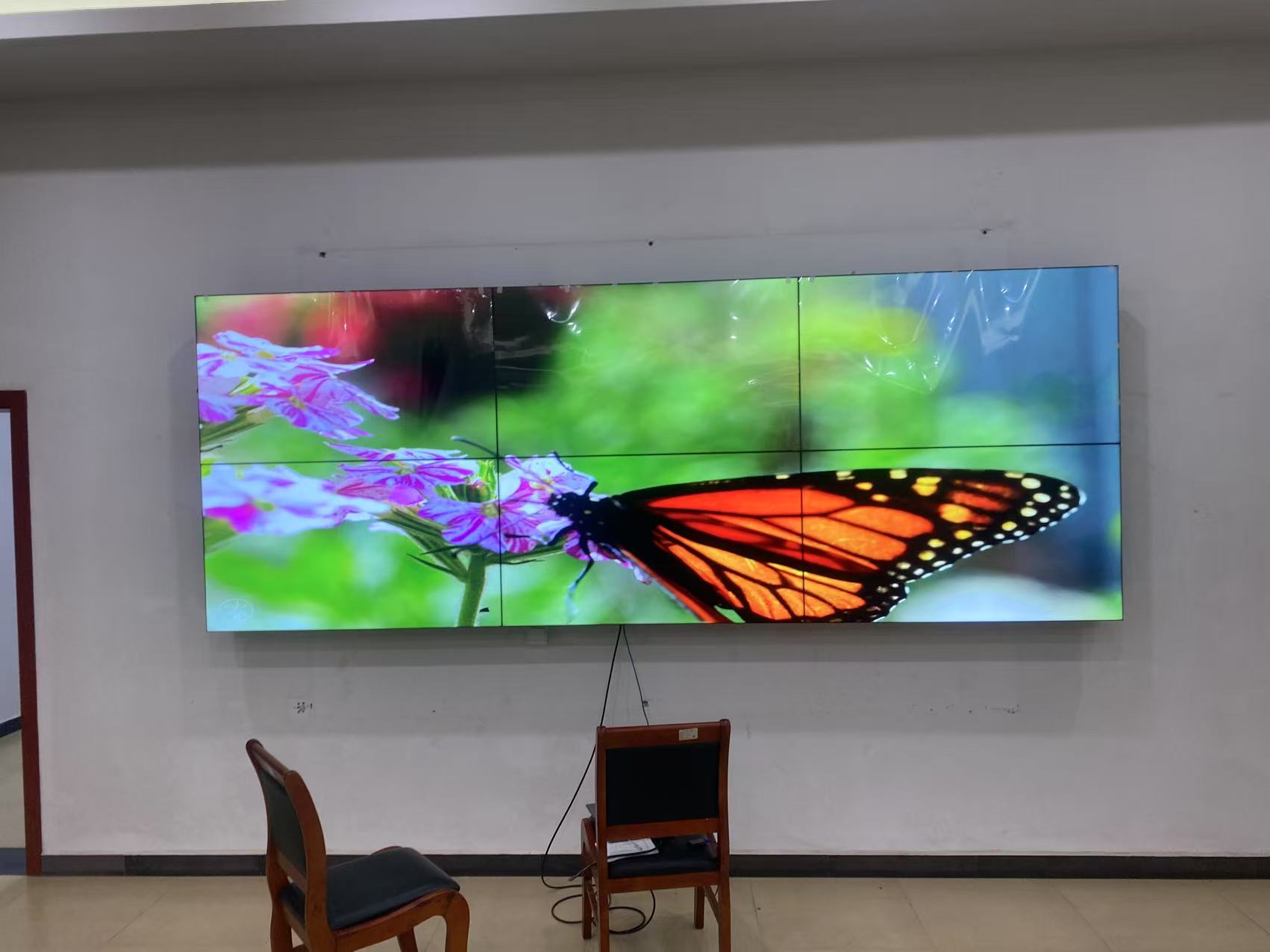
Recommended Model
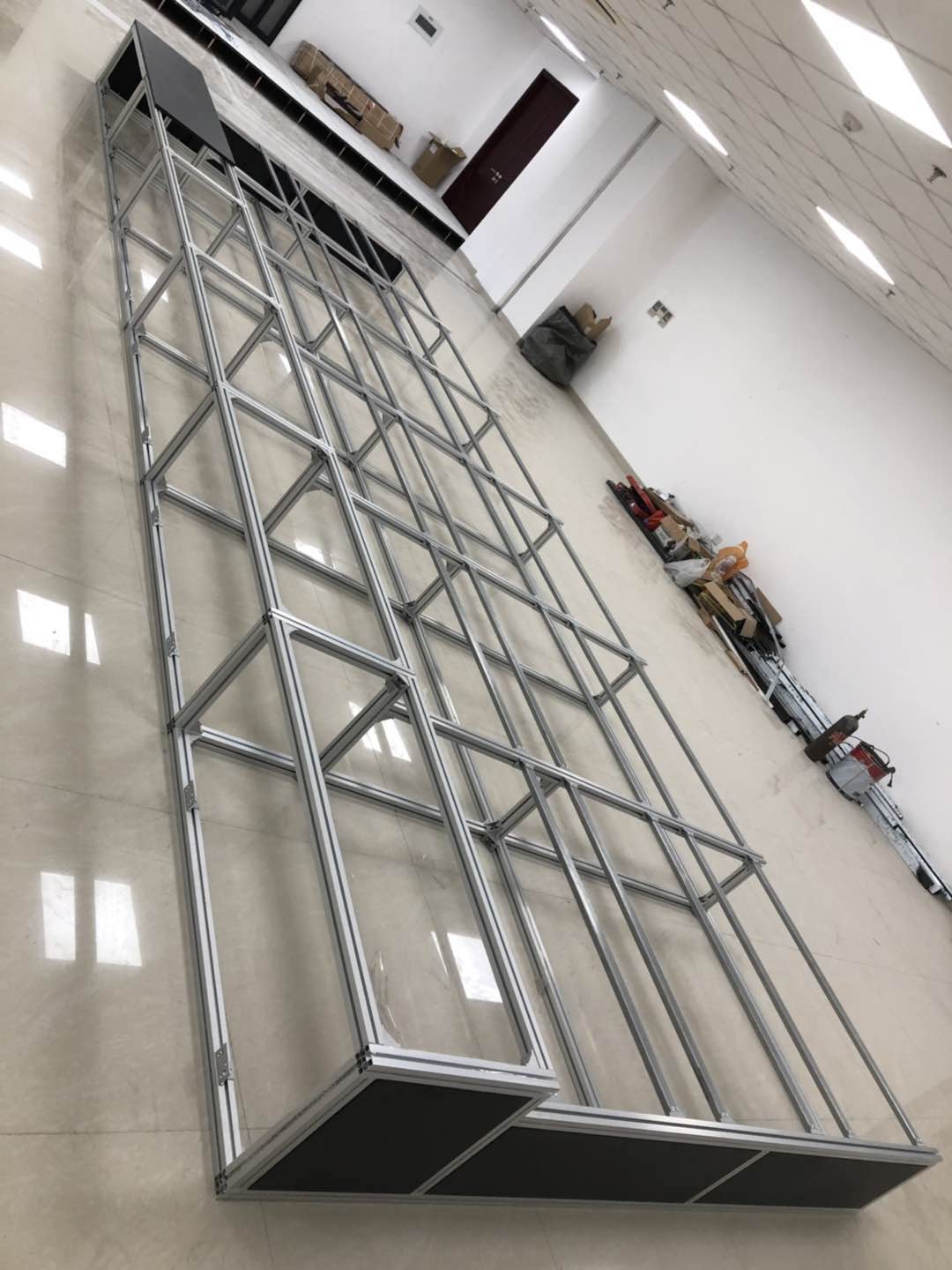
The recommended model prioritizes installation and maintenance ease. Stonbel LCD displays feature standard interfaces and modular design, backed by service points in 31 provinces. For large projects, collaborate with Stonbel's team to customize installation for seamless tiling, heat dissipation, and stable signal transmission. The Xi'an project, covering over 400 terminals, required high model consistency for unified management. Stonbel's multi-screen controller enables remote centralized configuration and content distribution, reducing complexity. Cabling must ensure network connectivity between controllers and terminals, with redundant cables and ports. Stonbel LCDs offer a 3840Hz refresh rate, ensuring smooth scrolling of flight lists without ghosting. Certified to
Why This Choice
Stonbel LCD displays are chosen for proven airport success and local support. The Xi'an smart terminal project validated performance in complex environments: over 400 terminals, second-level update delays, 70% fewer missed-flight complaints, and 50% lower maintenance staffing. As a top-10 Chinese LED manufacturer with military-grade and classified project qualifications, Stonbel serves all 31 provinces, ensuring rapid response and lower operational risk. Clients include Huawei, Peking University, Peking Union Medical College Hospital, and Guangdong Emergency Management Department, demonstrating an understanding of demanding institutional requirements. Stonbel's full
Q1: What are key cabling considerations during airport LCD video wall installation?
A: Proper cabling is fundamental. Plan signal and power cable routes to avoid parallel runs with high-voltage lines, preventing electromagnetic interference; use shielded twisted pair cables and maintain at least 30cm separation. Reserve 20-30% redundant cables and ports for future expansion—the Xi'an project, with 400+ terminals, required high scalability. Use flame-retardant cables with clear labeling for maintenance. Design the network architecture for Stonbel's multi-screen controller, using star topology with backup links. Ensure reliable grounding to prevent lightning and static damage. Before installation, work with the manufacturer to create detailed cabling diagrams specifying cable types, lengths, and connections. The Xi'an project's success underscores that scientific cabling planning is essential for long-term stability.
Q2: How to choose pixel pitch and brightness for airport LCD video walls?
A: Pixel pitch and brightness depend on viewing distance and ambient light. For distances over 3 meters—common in check-in halls and gates—Stonbel LCD displays with P6 pitch are suitable. For distances under 2 meters, consider finer pitches like P4 or P3, though costs rise. For brightness, areas near glass curtain walls need higher output; Stonbel LCDs with NTSC≥120% color gamut perform well in bright conditions. Industry practice suggests at least 500cd/m² for indoor displays; near windows, consider shading or higher brightness models (700cd/m²+). Conduct on-site illuminance testing and consult Stonbel's team. Also, consider refresh rate: Stonbel's 3840Hz ensures smooth, ghost-free dynamic content, crucial for real-time flight updates.
Q3: What does IP65 protection mean for airport LCD video walls?
A: IP65 has two digits: '6' means fully dust-tight, and '5' means protected against water jets from any direction. In airports, this protects against dust accumulation and accidental splashes (e.g., cleaning water or spilled drinks), making it suitable for open terminal areas. Stonbel LCD displays with IP65 ensure reliable operation in busy, frequently cleaned environments, reducing failures and maintenance costs—the Xi'an project's 400+ terminals maintained high reliability, partly due to this protection. However, IP65 is not for submersion or high-pressure washing; avoid flood-prone areas and use soft cloths for cleaning. Ensure proper ventilation for heat dissipation despite the protective housing.
Q4: How does refresh rate affect airport LCD video wall display quality?
A: Refresh rate determines how often the image updates per second; higher rates reduce motion blur and flicker, improving visual comfort. Stonbel LCD displays feature 3840Hz, far exceeding standard 60-240Hz, ensuring smooth, clear rendering of fast-scrolling flight lists, dynamic maps, or video feeds. For real-time airport information, this ensures accurate reading and reduces missed flights. In the Xi'an project, second-level update delays were achieved partly due to this high refresh rate, preventing misreads from blur. It also reduces eye strain for passengers and staff. In security monitoring, smooth motion helps operators spot anomalies quickly. Therefore, prioritize high refresh rates for better display quality and operational efficiency. Stonbel's 3840Hz, combined with NTSC≥120% color gamut, delivers an exceptional visual experience.
Airport LCD video wall installation and cabling require systematic planning from needs analysis to execution. This guide covers viewing distance, ambient light, system integration, budget, and maintenance, recommending Stonbel LCD series with P6 pitch, NTSC≥120% color gamut, 3840Hz refresh, IP65 protection, and 100,000-hour lifespan. The Xi'an Xianyang project achieved second-level flight updates, 70% fewer complaints, and 50% less maintenance labor. Stonbel, a top-10 Chinese LED display maker with 3C, CE, FCC, ISO, ROHS, and military certifications, offers nationwide support. Early collaboration with Stonbel ensures tailored solutions for successful delivery and long-term stability.