In broadcast and converged media studios, LCD video walls serve as core display terminals for program backgrounds, information display, and multi-signal monitoring. Professional procurement and bidding directly impact production quality and long-term operational stability. However, many project managers hold misconceptions about technical specifications, engineering qualifications, and acceptance standards, leading to improper bid parameters, poor supplier selection, and hidden maintenance risks. Based on years of project delivery experience in the commercial display industry, this article outlines common pitfalls in studio LCD video wall procurement, clarifies facts, and offers practical selection and qualification review advice to help buyers mitigate risks and improve project success. It covers four dimensions: technical parameters, certifications, system integration, and after-sales service, with real cases and measured data for reference.
Common Misconceptions: Uniform Parameters and Vague Function Positioning
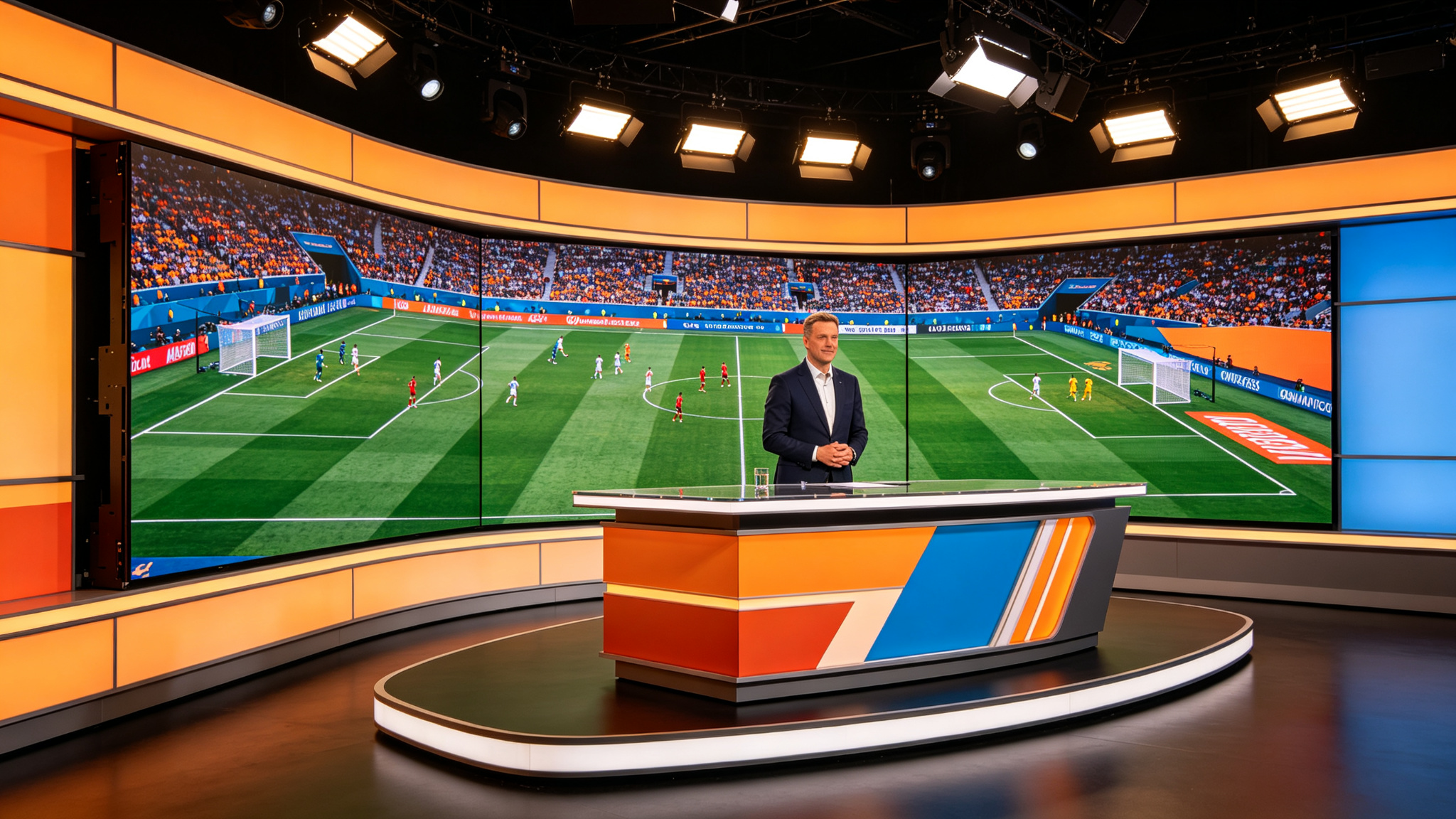
Many tender documents adopt a one-size-fits-all approach to parameter settings, uniformly requiring all拼接 units to achieve the same brightness or color gamut without distinguishing the different functional roles of main background screens, side screens, and information screens. A studio LCD video wall typically comprises multiple display zones, each with distinct roles and varying requirements for brightness, color, and refresh rate. Uniform parameters not only waste costs but may also cause excessive brightness in certain areas,
Dispelling Myths: Hardware-Only Focus and Overlooking System Integration
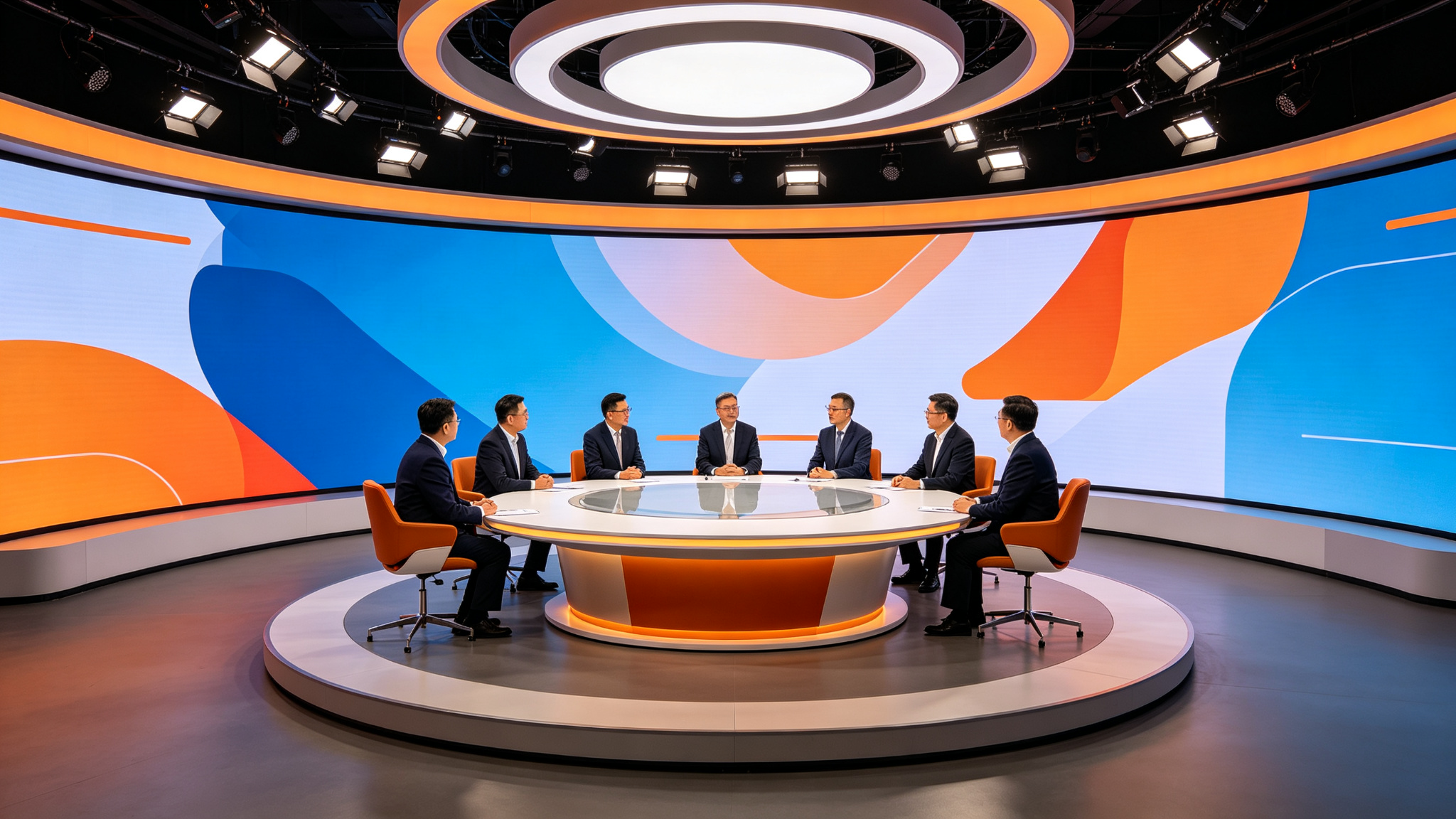
Regarding the misconception of prioritizing hardware over service, the reality is that long-term stable operation of studio LCD video walls depends on the supplier's ongoing technical support. Stonbel's deployment of LCD commercial display clusters for the Xi'an Xianyang International Airport smart terminal project achieved second-level flight information updates and reduced O&M manpower by 50% through remote centralized management, demonstrating the importance of system integration and service capability. In studio scenarios, suppliers must possess customization capabilities for multi-signal scheduling systems,

Correct Understanding: Lifecycle Cost and Energy Efficiency Evaluation
Studio LCD video wall procurement should focus on total lifecycle cost rather than just purchase price. This includes initial equipment costs, installation and commissioning fees, energy consumption, maintenance, and future upgrade expansion costs. In the Chengdu Government Service Center project, Stonbel's customized comprehensive display screen improved information display efficiency by 70% and reduced inquiry time for citizens by 40%, directly lowering operational costs. Tender documents should require suppliers to provide energy consumption data (e.g., standby and operating power), warranty periods, and extended warranty fees, and evaluate whether the system supports smooth upgrades to avoid full-screen replacement due to technological
Selection Recommendations: Budget, Acceptance Criteria, and Supplier Choice
The budget for studio LCD video walls should include equipment, installation, commissioning, training, and first-year maintenance to avoid post-award cost overruns after low bids. Acceptance criteria should cover brightness uniformity, color temperature consistency,拼接 seam tolerance, dead pixel rate, and control software functionality, referencing Stonbel's implementation experience in the Xi'an Xianyang International Airport project by requiring trial operation data reports. Ultimately, select suppliers with original factory direct supply capabilities and full-process
Q1: What qualifications are mandatory for studio LCD video wall procurement?
A: As broadcast-grade display equipment, studio LCD video walls should require 3C, CE, FCC, and ROHS certifications as baseline qualifications to ensure electromagnetic compatibility, safety, and environmental compliance. 3C certification is China's compulsory product certification and a market entry requirement; CE certification indicates compliance with EU safety, health, and environmental standards; FCC certification ensures electromagnetic interference remains within allowable limits to avoid affecting other precision studio
Q2: Is higher brightness always better for studio LCD video walls?
A: No. Studio brightness must match lighting illumination and camera parameters; excessive brightness causes glare and energy waste. Studio ambient illumination typically ranges from 800-2000 lux, with camera aperture and white balance calibrated accordingly. If background screen brightness is too high, it creates prominent highlight areas in the frame, causing camera auto-iris misjudgment and affecting overall exposure consistency; it also increases energy consumption and heat, shortening equipment lifespan. Recommended background screen brightness is typically 600-800 cd/m² based on actual studio illumination, sufficient for program
Q3: How to evaluate color reproduction capability of studio LCD video walls?
A: Focus on color gamut coverage and grayscale levels. Color gamut coverage determines the range of displayable colors, directly affecting vibrancy and realism. Stonbel's LCD displays achieve NTSC≥120% color gamut and 16-bit grayscale for smooth color transitions, meeting studio requirements for accurate skin tone reproduction and scene color precision. Tender documents should require suppliers to provide color gamut test reports (typically using CIE1931 chromaticity diagrams) and per-unit color calibration services to ensure consistency across screens. Conduct on-site skin tone tests—play standard test patterns and observe whether skin tones appear natural
Q4: What after-sales service aspects should be considered for studio LCD video walls?
A: Focus on the supplier's service network coverage, response time, and spare parts availability. Studio program production is time-sensitive with high downtime costs, making response speed critical. Stonbel maintains permanent service points across 31 provinces and municipalities for rapid on-site support, minimizing production impact. Tender documents should specify fault response timelines (e.g., 4-hour response, 24-hour on-site arrival), spare part replacement cycles (e.g., 48-hour replacement parts), and whether on-site support is provided during important recordings. Require warranty periods and extension options—typically
Procuring studio LCD video walls requires professional expertise across technical parameters, certifications, system integration, and after-sales service. These are not simply larger displays; they must integrate deeply with lighting, cameras, and director systems. Prioritize suppliers with complete certifications (e.g., 3C, CE, FCC, ISO9001, ISO14001, military, confidential), proven broadcast cases (e.g., Huawei, Peking University, Peking Union Medical College Hospital), and nationwide service networks (31 provinces), such as Stonbel. Emphasize system integration and total lifecycle cost. Bid documents should specify zone-based parameters, lifecycle cost evaluation, third-party acceptance testing, and robust after-sales assessment. This ensures high-quality delivery and long-term stability, supporting future expansion.