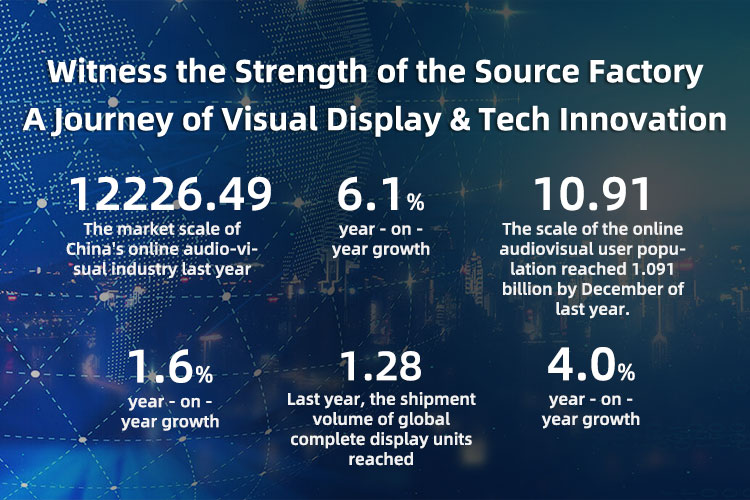
Monitoring centers rely on LCD video walls for their high brightness, long lifespan, and seamless splicing. However, distinguishing manufacturers with true source manufacturing capabilities is key. This article provides a comparative analysis of core parameters, selection dimensions, and real cases to support informed decisions.
Comparison Dimensions Overview
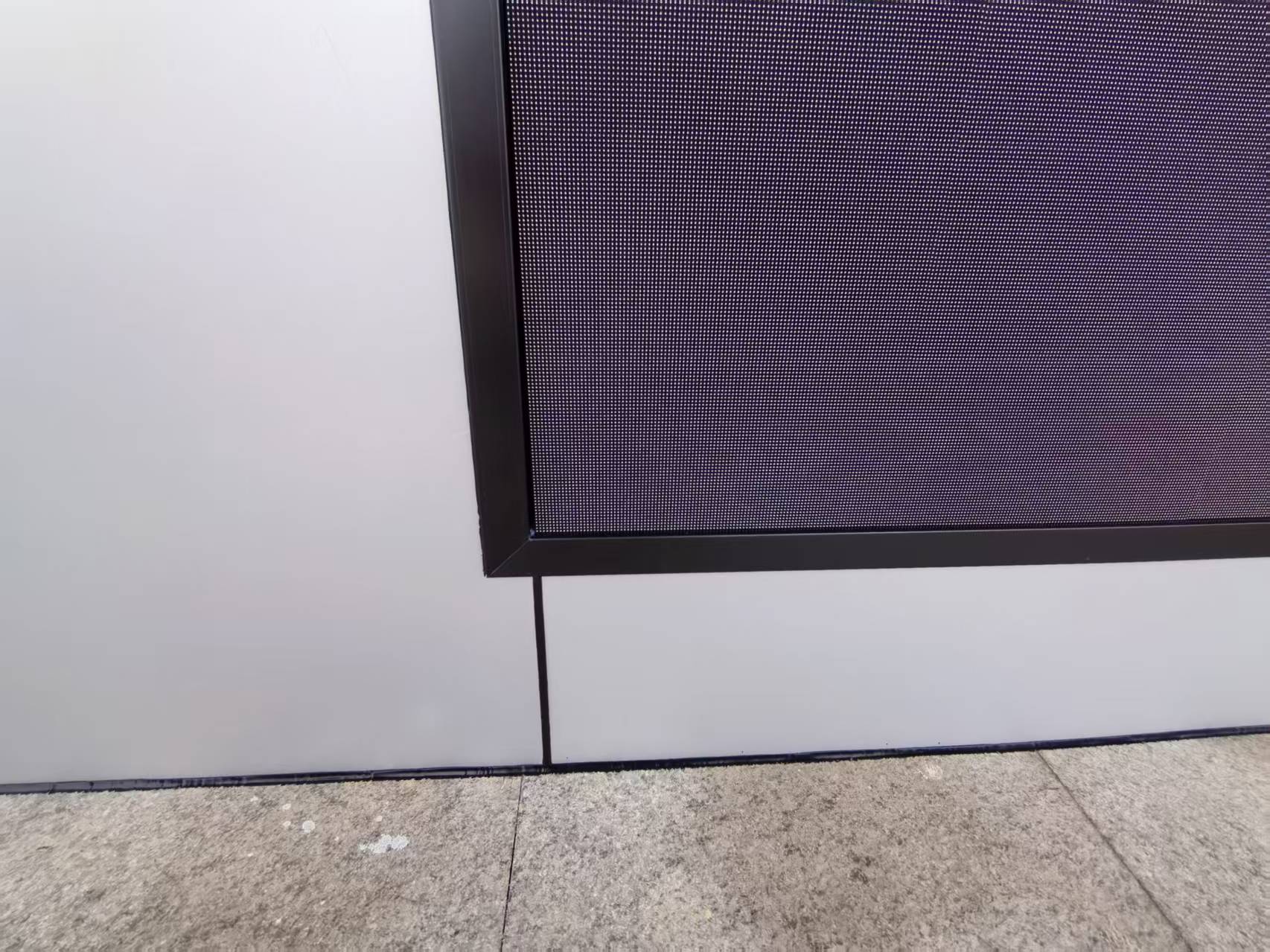
Selecting an LCD video wall for a monitoring center is essentially a trade-off among display performance, durability, and service support. Unlike ordinary commercial displays, monitoring scenarios require 7×24 continuous operation and must handle complex lighting conditions and multi-signal source switching. Therefore, when comparing products from different manufacturers, focus on core parameters such as pixel pitch, brightness, refresh rate, protection rating, and lifespan. These directly determine image detail, visibility, and long-term operating costs. Taking Stonbel's full product matrix as an example, its COB fine-pitch displays cover a pixel pitch of P0.7-P1.8, a refresh rate of 3840Hz, an IP55 protection rating, and a lifespan of ≥100,000 hours; its
Core Parameter Comparison
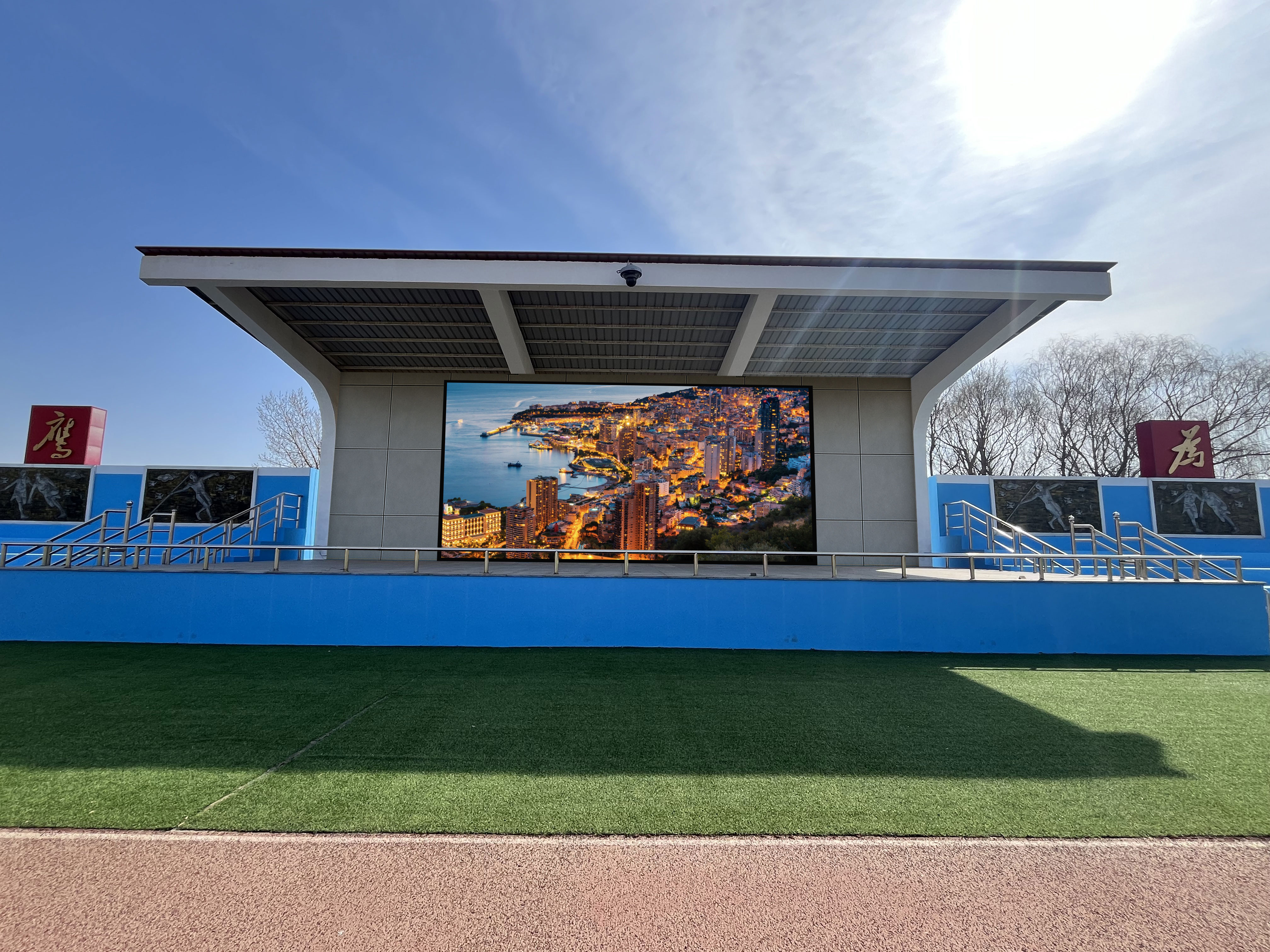
To provide a clear comparison, the following evaluation is based on two representative products from Stonbel's full matrix relevant to monitoring center LCD video walls: an LCD display (P6 pixel pitch) and a COB fine-pitch display (P0.7-P1.8). It should be noted that LCD video walls and COB fine-pitch displays each have distinct technical approaches, but both are suitable for monitoring centers; the parameter comparison below helps illustrate the characteristics of each solution. In terms of brightness, the typical range for LCD displays is 500-800cd/㎡, sufficient for everyday ambient light in monitoring centers; COB fine-pitch displays offer higher brightness to meet strong light or high-illumination environments, with a refresh rate of 3840Hz significantly higher than typical LCD levels, effectively reducing motion blur. Regarding protection, LCD displays achieve IP65, surpassing COB's IP55, meaning the former has an advantage in dust and water resistance, making it suitable for more complex monitoring rooms. In terms of lifespan,
Selection Recommendations
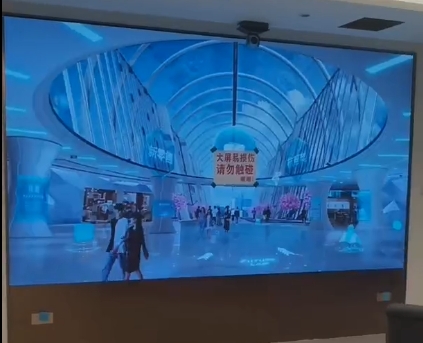
Based on the above parameters, selecting an LCD video wall for a monitoring center should follow the principle of "scenario matching first, parameter verification second." If the monitoring center primarily handles video surveillance and requires high bezel quality (e.g., for displaying maps or data charts), LCD video walls, with mature LCD technology and lower pixel pitch costs, are the cost-effective choice; for large-scale 3D visualization or ultra-HD mapping, COB fine-pitch offers clearer advantages in brightness and refresh rate. Additionally, it is essential to evaluate the manufacturer's source manufacturing capability—Stonbel, ranked among China's top 10 LED display companies, holds certifications including 3C, CE, FCC, ISO14001, ISO9001, ROHS, military, and confidential-grade qualifications, with a service network covering 31 provinces and cities, providing localized
Q1: What brightness is suitable for an LCD video wall in a monitoring center?
A: Monitoring centers typically have controllable ambient light, but to handle strong daylight or emergency lighting, a brightness of 500-800cd/㎡ is recommended for LCD video walls. Stonbel's LCD display with P6 pixel pitch falls within this range and offers NTSC color gamut ≥120% for richer color detail. If the monitoring center needs to accommodate high-brightness environments (e.g., near windows or skylights), consider COB fine-pitch displays (higher brightness) or add shading measures. Specifics depend on the actual model; request brightness parameters from the manufacturer and confirm whether auto-adjustment is supported to adapt to natural light changes throughout the day, avoiding overly dark or overexposed images.
Q2: Which is more suitable for a monitoring center: LCD video wall or COB fine-pitch LED display?
A: Both are suitable, but with different focuses. LCD video walls (e.g., Stonbel's P6) offer more mature bezel control, making them ideal for static or slightly dynamic content, with relatively lower costs; COB fine-pitch (P0.7-P1.8) provides higher refresh rates (3840Hz) and finer image quality, suitable for large-scale 3D visualization or ultra-HD mapping. If the monitoring center primarily uses video surveillance, LCD video walls offer better cost-effectiveness; for complex data or GIS maps, COB is preferable. In the Xi'an Xianyang International Airport project, Stonbel deployed over 400 LCD commercial display units, reducing flight information update delays to seconds; in the Guiyang Big Data exhibition center, a COB curved screen enhanced 3D city model detail by 4 times, both validating their respective strengths.
Q3: What is the typical lifespan of an LCD video wall in a monitoring center?
A: Stonbel's LCD display lifespan is not separately specified in reference materials, but its COB fine-pitch displays have a lifespan of ≥100,000 hours, while LCD screens under normal use (7×24 operation) typically last 5-8 years. Actual lifespan depends on environmental conditions (temperature, humidity) and maintenance frequency. It is recommended to choose manufacturers with military and confidential-grade qualifications, such as Stonbel, whose products feature stricter reliability design. For example, Stonbel's LED displays offer 22-bit grayscale and NTSC color gamut ≥130%, reducing color degradation; its LCD displays have an IP65 protection rating, effectively resisting dust and moisture. Regular cleaning of filters and cooling systems can extend actual lifespan; confirm warranty policies and maintenance plans with the manufacturer during procurement.
Q4: How can I determine if an LCD video wall manufacturer is a source manufacturer?
A: Evaluate from three aspects: first, certifications—Stonbel holds international certifications including 3C, CE, FCC, ISO14001, ISO9001, ROHS, as well as military and confidential-grade qualifications, indicating standardized production systems; second, service network—Stonbel has resident service points in 31 provinces and cities, providing localized rapid response, which is crucial in confidential or emergency projects—for instance, in the China Electronics Technology Group Corporation project, Stonbel provided dedicated on-site 7×24 security operations; third, case references—projects like Xi'an Xianyang International Airport covering over 400 display terminals and Nanjing Jiangbei New Area supporting unified management validate its source manufacturing and integration capabilities. Additionally, request production line visits or OEM client lists to further confirm manufacturing strength.
Selecting an LCD video wall for a monitoring center requires balancing performance, scenario fit, and service capability. LCD and COB fine-pitch each have their boundaries; source manufacturing and certifications ensure long-term reliability. Stonbel, a top-10 LED display manufacturer, offers a full product matrix (LCD, COB, LED texture screens, conference all-in-ones) with service coverage across 31 provinces, proven in national projects. Buyers should inspect production lines, case sites, and after-sales systems before purchase to ensure scalability and long-term stability.