With the acceleration of campus informatization, the demand for large-screen displays in auditoriums, lecture halls, gyms, and school history museums has grown rapidly. Many low-voltage integrators and AV contractors often treat campus COB fine-pitch displays and LED video walls as opposing options, or mistakenly believe that COB is only suitable for high-end command centers, not campus budgets. In reality, both have their applicable scenarios. When combined properly, they can enhance display performance while controlling costs. This article reviews common industry misconceptions, provides corrections and selection advice based on real project experience, and helps contractors avoid pitfalls.
Common Industry Misconceptions
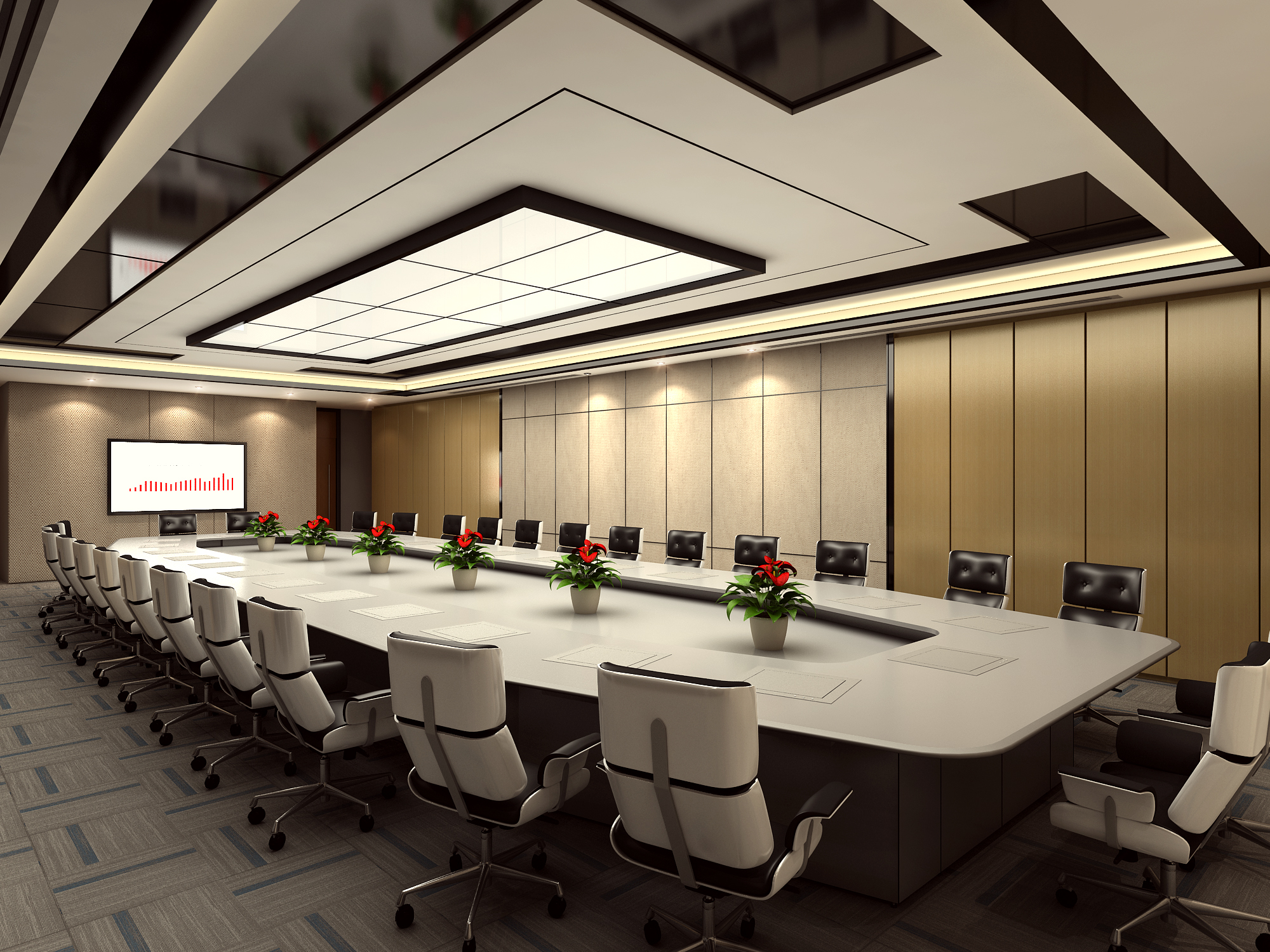
In campus display projects, integrators often hold misconceptions about COB fine-pitch displays and LED video walls. First, many believe COB fine-pitch is only for high-end government or enterprise use and too costly for schools. This leads them to recommend traditional LED walls, which show visible pixelation and seams in close-viewing settings like lecture halls and meeting rooms. In reality, campus needs vary widely—from outdoor bleachers to indoor auditoriums—each with different requirements for clarity, protection, and lifespan. Second, some treat LED video walls as a cheap substitute for COB, assuming one can replace the other. This either/or thinking ignores the complexity of campus projects, where a school may need both high-clarity indoor screens and weather-resistant outdoor displays. Third, there is a belief that high specs alone ensure
Clearing Up Each Misconception
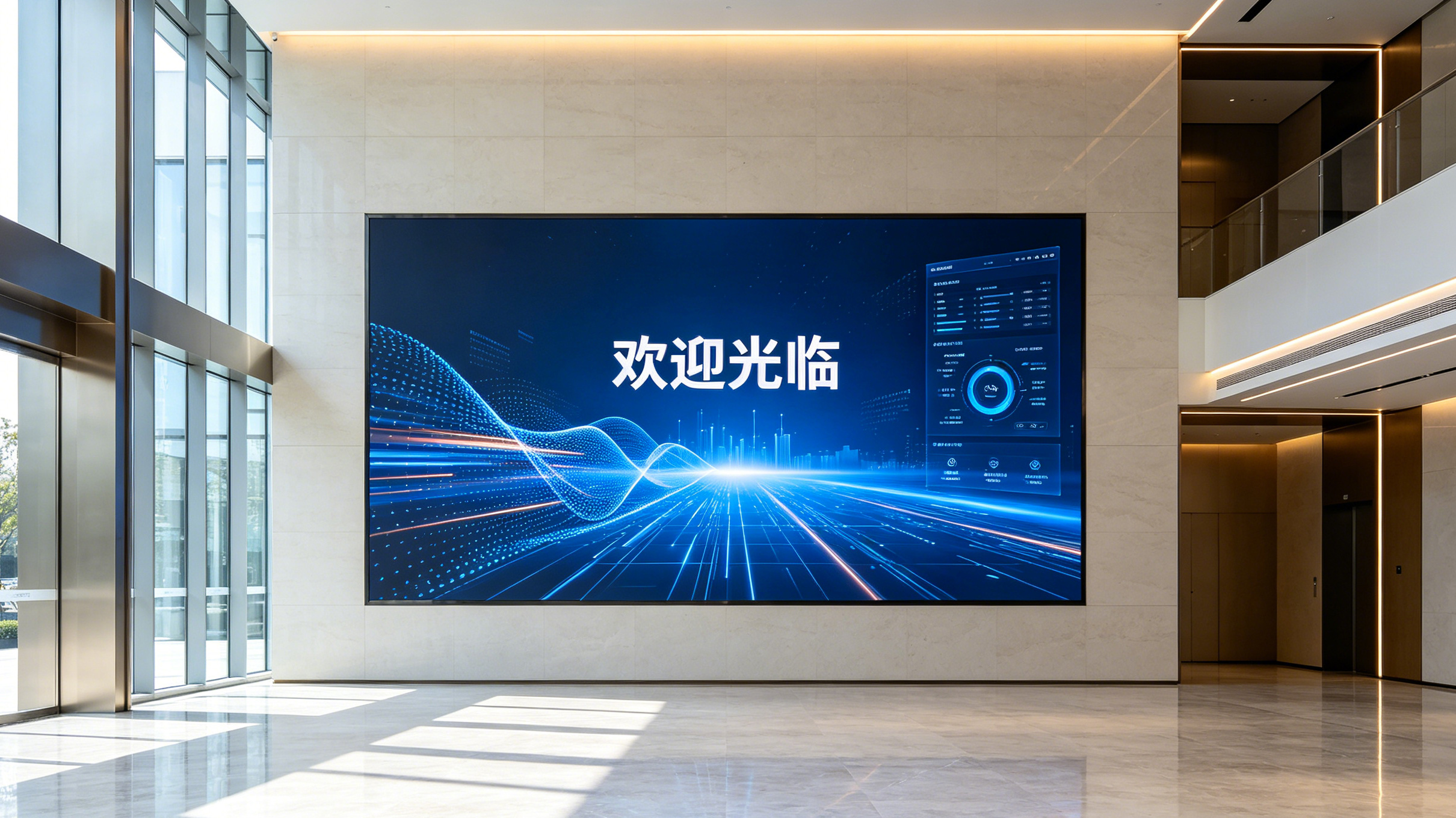
Regarding the cost concern, actual project costs tell a different story. COB fine-pitch displays cover P0.7-P1.8, with P1.5 and P1.8 models now priced close to traditional SMD fine-pitch for indoor auditoriums and meeting rooms, while offering better image quality and protection. For example, a university multi-function hall using P1.5 COB costs only about 15% more per square meter than SMD, but delivers a 3840Hz refresh rate, no scan lines in photos, and IP55 protection, reducing maintenance frequency. Over three years, COB proves more cost-effective. As for the idea that LED walls can replace COB, the technical difference is clear: LED walls have physical seams that disrupt maps, tables, and text, while COB uses chip-level packaging for a seamless module, ideal for teaching materials and monitoring feeds. COB also lasts over 100,000 hours, supports front maintenance, and is easier to service in tight spaces like classrooms. However, for distant viewing like sports fields or entrances, traditional LED walls
The Right Perspective
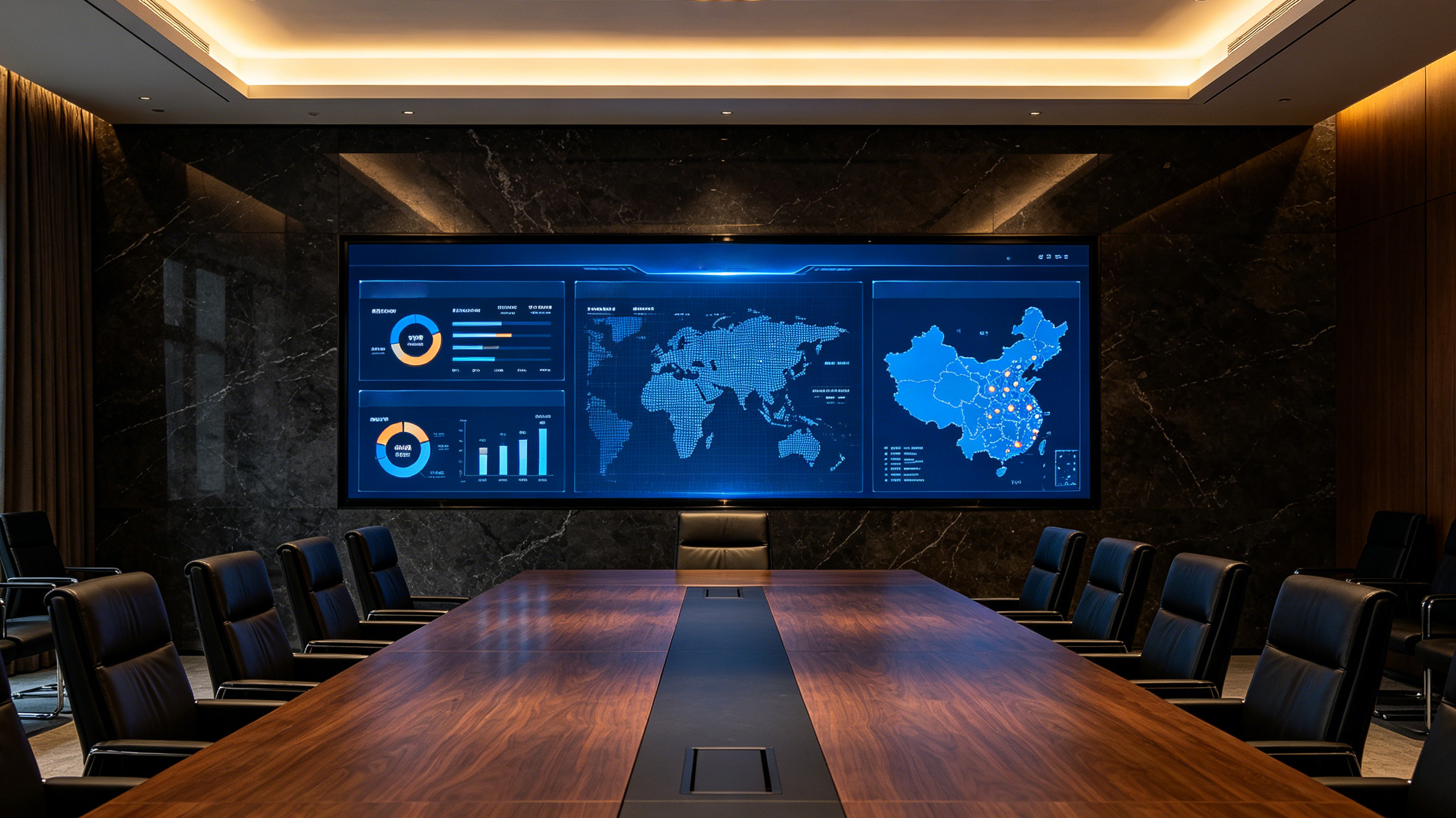
The key is to see COB fine-pitch and LED walls as layered solutions for different distances and environments, not rivals. For indoor close viewing (within 3 meters), COB is preferred for its seamless, high-refresh, eye-friendly performance in classrooms, meeting rooms, and recording studios. For outdoor distant viewing (over 10 meters), traditional LED walls offer better value. But in multi-purpose venues like campus complexes or gyms, COB's wide viewing angle and high grayscale handle both near and far viewing, reducing the need for multiple screens. Another key is focusing on total lifecycle cost. COB fine-pitch has a higher initial investment but lasts over 100,000 hours, cuts maintenance costs by over 70%, and supports smart fault detection and remote maintenance, with response times under 30 minutes. For schools without dedicated tech staff, low failure rates and remote support outweigh upfront costs. COB also reduces energy consumption by over 30%, saving on electricity. Finally, adopt a solution-based mindset, not a product-based one. A complete
Selection Recommendations
For campus projects, follow a three-step selection process. First, classify the scenario: for indoor teaching, meetings, or broadcasting, choose COB fine-pitch with P1.2-P1.5 and a 3840Hz refresh rate to avoid flicker in recordings; for outdoor fields or entrances, opt for LED walls with P4 or larger, ensuring at least IP65 protection. Second, assess the environment and maintenance capability: campuses have dust and summer heat, so COB's IP55 rating and wide-temperature tolerance reduce failure rates; if the school lacks technical staff, prioritize COB with remote maintenance to cut service visits. Third, calculate total lifecycle cost: compare not just unit price but electricity, maintenance, and replacement cycles. COB lasts over 100,000 hours—30% longer than typical LED walls—with lower maintenance, making it more economical overall. In execution, partner with a manufacturer offering full-process support. For example, Stonbel provides free bidding assistance, including technical proposals and certifications (3C, CE, FCC, ISO14001, ISO9001, ROHS), plus military-grade reliability, boosting bid success rates. Fast delivery (e.g., 8-day custom production)
Q1: What's the difference between campus COB fine-pitch displays and LED video walls?
A: COB fine-pitch displays use chip-level packaging with pixel pitches from P0.7 to P1.8, a 3840Hz refresh rate, over 100,000 hours of lifespan, and IP55 protection. They are seamless, impact-resistant, and dust/water-proof, ideal for close indoor viewing and harsh environments. LED video walls use SMD packaging with visible seams, limiting fine content display, but they are cheaper and suit distant outdoor viewing. Choose based on viewing distance and environment.
Q2: What pixel pitch is recommended for a campus auditorium COB display?
A: For auditoriums with viewing distances of 3-8 meters, P1.2 or P1.5 is recommended. P1.2 suits high-detail content like maps or courseware, while P1.5 offers better value. Ensure a 3840Hz refresh rate to avoid scan lines in photos. If the hall hosts performances, choose a model with seamless multi-signal switching for different video sources.
Q3: Can a COB fine-pitch display be used directly for an outdoor campus sports field screen?
A: Yes, but pay attention to pixel pitch and protection. For distant viewing, choose P1.8 or larger to avoid overspending. Ensure IP55 or higher protection for rain and dust. If budget is tight, a traditional LED wall can meet basic needs, but COB offers longer lifespan and lower maintenance. Weigh budget against performance requirements.
Q4: Is maintenance of campus COB fine-pitch displays troublesome?
A: No. COB fine-pitch displays feature smart fault detection and remote maintenance, with response times under 30 minutes. They support front maintenance without removing the whole screen. With over 100,000 hours of lifespan, annual maintenance costs are over 70% lower than traditional equipment. Manufacturers offer lifetime service support, and local service points ensure quick help, even after long shutdowns like winter or summer breaks.
The key to selecting campus display solutions is to abandon the 'either-or' mindset. Campus COB fine-pitch displays excel in indoor close-viewing and high-protection scenarios, while LED video walls remain valuable for outdoor long-distance and budget-sensitive projects. Integrators should combine viewing distance, environmental conditions, content type, and total lifecycle cost to create a hybrid solution, and choose suppliers with factory-direct supply and full-process service capabilities to improve project margins and customer satisfaction. We hope this article helps contractors make more informed decisions in campus projects and avoid common mistakes.