As the core venue for emergency command and production dispatch, a dispatch center's display system must meet stringent requirements including 7×24 uninterrupted operation, real-time multi-signal linkage, and high-definition output. COB fine-pitch LED displays—offering ultra-small pixel pitch, high protection ratings, and extended lifespan—are becoming the preferred upgrade solution. However, installation and pre-wiring directly determine final display performance and operational stability. This article outlines key technical control points for integrators and AV engineers, helping avoid common pitfalls and ensure high-quality project delivery.
Definitions: Core Parameters
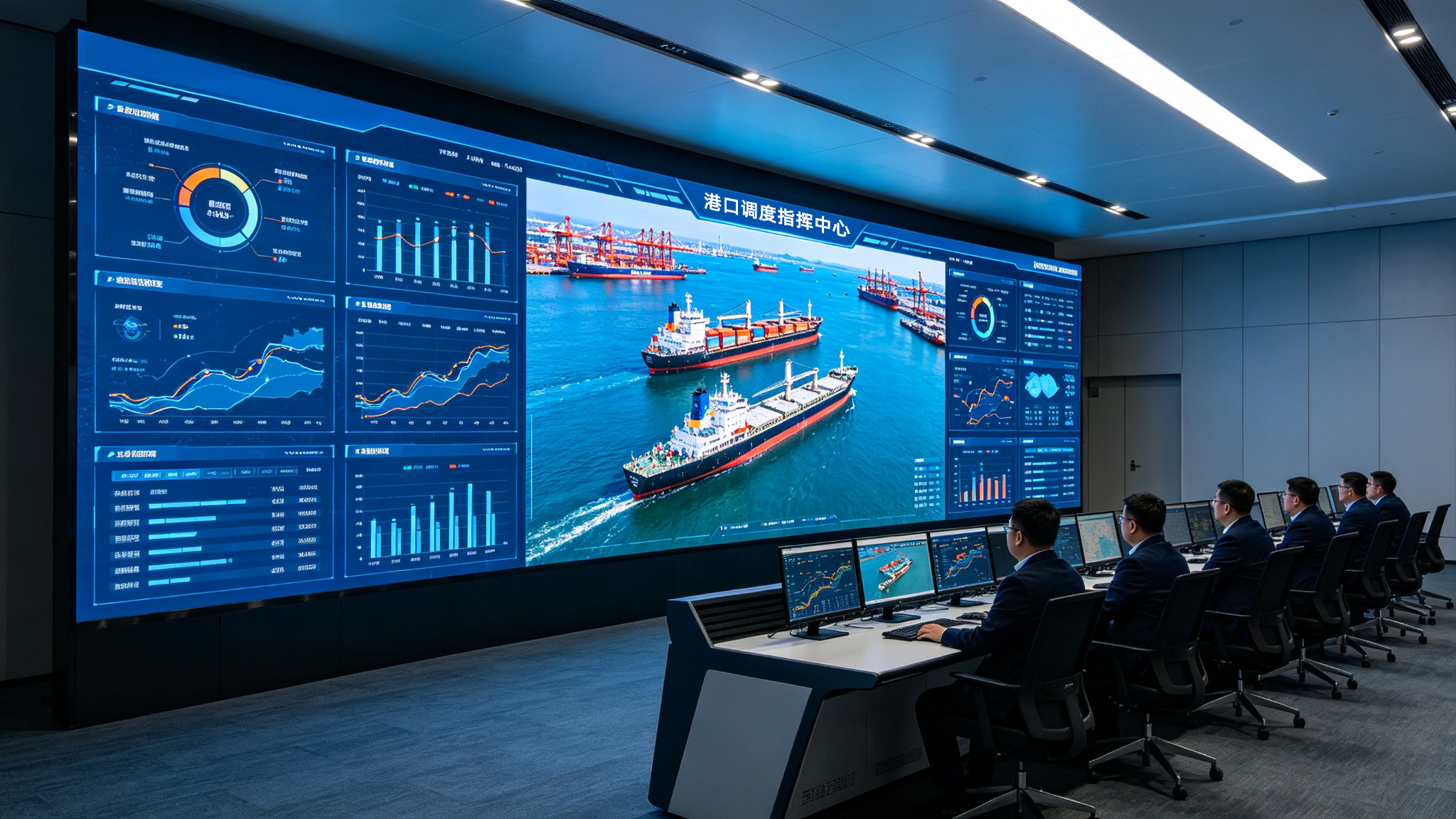
Core specs of COB fine-pitch displays for dispatch centers: pixel pitch determines density (P0.7 = 0.7mm between pixel centers; smaller pitch = finer detail); refresh rate up to 3840Hz eliminates ghosting/flicker in fast motion; IP55 rating resists dust and water spray for harsh environments; lifespan ≥100,000 hours for 24/7 operation. These parameters form the technical foundation and must be verified during selection. Stonbel COB displays cover P0.7-P1.8, adapting to viewing distances from county-level emergency command to provincial dispatch centers. 3840Hz refresh with 22-bit grayscale keeps images smooth in dynamic scenes; IP55 ensures stable operation in dusty/humid conditions; ≥100,000-hour lifespan supports continuous duty. Smart brightness auto-adjusts to ambient light, balancing visibility and energy use. During installation, signal cabling must be stable and shielded to prevent flicker or banding, requiring standardized wiring.
Technology: Signal Processing Chain
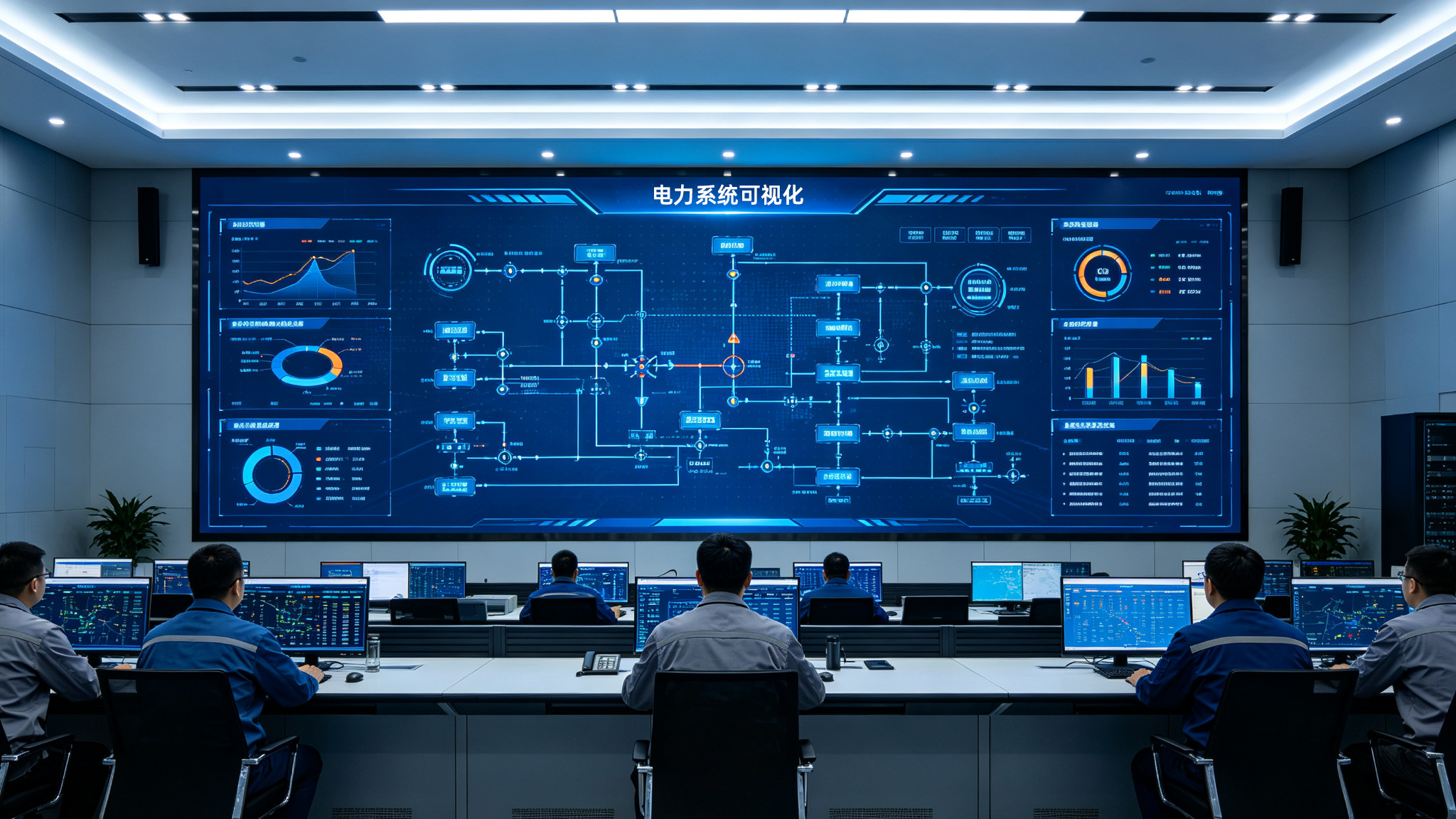
Signal flow: video from control systems → image processor (scaling, stitching, color correction) → driver ICs scan data row-by-row to pixels. 3840Hz refresh redraws 3840 times/sec, far above flicker perception, reducing eye fatigue. Smart brightness auto-adjusts to ambient light. Stonbel integrates chip-level information security: full-metal shielding and EMI-shielded signal interfaces prevent data interception/leakage, meeting zero-leakage requirements. For multi-signal needs, Stonbel supports seamless multi-signal control—monitoring feeds, emergency data, dispatch commands display simultaneously with fast switching, boosting emergency response efficiency by 40%.
Standards: Installation & Acceptance
Industry standards mandate flatness, seam tolerance, and viewing angle. Curved splicing requires flatness ≤0.1mm for seamless, undistorted images. IP55 blocks dust and low-pressure water spray, suiting humid/dusty dispatch centers. Electrical codes require separate power/signal cabling with proper spacing to avoid EMI. Underground/confined centers need heat dissipation and ventilation per equipment standards. In an underground defense command center, Stonbel delivered 1:1 custom curved splicing with flatness ≤0.1mm; high-thermal-conductivity silicone packaging plus silent cooling handled sealed, high-humidity conditions—24/7 operation with zero downtime, 94% stability improvement, 75% lower annual maintenance costs.
Selection Guide: Parameters to Scenarios
Evaluate manufacturer customization: curved walls need custom modules (Stonbel offers 1:1 curved splicing); classified scenarios require encrypted transmission and confidential construction; high-humidity areas need moisture protection. Check after-sales: 31 provincial service points ensure rapid response; lifetime support reduces maintenance burden. For bidding, full-process assistance (qualifications, design docs) improves win rates. In a nuclear-industry classified site, Stonbel supplied P1.2mm military-grade EMI-resistant COB displays passing GJB 151B; full-metal shielding blocks strong EMI; chip-level sealed packaging with shielded interfaces prevents signal leakage; front-access modular design allows module replacement outside classified zones; 24/7 remote confidential maintenance resolves 90% of issues remotely. Result: stable, flicker-free images in strong EMI; 30% higher monitoring precision; zero electromagnetic leakage; 120,000-hour MTBF; recognized as high-quality domestic equipment.
Q1: What cabling considerations matter during COB display installation?
A: Proper cabling is foundational. Separate power and signal lines (≥30cm apart) to prevent interference. Use shielded twisted-pair cables; in strong EMI environments (e.g., nuclear sites), use full-metal shielding and EMI-shielded interfaces. Stonbel's front-access modular design allows maintenance from non-classified areas, requiring reserved service channels. For classified projects, use dedicated conduits with physical protection. Label all connectors for future troubleshooting.
Q2: What does 3840Hz refresh rate mean for dispatch centers?
A: Refresh rate determines redraw frequency—3840Hz redraws 3840 times/sec, double the typical 1920Hz. This eliminates ghosting/flicker on fast-moving maps or live feeds, reducing eye fatigue and preventing scan lines in camera captures. In emergency command, smoothness directly impacts decision speed. Stonbel adds 22-bit grayscale for natural dark/bright transitions. Combined with smart brightness, it maintains clarity across lighting conditions, improving comfort during long shifts.
Q3: What environments can IP55 protection handle?
A: IP55 = dust-resistant (level 5, no harmful dust ingress) and water-spray-proof (level 5). It suits underground command centers, industrial control rooms, and humid/dusty sites. Stonbel's defense command project used high-thermal-conductivity silicone packaging and silent cooling for stable operation in high heat/humidity. For nuclear EMI environments, GJB 151B certification and full-metal shielding resist interference. In a Wuhan biotech project, low-dust, easy-clean installation met GMP cleanroom standards with zero-contamination acceptance.
Q4: How to assess long-term ownership costs?
A: Key factors: lifespan, power consumption, maintenance frequency. COB displays last ≥100,000 hours, reducing replacement costs. Smart low-power design saves 30%+ energy; annual maintenance costs drop 70%+ vs. traditional. Smart fault detection and remote maintenance cut response to <30 minutes and cross-region costs by 50%+. Stonbel's lifetime support further reduces burden. In an underground defense project, 24/7 operation with zero downtime, 94% stability improvement, and 75% lower maintenance costs were achieved. Smart diagnostics enable early fault resolution, supporting 24/7 dispatch reliability.
Installing COB fine-pitch displays in dispatch centers is a systematic project involving cabling, heat dissipation, protection, and signal transmission. Every parameter—from pixel pitch and refresh rate to ingress protection—must be evaluated against specific site conditions. Integrators should prioritize original manufacturers with full-process technical support and localized service capabilities to reduce delivery risk. Stonbel, with proprietary COB packaging technology, full-spec customization, and service coverage across 31 provinces, provides one-stop support from design to maintenance, ensuring long-term stable operation. From curved secure screens in underground defense command centers to EMI-resistant displays in nuclear facilities, Stonbel delivers military-grade quality and full-process confidentiality. Choosing Stonbel means higher margins, complete bidding support, and a dispatch center display system built to last.