Auditoriums serve as core venues for large meetings, academic reports, and product launches. Display clarity, stability, and reliability directly affect information delivery and on-site experience. As COB and SMD packaging technologies mature, auditorium LED displays now provide more flexible options balancing image quality, protection, and cost. Drawing on multiple Stonbel engineering project reviews, this article walks through the full deployment process—from parameter selection and installation to after-sales maintenance—addressing common issues and offering objective decision-making references for integrators and end users.
FAQ Overview
Selecting a LED display for a lecture hall involves decisions on pixel pitch, packaging technology, refresh rate, grayscale, mounting structure, budget, and maintenance. Each choice directly impacts display quality
Q1: COB or SMD packaging for a lecture hall LED display?
A: It depends on budget and image quality requirements. COB packaging bonds chips directly to the PCB without individual lamp beads, enabling ultra-fine pitches like P0.7 for smooth, grain-free images and higher protection, ideal
Q2: How to choose between P0.7 and P1.5 pixel pitch?
A: Pixel pitch determines pixel density and optimal viewing distance. P0.7 suits ultra-HD needs within 2 meters, such as command centers or premium halls. P1.5 is cost-effective for mid-sized halls
Q3: What is the practical benefit of a 7680Hz refresh rate?
A: Higher refresh rates reduce visible scan lines, enhancing viewing comfort and eliminating flicker in photos or live broadcasts. 7680Hz is ultra-high, ideal for halls frequently used for filming or streaming, ensuring stable, ripple-free images on
Q4: How is 22-bit grayscale better than 16-bit?
A: Grayscale determines the smoothness of color transitions. 22-bit grayscale delivers finer gradients, avoiding banding in dark or gradient scenes, suitable for HDR content like corporate videos or academic charts. 16-bit is sufficient for general use, but
Q5: What does NTSC≥130% color gamut mean?
A: NTSC measures color reproduction capability; 130% coverage means a wider range of colors than standard displays (around 100%). In a lecture hall, a high gamut makes PPT charts and product images more vivid and impactful. Stonbel LED
Q6: Is IP65 protection rating sufficient for a lecture hall?
A: IP65 means fully dust-tight and protected against water jets, more than adequate for indoor lecture halls. IP54 is typically enough indoors, but IP65 offers better dust and impact resistance in high-traffic areas or corridors. Stonbel COB products feature IP55,
Q7: What brightness level is needed for a lecture hall LED display?
A: With controllable ambient light, 800-1500 cd/m² is recommended; higher levels can cause glare. Stonbel displays offer wide brightness adjustment, with outdoor models customizable above 8000 cd/m², but indoor models default to lower settings. For halls with large windows
Q8: What are the mounting options for a lecture hall LED display?
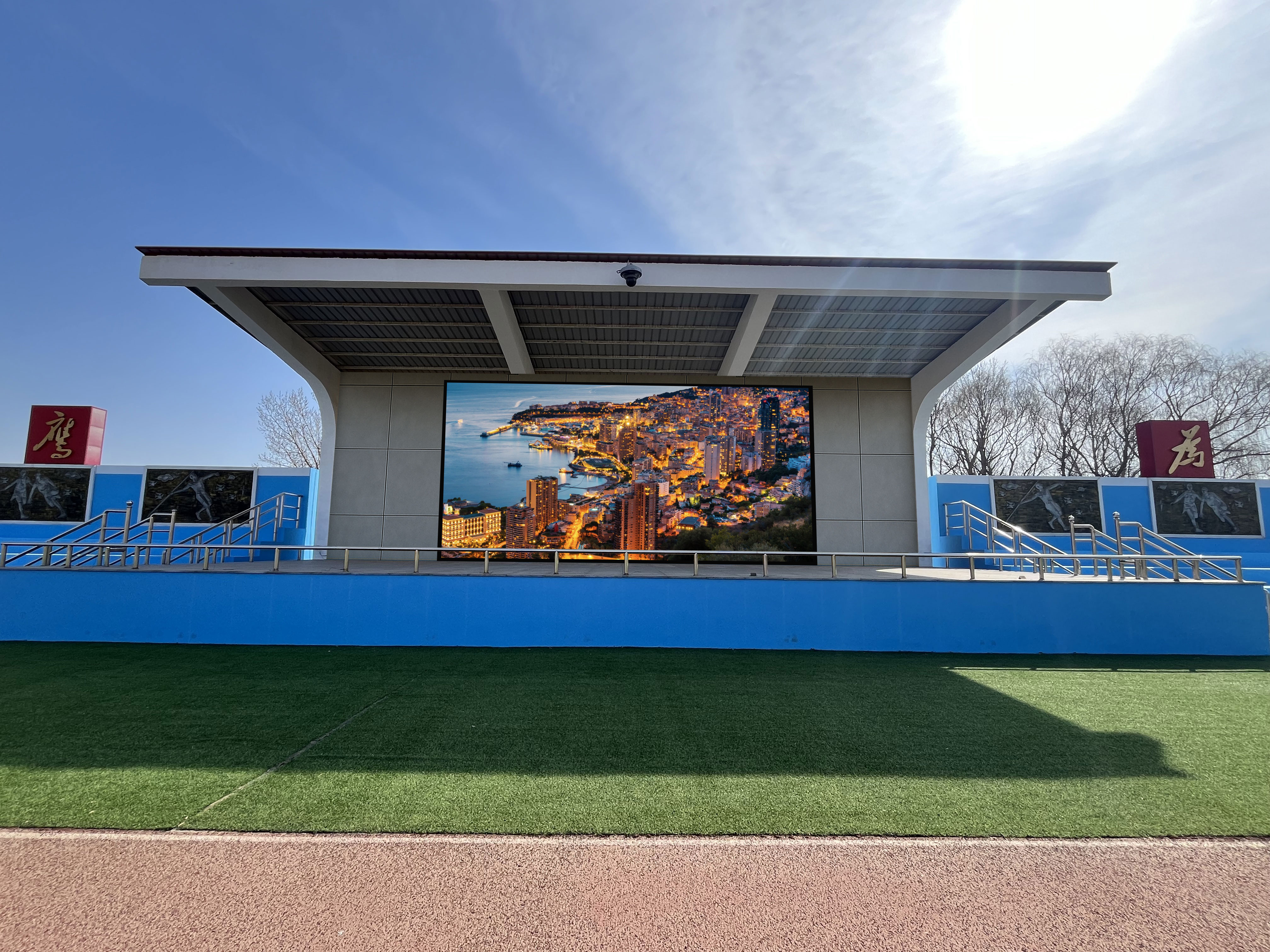
A: Common options include wall-mounted, recessed, mobile floor-standing, and ceiling-mounted. Wall-mounted suits solid walls; recessed integrates flush with décor; mobile units offer flexibility for multi-purpose halls; ceiling-mounted works for high ceilings.
Q9: Does the steel structure require special design?
A: Yes. The steel frame supports the screen weight and ensures flatness, requiring professional engineering based on wall load, screen size, and wind load (if near windows). For the Hunan Provincial Military Command project,
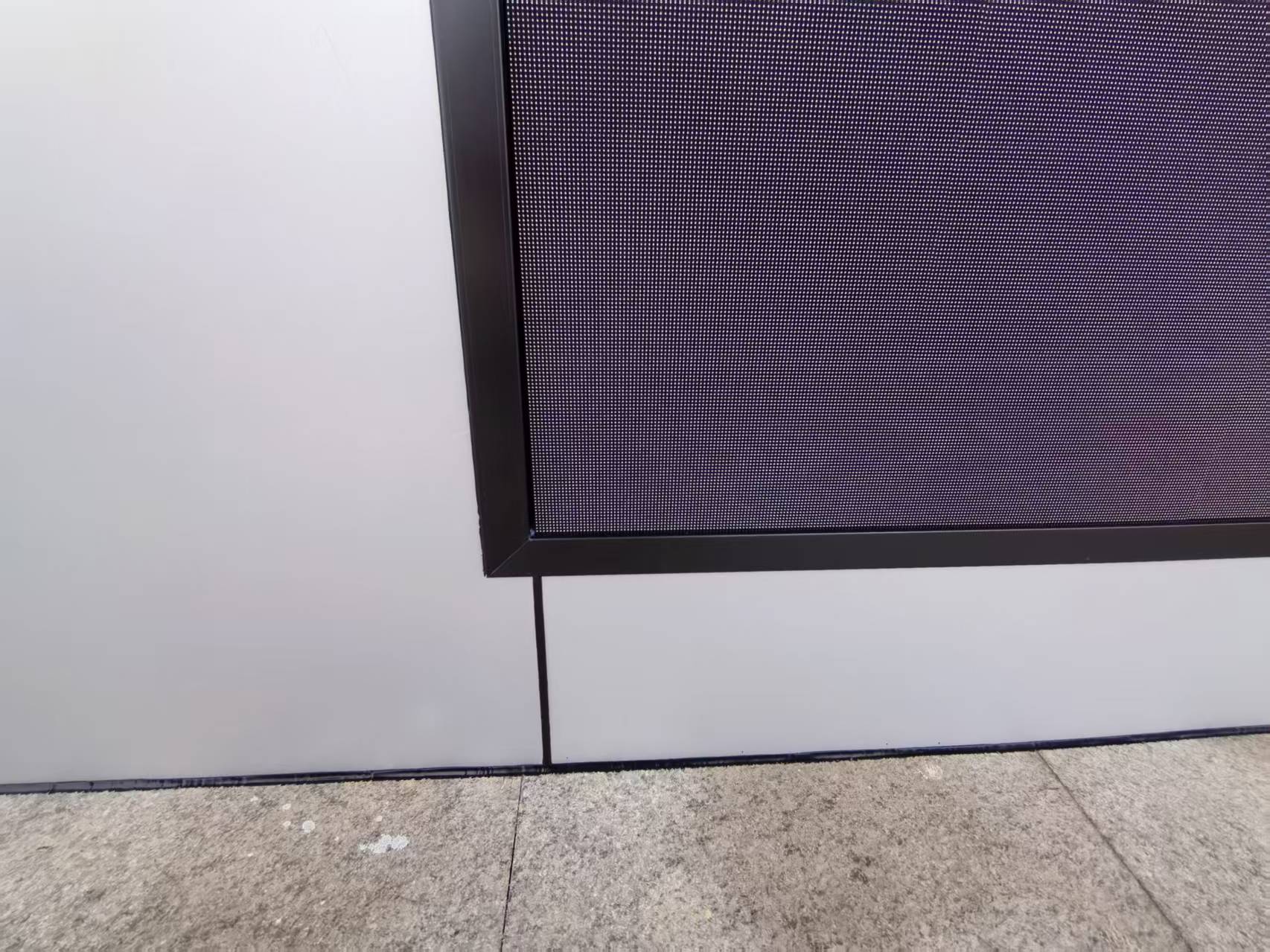
Q10: Can seams be completely eliminated?
A: COB packaging has no physical seams, enabling seamless splicing for uninterrupted images. SMD packaging has minimal seams, but precision adjustment can keep them within 0.1mm, nearly invisible. For critical applications like maps or data charts,
Q11: Front or rear maintenance for a lecture hall LED display?
A: It depends on installation space. Front maintenance allows module replacement from the front, ideal for wall-mounted or space-constrained halls. Rear maintenance requires a service aisle but is more convenient. Stonbel rental screens feature front-access design for quick
Q12: Is the power consumption of a lecture hall LED display high?
A: Power consumption correlates with brightness, area, and refresh rate. COB fine-pitch displays have higher per-area consumption due to pixel density, but Stonbel supports brightness adjustment to reduce power while maintaining quality. Actual consumption
Q13: What is the lifespan of a lecture hall LED display?
A: Lifespan typically refers to time until brightness decays to 50% of initial value. Stonbel COB fine-pitch displays have a lifespan of ≥100,000 hours, equivalent to over 34 years at 8 hours daily. SMD lifespans are similar but depend on LED quality. Actual
Q14: How long does installation take?
A: Duration depends on screen size and complexity. Small screens (e.g., 10㎡) typically take 3-5 days for installation and commissioning; larger or custom-shaped screens take longer. For the Hunan Provincial
Q15: How responsive is after-sales service?
A: Stonbel has resident service points in 31 provinces for localized rapid response. For government and enterprise projects, a 7×24 dedicated maintenance mechanism is established, as with the Hunan Military Command project, ensuring zero
Q16: Can it integrate with existing video conferencing systems?
A: Yes. Stonbel LED displays support 4K/1080P HD and feature multi-signal input with synchronized control, allowing simultaneous connection of cameras, computers, and video terminals for split-screen or picture-in-picture. In
Q17: What is the approximate cost of a lecture hall LED display?
A: Cost varies with pixel pitch, area, packaging technology, and installation complexity. P2.0 SMD screens have lower per-square-meter costs, while P0.7 COB screens are several times more expensive.
Q18: Is remote control and smart management convenient?
A: Stonbel supports smart connectivity, allowing remote content updates via 5G/WiFi/4G, with an O&M platform for real-time monitoring and remote diagnostics. In lecture halls, managers can control power, switch
Q19: What qualifications are required for installation?
A: Reputable manufacturers should hold certifications like 3C, CE, FCC, ISO14001, ISO9001, and ROHS. Military projects require additional military and confidentiality qualifications. Stonbel holds these certifications and adhered to strict security protocols in
Q20: What are the acceptance criteria for a lecture hall LED display?
A: Acceptance checks include display quality (brightness, color, grayscale), seam flatness, signal switching smoothness, and operational stability. Reference Stonbel standards: over 50% clarity improvement, seamless display, and 7×24
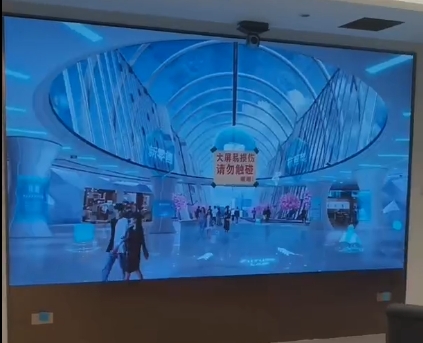
Selecting and deploying an auditorium LED display is a systematic process. Every step—from pixel pitch and packaging technology to installation and maintenance—requires balancing specific scenario needs against budget. As shown in the real cases and parameter analysis above, COB packaging excels in image quality and protection, while SMD offers advantages in cost and flexibility. Stonbel's full product matrix and nationwide service network ensure reliable support for auditorium projects of all sizes. We recommend clarifying core requirements first—whether pursuing ultra-HD seamless display or balancing budget and performance—then engaging with manufacturers for customized solutions and transparent quotations.