For commercial display projects, brightness and color temperature selection directly determines final viewing experience and equipment lifespan. Many integrators and end users focus only on resolution or price during parameter selection, ignoring brightness and color temperature indicators matched to ambient light, resulting in poor project acceptance. Drawing on Stonbel's nationwide service network and manufacturing experience, this article reviews common misconceptions in brightness and color temperature selection for commercial displays, helping readers establish correct selection logic and improve project delivery quality. Brightness and color temperature selection is essentially a balance among project environment, viewing content, and cost investment. Moving beyond the mindset that higher parameters are always better and returning to real usage scenarios is key to improving project satisfaction. Stonbel's manufacturing strength and service network provide integrators with full-chain support from customized production to localized maintenance, making every selection well-founded and ensuring every screen performs optimally under appropriate lighting.
Common Industry Misconceptions
In commercial display selection, misconceptions about brightness and color temperature are common. The first is that "higher brightness is always better." Many buyers assume extreme brightness solves all reflection issues in outdoor or semi-outdoor settings, even choosing ultra-high brightness for indoor screens. This stems from applying outdoor advertising logic to all scenarios, ignoring the fundamental difference between indoor lighting and direct sunlight. The second misconception is that "6500K color temperature is a universal standard." Many projects default to 6500K, overlooking the need for color accuracy in different applications—medical imaging requires precise D65, while retail windows favor cooler temperatures for a high-tech feel. The third
Dispelling the Myths
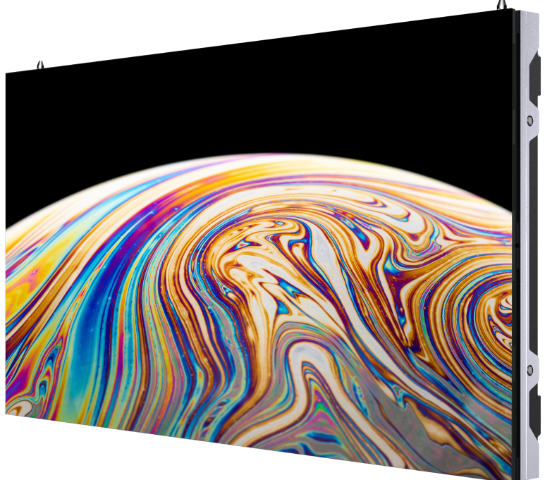
Against "higher is better": indoor commercial environments typically have 200-500 lux. Excessive brightness causes glare and eye fatigue, and accelerates aging of LED chips and LCD backlight modules. For Stonbel COB fine-pitch displays (P0.7-P1.8, 3840Hz refresh), indoor performance relies on contrast and grayscale detail, not raw brightness. For semi-open areas with strong light, choose auto-brightness adjustment rather than simply raising output. On "6500K as universal": 6500K is a standard reference for video conferencing and control rooms, but brand showrooms, art exhibitions, and ads
Correct Understanding
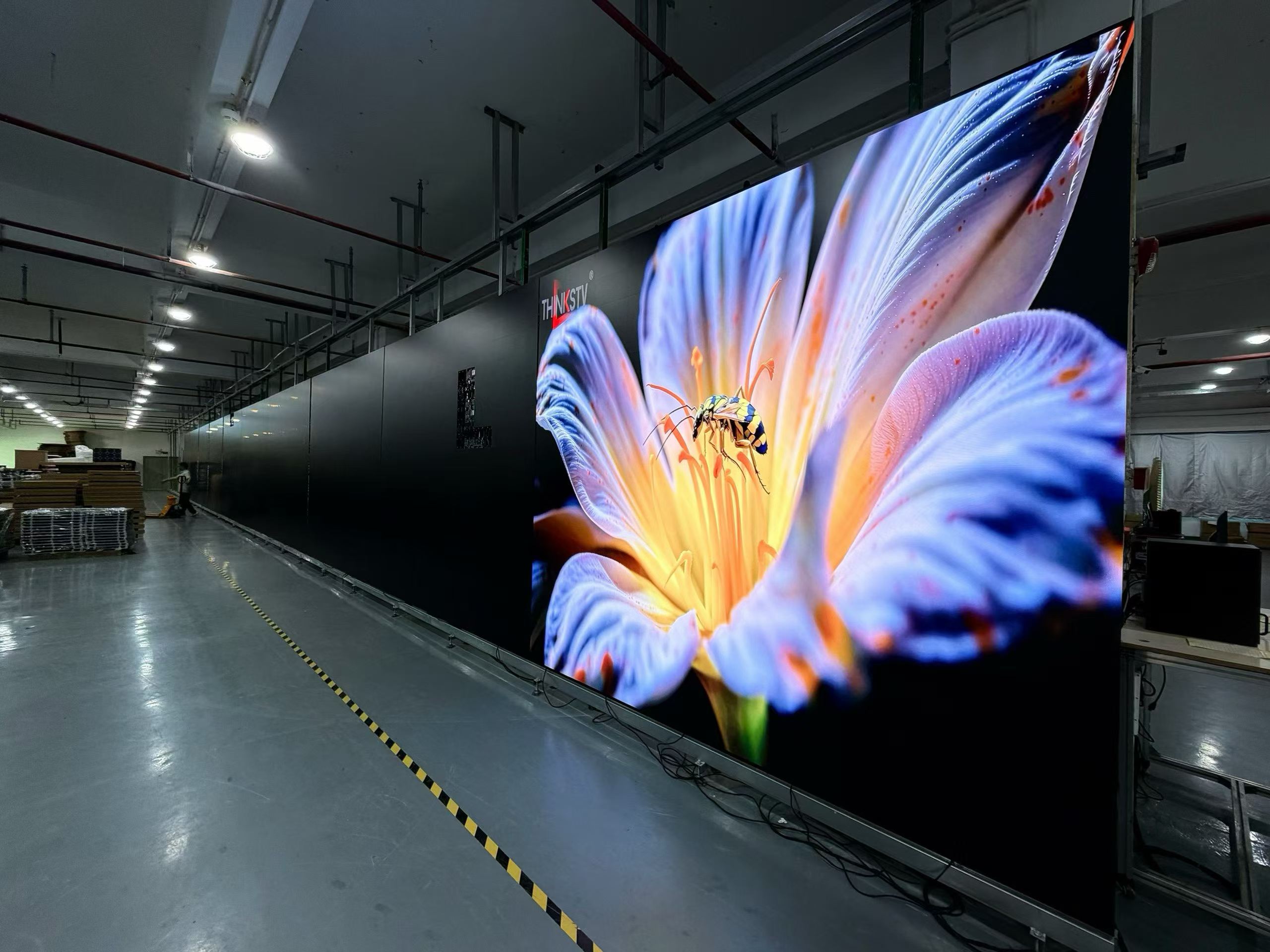
The right approach is to base brightness and color temperature on measured ambient light data and content type. For video conferencing and control rooms, 6500K ensures accurate skin tones and comfortable viewing. For brand or advertising displays, 7500K or higher can boost visual impact. Ambient light measurement should include horizontal/vertical illuminance and reflected light intensity, not just visual estimates. Stonbel's nationwide manufacturing system enables full custom specifications—integrators can request tailored brightness and color
Selection Recommendations
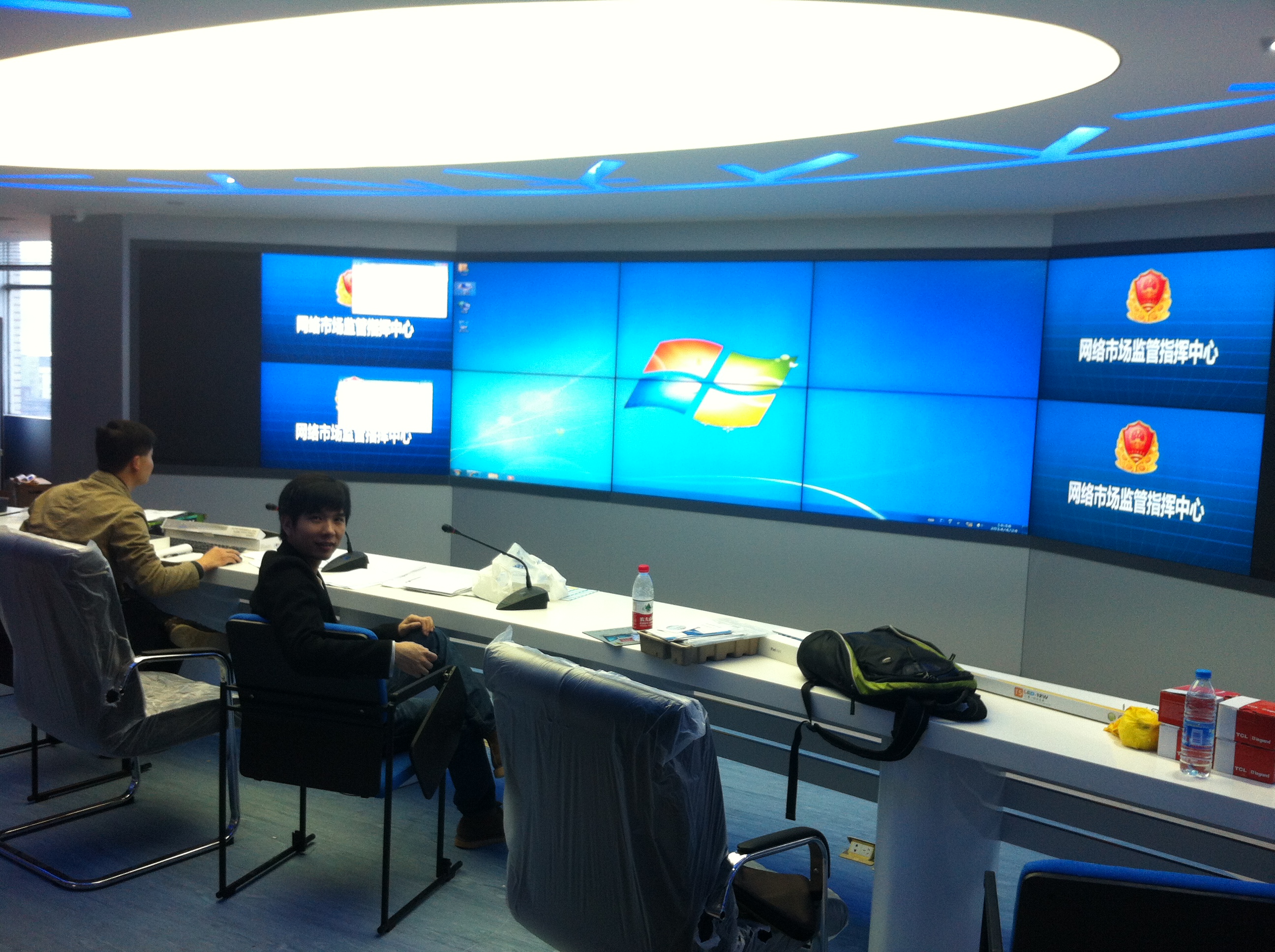
First, conduct on-site ambient light assessment. For strong light areas, choose COB displays with high-brightness mode and auto-sensing, plus anti-glare masks. Use a lux meter to record peak and average illuminance at different times of day as a quantitative basis. Second, evaluate color management capability—Stonbel LED supports 7680Hz refresh and 22-bit grayscale, with NTSC ≥130% gamut for accurate reproduction across color temperatures. For 7×24 operation in dispatch or control centers, check panel durability: in the Huaneng Inner
Q1: What brightness is suitable for indoor LED displays?
A: For indoor commercial environments, 800-1500cd/㎡ is generally recommended, but adjust based on installation lighting. Stonbel conference all-in-one units range 300-1000cd/㎡, ideal for controllable light rooms. For P0.7-P1.8 COB fine-pitch screens in control rooms, around 1000cd/㎡ with auto-brightness is advised to prevent eye strain. Note: higher is not better—in 200-300 lux dark rooms, excessive brightness causes glare and accelerates LED aging. For complex semi-open areas, choose auto-sensing solutions that adjust output in real time for clarity and longevity.
Q2: Does color temperature significantly affect commercial display performance?
A: Yes, greatly. It sets the warm/cool tone. 6500K is standard for video conferencing and monitoring. For advertising or exhibitions, adjust higher—e.g., 7500K-9000K cool tones for tech showrooms, or 3200K-4500K warm tones for retail. Stonbel displays support wide gamut adjustment (NTSC ≥120%) for flexible settings. Also consider ambient light color temperature—if site uses 4000K warm lighting, 6500K screens may show color mismatch, requiring fine-tuning. For high-end projects, choose stepless adjustment and calibrate regularly to prevent drift from LED aging.
Q3: How should outdoor or semi-outdoor displays handle strong ambient light?
A: Outdoor environments are complex—choose high-brightness, waterproof products. Stonbel LCD panels have IP65 rating for strong light. For LED, IP55 with anti-UV packaging slows brightness decay. In the Qinghai PV control center project, Stonbel's P1.25 plateau-resistant COB display used anti-UV packaging and wide-temperature drive, running 3 years in 30°C daily swings and intense UV with brightness decay under 5%, far better than the typical 15%. For outdoor selection, peak brightness matters: direct sunlight needs ≥5000cd/㎡, semi-outdoor around 3000cd/㎡, plus auto-dimming at night to avoid light pollution. Anti-glare coating on masks also reduces reflection and improves readability.
Q4: How does Stonbel's nationwide presence help after-sales response?
A: Stonbel has resident service points in 31 provinces, ensuring timely on-site support from remote wind farms to coastal convention centers. In wind projects, response time dropped from 48 hours to under 4 hours, cutting maintenance costs—a guarantee small regional vendors can't offer. The network delivers three benefits: (1) rapid fault resolution—local engineers reach site within 4 hours; (2) preventive maintenance—quarterly calibration in plateau projects slows performance decay; (3) spare parts availability—regional centers stock common parts, avoiding factory
Brightness and color temperature selection for commercial displays is never simple parameter stacking, but a comprehensive consideration of project environment, viewing content, cost investment, and long-term maintenance. Stonbel's manufacturing strength and nationwide service network provide integrators with full-chain support from customized production to localized maintenance—whether for confidential display requirements in military research institutes or weather-resistant needs in wind and solar power control centers, all are guaranteed through full-specification customization and resident service points across 31 provinces. Choosing Stonbel means not just selecting a display screen, but a lifecycle partner covering pre-sales consultation, solution design, product customization, installation, commissioning, and after-sales maintenance. In today's increasingly competitive commercial display industry, only by returning to real user needs and relying on reliable manufacturing and service systems can win-win outcomes in project value and user experience be achieved.