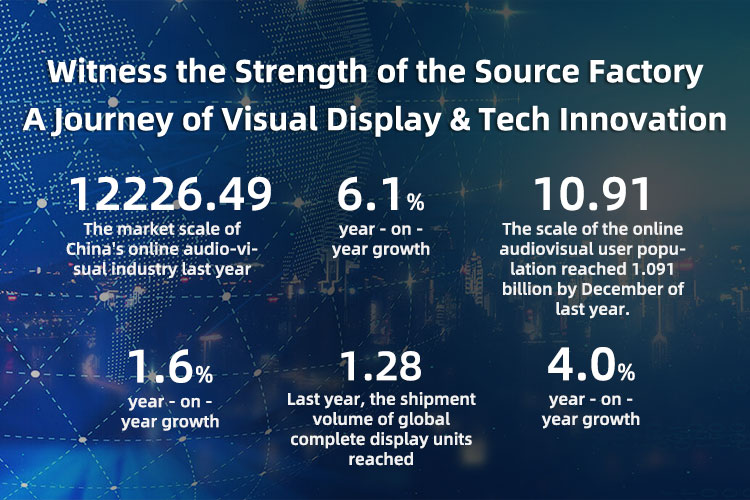
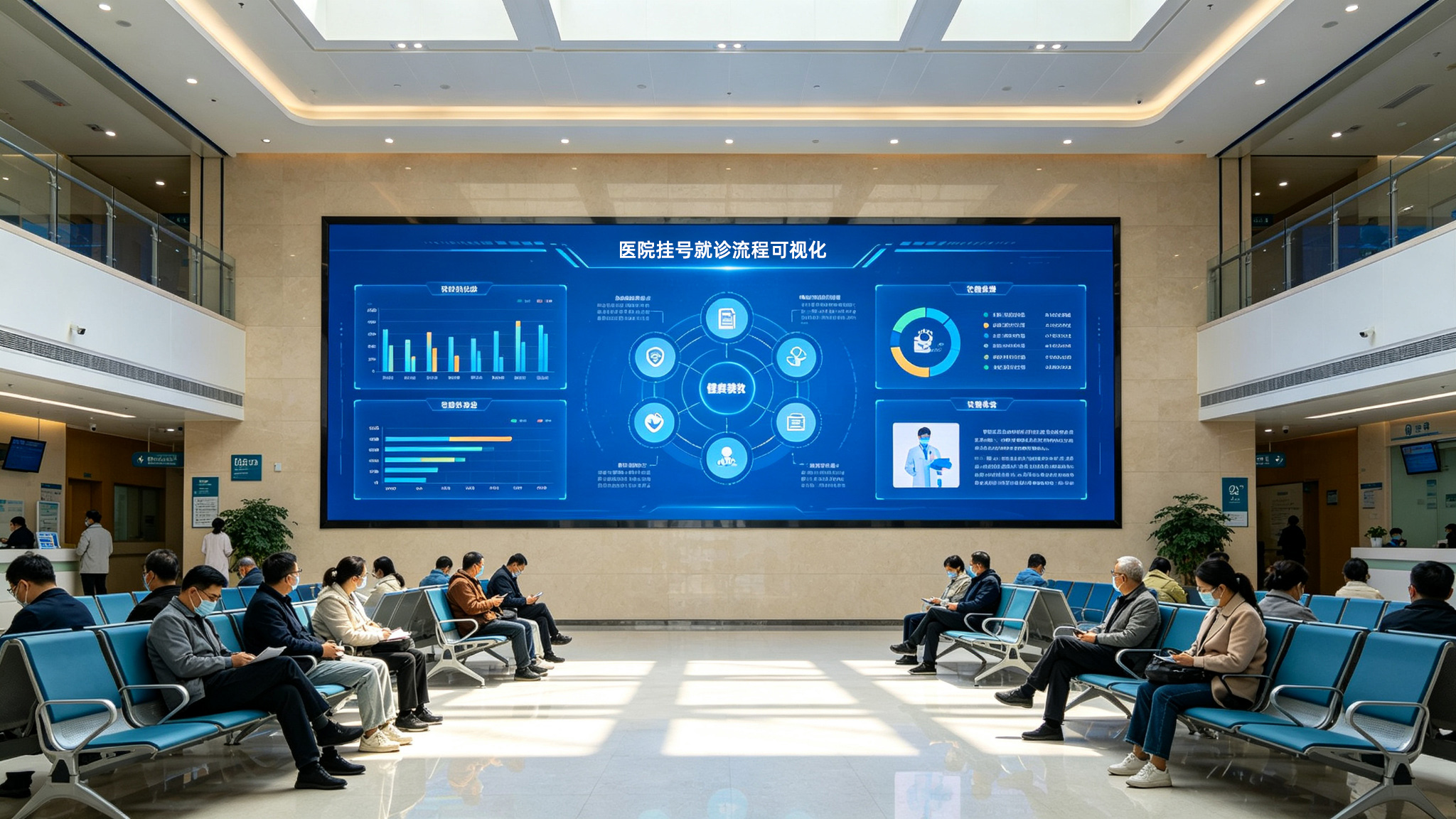
Hospital LED relief texture screens, a new commercial display product merging high-end architectural textures with Micro-LED technology, are increasingly used in hospital lobbies, waiting areas, and cultural walls. Yet, due to insufficient product knowledge, many buyers encounter issues such as exaggerated specifications, incomplete qualifications, and misjudged cases, resulting in subpar project outcomes or acceptance difficulties. Drawing on Stonbel's experience in medical and public sectors, this article outlines common pitfalls, correct understanding, and selection recommendations to help hospital infrastructure and IT departments establish a clear bidding review framework.
Common Misconceptions: Spec Inflation & Cognitive Bias
In tender documents for hospital LED relief texture screens, the most common mistake is applying standard LED display specifications. Standard LED screens prioritize pixel pitch, brightness, and refresh rate. However, as a dual-purpose product ('decorative when off, display when on'), the surface texture material, light transmittance, anti-glare rating, and protection rating (e.g., IP54) are what determine suitability for a hospital environment. Stonbel's LED texture screen features a P5 pixel pitch, IP54 protection, and a lifespan of ≥100,000 hours. This combination ensures stable, long-term operation in semi-open areas like hospital
Dispelling Myths: Cases, Certifications & Service
Misjudging cases is a frequent error in hospital tenders. Many hospitals favor 'tertiary hospital project cases' as a bonus criterion without verifying if the case actually used a texture screen or just a standard LED screen. For instance, in the Chengdu Tianfu International Airport cargo area monitoring center project, Stonbel deployed an LCD video wall for security visualization—a monitoring scenario, entirely different from the human-centric needs of a hospital. Blindly applying monitoring screen case standards overlooks the core decorative and viewing comfort metrics of texture screens, leading to incorrect selection. The right approach is to evaluate a
Correct Evaluation: Product & Engineering Perspective
Procuring hospital LED relief texture screens is a threefold test: product knowledge, certification review, and engineering experience. On the product side, understand the difference from standard LED screens: texture screens show architectural-grade texture when off and high-definition images when on. This 'dual-state' nature requires surface materials balancing light transmittance and decor, plus anti-glare, anti-fingerprint, and easy-cleaning properties for hygiene. Stonbel's LED texture screen offers NTSC ≥130% color gamut, 16-bit grayscale, and adjustable brightness from 300-1000cd/m², ensuring clear daytime visibility and reduced nighttime light pollution—ideal for 24/7 hospital operations. On the engineering side,
Selection Guide: Scenarios, Tiers & Maintenance Budget
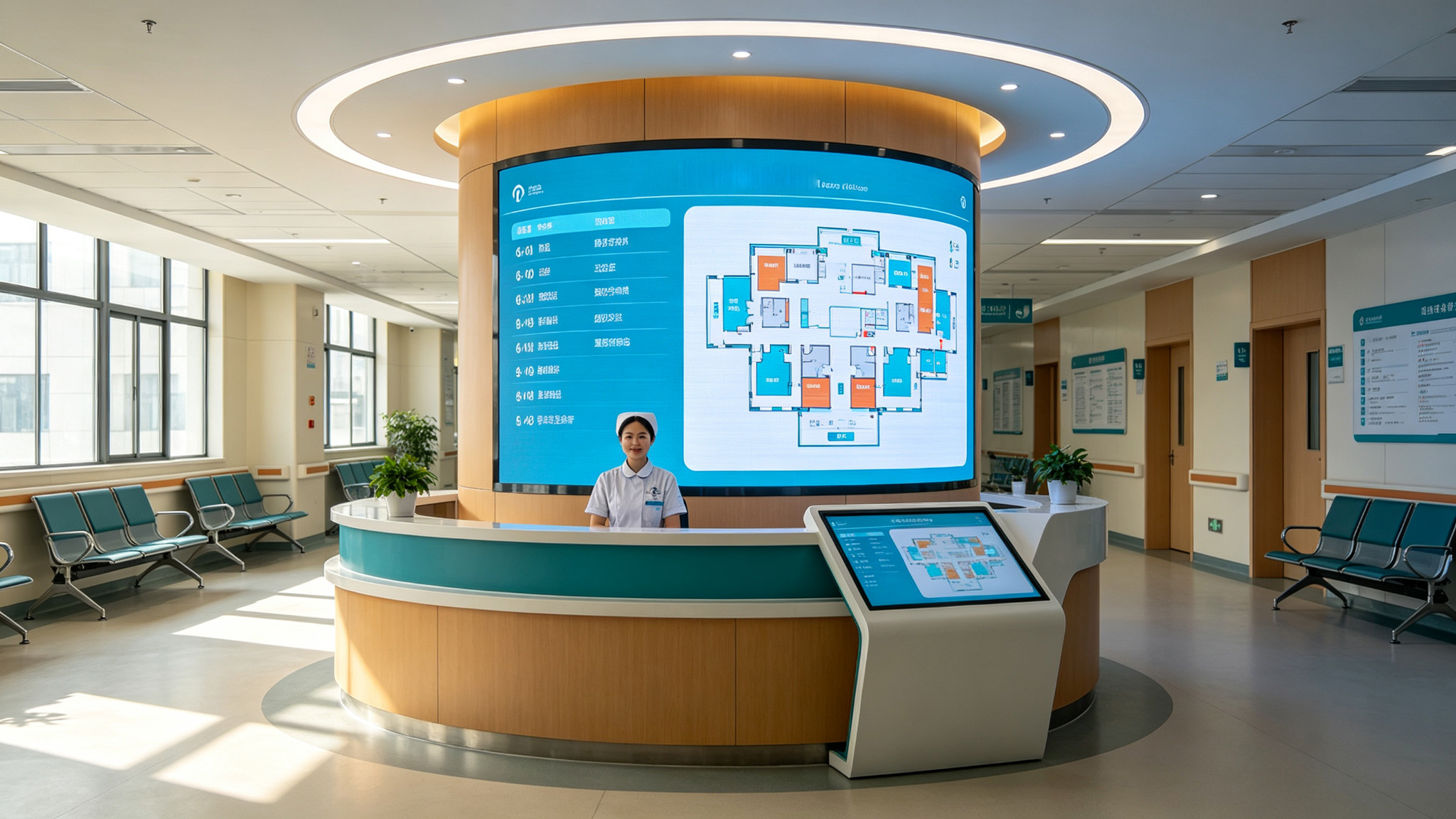
For hospital LED relief texture screens, select by scenario: For image-focused areas like lobbies and main entrances, recommend P2.5-P4 pitch, 800-1000cd/m² brightness, 7×24-hour operation capability, and prioritize manufacturers with irregular splicing expertise. For close-viewing areas like waiting zones and corridor culture walls, recommend P4-P5 pitch with high anti-glare ratings, reducing brightness to 300-500cd/m² for energy savings. For conference and lecture rooms, consider interactive all-in-one displays.
Q1: How do tender specs for hospital LED texture screens differ from standard LED displays?
A: Hospital LED texture screens require both display performance and decorative physical properties. Standard LED screens only need pixel pitch, brightness, and refresh rate. Texture screens additionally require evaluation of surface texture material, light transmittance, anti-glare rating, and protection rating (e.g., IP54). Stonbel's LED texture screen features P5 pitch and ≥100,000-hour lifespan, presenting architectural-grade texture when off—impossible with standard screens. Tenders should separately list texture layer metrics like wear/stain resistance and flame retardancy, and specify texture customizability (e.g., hospital logo, theme colors, cultural elements). Brightness range
Q2: What certifications are needed for hospital LED texture screen procurement?
A: Baseline certifications include 3C, CE, FCC, ROHS, ISO9001, and ISO14001. For confidential departments (e.g., military medical research), require涉密信息系统集成资质. For operating rooms, medical electrical safety certifications (e.g., IEC 60601) are needed. Stonbel holds both military and confidential qualifications for high-end needs, but these are unnecessary for standard outpatient projects. Set certification requirements by project tier: basic certifications for lobbies and culture walls; information security certifications for areas displaying patient privacy; and additional electrical safety and EMC checks for operating rooms or ICUs. Request third-party test reports, such as from CSA or CQC, to validate spec authenticity.
Q3: How can the authenticity of installation cases be verified?
A: Request contract originals, acceptance reports, and client contact details, and conduct site visits. Verify the case truly used a texture screen, not a standard LED screen. For example, Stonbel's Chengdu Tianfu Airport project used an LCD video wall for monitoring, while the China Resources Shenzhen Bay project was a naked-eye 3D irregular screen, closer to hospital lobby needs. Steps: 1) Verify product models, quantities, and amounts match tender documents. 2) Contact the client to confirm acceptance date, operational status, and failure
Q4: How is after-sales service for hospital LED texture screens ensured?
A: Hospitals require 7×24-hour response, making the manufacturer's service network critical. Stonbel has resident service points in 31 provinces, with clients including Peking Union Medical College Hospital. Tenders should require proof of local service points, spare parts inventory locations, and response commitments (e.g., 2-hour remote support, 48-hour on-site). Contract terms should define service duration and costs. Specific measures: 1) 7×24-hour hotline with ≥95% answer rate. 2) Local or nearby spare parts inventory ensuring 48-hour delivery for common modules, power supplies, and control cards. 3) Quarterly preventive maintenance inspections with
Procurement of hospital LED relief texture screens is essentially a test of product knowledge, qualification review, and engineering experience. Avoid pitfalls like substituting standard LED parameters, overemphasizing qualifications, or judging cases solely by hospital labels. Establish a scenario-based, tiered selection framework to ensure this innovative product truly serves hospital environments and information needs. Stonbel, with its top-10 LED manufacturing strength in China, service network across 31 provinces, and validation by clients like Peking Union Medical College Hospital, offers full-process support from design to delivery and maintenance. As hospital smartification advances, LED relief texture screens will become not just display terminals but comprehensive carriers of brand image, patient guidance, and health education. We hope these insights help procurement teams avoid detours and select the right screens for harmonious integration of technology and aesthetics.