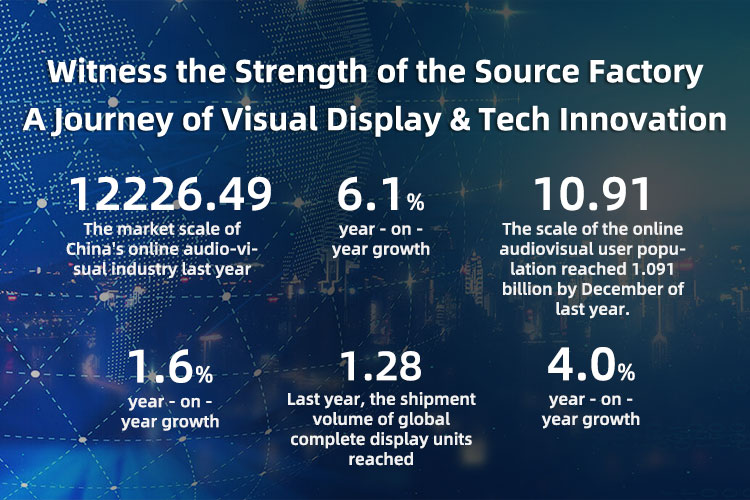
In commercial display projects, the most common issues for integrators and end users are not product parameters but the seamless coordination across design, production, delivery, and after-sales support. In scenarios like government service halls, university command centers, and secure sites, a single delivery delay or slow after-sales response can jeopardize project acceptance and increase maintenance costs. Stonbel's service network delivery assurance addresses this by offering a complete service system, from factory customization and resident service points in 31 provinces to quarterly inspections. This article uses common commercial display scenarios and real cases to provide a practical selection checklist, helping readers avoid common delivery and maintenance traps during project planning.
Scenario Pain Points
Commercial display projects often involve multiple display products, and coordinating devices from different brands or batches is a leading cause of project delays. In government service centers, for example, original public display screens may suffer from visible pixelation and seam gaps, disrupting the flow of service guides and queue information. High-frequency daily operation leads to frequent malfunctions, and maintenance burdens tarnish the government service image. Multi-department information cannot be updated synchronously. Such scenarios demand not only clear image quality but also high
Configuration Solutions
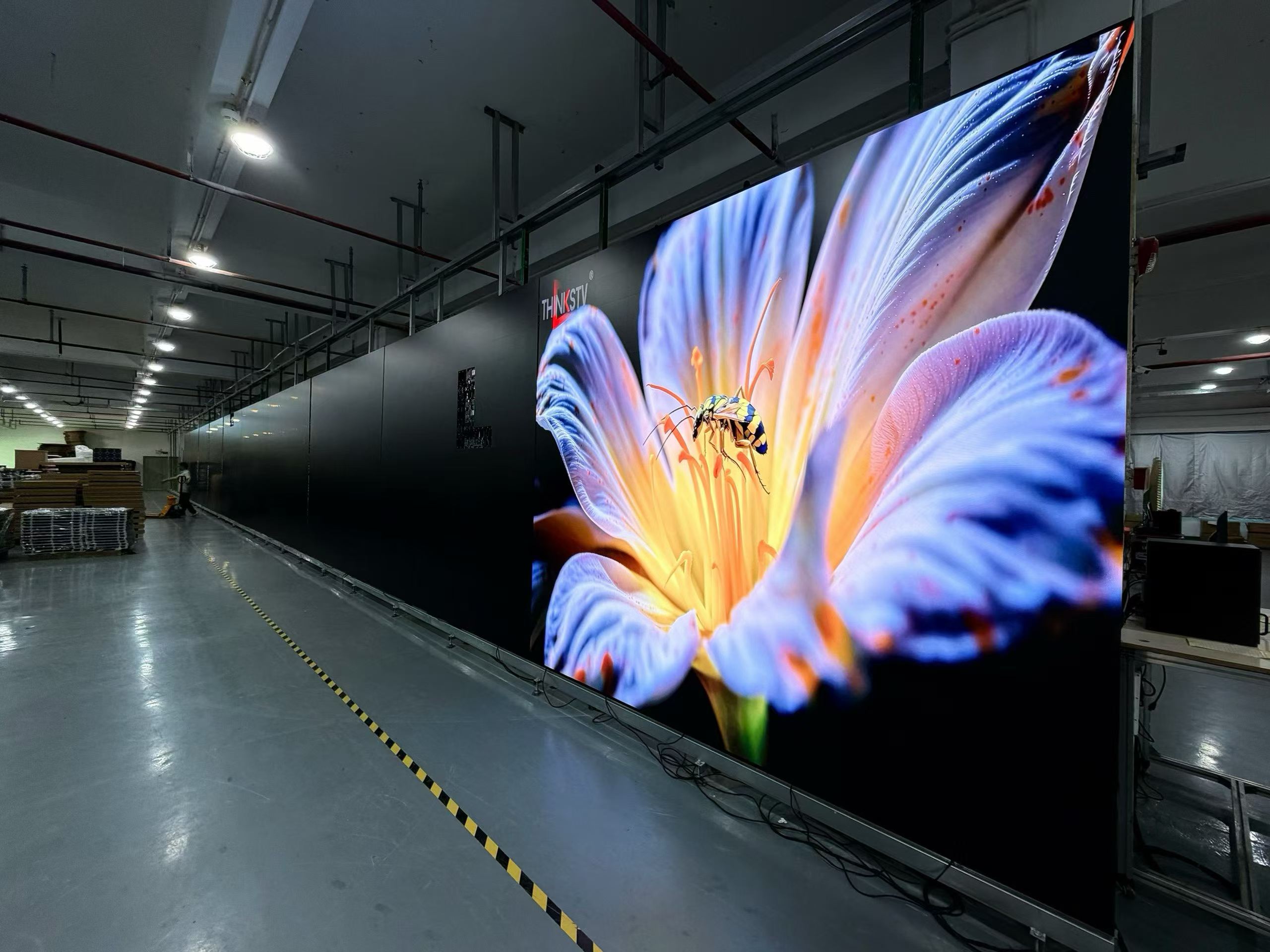
For general commercial display scenarios like government halls and university command centers, the core of the configuration lies in selecting the right pixel pitch and packaging technology. Stonbel's COB fine-pitch LED displays offer a full range from P0.7 to P1.8. The P1.5 model suits hall information displays with viewing distances above 3 meters, while P1.2 is ideal for command centers or monitoring rooms at 2-3 meters. Compared to traditional
Hardware Checklist
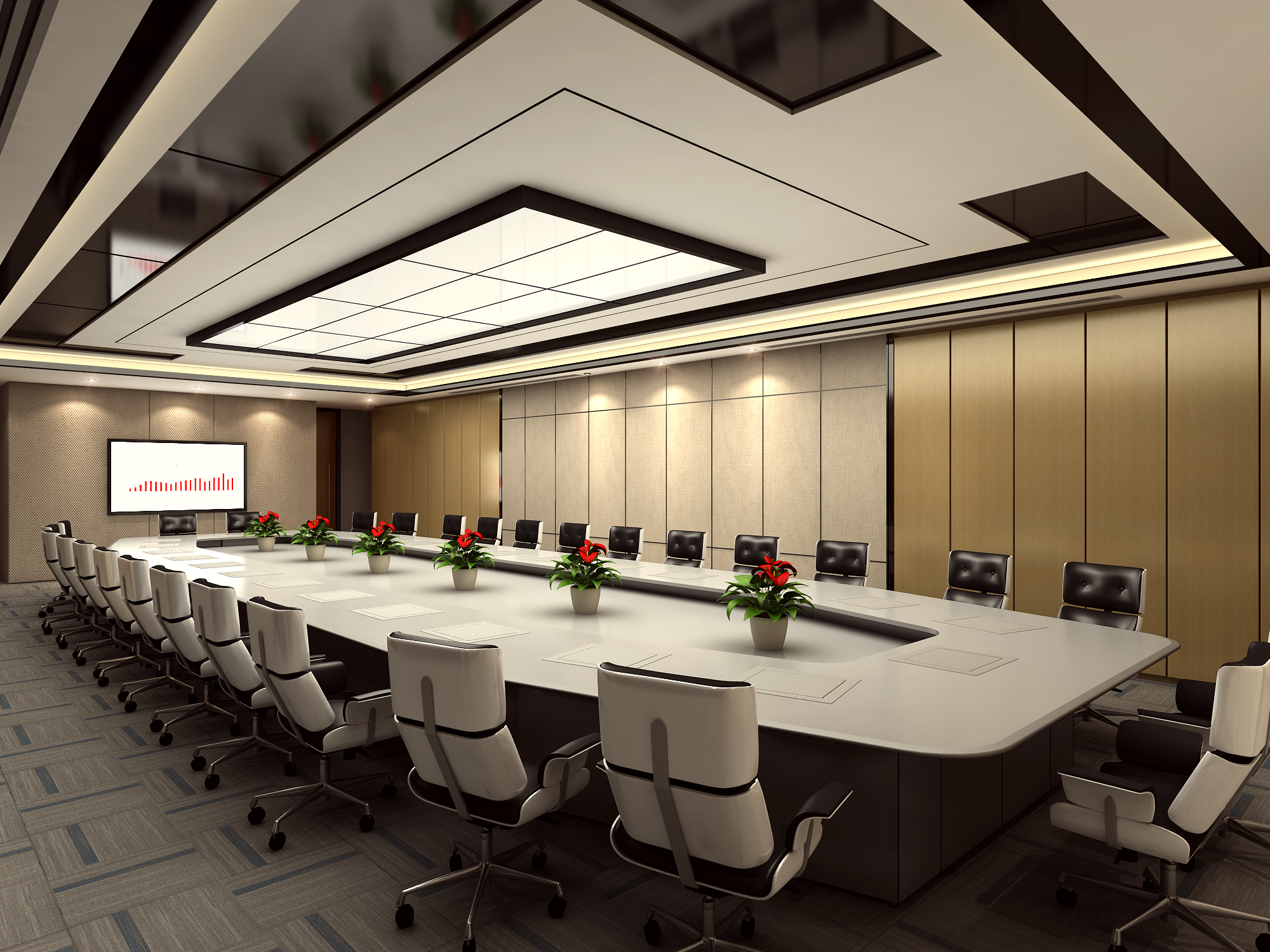
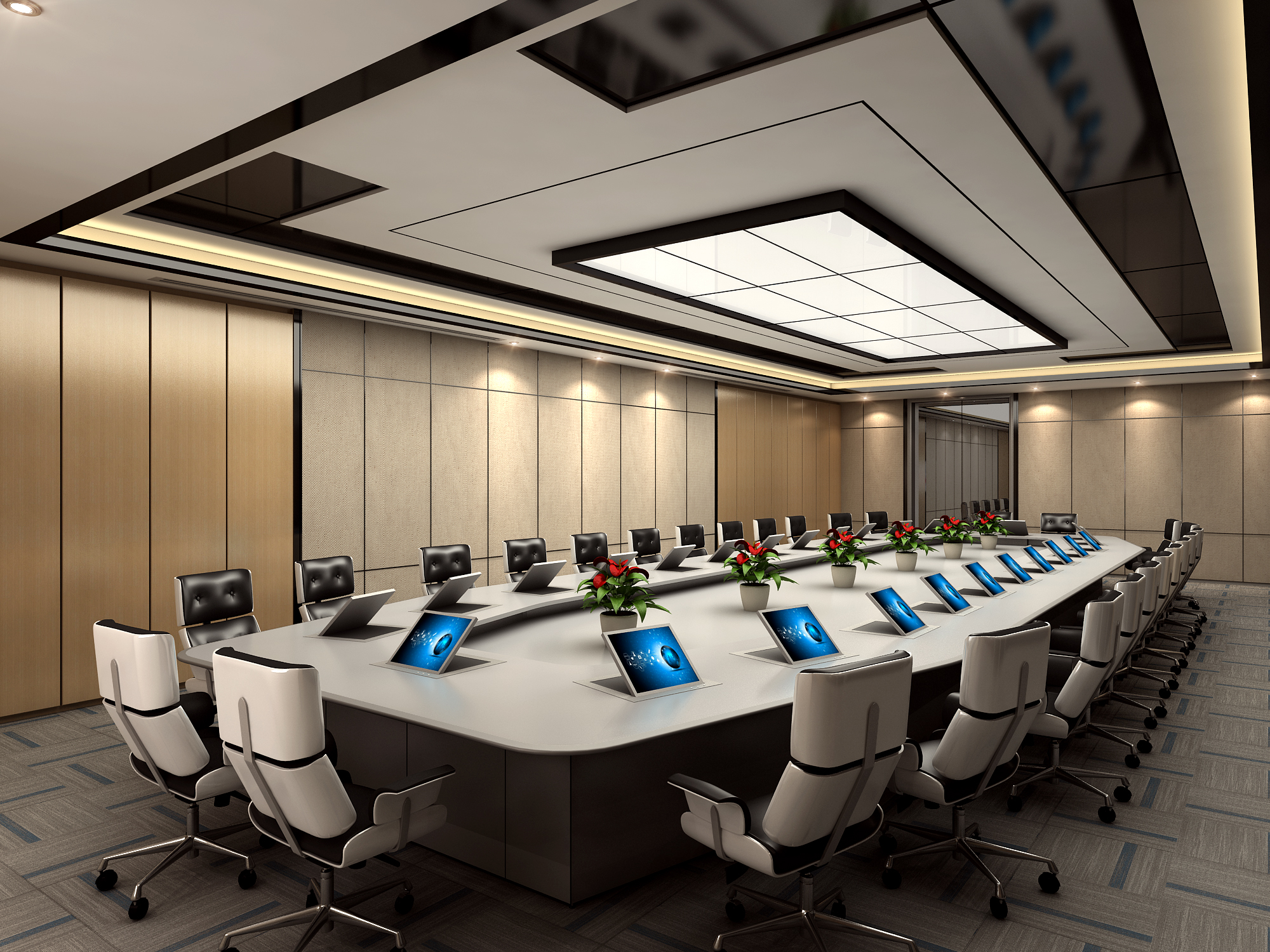
A complete commercial display hardware checklist includes not only the display itself but also control systems, signal processing equipment, mounting structures, and auxiliary cooling. For COB fine-pitch displays, core hardware includes: display modules (configured by area and pitch, e.g., P1.2 or P1.5), sending and receiving cards, a video processor (supporting multi-signal switching and zone display), a power distribution cabinet (with intelligent power management), a steel mounting structure (customized based on wall load and curvature), and temperature
Deployment Advantages
Choosing Stonbel's Service Network Delivery Assurance delivers tangible benefits in project schedule control and reduced maintenance costs. In a Tianjin university smart campus project, an 80㎡ P1.2 COB display was integrated with security monitoring, academic administration, and logistics management platforms, supporting seamless multi-signal switching and emergency event pop-up alerts. A dedicated campus maintenance team ensured stable operation during major events like enrollment and graduation. Post-implementation, campus-wide operational data was visualized in a unified dashboard,
Budget Reference
Budgets for commercial display projects are influenced by pixel pitch, area, customization complexity, and installation environment. Industry ranges below are for initial planning only and are not commitments. For COB fine-pitch displays, the P1.5 model typically costs RMB 25,000-40,000 per square meter (excluding steel structure and control system), P1.2 ranges from RMB 35,000-55,000, and P0.9 can reach RMB 60,000-90,000. For the 75㎡ Jiangsu government service center project using P1.5, the display alone would be approximately RMB
Q1: What typically causes delivery delays in commercial display projects, and how does the service network prevent them?
A: Delays usually stem from opaque production scheduling, poor logistics coordination, or unconfirmed on-site installation conditions. Stonbel's Service Network Delivery Assurance addresses this through service points in 31 provinces, conducting on-site surveys before project kickoff to verify mounting structures, power, and signal cabling, and basing production plans on survey results. In the factory-direct model, production progress is visible, and dedicated vehicle logistics ensure timely equipment arrival. Additionally, quarterly inspections identify potential issues early, preventing frequent rework after delivery.
Q2: What is the maintenance cost difference between COB fine-pitch and traditional SMD displays?
A: COB packaging directly mounts LED chips onto the substrate, achieving IP55 protection that effectively resists moisture and dust, reducing environment-related dead pixels. Stonbel COB displays offer a lifespan of ≥100,000 hours and a 3840Hz refresh rate for high long-term stability. In the Tianjin university project, COB adoption reduced failure rates by 85% and maintenance costs by 56%, primarily saving on spare parts and labor. Traditional SMD screens have exposed lamp beads that are susceptible to static and moisture, requiring noticeably more frequent maintenance.
Q3: What special requirements do confidential projects impose on signal encryption and maintenance personnel?
A: Confidential projects require end-to-end signal encryption. Stonbel custom displays feature a national cryptography-approved encrypted transmission system and electromagnetic shielding interfaces to block leakage paths. Maintenance personnel must hold security clearances, and all work is conducted in closed environments to prevent unauthorized access. In an underground defense command center project, the entire survey, installation, and maintenance were handled by a dedicated cleared team and passed military security acceptance. For strong electromagnetic environments, GJB 151B military EMC compliance is also required.
Q4: How do I choose the COB display pixel pitch based on viewing distance?
A: Pixel pitch selection is based on minimum viewing distance, approximately: minimum distance (meters) ≈ pixel pitch (mm). P1.5 suits distances above 3 meters, P1.2 for 2-3 meters, and P0.9 for 1.5-2 meters. Government hall information displays are recommended at P1.5, while command centers or monitoring rooms should use P1.2 or finer. Stonbel offers the full P0.7-P1.8 range. Integrators can determine the optimal specification based on actual layout and viewing distance, supported by Stonbel's Service Network Delivery Assurance free on-site survey recommendations.
The success of a commercial display project depends not on the specs of a single product but on the full process control from requirement alignment to delivery and maintenance. Stonbel's service network delivery assurance, backed by resident service points in 31 provinces and factory-direct customization, provides stable and reliable display solutions for government, education, and secure applications. Whether it's seamless COB fine-pitch splicing, interactive conference all-in-one machines, or decorative LED texture screens, Stonbel's proven quality helps integrators and users avoid selection pitfalls. We hope this checklist serves as a reference for your project planning, making every display upgrade a reliable investment in efficiency and image.