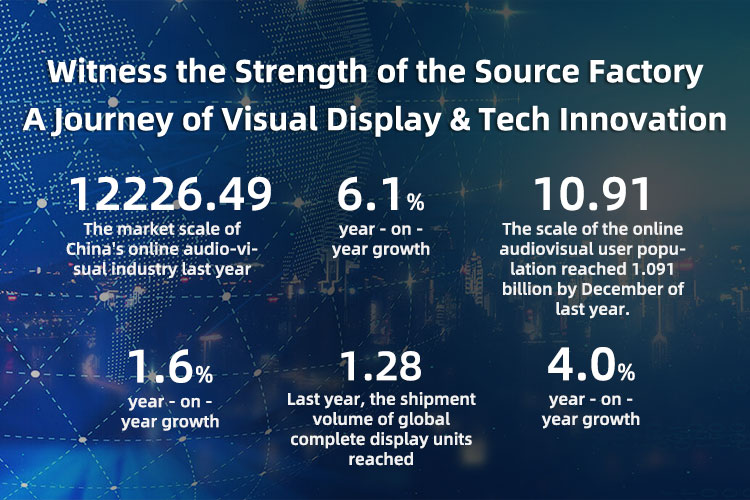
As frontline public service windows, government halls impose strict requirements on display equipment for information dissemination and image presentation. LCD video walls, with high-definition imaging and stable performance, have become the mainstream option. However, procurement bidding involves complex parameter screening and qualification review. Based on industry standards and real project experience, this article addresses core parameters, qualification requirements, and selection recommendations to help buyers ensure compliance and cost-effectiveness.
Core Specs: LCD Video Wall vs. COB Fine-Pitch LED
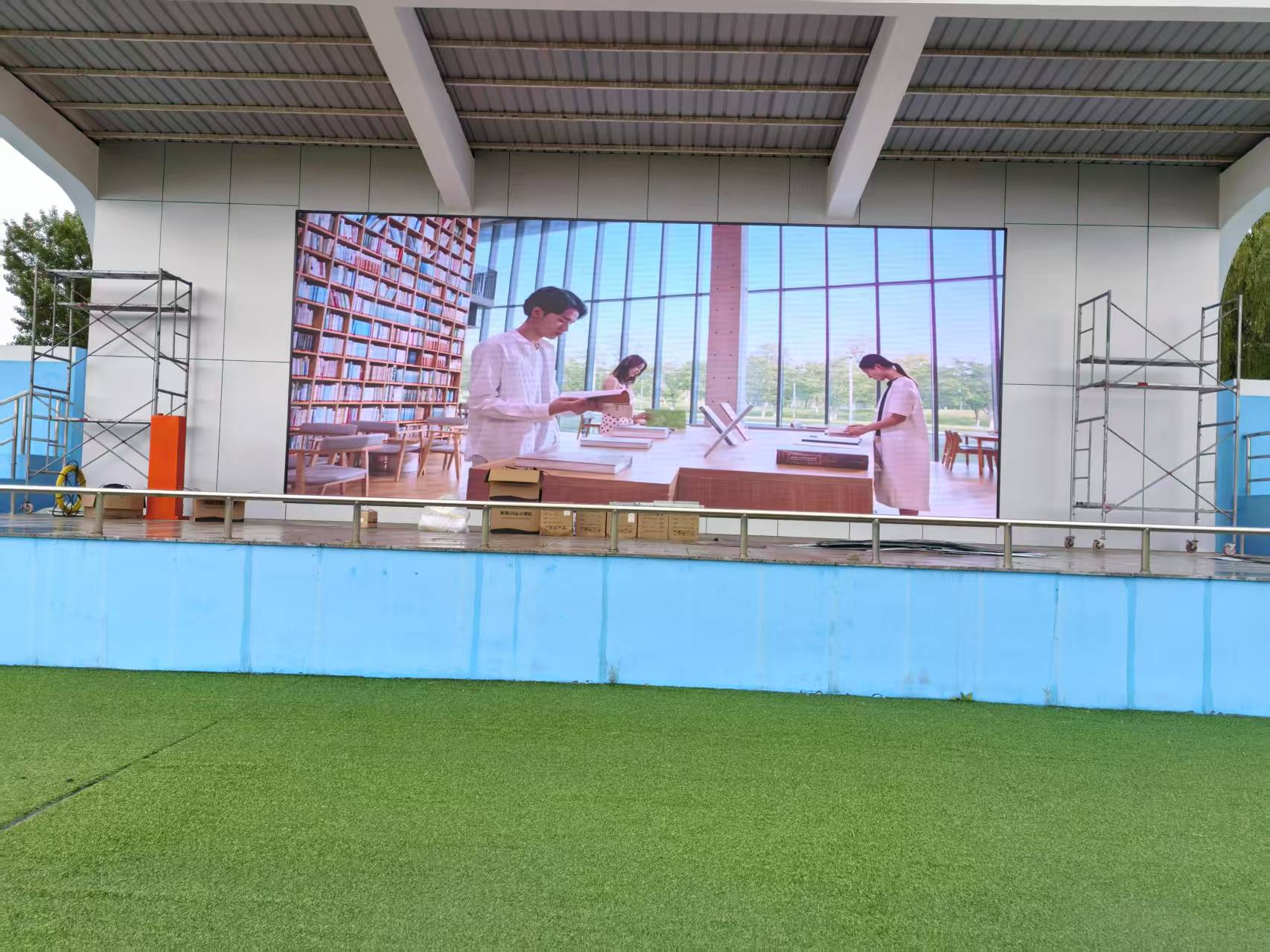
For government hall LCD video wall tenders, defining core specs is the first step. LCD video walls excel in color, with a color gamut up to NTSC 120%, delivering rich, realistic images suitable for promotional videos and policy graphics. COB fine-pitch LED screens excel in seamless splicing and ultra-high refresh rates, with pixel pitches from P0.7 to P1.8 and a refresh rate up to 3840Hz, ideal for real-time data and dynamic maps. In terms of protection, LCD reaches IP65, while COB fine-pitch LED is IP55; both suit indoor government environments. Buyers should choose based on viewing distance and layout. For close viewing (within 3 meters), LCD's fine image quality is advantageous. For open spaces requiring seamless full-wall displays with high-frequency dynamic content, COB fine-pitch LED is more
Qualification Checklist: Certifications to Experience
Qualification review is critical for ensuring compliance in government hall LCD video wall tenders. For basic certifications, products must have 3C certification (China Compulsory Certification), a legal requirement for the domestic market; CE (EU safety) and FCC (US) certifications serve as international quality references. For environmental and quality management, ISO14001 and ISO9001 certifications should be mandatory for suppliers, ensuring eco-friendly production and consistent quality. For sensitive government halls involving public security or confidential matters, additional checks on suppliers' confidentiality
Selection Guide: Scenario-Based Decision Framework
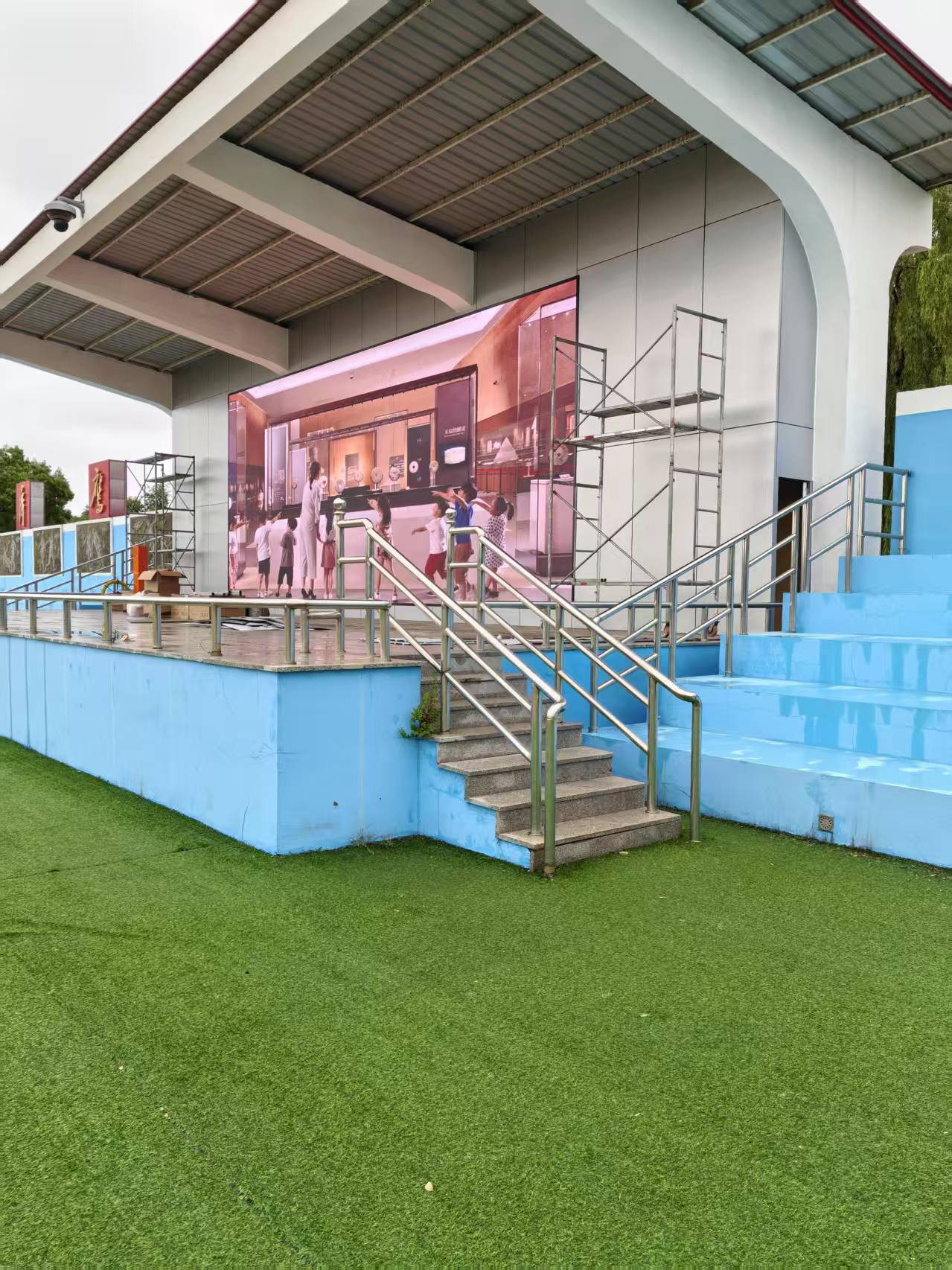
Selecting LCD video walls for government halls requires balancing performance and cost based on scenario needs. First, define the hall's main functional zones: service window areas typically need queue information displays, recommending LCD screens with 500-800cd/㎡ brightness to avoid glare; policy promotion areas can use models with NTSC≥120% color gamut for visual appeal; data monitoring areas (e.g., city operation centers) suit COB fine-pitch LED screens, leveraging seamless splicing and high refresh rates for real-time data. In the Shanghai Planetarium project, Stonbel combined LED fine-pitch seamless video walls with smart
Q1: What is the standard brightness for LCD video walls in government halls?
A: Brightness for government hall LCD video walls typically depends on ambient light. Indoor halls generally use 500-800cd/㎡; for areas near windows or with high ambient light, higher brightness models are recommended. Reference materials indicate conference all-in-one machines range from 300-1000cd/㎡. Specific requirements should be based on actual project needs, with tenders specifying brightness uniformity (e.g., brightness decay rate no more than 10%). For semi-open halls (e.g., with glass curtain walls), models with ≥800cd/㎡ and auto light sensing are recommended to avoid blurring under strong light. Also, balance brightness and power consumption, as high-brightness models may increase energy use by 20%-30%; buyers should assess electricity costs based on operating hours.
Q2: How to choose between LCD video walls and COB fine-pitch LED for government halls?
A: If viewing distance is close and fine image quality is needed, LCD video walls are more suitable, with NTSC≥120% color gamut for rich colors, ideal for policy graphics; if the hall is large, requiring seamless splicing and high refresh rates for dynamic data, COB fine-pitch LED is better, with pixel pitches P0.7-P1.8, refresh rate 3840Hz, and lifespan ≥100,000 hours. Decision criteria: viewing distance within 3 meters with mostly static images, choose LCD; viewing distance over 5 meters with full-wall displays and real-time data scrolling, choose COB. The
Q3: What certifications are required for government hall LCD video wall procurement?
A: For government projects, LCD video walls must have 3C, CE, and FCC certifications to meet domestic and international safety standards. Suppliers should also hold ISO9001 quality management and ISO14001 environmental management certifications, reflecting production and service standards. For confidential government halls, additional checks on suppliers' confidentiality qualifications, such as military secrecy qualifications, are needed. Additionally, ROHS certification (Restriction of Hazardous Substances) should be included to ensure environmental compliance. Tender documents can require suppliers to provide stamped
Q4: What is the typical lifespan of LCD video walls in government halls?
A: LCD video walls typically last 50,000-80,000 hours, depending on usage environment and maintenance frequency. For 24/7 government hall operations, COB fine-pitch LED with a lifespan of ≥100,000 hours is recommended to reduce replacement costs. Tenders can require suppliers to provide lifespan test reports and specify warranty terms (e.g., 3-year warranty, spare parts supply within 7 working days). In the Postal Savings Bank of China Jiangxi Branch project, the LCD commercial display cluster operating 24/7 reduced financial information update delays from days to minutes and cut maintenance manpower by 55%, showing that proper maintenance plans can extend actual lifespan. Buyers should require maintenance manuals and regular brightness and color calibration.
Q5: How to evaluate supplier after-sales service capability in government hall LCD video wall tenders?
A: Evaluate after-sales service from three aspects: First, service network coverage—prioritize suppliers with service points in 31 provinces to ensure timely fault response; tender documents should specify service point distribution and on-site arrival time (e.g., within 4 hours). Second, spare parts supply—require suppliers to commit to delivery of key components (e.g., power modules, control cards) within 7 working days to avoid downtime. Third, warranty terms—recommend a warranty period of at least 3 years, clearly defining free maintenance scope (e.g., including labor and parts). Referencing the Wuhan Optics Valley Bio-industry Enterprise Service Center project, Stonbel achieved zero-pollution
Procuring LCD video walls for government halls is a systematic process involving technical specs, qualification review, and long-term maintenance. Buyers should benchmark core parameters and choose between LCD video walls and COB fine-pitch LED based on hall layout and viewing needs. Essential certifications include 3C, CE, FCC, and ISO; classified projects require additional confidentiality qualifications. Supplier industry experience and service coverage directly impact delivery and maintenance. Real cases—Hangzhou Metro, Shanghai Astronomy Museum, Wuhan Optics Valley—demonstrate the importance of matching technology to scenario. Define clear technical parameters (brightness uniformity, color consistency, signal processing) and robust after-sales terms (warranty, spare parts) to ensure reliable information display and enhance public service experience.