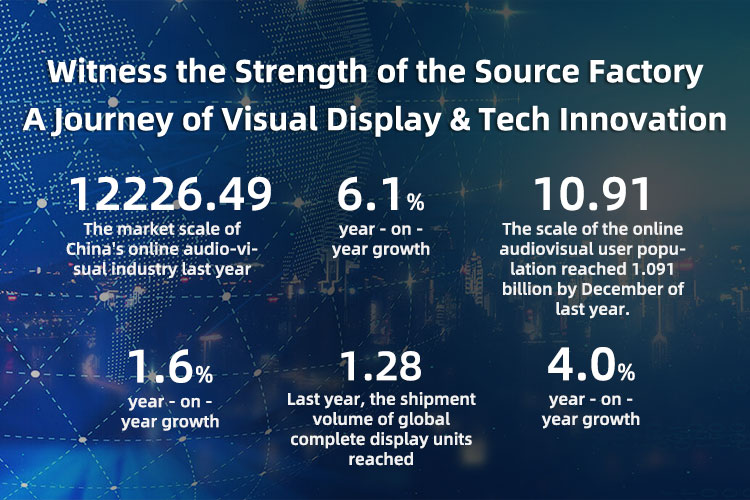
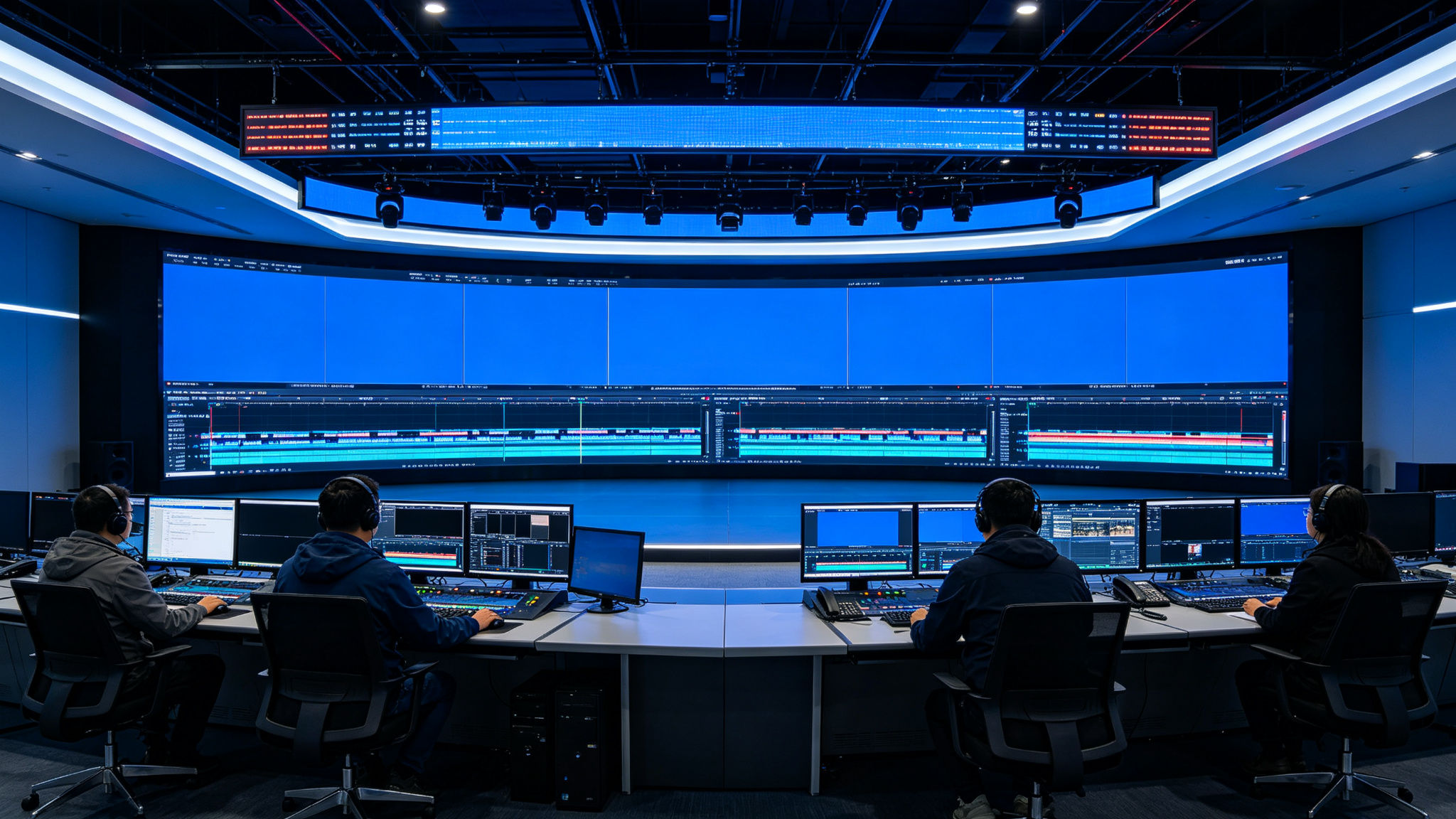
In broadcast studios, control rooms, and outdoor relay scenarios, the LED display is the core visual terminal. Its image quality, stability, and protection directly affect program production and information release. Facing numerous packaging technologies and manufacturers, how to identify suppliers with true manufacturing capability from the source becomes critical. This article compiles high-frequency questions across four dimensions—selection, parameters, installation, and after-sales—combined with real technical parameters and project cases from source manufacturers like Stonbel, providing an objective, actionable reference for purchasing broadcast LED displays, helping you avoid common pitfalls and make smarter investment decisions.
Top FAQs
Selecting a broadcast LED display goes beyond specs—it requires evaluating application scenarios, packaging tech, installation environment, and long-term maintenance. Below are 20 core questions from buyers, covering
Q1: What's the difference between broadcast LED and standard commercial displays?
A: Broadcast LED displays prioritize high refresh rate, high grayscale, and wide color gamut to ensure no scan lines in camera shots and accurate color reproduction. For example, Stonbel LED supports 7680Hz refresh, 22-bit grayscale, and NTSC≥130% color gamut—far
Q2: COB or SMD packaging for broadcast studio LED displays?
A: For ultimate image quality and seamless splicing, COB is superior. COB bonds chips directly to the PCB, enabling minimum pitch of P0.7 with no physical seams and excellent durability—ideal for close viewing in studios. SMD offers mature, cost-effective
Q3: What brightness is required for outdoor broadcast LED displays?
A: Outdoor environments demand high brightness—customizable to over 8000cd/m²—to remain visible under direct sunlight. Stonbel SMD outdoor models support high-brightness customization and
Q4: How to choose between P0.7 and P1.2 broadcast LED displays?
A: P0.7 is ultra-fine pitch with high pixel density, ideal for broadcast monitoring or high-end command centers viewed within 2 meters, delivering ultra-HD detail. P1.2 suits viewing distances above 3 meters for large video walls, offering better
Q5: Is a higher refresh rate always better for broadcast LED displays?
A: Yes, high refresh is critical for broadcast. 7680Hz far exceeds human perception and camera sampling rates, eliminating moiré and scan lines, ensuring smooth motion without ghosting. Stonbel LED
Q6: What color gamut is considered professional for broadcast LED displays?
A: Broadcast production requires wide color gamut for true color. NTSC≥130% coverage delivers richer color depth, meeting strict accuracy demands. Stonbel's NTSC≥130% outperforms typical 120%, precisely rendering skin tones and sky hues.
Q7: How much does grayscale affect broadcast LED image quality?
A: Grayscale determines smoothness of brightness transitions. 22-bit grayscale offers over 4 million levels, preventing loss of dark details or banding. For high dynamic range content, high
Q8: What does IP65 protection rating mean for broadcast LED displays?
A: IP65 means fully dust-tight and protected against strong water jets, suitable for outdoor broadcast vans or semi-outdoor studio areas. Stonbel's IP65 ensures internal circuits remain safe in dusty,
Q9: What structural requirements exist for installing broadcast LED displays?
A: Weight varies by packaging and cabinet design. Stonbel rental screens use die-cast aluminum cabinets, ≤8kg per cabinet and ≤28mm thick, reducing wall load requirements. However, professional engineers must assess wall structure before installation.
Q10: Can broadcast LED displays support curved splicing?
A: Yes. Stonbel rental screens support -15° to +15° curved splicing for immersive studio or stage designs. Seam precision ≤0.1mm ensures smooth, continuous images without visual misalignment, perfect for wrap-around backdrops.
Q11: How long does broadcast LED installation typically take?
A: Installation time depends on area and complexity. Stonbel installed a 120㎡ COB fine-pitch screen for a government hall in 3 days. For studios, tool-free quick-splice rental screens install at 10 seconds per
Q12: Is color calibration needed before using broadcast LED displays?
A: Yes. Broadcast demands color consistency. Stonbel performs point-by-point calibration on every module before shipping to ensure uniform brightness and color. After installation,
Q13: What does after-sales service for broadcast LED displays include?
A: Stonbel provides service points in 31 provinces, covering installation guidance, regular inspections, fault response, and spare parts. For broadcast clients, remote monitoring platforms track device status in
Q14: What is the typical warranty period for broadcast LED displays?
A: Industry standard is 1-3 years. Stonbel LED displays have a lifespan ≥100,000 hours with comprehensive warranty. Non-artificial faults are repaired or replaced free during warranty. Clarify warranty scope and response times at purchase to avoid disputes.
Q15: Can broadcast LED display brightness be auto-adjusted?
A: Yes. Stonbel LED supports wide brightness adjustment—outdoor models customizable to over 8000cd/m²—with light sensors for automatic adjustment based on ambient light, saving energy and
Q16: Can broadcast LED displays integrate seamlessly with existing video systems?
A: Yes. Stonbel LED supports 4K/1080P input, multi-signal access, and synchronized control, displaying surveillance, data charts, and video conferencing simultaneously. In the Hangzhou Metro command center, P1.2 COB
Q17: Are broadcast LED displays power-hungry?
A: Power consumption depends on brightness, area, and driving method. Stonbel uses efficient driver ICs and energy-saving designs, optimizing efficiency while maintaining high brightness. Exact
Q18: How is dead pixel rate controlled in broadcast LED displays?
A: As a source manufacturer, Stonbel strictly controls production with mature packaging (SMD or COB) to reduce solder joint risks. COB, without individual lamp beads, lowers damage-related dead
Q19: Can broadcast LED displays operate in low temperatures?
A: Stonbel LED components support wide temperature ranges, operating from -20°C to 50°C. For northern outdoor broadcast scenarios, add temperature control systems to ensure smooth startup and stable display in extreme cold. Specific specs depend on model.
Q20: What installation methods are available for broadcast LED displays?
A: Options include wall-mounted, embedded, suspended, and floor-mounted. Stonbel offers adhesive, hanging, and embedded solutions for various structures. For example, LED floor tiles require load-bearing and anti-slip
Selecting a broadcast LED display is a systematic project requiring full consideration of packaging technology, core parameters, installation environment, and after-sales service. Through this Q&A, you now understand the differences between COB and SMD in image quality, protection, and cost, and the practical significance of refresh rate, grayscale, and color gamut for broadcast applications. As a source manufacturer, Stonbel demonstrates professional strength with hard specs like P0.7 fine pitch, 7680Hz refresh rate, IP65 protection, and real cases in national ministries and metro command centers. When selecting, always require detailed technical proposals and on-site case inspections to ensure ROI. We hope this guide helps you make a more scientific decision and build a stable, reliable display foundation for your broadcast business.