PACS systems in top-tier hospitals add millions of CT, MRI, and pathology images each year, driving demand for long-term archiving, instant retrieval, and regulatory compliance. The medical imaging archive industrial AI box, an edge node enabling cloud-edge synergy, is reshaping conventional archiving with low power, wide-temperature operation, and real-time inference. This article examines pain points, configuration options, hardware lists, deployment benefits, and budget references to clarify key pricing factors.
Pain Points
PACS systems in top-tier hospitals generate massive medical imaging data daily, with CT, MRI, and pathology slides growing at PB scale. Traditional storage faces three challenges: high expansion costs due to no tiering between hot and cold data; slow retrieval speeds often requiring minute-level waits, hindering clinical efficiency; and strict compliance with Class 2.0 security and medical data regulations. Additionally, long-term archiving is required, but existing NAS or SAN architectures lack scalability to support second-level retrieval. The Medical Imaging Archive Industrial AI Box is designed to solve these issues. As an edge-side intelligent computing unit, it can be deployed in radiology departments or data centers for preliminary
Configuration Solution
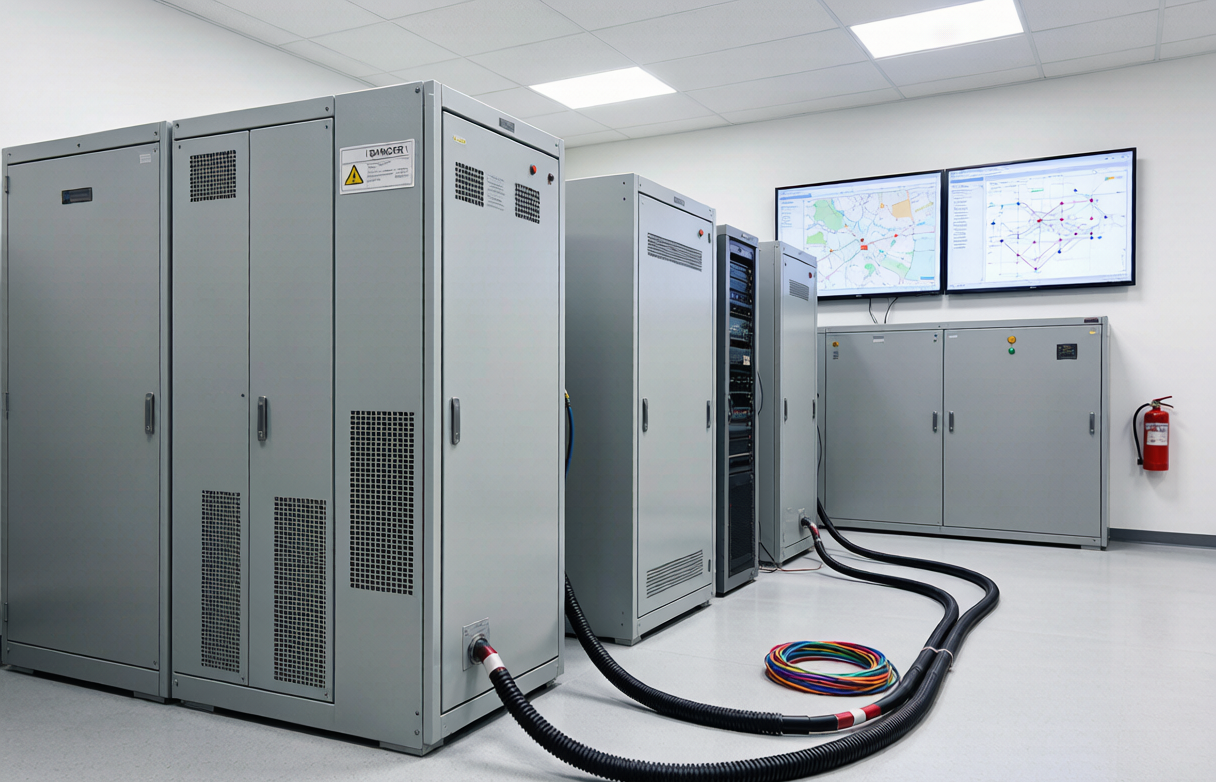
For PACS archiving in top-tier hospitals, a tiered architecture combining distributed storage with edge AI inference is recommended. The core layer uses distributed file storage with multi-replica and erasure coding for data safety; the edge layer deploys Medical Imaging Archive Industrial AI Boxes, such as the Huawei Atlas 200 AI Accelerator Module 3000, offering INT8 22 TOPS, FP16 11 TFLOPS, 8GB memory, and 8W power consumption for real-time preprocessing and intelligent classification. The storage layer employs intelligent data tiering: hot data on NVMe SSD, warm data on SATA SSD, and cold data archived to Blu-ray disc libraries. According to references, this approach cuts overall storage costs by over 30% while ensuring low latency for hot data. For image retrieval, edge boxes preload frequently accessed data, reducing retrieval time to seconds. A cloud-edge unified management platform
Hardware List
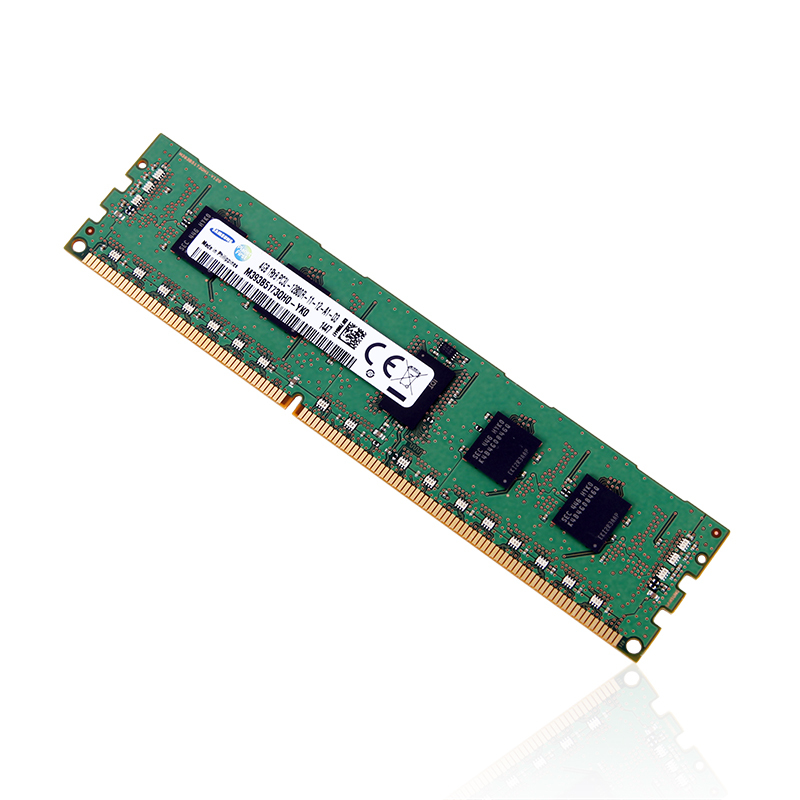
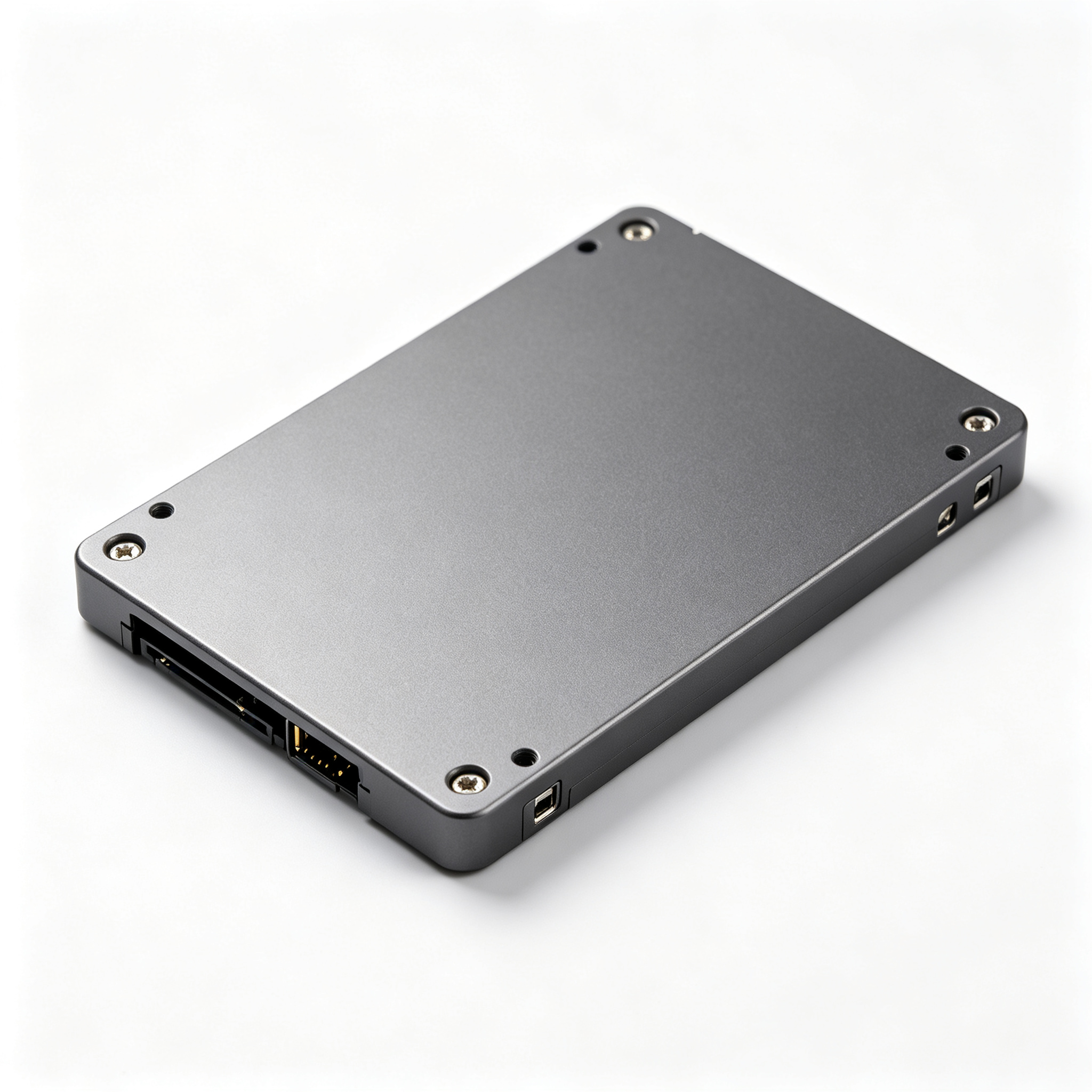
The hardware list includes three core components: storage nodes, AI boxes, and network accessories. Storage nodes adopt a distributed architecture, each configured with industrial wide-temperature SSDs (e.g., ATP, Transcend), with capacity selected based on image data volume, supporting linear scaling to PB levels. AI boxes use Huawei Atlas 200 series, with models chosen by computing needs: Atlas 200 AI Accelerator Module 3000 provides INT8 22 TOPS, 5.5W or 8W power, suitable for lightweight inference; Edge Intelligent Box 200I-101F1E5 offers INT8 8-20 TOPS, 21W or 24W power, supporting more decoding channels. Industrial DDR4/DDR5 memory is critical for stability; brands like Team Group or Innodisk are recommended to avoid compatibility issues. For archiving, Blu-ray archiving equipment and management software are required. The AI Box is compact, e.g., Atlas 200 module measures 8.5×52.6×38.5mm and weighs
Advantages
The Medical Imaging Archive Industrial AI Box delivers significant advantages. First, storage costs drop substantially—by 30%-40% through intelligent data tiering and cold/hot archiving, with Blu-ray media far cheaper than online storage. Second, retrieval efficiency improves from minutes to seconds, meeting urgent clinical reading needs. Distributed storage scales linearly from hundreds of TB to PB without downtime. For data security, multi-replica and erasure coding ensure no data loss on single disk or node failures, meeting financial and government compliance. Data encryption and access auditing comply with Class 2.0 Level 3, protecting patient privacy. The low power design (as low as 5.5W) allows deployment in departments without dedicated computer rooms, cutting deployment costs by over 50%. For example, a logistics company using Stonbel
Budget Reference
The budget for Medical Imaging Archive Industrial AI Boxes depends on image data volume, node count, computing needs, and storage media. Industry ranges (non-binding) are: single edge box (e.g., Atlas 200 module) from several thousand to tens of thousands RMB, based on configuration; distributed storage nodes (with industrial wide-temperature SSDs) approximately 50,000-150,000 RMB per node; Blu-ray archiving equipment and software licenses about 100,000-300,000 RMB. Overall project budgets typically range from 500,000 to 2,000,000 RMB, with PB-level PACS archiving potentially higher. Key pricing factors include storage capacity and performance, AI computing scale, data
Q1: What is the Medical Imaging Archive Industrial AI Box?
A: It is a more compact Ascend computing unit than an edge server, such as the Huawei Atlas 200 series, with power consumption from 5.5W to 24W, supporting wide-temperature operation (-25°C to 80°C). Deployed in radiology departments or data centers, it handles real-time image preprocessing, intelligent classification, and cold/hot archiving. It supports 20-channel 1080P decoding, enabling inference near data sources to reduce upload bandwidth pressure, serving as an end-node in cloud-edge collaboration.
Q2: How much does the Medical Imaging Archive Industrial AI Box cost?
A: Prices vary by configuration, with industry ranges (non-binding) from several thousand to tens of thousands RMB per unit. For example, the Huawei Atlas 200 AI Accelerator Module 3000, with INT8 22 TOPS, 8GB memory, and 8W power, is higher-priced; the Edge Intelligent Box 200I-101F1E5 supports 40-channel decoding with 21W power, at a moderate price. Specific models depend on project needs. Stonbel offers computing rental services to reduce upfront costs.
Q3: What factors affect the quotation for the Medical Imaging Archive Industrial AI Box?
A: Key factors include computing specifications (INT8 from 8 TOPS to 22 TOPS), memory capacity (8GB or 12GB), decoding channels (20 or 40), operating temperature range (-25°C to 80°C or -20°C to 60°C), and supporting storage media (industrial wide-temperature SSD or Blu-ray archiving). Additionally, whether a cloud-edge management platform, data encryption, and audit features are required also impacts the overall price.
Q4: How does the Medical Imaging Archive Industrial AI Box reduce storage costs?
A: Through intelligent data tiering and cold/hot archiving, hot data is kept on high-speed NVMe, warm data on SSD, and cold data archived to Blu-ray media, reducing overall storage costs by over 30%. The edge box automatically identifies image access frequency, migrating infrequently accessed images to low-cost media while ensuring low latency for hot data. Reference cases show distributed video storage solutions can reduce storage costs by 45%.
The medical imaging archive industrial AI box is becoming a critical component in PACS upgrades for top-tier hospitals. Its low power, wide-temperature design, real-time inference, intelligent data tiering, and cloud-edge collaboration address high storage costs, slow retrieval, and compliance challenges. Stonbel's storage and AI computing services cover distributed storage, industrial wide-temperature SSDs, and Ascend edge inference servers, shortening project timelines and reducing operational risk. Typical budgets range from 0.5 to 2 million RMB, depending on data volume and computing requirements. As domestic technology adoption deepens, localized AI boxes will play a greater role in medical imaging archiving.
本文由世通贝尔技术内容团队整理,发布于 2026-08-13。文中技术参数来自合作厂牌公开规格书,数据截至 2026-08,具体以当期库存型号与厂牌最新 datasheet 为准。