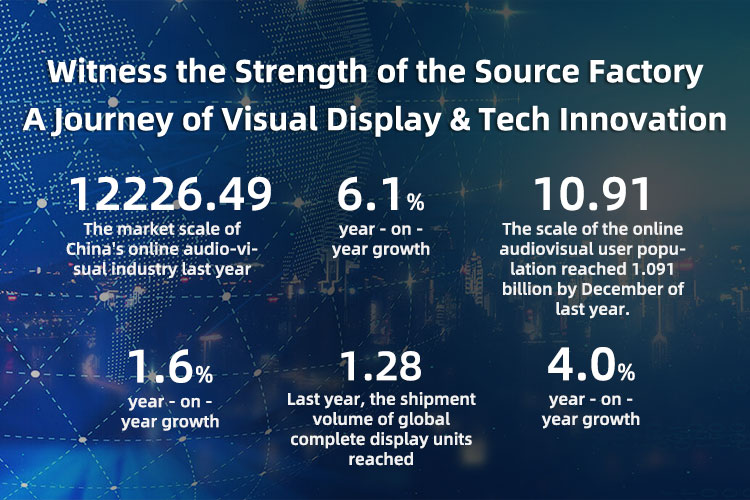
In the context of accelerated adoption by government, enterprise, and research institutions, data centers rely more on visual terminals. LCD video walls, with high resolution, low power consumption, and flexible tiling, are ideal for command dispatch, research presentations, and conference collaboration. However, installation and upfront cabling directly determine display performance and long-term reliability. Any oversight can lead to signal interference, uneven heat dissipation, or maintenance bottlenecks. Drawing from Stonbel's projects in secure meeting rooms, this article systematically explains construction and cabling essentials for data center LCD video walls, offering an objective, actionable reference.
Demand Analysis
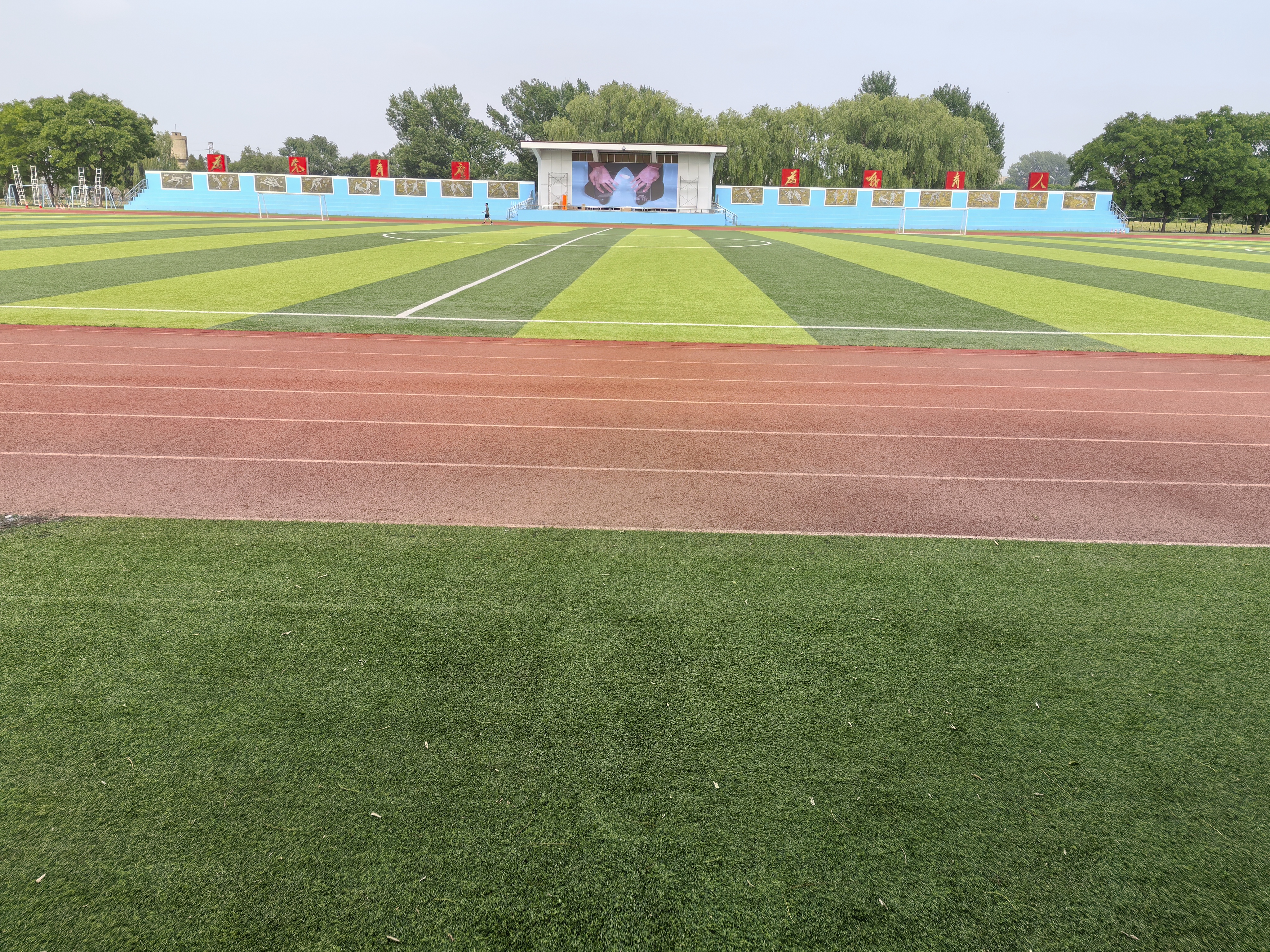
Selecting and installing LCD video walls for data centers requires a clear understanding of core application needs, not just chasing high specs or low costs. In the classified conference room project for the China
Tiered Screening
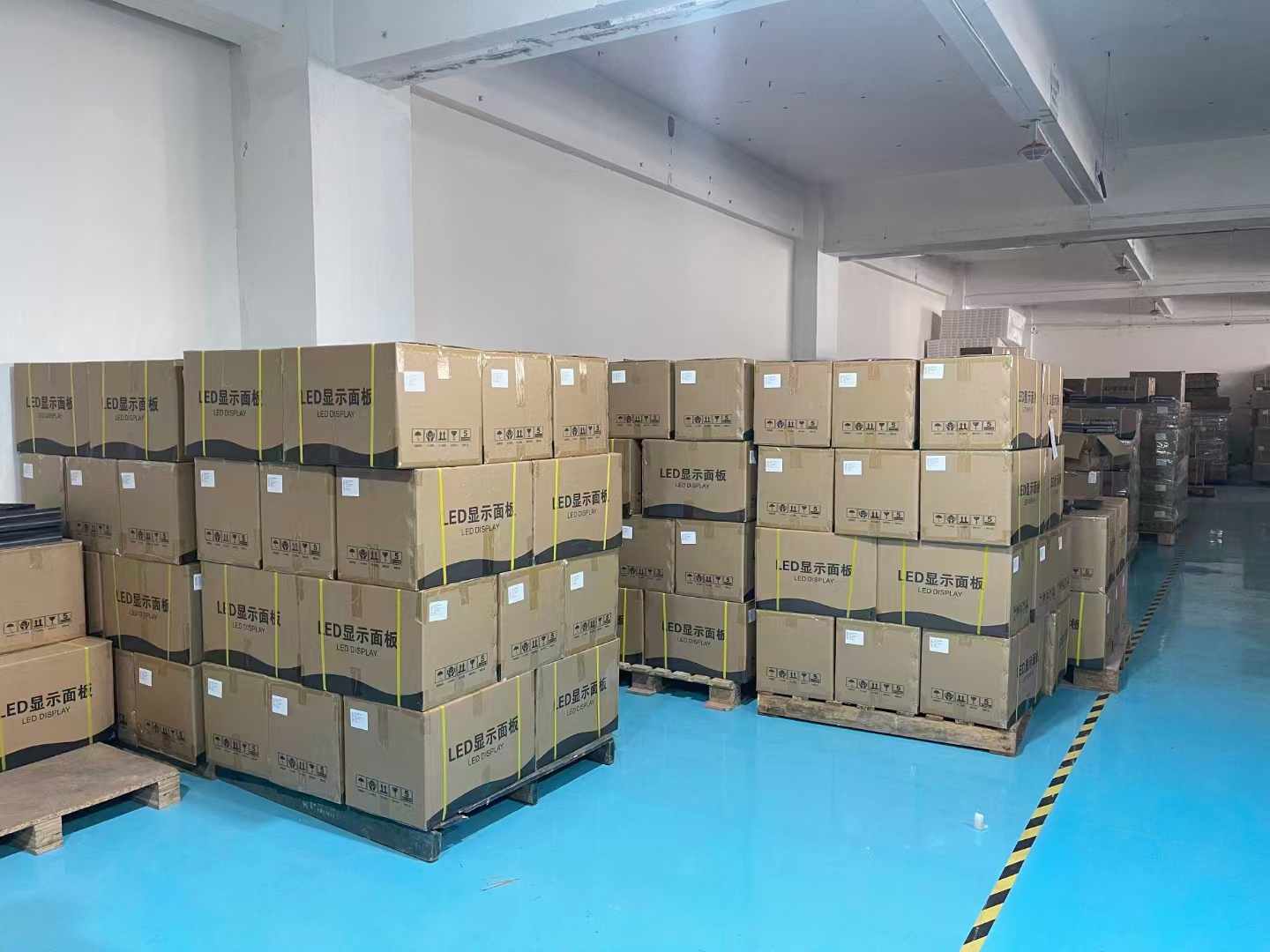
Once requirements are defined, a tiered screening process ensures precision, evaluating viewing distance, environmental adaptability, security compliance, and installation conditions. First, viewing distance and resolution: for viewing distances over 3 meters in command
Recommended Models
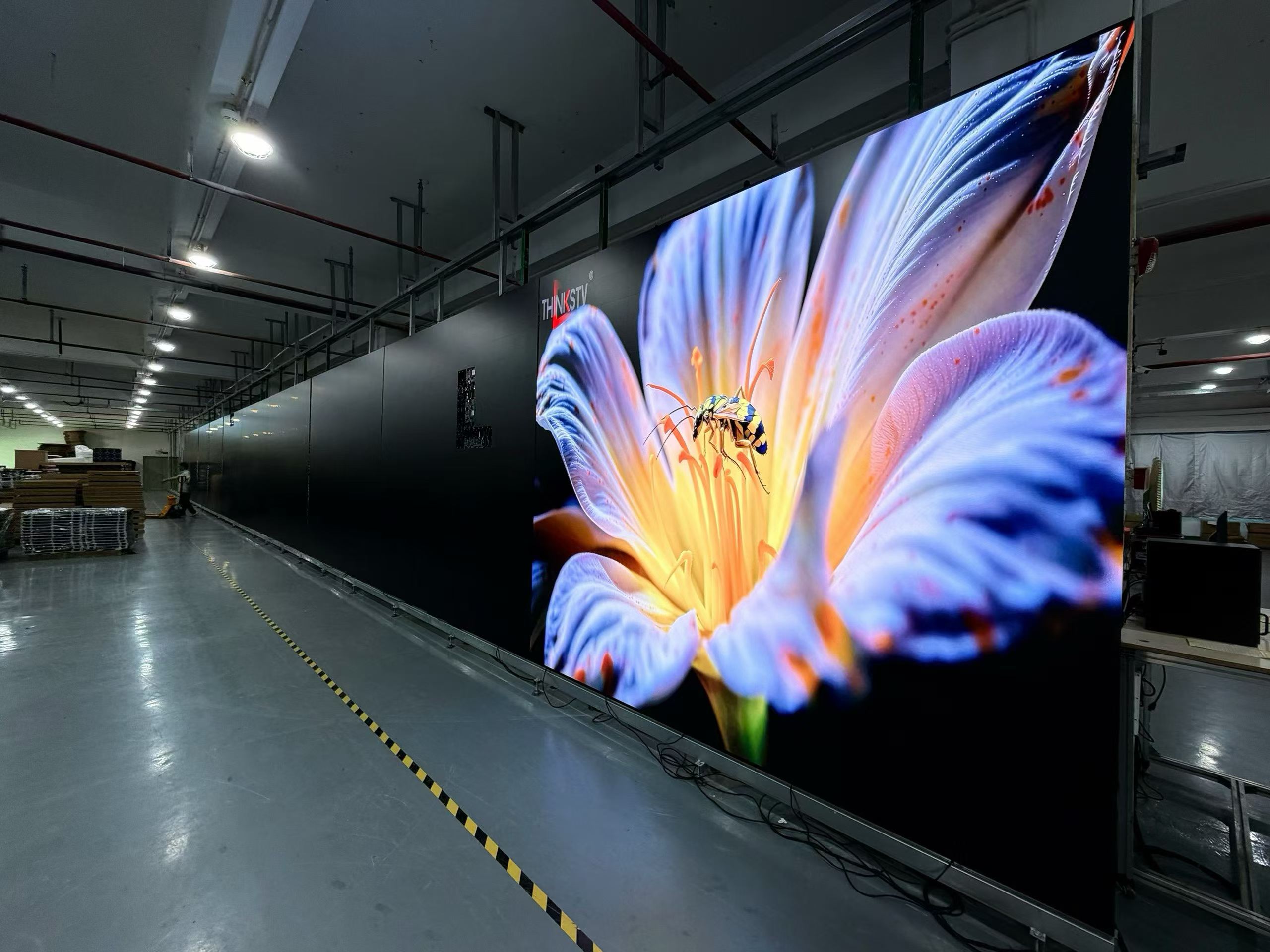
Based on the screening logic, Stonbel offers tailored models to match specific scenarios. For high-security environments like classified meeting rooms, we recommend combining an all-in-one smart conference unit with an
Rationale
Our recommendations are grounded in real-world cases and verified parameters, not theory. In the classified project, the Stonbel LCD video wall system passed security acceptance with zero data leakage and a 50% efficiency gain, thanks
Q1: What are the special cabling requirements for installing LCD video walls in data centers?
A: Cabling is a core part of LCD video wall installation in data centers, directly impacting signal quality and system security. First, signal and power cables must be routed separately, with a recommended spacing of over 30 cm to avoid electromagnetic interference causing flickering or image distortion; if space is limited, use shielded metal conduits or trays. Second, use shielded twisted pair or fiber optic cables for signal transmission; for runs over 15 meters, fiber is preferred to ensure signal integrity. Reserve 20-30% spare cabling for future maintenance or expansion. In classified environments, Stonbel uses encrypted transmission modules; ensure physical isolation during cabling—signal lines must not share conduits with external network cables—and set up a dedicated wiring closet to prevent data leakage. Additionally, cable trays should allow for heat dissipation to prevent cable aging; connectors need waterproof and dustproof protection, especially in dust-sensitive server rooms. Finally, after installation, perform continuity and signal quality tests to ensure no crosstalk or attenuation, laying the foundation for long-term stable operation.
Q2: How do I choose between LCD video walls and LED displays for a data center?
A: The choice depends on viewing distance, display area, and content type. For close viewing (within 3 meters) with detailed charts or text, LCD video walls (P6 pixel pitch) are more suitable, offering high resolution (e.g., 4K) for clarity and color gamut (NTSC≥120%) for accuracy; however, LCD has physical bezels, so if seamless display is critical, consider LED. For large screens over 50 square meters requiring seamless visuals, LED displays (P0.7 pixel pitch) eliminate bezel distraction, with high refresh rates (7680Hz) and grayscale (22bit) ideal for dynamic content like 3D city visualization or live monitoring; but LED may show a grainy texture at close range and has higher power consumption. In data centers, if content is primarily data charts and static images, LCD offers better value and color performance; for large-scale dynamic visualization or curved creative shapes, LED has the advantage. For example, the Nanjing Jiangbei New Area Urban Operations Center uses a P1.0 COB fine-pitch LED curved screen for 8K 3D rendering, while standard data display can use LCD. We recommend small-scale testing or consulting our technical team for specific needs.
Q3: How can security compliance be ensured when using LCD video walls in classified data centers?
A: Security compliance in classified environments requires comprehensive control over product selection, installation, and maintenance. First, choose products that support encrypted transmission and localized services, ensuring domestic software/hardware adaptation and avoiding consumer-grade products with potential backdoors; Stonbel's LCD video walls for classified projects include built-in encryption modules, supporting local closed-loop data storage without relying on external cloud services, meeting classified acceptance standards. Second, conduct a security assessment before installation, including electromagnetic leakage testing and physical isolation review, to ensure no signal leakage; during installation, cabling must be independent of public networks, with a dedicated wiring closet and supervised access. Finally, provide 7x24 on-site support during operation, with regular security audits; in the CETC Research Institute project, Stonbel provided dedicated on-site security operations, and the system passed classified acceptance with zero data leakage, becoming a standardized template. Additionally, refer to national classified standards (e.g., BMB17-2006) and consult professional certification bodies.
Q4: Are the maintenance costs for LCD video walls in data centers high?
A: Maintenance costs depend primarily on product reliability and service network coverage. Stonbel LCD displays have a lifespan of ≥100,000 hours and IP65 protection, effectively resisting dust and moisture to reduce failure rates; under normal use, annual maintenance costs are approximately 3-5% of the total equipment price, mainly for filter cleaning, firmware updates, and spare part replacement. Choosing original factory-direct models ensures timely spare parts, and Stonbel has service points in 31 provinces, offering 4-hour response and 48-hour on-site arrival to minimize downtime. In contrast, non-original or low-end products may require frequent repairs due to quality issues, leading to higher overall costs. We recommend reviewing warranty terms (e.g., 3-year warranty) and extended warranty options at purchase, and conducting regular preventive maintenance, such as checking cooling fans and signal connectors. Stonbel's OEM/ODM services can also provide customized maintenance plans to further optimize long-term costs.
Installing and cabling LCD video walls in data centers requires a systematic approach balancing performance, safety, and maintenance. From requirement analysis to model selection, every step should be based on real scenarios and verified parameters, not blind specification stacking. Stonbel's experience in secure meeting rooms, city operation centers, and commercial complexes shows that reliable hardware, encrypted transmission, and localized service are key to long-term stability. With scientific cabling, strict security compliance, and a solid maintenance system, users can significantly reduce failure risks and improve data visualization efficiency. As display technology evolves, LCD and LED will complement each other more flexibly, but the fundamental principles remain: demand-driven and verification-based selection.